
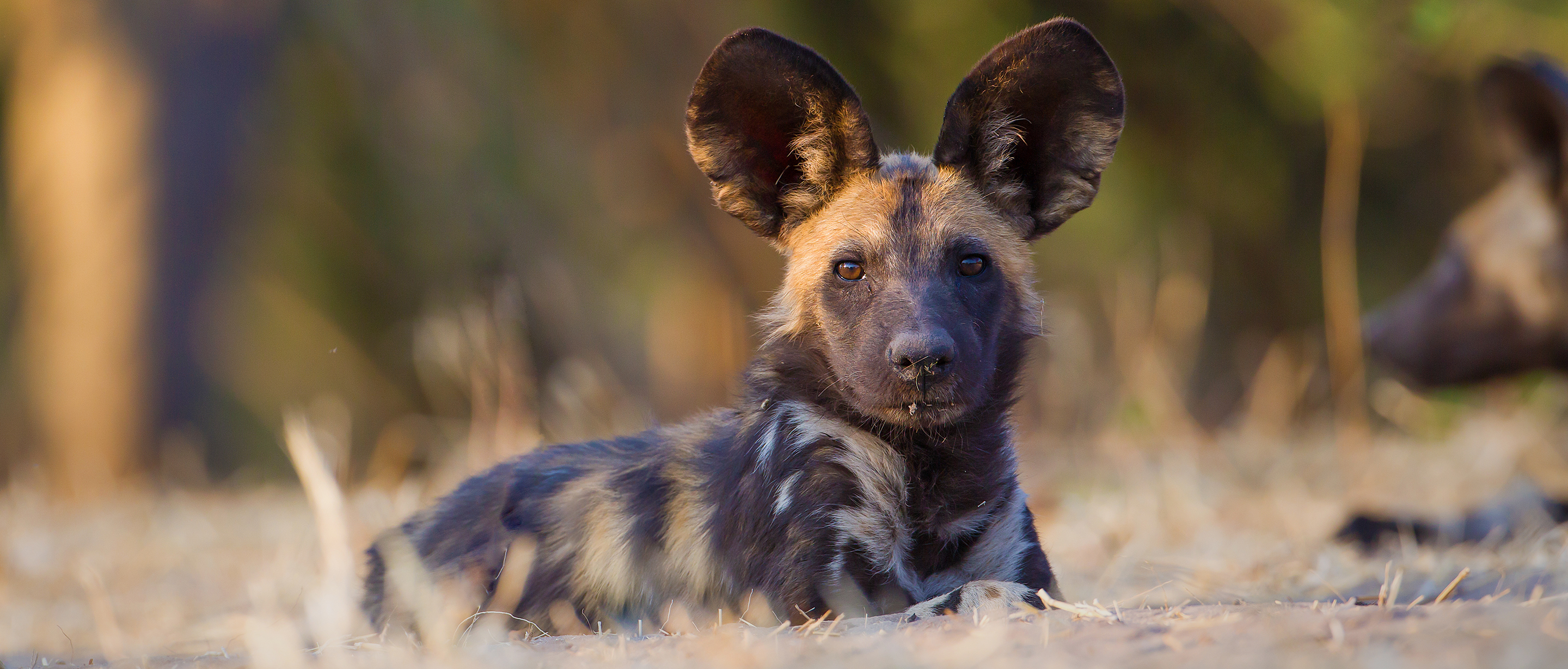
An in-depth comparison of Forest Safari vs Grassland Safari to help you choose the perfect safari experience. Explore the pros, cons, and key differences to mak
Forest Safari vs Grassland Safari
When it comes to forest safari vs grassland safari, there is no shortage of opinions. This evidence-based guide cuts through the noise to give you actionable, trustworthy information for your safari planning.
Safety and Health Considerations
Safety is paramount when it comes to forest safari vs grassland safari on safari. Reputable operators maintain strict safety protocols and employ experienced guides who are trained to handle a wide range of situations. Always verify that your chosen operator has proper licensing, insurance, and safety certifications.
Health preparation is an essential component of forest safari vs grassland safari. Consult with a travel medicine specialist at least six weeks before your departure to discuss vaccinations, malaria prophylaxis, and other health precautions specific to your destinations.
Travel insurance that specifically covers safari activities is strongly recommended. Standard travel insurance policies may not cover all the activities and situations you might encounter on an African safari. Ensure your policy covers medical evacuation, trip cancellation, and activity-specific risks.
Still researching? Let us help.
Our advisory team has planned safaris across 9 African countries. We can turn your research into a real plan.
Talk to an AdvisorUnderstanding the Fundamentals
The foundation of forest safari vs grassland safari begins with understanding the basic principles. Safari environments across Africa present unique conditions that differ significantly from what most travelers are accustomed to. In East Africa, the vast savannas of Kenya and Tanzania create one set of considerations, while the dense forests of Uganda and Rwanda present entirely different challenges. Southern African destinations like Botswana and South Africa add yet another dimension.
Experienced safari operators emphasize that preparation is the single most important factor in forest safari vs grassland safari. This means doing your research well in advance, consulting with knowledgeable advisors, and being willing to adapt your plans based on current conditions. The best safari experiences come from travelers who approach their journey with both enthusiasm and informed flexibility.
Expert Recommendations
Working with a qualified safari planning guide can significantly improve your experience with forest safari vs grassland safari. Advisors who have personal experience in your chosen destinations can provide insights that no guidebook or website can match. They understand the subtle differences between properties, the best times to visit specific areas, and how to structure an itinerary that maximizes your time.
Safari advisors consistently recommend starting your planning process at least six to twelve months before your intended travel dates. This lead time allows you to secure preferred accommodations, take advantage of early booking rates, and properly prepare for all aspects of forest safari vs grassland safari.
Making the Most of Your Experience
Finally, remember that a safari is more than just wildlife viewing. The cultural experiences, landscapes, and personal connections you make along the way are equally valuable. Approaching forest safari vs grassland safari with this broader perspective will enrich your entire journey.
Photography enthusiasts should pay special attention to forest safari vs grassland safari as it relates to their equipment and technique. The lighting conditions, distances, and movement patterns of African wildlife create unique challenges and opportunities that benefit from advance preparation.
To truly optimize forest safari vs grassland safari, approach your safari with an open mind and realistic expectations. Africa has a way of surprising even the most experienced travelers, and some of the best moments come from unexpected encounters and unplanned detours.
Done Reading? Let's Build Your Safari.
Skip the guesswork. Work with an advisor who has been on the ground across East and Southern Africa.
Plan With UsKey Differences in Wildlife Viewing
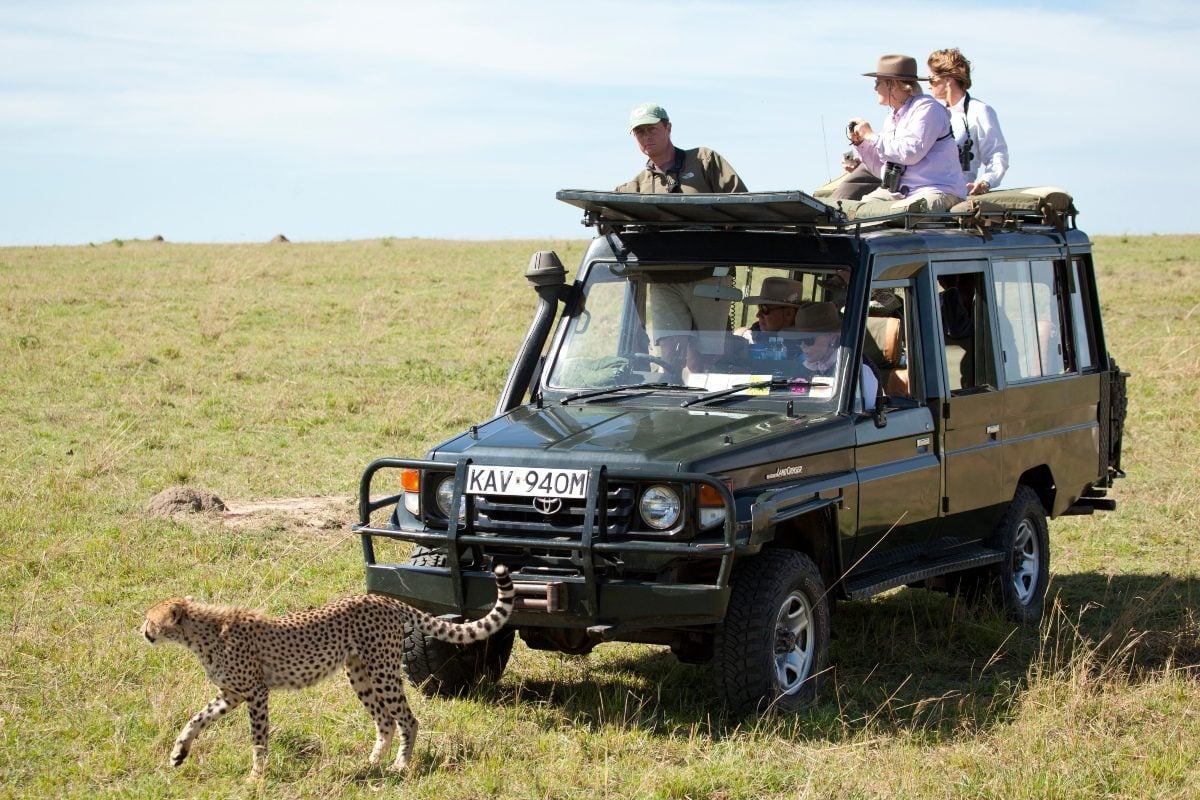
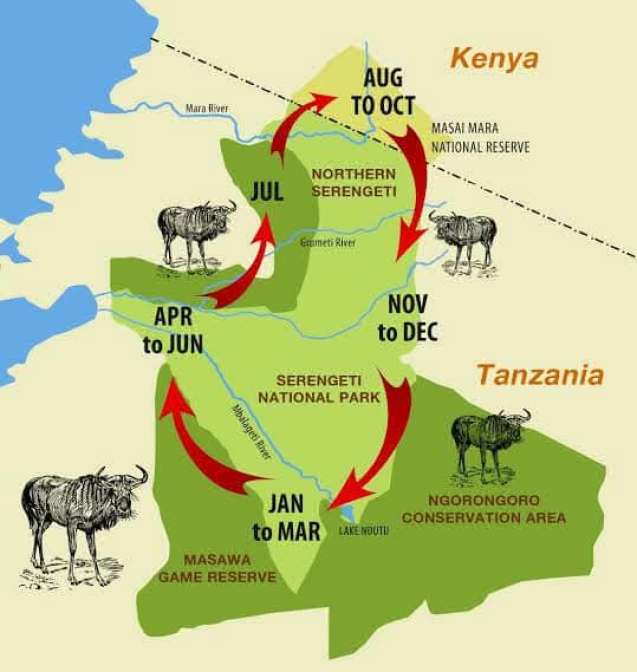
The most significant distinction between a forest and a grassland safari lies in the nature of the wildlife viewing itself. Grassland safaris, such as those in Tanzania’s Serengeti or Kenya’s Maasai Mara, are characterized by vast, open landscapes where visibility is excellent. This environment is ideal for spotting large herds of herbivores like wildebeest, zebra, and gazelle, and the predators that hunt them, including lions, cheetahs, and hyenas. Game drives in open-sided 4x4 vehicles allow you to cover large distances and witness grand-scale spectacles like the Great Migration.
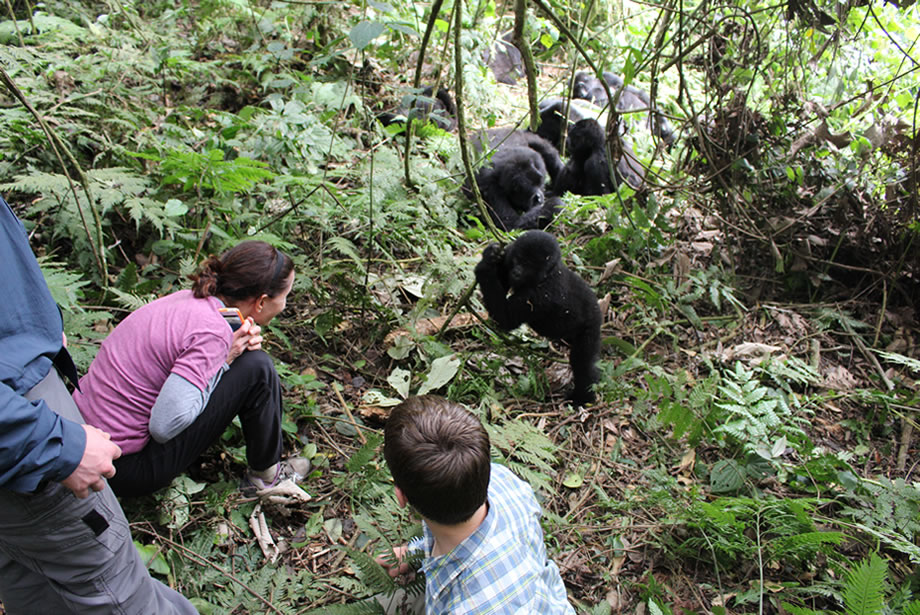
In contrast, forest safaris in destinations like Uganda’s Bwindi Impenetrable Forest or Rwanda’s Volcanoes National Park offer a more intimate and challenging experience. Here, wildlife viewing is done on foot, often requiring strenuous treks through dense vegetation. The primary attractions are primates, most notably mountain gorillas and chimpanzees. Encounters are up-close, personal, and profoundly moving. While you may also see forest elephants, rare birds, and unique antelope species, the dense foliage means sightings are often fleeting and require more patience.
A Tale of Two Safaris: Bwindi vs. Serengeti
To illustrate the contrast, let’s compare two iconic safari experiences. A journey into Bwindi Impenetrable Forest in Uganda is the quintessential forest safari. Your days are spent trekking through ancient, misty rainforest in search of a habituated gorilla family. The air is cool and damp, and the soundscape is one of chattering monkeys and exotic birds. The moment you find the gorillas, you spend a precious hour observing them in their natural habitat—a truly humbling and emotional experience.
Now, picture a safari in the Serengeti. You are in a customized safari vehicle, traversing endless golden plains dotted with acacia trees. The scale is immense. You might spend your morning watching a pride of lions stalk their prey, your afternoon surrounded by thousands of wildebeest on their annual migration, and your evening witnessing a leopard haul its kill up a tree. The experience is cinematic, defined by dramatic predator-prey interactions and the sheer abundance of wildlife. Both are extraordinary African experiences, but they appeal to different travel styles and priorities.
Related Resources
For more information on planning your safari, explore our destination guides, browse the safari operator directory, or connect with an experienced safari planning guide for personalized guidance.
Detailed Comparison: Forest vs. Grassland
To make an informed decision, it helps to see a direct comparison of the core elements of each safari type. The experience, logistics, and costs can vary dramatically between a forest trek and a grassland game drive.
| Feature | Forest Safari | Grassland Safari | | :---------------------- | :---------------------------------------------------------------------------- | :---------------------------------------------------------------------------------- | | Primary Destinations | Uganda (Bwindi Impenetrable NP), Rwanda (Volcanoes NP) | Tanzania (Serengeti NP), Kenya (Maasai Mara NR), Botswana (Okavango Delta) | | Key Wildlife | Mountain Gorillas, Chimpanzees, Golden Monkeys, Forest Elephants, rare birds | Lions, Leopards, Cheetahs, Wildebeest, Zebras, Giraffes, Elephants, Hyenas | | Viewing Method | Guided treks on foot, often through dense, challenging terrain | Game drives in open-sided or pop-top 4x4 vehicles | | Pace & Physicality | Physically demanding. Requires good fitness for steep, muddy, and long treks. | Mostly sedentary. Long hours are spent seated in a vehicle, with minimal walking. | | Accommodation Style | Primarily eco-lodges and camps situated on the edge of the forest. | A wide range from mobile tented camps to ultra-luxury lodges and permanent camps. | | Typical Cost | High, driven by expensive primate permits (e.g., gorilla permits are $700+ USD). | Varies widely from budget-friendly group tours to exclusive high-end experiences. | | Photography | Challenging. Low light, dense foliage, and close proximity to subjects. | Excellent. Open landscapes, bright light, and opportunities for long-lens action shots. |
Logistical & Cost Breakdown
Understanding the practical differences in getting there and the associated costs is crucial for planning.
Planning a Forest Safari (Bwindi, Uganda)
A trip focused on gorilla trekking requires specific logistical arrangements. You will likely fly into Entebbe International Airport (EBB). From there, it's either a long 9-10 hour drive or a short domestic flight to the Kihihi or Kisoro airstrip, followed by a road transfer to your lodge. The centerpiece of the cost is the gorilla tracking permit, which costs $700 USD per person for a single hour with the gorillas. Accommodation like Bwindi Lodge or Mahogany Springs can range from $400 to over $1,000 per person, per night. The challenging terrain and remote location contribute to the higher operational costs.
Planning a Grassland Safari (Serengeti, Tanzania)
A classic Serengeti safari typically begins by flying into Kilimanjaro International Airport (JRO). From there, you'll take a small bush plane to one of the many airstrips within the Serengeti, such as the Seronera Airstrip. Daily conservation fees for the park are approximately $82.60 USD per person. The main cost variable is accommodation, which spans a huge range. You could stay at a mid-range option like Serengeti Serena Safari Lodge for $500 per night or indulge at a luxury property like Singita Sabora Tented Camp, where costs can exceed $2,500 per person, per night. The vastness of the area and reliance on vehicle-based game drives define the cost structure.
Which Safari Is Right for You? A Scenario Guide
For the First-Time Safari Traveler: A grassland safari is almost always the best introduction to Africa. The sheer volume and diversity of wildlife in places like the Maasai Mara or Serengeti deliver the iconic experience most people dream of. The open terrain makes wildlife spotting easier and more frequent, ensuring a high-impact trip.
For the Primate Enthusiast or Return Visitor: If you have already experienced a classic grassland safari and are seeking a more profound, specialized encounter, a forest safari is the perfect next step. The physical challenge of the trek culminates in the incredibly intimate and emotional experience of observing a gorilla or chimpanzee family up close. It’s a journey for those who want to connect with a specific species on a deeper level.
Need Expert Safari Guidance?
Get expert advisory support from a firm founded by a former safari guide — with real operational knowledge across 9 African countries and full-journey accountability.
Related Planning Guides
Recommended Reading
 Safari Comparison Articles
Boat Safari vs Land Safari Comparison
An in-depth comparison of Boat Safari vs Land Safari Comparison to help you choose the perfect safari experience. Explore the pros, cons, and key differences to
 Safari Comparison Articles
Wetland Safari vs Dry Land Safari
An in-depth comparison of Wetland Safari vs Dry Land Safari to help you choose the perfect safari experience. Explore the pros, cons, and key differences to mak
 Safari Comparison Articles
Marine Safari vs Land Safari
An in-depth comparison of Marine Safari vs Land Safari to help you choose the perfect safari experience. Explore the pros, cons, and key differences to make an
 Safari Planning Guides
How to Plan a Safari for Rainforest Exploration
Learn about how to plan a safari for rainforest exploration in this comprehensive safari guide covering key insights and practical advice.
 Safari Planning Guides
How to Plan a Safari for Savanna Grasslands
Learn about how to plan a safari for savanna grasslands in this comprehensive safari guide covering key insights and practical advice.
 Destination Guides
Best Safari Destinations for Rainforest Wildlife
Your complete guide to Best Safari Destinations for Rainforest Wildlife. Find the best destinations, planning tips, and more for your next safari adventure.