
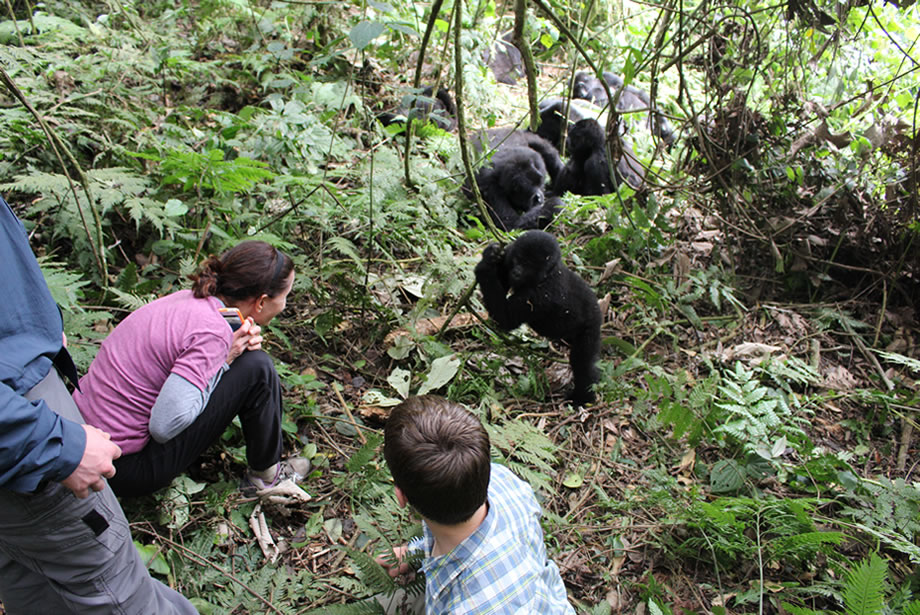
An in-depth comparison of Marine Safari vs Land Safari to help you choose the perfect safari experience. Explore the pros, cons, and key differences to make an
Marine Safari vs Land Safari
When it comes to marine safari vs land safari, there is no shortage of opinions. This evidence-based guide cuts through the noise to give you actionable, trustworthy information for your safari planning.
Expert Recommendations
Safari advisors consistently recommend starting your planning process at least six to twelve months before your intended travel dates. This lead time allows you to secure preferred accommodations, take advantage of early booking rates, and properly prepare for all aspects of marine safari vs land safari.
Budget considerations play an important role in marine safari vs land safari. While it is tempting to cut corners, experienced travelers consistently report that investing in quality where it matters most leads to significantly better outcomes. The key is knowing where to allocate your budget for maximum impact.
Working with a qualified safari planning guide can significantly improve your experience with marine safari vs land safari. Advisors who have personal experience in your chosen destinations can provide insights that no guidebook or website can match. They understand the subtle differences between properties, the best times to visit specific areas, and how to structure an itinerary that maximizes your time.
Still researching? Let us help.
Our advisory team has planned safaris across 9 African countries. We can turn your research into a real plan.
Talk to an AdvisorSafety and Health Considerations
Safety is paramount when it comes to marine safari vs land safari on safari. Reputable operators maintain strict safety protocols and employ experienced guides who are trained to handle a wide range of situations. Always verify that your chosen operator has proper licensing, insurance, and safety certifications.
Travel insurance that specifically covers safari activities is strongly recommended. Standard travel insurance policies may not cover all the activities and situations you might encounter on an African safari. Ensure your policy covers medical evacuation, trip cancellation, and activity-specific risks.
Practical Planning Steps: Marine Safari vs Land Safari
Step three is creating a detailed plan that accounts for all aspects of marine safari vs land safari. This should include timelines, budgets, backup options, and contingency plans. The most successful safari travelers are those who plan thoroughly while remaining flexible enough to adapt to changing conditions.
Step one in addressing marine safari vs land safari is to clearly define your priorities and expectations. Are you focused on specific wildlife sightings, cultural experiences, photography opportunities, or a combination? Your answer will shape every subsequent decision.
Step two involves researching your options thoroughly. Compare different destinations, operators, and approaches to marine safari vs land safari. Read reviews from verified travelers, consult with safari operators, and cross-reference information from multiple sources.
Regional Considerations Across Africa: Marine Safari vs Land Safari
Southern Africa presents a different landscape for marine safari vs land safari. Countries like Botswana, South Africa, Namibia, and Zimbabwe each have established infrastructure and practices that reflect their unique environments. The Okavango Delta, for instance, requires water-based considerations that land-based safaris in Kruger National Park do not.
East African safaris, particularly in Kenya and Tanzania, have their own distinct approach to marine safari vs land safari. The Serengeti-Mara ecosystem, which hosts the Great Migration, requires specific planning considerations that differ from destinations like Amboseli or Ngorongoro. Understanding these regional differences is crucial for optimizing your experience.
Done Reading? Let's Build Your Safari.
Skip the guesswork. Work with an advisor who has been on the ground across East and Southern Africa.
Plan With UsThe Marine Safari Experience: Beyond the Savannah
While a traditional land safari immerses you in the sights and sounds of the African bush, a marine safari plunges you into the vibrant world beneath the waves. Instead of a 4x4 vehicle, your vessel is a specialized boat or traditional dhow. The focus shifts from tracking lions in the grass to encountering giants of the deep. Activities include whale watching, shark cage diving, snorkeling over coral reefs, and swimming alongside gentle whale sharks. It’s an entirely different sensory experience, defined by the rhythm of the ocean, the taste of salt in the air, and the profound silence of the underwater world.
Premier Destinations for Marine Encounters
Africa’s extensive coastline offers world-class marine safari destinations. In South Africa, the Western Cape is famous for its “Marine Big Five” (whale, shark, dolphin, seal, and penguin). From June to November, the town of Hermanus offers the world’s best land-based whale watching for Southern Right Whales. For the more adventurous, Gansbaai is the global capital for ethical Great White Shark cage diving.
Further north, the Bazaruto Archipelago in Mozambique is a protected marine park with pristine coral reefs, offering incredible diving and snorkeling. It is one of the last remaining habitats for the rare Dugong. In Tanzania, Mafia Island is a world-renowned destination for swimming with whale sharks, typically from October to March, providing a life-changing encounter with the world’s largest fish.
Case Study: Combining Land and Sea in Tanzania
A popular and highly recommended itinerary involves combining a classic land safari with a coastal marine extension. For example, after a week exploring the Serengeti and Ngorongoro Crater, witnessing the Great Migration and tracking the Big Five, you can take a short flight from Arusha to Zanzibar or Mafia Island. Here, your days shift from early morning game drives to boat excursions. You might spend the morning snorkeling in the turquoise waters of the Mnemba Atoll, spotting dolphins and sea turtles, and the afternoon relaxing on a white-sand beach. This “bush-to-beach” approach provides a holistic view of Africa’s incredible biodiversity, contrasting the raw power of the savannah with the serene beauty of the Indian Ocean.
Related Resources
For more information on planning your safari, explore our destination guides, browse the safari operator directory, or connect with an experienced safari planning guide for personalized guidance.
Direct Comparison: Land vs. Marine Safari
To make the best decision for your travels, it helps to see a direct comparison of the key elements that define each safari type. While a combined "bush-to-beach" itinerary offers the best of both worlds, understanding their core differences is crucial for planning.
| Feature | Land Safari | Marine Safari | | ----------------------- | ------------------------------------------------------------------------------------------------------- | ----------------------------------------------------------------------------------------------------------- | | Primary Activities | Game drives in 4x4 vehicles, guided bush walks, bird watching, night drives. | Boat excursions, snorkeling, scuba diving, whale watching, shark cage diving, kayaking, dhow sailing. | | Key Wildlife | The "Big Five" (Lion, Leopard, Rhino, Elephant, Buffalo), giraffes, zebras, cheetahs, wildebeest. | The "Marine Big Five" (Whale, Shark, Dolphin, Seal, Penguin), sea turtles, manta rays, whale sharks, dugongs. | | Environment | Savannah plains, dense bushland, riverine forests, vast deserts, and volcanic craters. | Open ocean, coral reef ecosystems, remote islands, coastal lagoons, and mangrove forests. | | Accommodation Style | Tented camps (from basic to luxury), solid-walled lodges, mobile camps that follow migrations. | Beachfront lodges, island resorts, liveaboard boats, and coastal villas. | | Essential Gear | Neutral-colored clothing, binoculars, telephoto camera lens, sun hat, insect repellent. | Swimwear, reef-safe sunscreen, underwater camera (e.g., GoPro), wetsuit, polarized sunglasses. | | Best Seasonality | Often corresponds with the dry season (e.g., June-October in East Africa) for concentrated wildlife viewing. | Varies by location and target species, such as whale migration season (June-Nov in South Africa). |
Which Safari is Right for You? Real-World Scenarios
Choosing between a land or marine safari depends entirely on your personal travel goals, interests, and priorities. Here are a few scenarios to help you decide which path aligns best with your vision.
Scenario 1: The First-Time Family Adventure
A family is planning their first trip to Africa and wants to see the iconic animals they've only witnessed in documentaries. Their primary goal is to create lasting memories and introduce their children to the wonders of African wildlife in a safe and engaging way.
Recommendation: A classic land safari is the ideal choice. A destination like Tanzania’s Serengeti or South Africa’s Kruger National Park delivers the quintessential safari experience. The high density and diversity of large mammals—elephants, lions, giraffes, and zebras—provide constant excitement on game drives. Many lodges in these areas are family-friendly, offering swimming pools, educational programs for kids, and flexible meal options. For expert planning, connect with our safari operators who specialize in family travel.
Scenario 2: The Honeymoon Couple Seeking Adventure and Romance
A newly married couple is looking for a unique trip that combines thrilling wildlife encounters with exclusive, romantic experiences away from the crowds.
Recommendation: A "bush-to-beach" combination is perfect. They could start with a 4-day land safari at a luxury lodge in a private concession like the Sabi Sand Game Reserve in South Africa, known for incredible leopard sightings. Afterward, they can take a short flight to the Bazaruto Archipelago in Mozambique. Here, they can switch to a marine safari, staying at a secluded island resort. Days would be spent exploring pristine coral reefs, sailing on a traditional dhow at sunset, and enjoying private beach dinners. This itinerary blends the raw excitement of the bush with the serene beauty of the Indian Ocean.
Need Expert Safari Guidance?
Get expert advisory support from a firm founded by a former safari guide — with real operational knowledge across 9 African countries and full-journey accountability.
Related Planning Guides
Recommended Reading
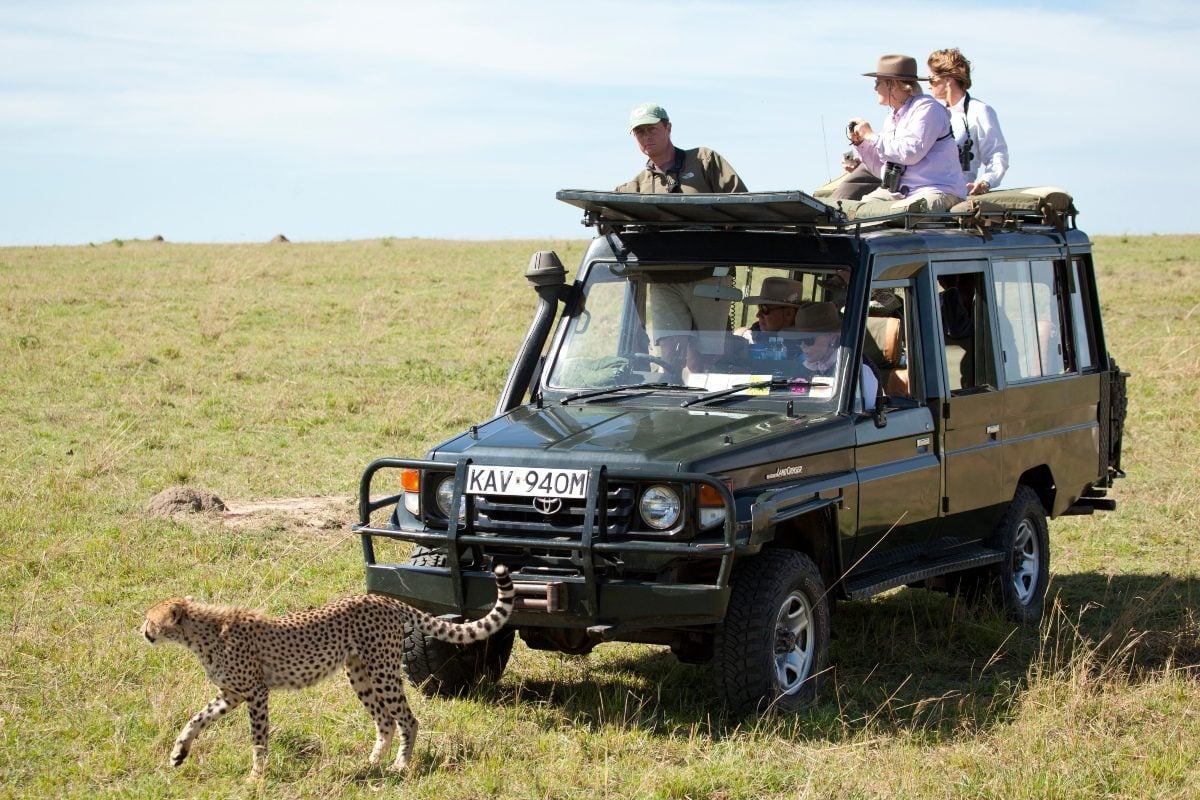 Safari Comparison Articles
Boat Safari vs Land Safari Comparison
An in-depth comparison of Boat Safari vs Land Safari Comparison to help you choose the perfect safari experience. Explore the pros, cons, and key differences to
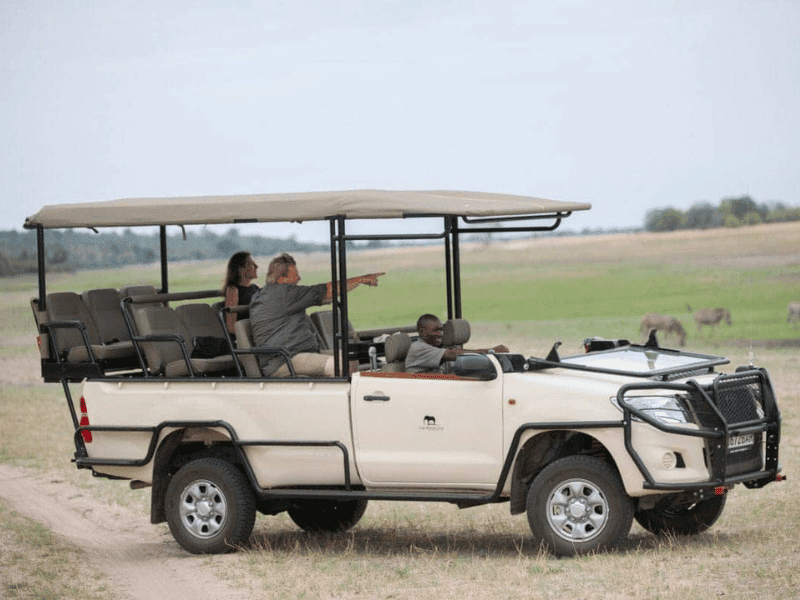 Safari Comparison Articles
Overland Safari vs Fly-In Safari
An in-depth comparison of Overland Safari vs Fly-In Safari to help you choose the perfect safari experience. Explore the pros, cons, and key differences to make
 Safari Comparison Articles
Island Safari vs Mainland Safari
An in-depth comparison of Island Safari vs Mainland Safari to help you choose the perfect safari experience. Explore the pros, cons, and key differences to make
 Safari Planning Guides
How to Plan a Safari for Marine Wildlife
Learn about how to plan a safari for marine wildlife in this comprehensive safari guide covering key insights and practical advice.
Additional Safari TopicsSafari Landscape Types
Discover the diverse safari landscape types, from savannas and deserts to wetlands and forests. Learn how each ecosystem shapes your African safari adventure.
 Safari Planning Guides
How to Plan a Safari for Wetland Wildlife
Learn about how to plan a safari for wetland wildlife in this comprehensive safari guide covering key insights and practical advice.