
Explore the unique safari experiences of Botswana: the water-based adventures of the Okavango Delta versus the classic game drives of its dry land reserves. This guide helps you decide.
Botswana: A Land of Contrasts
Botswana offers some of the most exclusive and pristine safari experiences in Africa. Its two primary safari environments, the water-logged Okavango Delta and the arid dry land reserves like Chobe and the Kalahari, provide vastly different but equally rewarding adventures. The Okavango Delta is a unique ecosystem where the desert meets a vast inland delta, creating a mosaic of channels, lagoons, and islands. The dry land reserves offer classic game drives in search of large herds and predators.
The Okavango Delta: A Water Wonderland
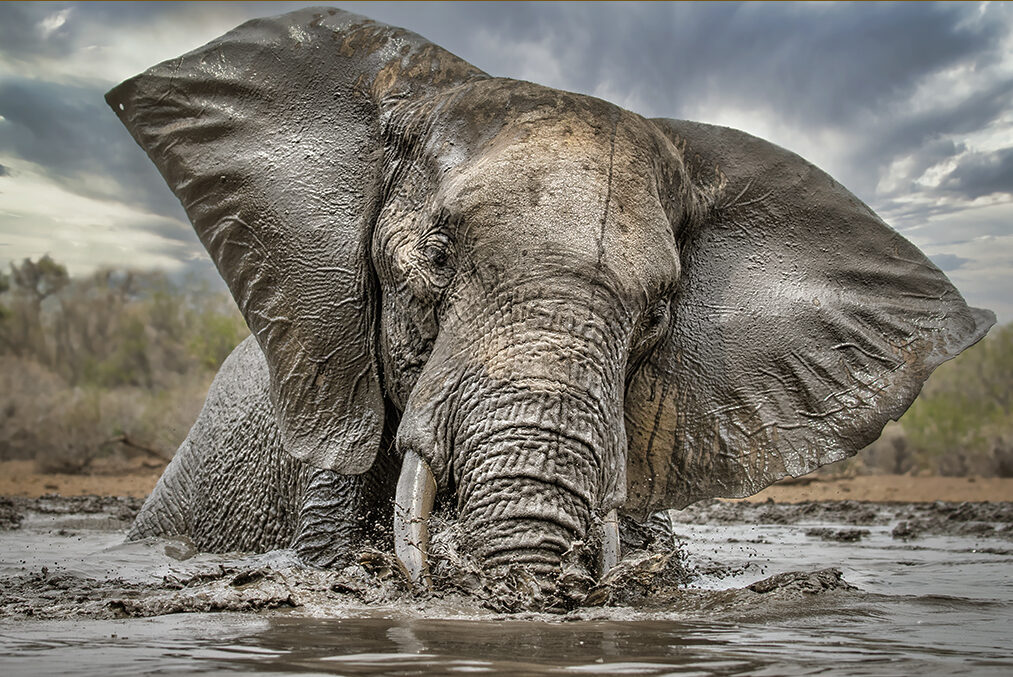
The Okavango Delta is the jewel in Botswana's crown, a UNESCO World Heritage Site and one of the most extraordinary wilderness areas on Earth. Here, the safari experience is defined by water. You'll glide through the channels in a traditional mokoro (dugout canoe), spotting tiny frogs and colorful birds. Motorboat safaris take you deeper into the delta, where you can see elephants swimming and hippos congregating. Many camps also offer walking safaris on the islands. The wildlife is abundant, but the experience is as much about the unique environment as it is about ticking off a list of animals. Our safari operators can help you navigate the complexities of planning a Delta safari.
Still researching? Let us help.
Our advisory team has planned safaris across 9 African countries. We can turn your research into a real plan.
Talk to an AdvisorDry Land Safaris: Classic Game Viewing
Botswana's dry land reserves, such as Chobe National Park and the Central Kalahari Game Reserve, offer a more traditional safari experience. Chobe is famous for having the largest concentration of elephants in Africa, and a boat cruise on the Chobe River is a must-do. The Savuti region of Chobe is known for its predator action, with frequent battles between lions and hyenas. The Central Kalahari, a vast and remote wilderness, offers a starkly beautiful landscape and the chance to see desert-adapted species like the black-maned Kalahari lion. Game drives are the primary activity in these areas, providing excellent opportunities for photography. Use our safari cost calculator to compare the costs of different Botswana itineraries.
Combining the Best of Both Worlds
Many visitors to Botswana choose to combine a stay in the Okavango Delta with a visit to a dry land reserve. This allows you to experience the full diversity of Botswana's landscapes and wildlife. For example, you could start with a few days in Chobe for incredible elephant sightings and then fly into the Delta for a water-based adventure. This combination provides a truly comprehensive and unforgettable Botswana safari. For more ideas on combining destinations, explore our knowledge center.
Which is Right for You?
- For a unique, water-based safari and a sense of tranquility: The Okavango Delta is unbeatable.
- For classic game drives and high concentrations of wildlife: Chobe and other dry land reserves are excellent choices.
- For the ultimate Botswana experience: Combine both the Delta and a dry land reserve.
Done Reading? Let's Build Your Safari.
Skip the guesswork. Work with an advisor who has been on the ground across East and Southern Africa.
Plan With UsA Deeper Dive into the Wildlife Experience
While both environments offer incredible wildlife viewing, the way you experience it differs dramatically. Understanding these nuances is key to aligning your safari with your expectations.
The Intimate Encounters of the Delta
In the Okavango Delta, the experience is often more intimate and serene. Gliding silently in a mokoro (traditional dugout canoe) brings you to eye-level with the smaller wonders of the ecosystem. You might spend an hour observing a malachite kingfisher darting for fish, or watch a painted reed frog clinging to a papyrus stalk. The focus shifts from the grand spectacle to the intricate details.
That’s not to say big game is absent. Elephants are frequently seen wading between islands, their massive forms surprisingly graceful in the water. Lechwe and waterbuck, antelope species specially adapted to wetlands, are common sights. Predator action is more elusive and often requires a boat-based safari or a game drive on a larger, drier island within a private concession. Here, you might find lions who have learned to hunt in the shallow waters—a unique behavior specific to this environment.
> Expert Insight: The Delta is a paradise for birdwatchers. With over 400 species, including the iconic Pel's Fishing Owl and the majestic African Fish Eagle, the water-based environment offers unparalleled avian encounters. Your guide will often be just as excited to spot a rare cormorant as a lion.
The Grand Spectacle of the Dry Lands
In contrast, the dry land reserves like Chobe National Park and the Savuti Marsh are all about scale and density. Game drives here offer the classic safari experience: open 4x4 vehicles traversing vast plains dotted with acacia trees. The sheer number of animals can be staggering.
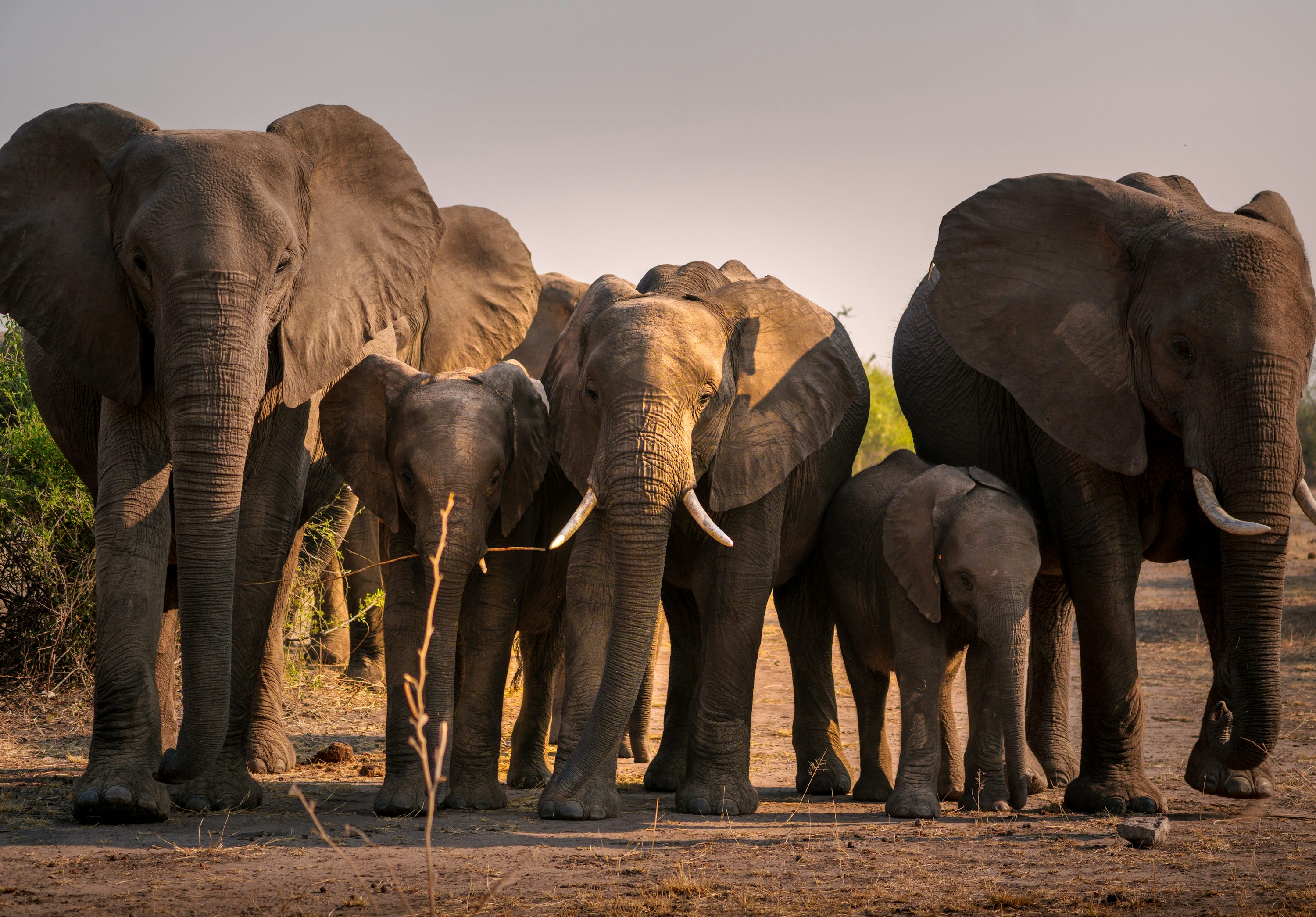
Chobe is world-famous for its enormous elephant herds, sometimes hundreds strong, especially during the dry season (May to October) when they congregate along the Chobe River. This is where you’ll witness dramatic interactions at the water's edge, as elephants, buffalo, and various antelope species compete for space and resources. The Savuti region is legendary for its predator dynamics, particularly the historic clashes between powerful lion prides and hyena clans. It’s a raw, unfiltered look at the circle of life.
Traveler's Tip: If your primary goal is to see large prides of lions, packs of wild dogs, or massive herds of buffalo, a dry land safari in areas like Savuti or the Linyanti Concession should be a priority in your itinerary. Ask one of our safari operators to help you choose the right camps for predator viewing.
Seasonal Rhythms: When to Visit Each Region
Botswana's safari experience is dictated by water, and the timing of your visit will profoundly impact what you see and do. The seasons are generally divided into the dry season (May-October) and the green season (November-April).
Dry Season (May - October): Peak Viewing in Dry Lands
This is the traditional peak safari season. In the dry land areas like Chobe and Savuti, the landscape dries out, and temporary water sources disappear. Wildlife is forced to congregate around permanent water sources like the Chobe River and the Savuti Channel. This concentration makes for spectacular and predictable game viewing. The vegetation is also thinner, making animals easier to spot.
In the Delta, this period coincides with the annual flood, when water from the Angolan highlands arrives, swelling the channels. This is the best time for water-based activities like mokoro trips and boating safaris. The irony is that Botswana's "wet" season in the Delta is during its national "dry" season.
- Pros: Excellent and easy wildlife viewing in dry areas; perfect conditions for water activities in the Delta.
- Cons: This is the most popular and expensive time to travel. Camps get booked up far in advance.
Green Season (November - April): A Time of Rebirth
The arrival of the summer rains transforms the dry, dusty landscapes into a lush, green paradise. This is the calving season for many antelope species, which in turn attracts predators. While the thicker vegetation can make wildlife harder to spot, the photography opportunities are stunning, with dramatic skies and vibrant colors.
In the dry land areas, wildlife disperses as water is plentiful everywhere. However, this is the best time to see the zebra and wildebeest migration in the Makgadikgadi Pans.
In the Delta, the floodwaters have receded, and the rains are localized. Some camps may close, and water activities can be restricted. However, prices are significantly lower, and you’ll encounter far fewer tourists.
> Expert Insight: The "shoulder seasons" (April-May and November) can offer a fantastic compromise, with good weather, decent wildlife viewing, and more competitive pricing. Use our cost calculator to compare seasonal pricing for your ideal trip.
Comparing Safari Activities and Costs
The type of safari you choose—Delta or dry land—will also dictate your daily activities and the overall cost of your trip.
| Feature | Okavango Delta | Dry Land Reserves (Chobe, Savuti) | | ------------------- | ---------------------------------------------------- | ------------------------------------------------------ | | Primary Activity| Mokoro safaris, boating, guided walks on islands | 4x4 game drives (morning and afternoon) | | Pacing | Generally slower, more serene, and focused on detail | More driven by distance, covering ground to find game | | Exclusivity | High, especially in private concessions | Can be crowded, particularly in public areas of Chobe | | Cost | Higher, due to logistical complexity and exclusivity | More varied, with more budget-friendly options available |
The Cost Factor: Why is the Delta More Expensive?
It's a common question for travelers planning a Botswana safari. The higher price point of the Delta comes down to a few key factors:
- Logistics: Everything in the Delta must be flown in, from staff and fuel to food and supplies. Most camps are accessible only by small charter planes, which adds a significant operational cost.
- Exclusivity: Many Delta camps are located in vast private concessions. These concessions limit the number of vehicles and guests, ensuring an exclusive and uncrowded experience. This exclusivity comes at a premium.
- Specialized Activities: Guided walks and mokoro safaris require highly trained and experienced guides, adding to the operational expenses.
Dry land reserves, while still offering incredible experiences, often have more accessible lodges and a higher density of visitors, which allows for a wider range of price points. However, for a truly exclusive experience in a dry land environment, the private concessions bordering the national parks (like Linyanti and Kwando) are comparable in cost to the Delta.
> Traveler's Tip: For a more budget-conscious way to experience both environments, consider a mobile camping safari. These safaris utilize private campsites in the national parks and offer a more rustic but equally thrilling adventure. It’s an excellent way to get the full Botswana experience without the high price tag of a luxury lodge. Ready to explore options? Plan your safari with our expert team.
Need Expert Safari Guidance?
Get expert advisory support from a firm founded by a former safari guide — with real operational knowledge across 9 African countries and full-journey accountability.
Related Planning Guides
Recommended Reading
 Safari Comparison Articles
Wetland Safari vs Dry Land Safari
An in-depth comparison of Wetland Safari vs Dry Land Safari to help you choose the perfect safari experience. Explore the pros, cons, and key differences to mak
 Safari Comparison Articles
Okavango Delta vs Serengeti – Safari Comparison
Learn about okavango delta vs serengeti – safari comparison in this comprehensive safari guide covering key insights and practical advice.
 Safari Comparison Articles
Guided Safari vs Self-Drive Safari in Botswana
An in-depth comparison of Guided Safari vs Self-Drive Safari in Botswana to help you choose the perfect safari experience. Explore the pros, cons, and key diffe
 Country Guides
Complete Safari Guide to Botswana
Your complete guide to Complete Safari Guide to Botswana. Find the best destinations, planning tips, and more for your next safari adventure.
 Country Guides
Botswana Safari Currency and Money Guide
A comprehensive guide to Botswana Safari Currency and Money Guide. Learn everything you need to know for your next safari adventure.
 Country Guides
Botswana Safari Food and Cuisine Guide
A comprehensive guide to Botswana Safari Food and Cuisine Guide. Learn everything you need to know for your next safari adventure.