
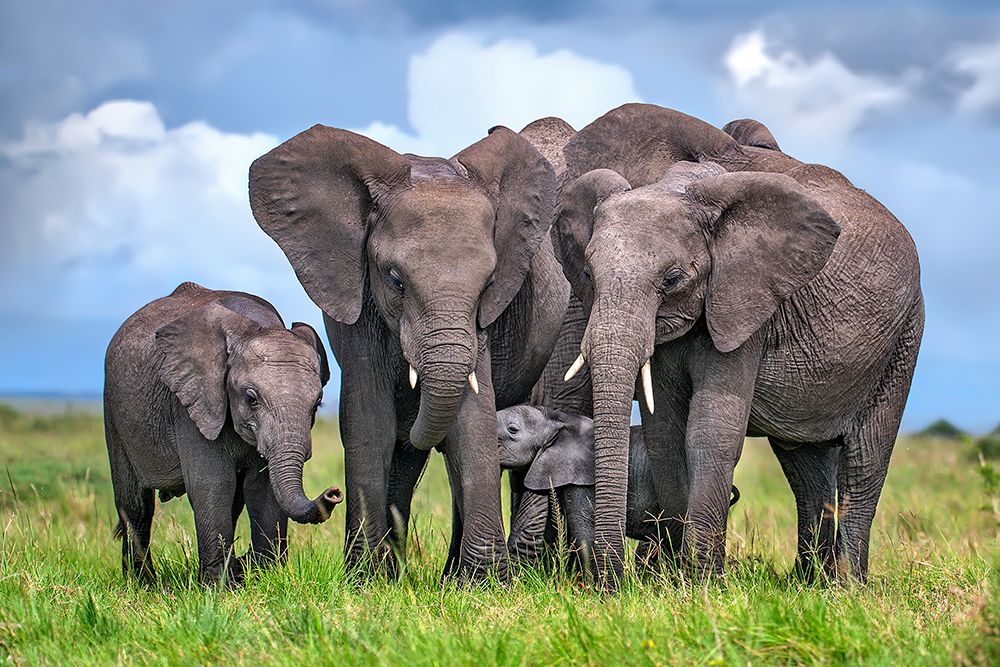
Learn about safari cost comparison dry season vs green season in this comprehensive safari guide covering key insights and practical advice.
Overview
Understanding the financial aspects of safari cost comparison dry season vs green season is essential for planning a safari that delivers exceptional value. Safari costs vary significantly based on destination, season, accommodation level, and the specific activities included. This guide breaks down the key cost factors and provides practical budgeting advice to help you plan wisely.
Detailed Analysis
A thorough analysis of safari cost comparison dry season vs green season reveals nuances that many travelers overlook during initial planning. The safari industry encompasses a wide range of options, from budget-friendly camping safaris to ultra-luxury private conservancy experiences. Each tier offers its own set of advantages and trade-offs. Working with experienced safari operators can help you navigate these options and find the sweet spot that matches your expectations and budget.
Still researching? Let us help.
Our advisory team has planned safaris across 9 African countries. We can turn your research into a real plan.
Talk to an AdvisorPractical Guidance
From a practical standpoint, safari cost comparison dry season vs green season requires attention to both the big picture and the fine details. Start by establishing your priorities and non-negotiables: what experiences are most important to you? What's your realistic budget range? Are there specific wildlife encounters or landscapes you're determined to see? Once you've clarified these fundamentals, use our cost calculator to model different scenarios and our operator directory to identify companies that specialize in your preferred type of experience.
Expert Insights
Industry professionals and experienced safari travelers consistently emphasize the importance of understanding safari cost comparison dry season vs green season before committing to a specific plan. The consensus among experts is that informed travelers not only have better experiences but also make more sustainable choices that benefit the destinations they visit. Our safari operators embody this philosophy, providing personalized guidance that goes well beyond generic travel advice.
Planning Your Next Steps
As you continue planning your African safari, keep the insights from safari cost comparison dry season vs green season in mind as valuable reference points. The more thoroughly you understand the various dimensions of safari travel, the better positioned you'll be to create an experience that exceeds your expectations. Explore our destinations, browse the knowledge center, and connect with our safari operators to take the next confident step in your journey.
Done Reading? Let's Build Your Safari.
Skip the guesswork. Work with an advisor who has been on the ground across East and Southern Africa.
Plan With UsA Deeper Dive into Seasonal Cost Nuances
While the general rule holds that green season travel is more affordable, a granular understanding of where these savings originate is essential for strategic safari planning. The cost differences are not uniform across all aspects of your trip; they are concentrated in specific areas, primarily accommodation and sometimes activities. Park fees, conservation levies, and taxes, on the other hand, typically remain constant throughout the year.
Cost Component Analysis: Dry vs. Green Season
| Cost Component | Dry Season (High Season) | Green Season (Low Season) | Expert Analysis | | :--- | :--- | :--- | :--- | | Accommodation | Peak rates, often 30-50% higher. | Significantly lower rates; many lodges offer "stay 4, pay 3" deals. | This is the largest source of savings. Lodges reduce rates to attract travelers during a quieter period. | | Park & Concession Fees | Generally fixed year-round. | Generally fixed year-round. | These fees are set by government bodies or conservancies and are not subject to seasonal fluctuation. | | Activities (e.g., Game Drives) | Included in accommodation rates, but private vehicle hire is expensive. | Included, with a higher chance of having the vehicle to yourself. | The per-person cost may not change, but the value increases with fewer guests. | | Specialized Activities | High demand for activities like gorilla trekking or specific walking safaris. | Better availability, but prices (e.g., gorilla permits) are often fixed. | Permit-based activities like gorilla trekking in Uganda or Rwanda have fixed annual pricing. | | International Flights | Higher due to general travel demand. | Can be significantly cheaper if booked in advance. | Flight prices are influenced by broader travel trends, not just safari seasons. |
> Expert Insight: The most significant savings in the green season come directly from the accommodation providers. A luxury lodge that costs $1,500 per person per night in August might drop to $900 in April. Over a week-long safari, this difference is substantial. Use our safari cost calculator to model these differences for your specific travel dates.
Destination-Specific Seasonal Cost Variations
The financial rhythm of the dry and green seasons manifests differently across Africa's diverse safari landscapes. Understanding these regional nuances is key to aligning your budget with your travel aspirations.
Tanzania: The Serengeti & Ngorongoro Crater
- Dry Season (June - October): This is prime time for the Great Migration river crossings in the Northern Serengeti. Demand is at its absolute peak, and lodges in the Kogatende and Lamai areas command premium rates. The Ngorongoro Crater, a year-round destination, also sees its highest visitor numbers and accommodation prices.
- Green Season (November - May): The short rains (Nov-Dec) and long rains (Apr-May) bring dramatic changes. The southern Serengeti plains are lush and teeming with newborn wildebeest, offering a different kind of spectacle. This is calving season, a magnet for predators. Accommodation in the Southern Serengeti (Ndutu) peaks briefly from January to March, but the shoulder months of April, May, and November offer exceptional value. Many travelers find the dramatic skies and vibrant landscapes of the green season to be more photogenic.
Kenya: The Maasai Mara
- Dry Season (July - October): Coinciding with the Great Migration's arrival in the Mara from the Serengeti, this is Kenya's busiest and most expensive period. The spectacle of the Mara River crossings creates immense demand for camps and lodges, particularly those in the Mara Triangle and surrounding private conservancies.
- Green Season (November - June): Outside of a brief Christmas peak, the green season offers a more tranquil and affordable Mara experience. The resident wildlife population is superb year-round, and the lush landscapes are a photographer's dream. This is the best time for birding enthusiasts, as migratory birds from Europe and Asia are present. You'll share the wilderness with far fewer vehicles, a luxury that cannot be overstated.
> Traveler's Tip: For a high-quality, crowd-free experience in Kenya, consider the private conservancies bordering the main Maasai Mara National Reserve during the green season. You'll find excellent guiding, off-road driving permissions, and night drives—activities not permitted in the national reserve—often at a fraction of the dry season cost. Connect with our safari operators to explore these exclusive options.
Botswana: The Okavango Delta & Chobe
- Dry Season (July - October): This is Botswana’s peak season, but for a different reason. As the dry season intensifies, water sources inland evaporate, and wildlife congregates in massive numbers along the permanent water channels of the Okavango Delta and the Chobe River. This concentration of game makes for spectacular and predictable viewing. Mokoro (dugout canoe) trips in the Delta are at their best. This is considered the best time to visit, and prices reflect this accordingly.
- Green Season (December - April): Often called the “secret season,” this period offers a completely different, yet equally compelling, Botswana. The landscape is transformed into a lush, green paradise. It’s the calving season for many antelope species, which in turn attracts predators. While game viewing can be more challenging due to thicker vegetation, the quality of sightings can be exceptional, with dramatic predator-prey interactions. It is a time of plenty, and the animals are in peak condition. For birders, this season is unparalleled.
Southern Africa: Zambia & Zimbabwe
- Dry Season (May - October): Known for its incredible walking safaris, Zambia’s South Luangwa National Park is at its best in the dry season. Animals gather around the shrinking Luangwa River. In Zimbabwe, Hwange National Park’s pumped waterholes become magnets for enormous herds of elephants. Victoria Falls is at its most dramatic at the beginning of this period (May-June) as the Zambezi River is still full from the summer rains.
- Green Season (November - April): This season is fantastic for photography, with vibrant colors and dramatic skies. Many camps in Zambia close due to access issues (the infamous “black cotton soil”), but those that remain open offer incredible value and a very exclusive experience. It’s a time of rejuvenation and new life across the ecosystem.
Making the Right Choice for Your Safari
Ultimately, the decision between a dry season and green season safari is not just about cost; it’s about aligning your priorities with what each season delivers best.
- Choose the Dry Season if: Your primary goal is to see the highest possible concentration of wildlife with maximum ease, you are focused on a specific event like the Mara River crossings, and budget is a secondary consideration.
- Choose the Green Season if: You are a budget-conscious traveler, a keen photographer, a birding enthusiast, or a repeat safari-goer who values exclusivity and seeing the bush in its most vibrant state. You appreciate a more holistic wilderness experience over sheer numbers of animals.
No matter which season you choose, a well-planned itinerary can deliver a life-changing experience. The key is to work with an expert who understands these nuances and can guide you toward the best destinations and lodges for your specific dates and interests. We encourage you to plan your safari with our team to ensure your journey is everything you dreamed it would be and more.
Need Expert Safari Guidance?
Get expert advisory support from a firm founded by a former safari guide — with real operational knowledge across 9 African countries and full-journey accountability.
Related Planning Guides
Recommended Reading
 Safari Comparison Articles
Dry Season vs Green Season Safari Comparison
Learn about dry season vs green season safari comparison in this comprehensive safari guide covering key insights and practical advice.
 Safari Cost Guides
Safari Cost Comparison Peak vs Shoulder Season
Learn about safari cost comparison peak vs shoulder season in this comprehensive safari guide covering key insights and practical advice.
 Safari Cost Guides
Why Dry Season Safaris Cost More
Learn about why dry season safaris cost more in this comprehensive safari guide covering key insights and practical advice.
 Safari Comparison Articles
Rainy Season Safari vs Dry Season Safari
An in-depth comparison of Rainy Season Safari vs Dry Season Safari to help you choose the perfect safari experience. Explore the pros, cons, and key differences
 Safari Planning Guides
How to Plan a Safari During the Green Season
Discover how to plan your dream safari with our expert guide on How to Plan a Safari During the Green Season. Get tips on destinations, costs, and more.
 Season & Timing Guides
Green Season Safari Advantages
Discover the many advantages of a Green Season safari, from lush landscapes and newborn animals to lower prices and fewer crowds.