
A comprehensive guide to Complete Guide to Vervet Monkey Behavior. Learn about its habitat, behavior, diet, and conservation status.
Complete Guide to Vervet Monkey Behavior
Africa offers some of the most incredible wildlife experiences on Earth, and getting complete guide to vervet monkey behavior right is essential to making the most of your journey. Here is what experienced safari guides and advisors recommend.
Practical Planning Steps
Step three is creating a detailed plan that accounts for all aspects of complete guide to vervet monkey behavior. This should include timelines, budgets, backup options, and contingency plans. The most successful safari travelers are those who plan thoroughly while remaining flexible enough to adapt to changing conditions.
Step one in addressing complete guide to vervet monkey behavior is to clearly define your priorities and expectations. Are you focused on specific wildlife sightings, cultural experiences, photography opportunities, or a combination? Your answer will shape every subsequent decision.
Step two involves researching your options thoroughly. Compare different destinations, operators, and approaches to complete guide to vervet monkey behavior. Read reviews from verified travelers, consult with safari operators, and cross-reference information from multiple sources.
Still researching? Let us help.
Our advisory team has planned safaris across 9 African countries. We can turn your research into a real plan.
Talk to an AdvisorRegional Considerations Across Africa: Complete Guide to Vervet Monkey Behavior
Central and West African destinations, including Uganda, Rwanda, and the Congo, offer specialized experiences like gorilla trekking that bring their own set of requirements. These destinations often involve more challenging terrain and different logistical considerations compared to the classic savanna safari.
Southern Africa presents a different landscape for complete guide to vervet monkey behavior. Countries like Botswana, South Africa, Namibia, and Zimbabwe each have established infrastructure and practices that reflect their unique environments. The Okavango Delta, for instance, requires water-based considerations that land-based safaris in Kruger National Park do not.
Safety and Health Considerations
Travel insurance that specifically covers safari activities is strongly recommended. Standard travel insurance policies may not cover all the activities and situations you might encounter on an African safari. Ensure your policy covers medical evacuation, trip cancellation, and activity-specific risks.
Health preparation is an essential component of complete guide to vervet monkey behavior. Consult with a travel medicine specialist at least six weeks before your departure to discuss vaccinations, malaria prophylaxis, and other health precautions specific to your destinations.
Safety is paramount when it comes to complete guide to vervet monkey behavior on safari. Reputable operators maintain strict safety protocols and employ experienced guides who are trained to handle a wide range of situations. Always verify that your chosen operator has proper licensing, insurance, and safety certifications.
Common Mistakes to Avoid
One of the most frequent mistakes travelers make with complete guide to vervet monkey behavior is waiting too long to start planning. Popular safari destinations and lodges book up months in advance, especially during peak season. Last-minute planning often results in limited options and higher costs.
Another common error is relying solely on online reviews without consulting experienced professionals. While traveler reviews provide valuable perspectives, they often lack the context and expertise that a qualified safari planning guide can offer. The best approach combines both sources of information.
Done Reading? Let's Build Your Safari.
Skip the guesswork. Work with an advisor who has been on the ground across East and Southern Africa.
Plan With UsRelated Resources
For more information on planning your safari, explore our destination guides, browse the safari operator directory, or connect with an experienced safari planning guide for personalized guidance.
The Intricacies of Vervet Communication
Vervet monkeys have one of the most sophisticated communication systems in the non-human primate world, a subject that has fascinated researchers for decades. Their vocalizations go beyond simple grunts and cries; they are a form of semantic communication, where different sounds correspond to specific threats. This is most famously demonstrated in their distinct alarm calls for different types of predators.
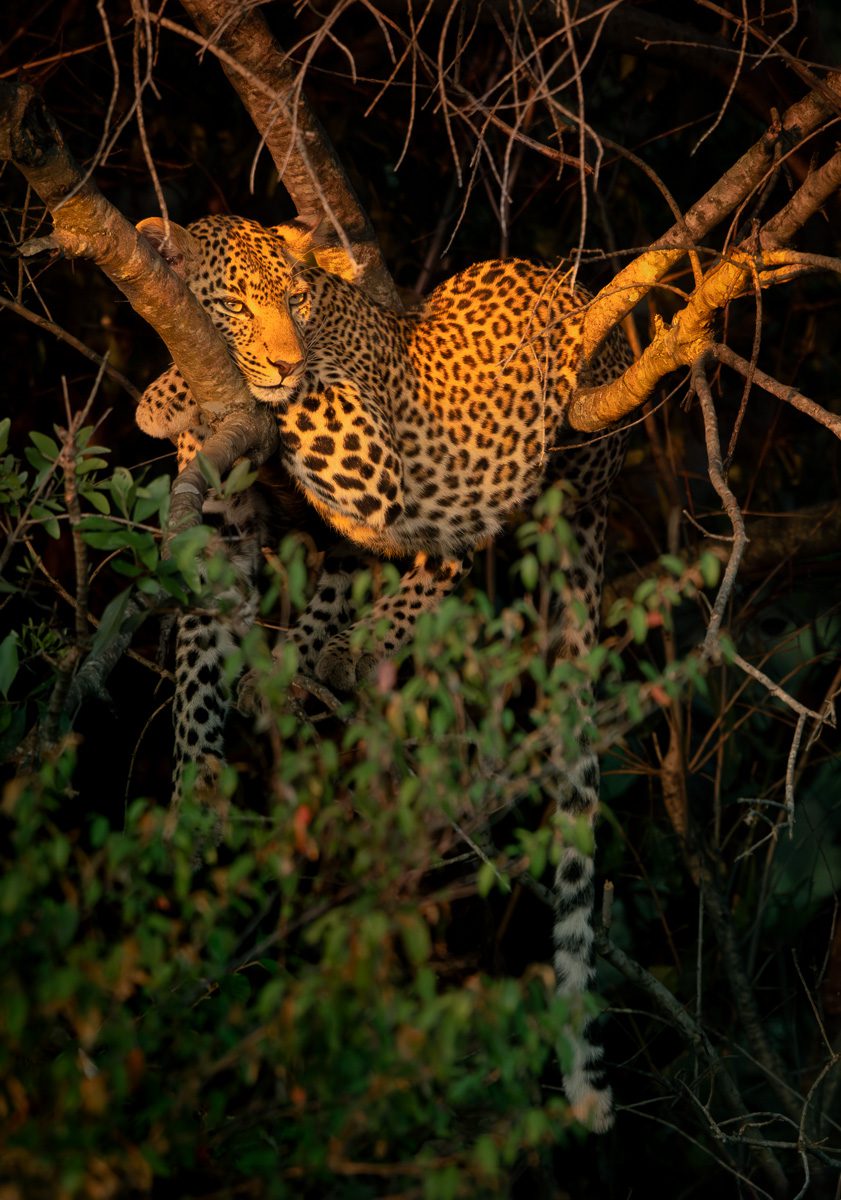
- The Leopard Call: A loud, barking call signals the presence of a terrestrial predator like a leopard or caracal. Upon hearing this, vervets will immediately scramble up the nearest tree to escape the ground-level threat.
- The Eagle Call: A short, double-syllable cough is used to warn of an aerial predator, such as a martial eagle. The response is to look up and dive into the dense cover of a bush or the lower branches of a tree, away from the open sky.
- The Snake Call: A soft, chuttering sound indicates a snake, often a python or cobra, is nearby. In this case, the monkeys will stand on their hind legs and scan the grass, locating the snake to keep a safe distance.
This complex system is not entirely innate; young vervets learn to refine both the production of these calls and the appropriate responses by observing the adults in their troop. It’s a remarkable example of social learning in the wild.
> Expert Insight: When you're on safari, pay close attention to the behavior of vervet monkeys. Their sudden alarm calls can be the first sign that a major predator is in the vicinity. Your guide will often pause when they hear these calls, using the monkeys as an extra set of eyes and ears to locate more elusive wildlife.
Social Structure: A Complex Matrilineal Society
Vervet society is organized into multi-male, multi-female troops that can range from 10 to over 50 individuals. The core of the group is a stable, matrilineal hierarchy of related females. A female’s rank is inherited from her mother and is generally stable throughout her life. This rank dictates her priority access to food, water, and grooming partners.
Males, on the other hand, have a more fluid social life. They typically disperse from their natal troop upon reaching sexual maturity to find a new group to join. A male's rank within a new troop is not inherited and must be established through competition and building alliances. High-ranking males have better access to receptive females during the mating season.
Social bonding is crucial for troop cohesion and is primarily maintained through grooming. This activity is not just for hygiene; it reinforces social bonds, resolves conflicts, and provides comfort. You will often see vervets sitting in pairs or small groups, meticulously picking through each other's fur. Females tend to groom their relatives and other high-ranking individuals, while males will groom females to build favor and gain mating opportunities.
Foraging, Diet, and Human-Wildlife Conflict
Vervet monkeys are highly adaptable omnivores with a varied diet that shifts with the seasons and habitat. Their primary food sources include wild fruits, flowers, seeds, and leaves. However, they are also known to eat insects, eggs, and even small reptiles or rodents when the opportunity arises. This dietary flexibility is a key reason for their widespread success across sub-Saharan Africa.
Their intelligence and adaptability, however, also bring them into frequent conflict with humans. In agricultural areas, they can become crop-raiders, and around safari lodges and campsites, they are notorious for their opportunistic thievery. A tent left unzipped or a plate of food left unattended is an open invitation.
> Traveler's Tip: While it can be amusing to watch a vervet monkey make off with a biscuit, it's crucial not to feed them. Human food is unhealthy for them and encourages dependency and aggressive behavior, which can ultimately lead to the animals being harmed or removed by park management. Always secure your food and belongings when in areas with habituated vervets. For more on responsible travel, visit our knowledge center.
Reproduction and Alloparenting
Vervets have a distinct breeding season, which typically coincides with the rainy season when food is most abundant. After a gestation period of about five and a half months, a female gives birth to a single infant. The baby is born with dark fur and a pink face, a stark contrast to the adults' grey-green coats.
One of the most fascinating aspects of vervet society is the practice of alloparenting, or “aunt-like” behavior. Young, subordinate females are intensely interested in the newborns and will eagerly assist the mother in carrying and grooming the infant. This provides the young females with valuable mothering practice and frees up the mother to forage more efficiently. The entire troop is protective of its youngest members, and the sight of a tiny vervet clinging to its mother's belly is a highlight of any safari.
If you're interested in seeing this behavior firsthand, our safari operators can help you plan your safari to destinations like the Serengeti or Kruger National Park during the vervet birthing season.
Need Expert Safari Guidance?
Get expert advisory support from a firm founded by a former safari guide — with real operational knowledge across 9 African countries and full-journey accountability.
Related Planning Guides
Explore Related Topics
Recommended Reading
 Wildlife Guides
Complete Guide to African Lion Behavior
Delve into the complex social structure, hunting techniques, and communication methods of the African lion. Understand the king of the savanna with this in-depth guide.
 Wildlife Guides
Complete Guide to Spotted Hyena Behavior
Learn all about Complete Guide to Spotted Hyena Behavior in this comprehensive guide. Discover the best time to go, what to see, and how to plan your trip.
 Wildlife Guides
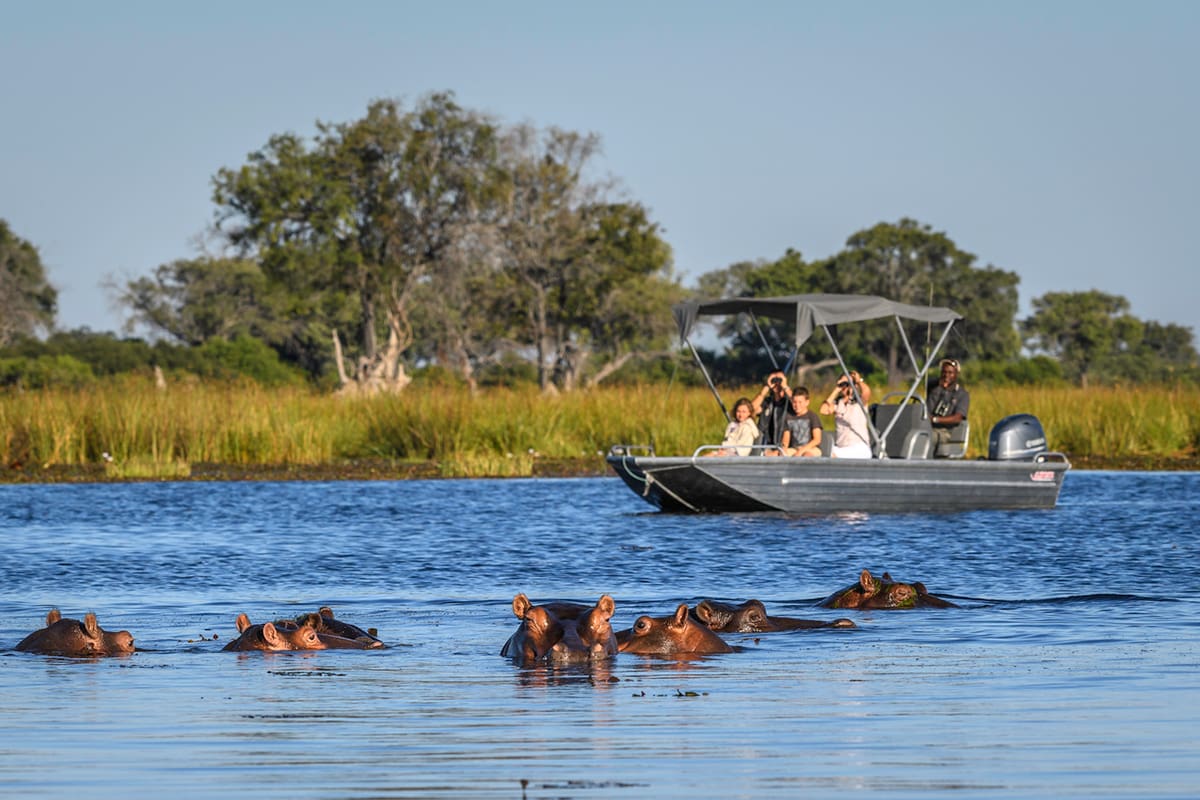
Complete Guide to White Rhinoceros Behavior
Learn all about Complete Guide to White Rhinoceros Behavior in this comprehensive guide. Discover the best time to go, what to see, and how to plan your trip.
 Destination Guides
Complete Guide to Table Mountain National Park
A complete guide to Complete Guide to Table Mountain National Park. Learn about the wildlife, activities, and best time to visit this amazing destination.
 Destination Guides
Complete Guide to Garden Route Safari Options
A complete guide to Complete Guide to Garden Route Safari Options. Learn about the wildlife, activities, and best time to visit this amazing destination.
 Destination Guides
Complete Guide to Sabi Sands Game Reserve
A complete guide to Complete Guide to Sabi Sands Game Reserve. Learn about the wildlife, activities, and best time to visit this amazing destination.