
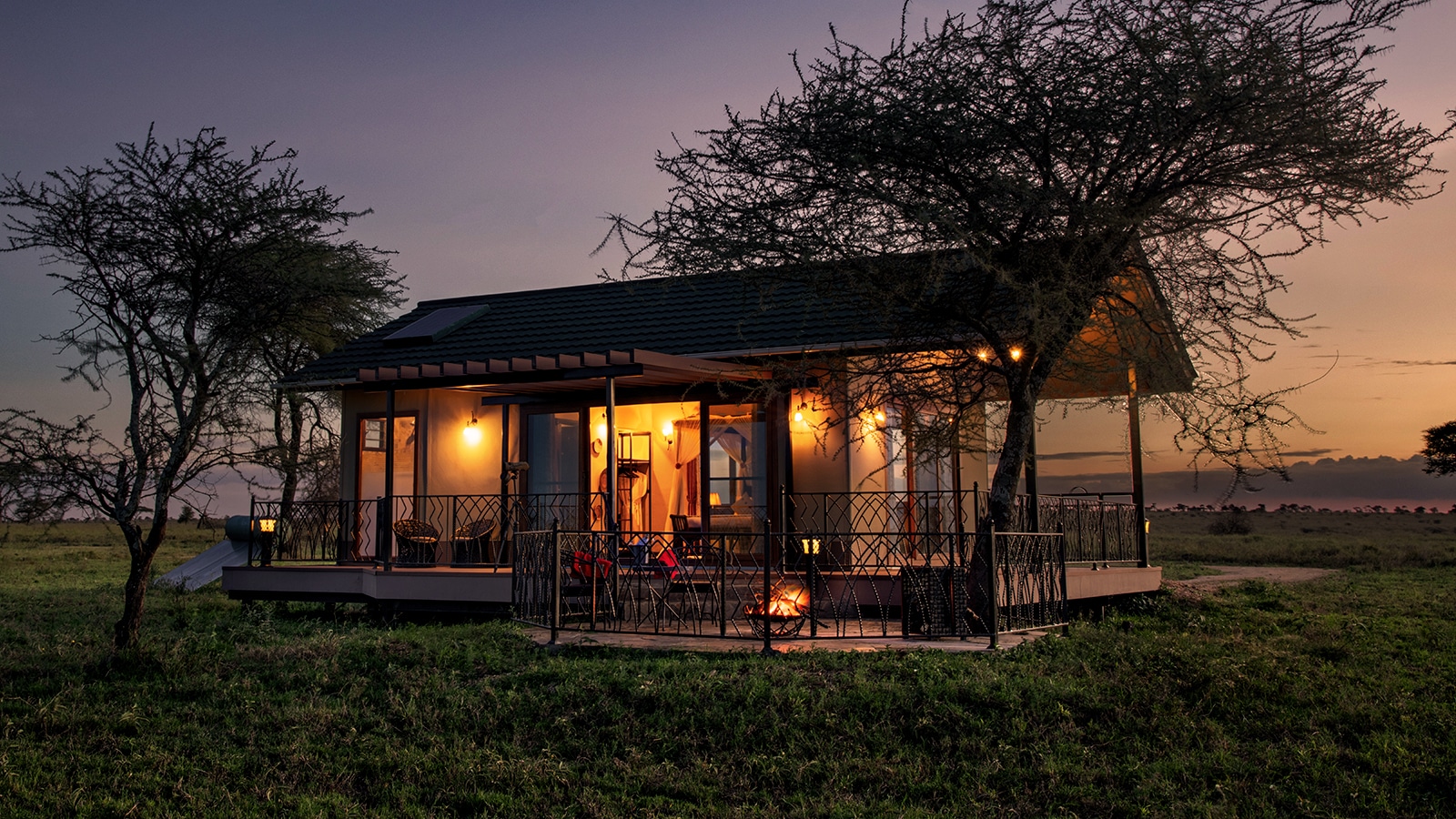
Master African safari weather with our expert guide. Learn about climate zones, wet vs. dry seasons, and what to pack for the perfect safari adventure.
Africa's weather is one of the most misunderstood aspects of safari planning. Many travelers imagine a continent that is perpetually hot and sunny, but the reality is far more complex. From the cool, misty highlands of Rwanda to the arid deserts of Namibia, Africa's climate is incredibly diverse and variable. Understanding the weather patterns of your chosen safari destination is not just a minor detail—it is fundamental to a successful and enjoyable trip. The weather will influence everything from wildlife behavior and visibility to packing choices and daily activities.
This guide is designed to demystify African safari weather. We will explore the continent's climate zones, break down the distinct wet and dry seasons, and provide practical advice on what to expect and how to pack. By the end, you will have the knowledge to plan your safari around the weather, ensuring you are in the right place at the right time with the right gear.
Understanding Africa's Climate Zones
Africa is a vast continent, and its weather is far from uniform. The climate varies significantly depending on your proximity to the equator, altitude, and coastal influences. For safari travelers, the continent can be broadly divided into two major climate regions: Equatorial East Africa and the seasonal climates of Southern Africa.
Equatorial East Africa (Kenya, Tanzania, Uganda, Rwanda)
Countries near the equator, such as Kenya, Tanzania, Uganda, and Rwanda, do not experience the four distinct seasons (spring, summer, autumn, winter) that travelers from the northern hemisphere are used to. Instead, their climate is defined by two primary seasons: the long dry season and the long wet season, with shorter, less intense periods of rain in between. Temperatures in this region are relatively consistent year-round, with variations determined more by altitude than by the time of year. For example, the Ngorongoro Crater highlands in Tanzania can be cool in the evenings, while the lower-lying plains of the Serengeti are warmer.
Southern Africa (South Africa, Botswana, Namibia, Zambia, Zimbabwe)
Southern Africa experiences more distinct seasons. Winter (May to October) is cool and dry, offering excellent wildlife viewing conditions. This is the most popular time for safaris in countries like Botswana, Namibia, Zambia, and Zimbabwe. Summer (November to April) is the wet season, characterized by hotter temperatures, higher humidity, and afternoon thunderstorms. While some areas become inaccessible, this season brings lush green landscapes and is a fantastic time for birdwatching as migratory birds arrive.
The Two Main Seasons: Dry vs. Wet
Nearly all major safari destinations have a distinct dry season and a wet season. Each offers a unique experience with its own set of advantages and disadvantages. The best season for your safari depends entirely on your priorities.
The Dry Season: Peak Wildlife Viewing
The dry season is overwhelmingly the most popular time for a safari, and for good reason. As seasonal water sources dry up, animals are forced to congregate around permanent rivers, waterholes, and lakes, making them much easier to find. The vegetation is also thinner, which improves visibility and allows you to spot wildlife from a greater distance. In most safari countries, the dry season runs from roughly June to October.
Advantages of the Dry Season:
- Concentrated Wildlife: Easier to spot animals around water sources.
- Better Visibility: Thinner bush makes it easier to see through the landscape.
- Pleasant Weather: Days are typically sunny and mild with very little rain.
- Fewer Mosquitoes: The dry conditions mean fewer insects.
The Wet Season: Lush Landscapes and Lower Prices
The wet season, often called the "green season," transforms the landscape into a vibrant, emerald paradise. This period, generally from November to April, is when the rains arrive, replenishing water sources and triggering the birth of many young animals. While wildlife can be more dispersed, the scenery is breathtaking, and it is the best time for birdwatching.
Advantages of the Wet Season:
- Stunning Scenery: The bush is lush, green, and photogenic.
- Fewer Crowds: You will often have sightings to yourself.
- Lower Prices: Many lodges and camps offer reduced rates.
- Baby Animals: This is the primary birthing season for many herbivores.
Still researching? Let us help.
Our advisory team has planned safaris across 9 African countries. We can turn your research into a real plan.
Talk to an AdvisorMonth-by-Month Weather Guide for Popular Safari Countries
Weather patterns can vary, but this general guide provides an overview of what to expect in Africa's most popular safari regions.
Tanzania & Kenya
These East African neighbors share similar weather patterns. The long dry season from June to October is peak safari time. The Great Migration is in the Serengeti and Maasai Mara, and wildlife is abundant. The short rains arrive in November and December, followed by a short dry spell in January and February. The long rains fall from March to May, and many camps close during this period.
Botswana & Namibia
Botswana and Namibia in Southern Africa have a dry winter season from May to October, which is the best time for wildlife viewing in places like the Okavango Delta and Etosha National Park. The summer wet season from November to April can be hot and humid, but it brings dramatic thunderstorms and is excellent for photography.
South Africa
South Africa's climate is more varied. The Greater Kruger National Park area follows the typical Southern African pattern: a dry, mild winter from May to October and a hot, wet summer from November to April. In contrast, Cape Town has a Mediterranean climate with hot, dry summers and cool, wet winters.
Uganda & Rwanda
Due to their equatorial location and high altitude, Uganda and Rwanda have a temperate climate. Gorilla trekking is possible year-round, but the best times are during the two dry seasons: December to February and June to September. The trails are drier and less slippery during these months.
Packing for Safari Weather: A Practical Guide
Packing the right clothing is crucial for comfort and enjoyment on safari. The key is to prepare for a wide range of temperatures, from chilly early mornings to hot afternoons.
Layering is Key
The most important packing rule for any safari is to bring layers. Early morning game drives can be surprisingly cold, even in the dry season. You will want a warm fleece or jacket to start the day. As the sun climbs higher, you can shed layers to stay comfortable in the midday heat. In the evening, temperatures drop again, so you will need that warm layer once more.
Essential Items for Sun and Rain
Regardless of the season, you will need protection from the African sun. A wide-brimmed hat, sunglasses, and high-SPF sunscreen are non-negotiable. Even on overcast days, the UV index can be high. If you are traveling during the wet season, a lightweight, waterproof rain jacket is essential. It can also double as a windbreaker on cool mornings.
Footwear and Accessories
Comfortable, closed-toe shoes are a must. For most safaris, a sturdy pair of walking shoes or trail runners is sufficient. If you plan on doing extensive walking safaris, you may want to bring lightweight hiking boots. Remember to pack neutral-colored clothing (khaki, olive, brown) to blend in with the environment and avoid bright colors, which can startle wildlife.
How Weather Impacts Safari Activities
Weather conditions can directly affect your daily safari schedule and the types of activities available.
Game Drives
Game drives are the cornerstone of most safaris and operate in almost all weather. In the dry season, the drives often focus on riverbeds and waterholes. During the wet season, some roads may become impassable, and your guide will need to navigate carefully. However, the rain rarely lasts all day, and afternoon thunderstorms can create dramatic skies for photography.
Walking Safaris and Gorilla Treks
Walking safaris and gorilla trekking are more weather-dependent. Heavy rain can make trails slippery and challenging. While these activities still run in the rain, the experience is generally more pleasant in dry conditions. Your guide will always prioritize your safety and may alter plans if the weather becomes severe.
Hot Air Balloon Safaris
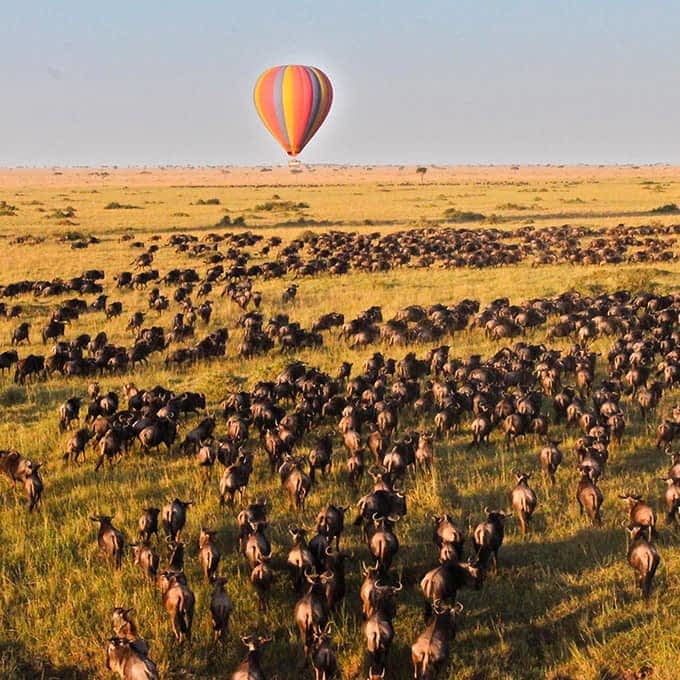
Hot air balloon safaris, a popular activity in destinations like the Serengeti and Maasai Mara, are highly sensitive to weather. They require calm, stable air and will be canceled in high winds or rain. It is always best to book your balloon safari for one of your first mornings in a location to allow for rescheduling in case of bad weather.
In conclusion, while you cannot control the weather, you can plan for it. By understanding the seasonal patterns of your destination and packing accordingly, you can ensure a comfortable and rewarding safari adventure. Embrace the dynamic nature of Africa's climate, and you will be rewarded with incredible experiences, no matter the season.
Need Expert Safari Guidance?
Get expert advisory support from a firm founded by a former safari guide — with real operational knowledge across 9 African countries and full-journey accountability.
Related Planning Guides
Explore Related Topics
Recommended Reading
 Safari Travel Tips
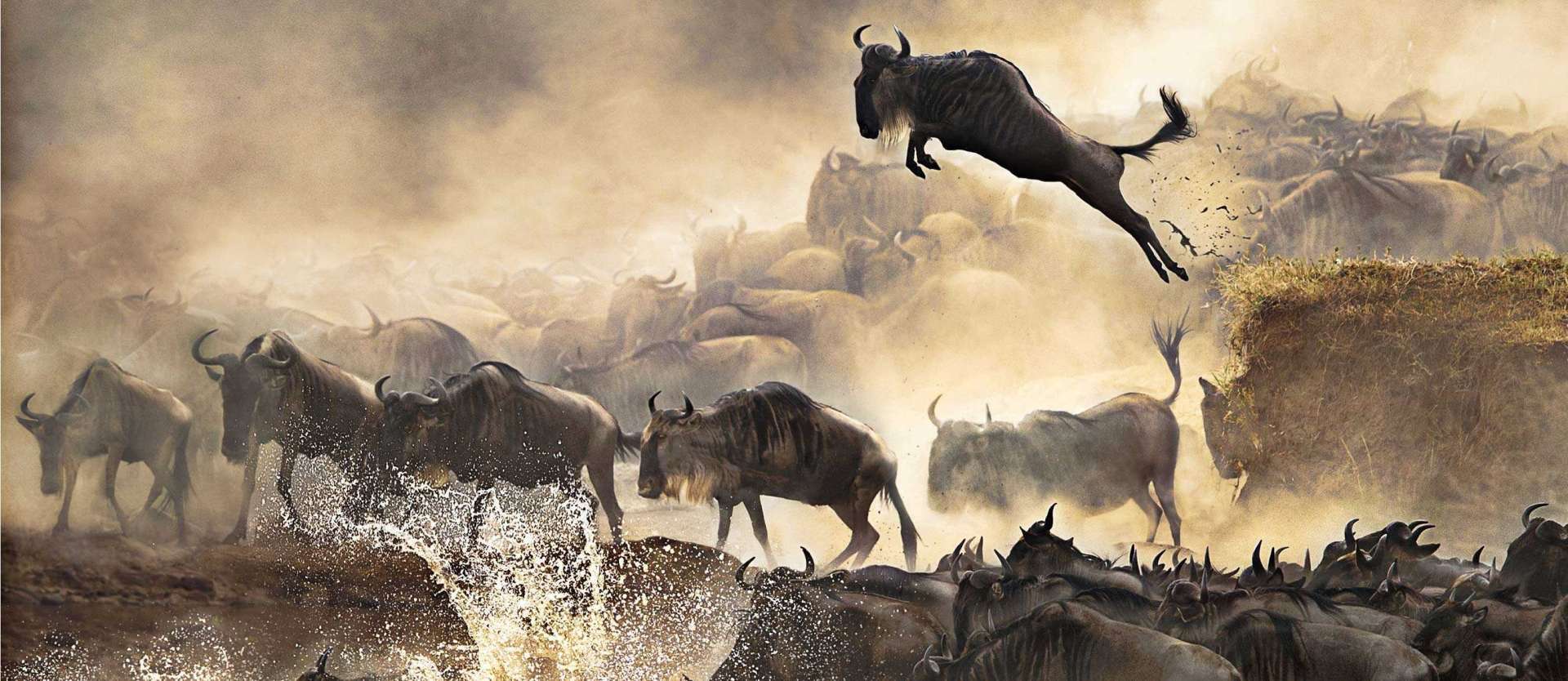
Safari Photography Tips
Master your safari photography with our expert tips on cameras, lenses, settings, and composition. Learn how to capture stunning wildlife photos in Africa.
 Safari Travel Tips
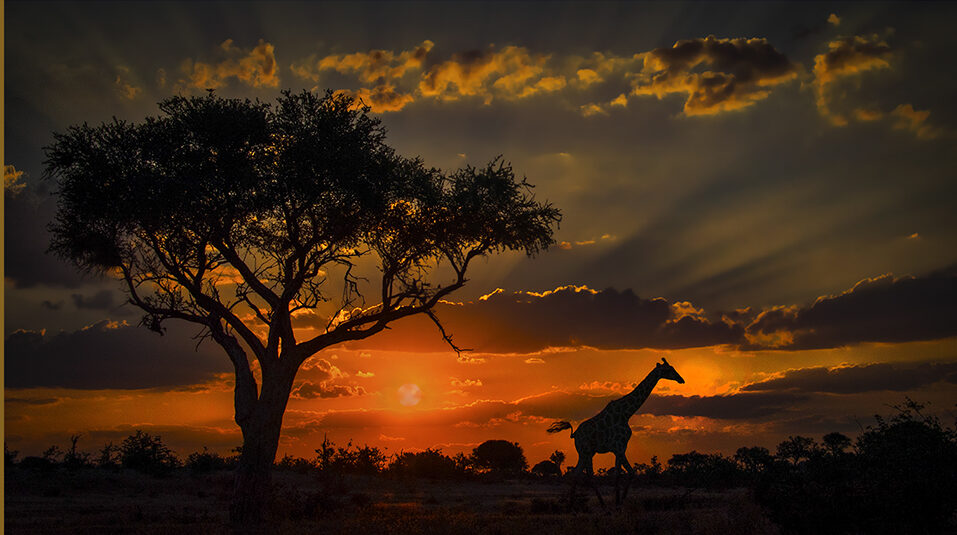
Safari Luggage Tips
Master the art of safari packing with our expert guide. Learn what to bring, what to leave behind, and why soft-sided luggage is essential for your African adventure.
 Safari Travel Tips
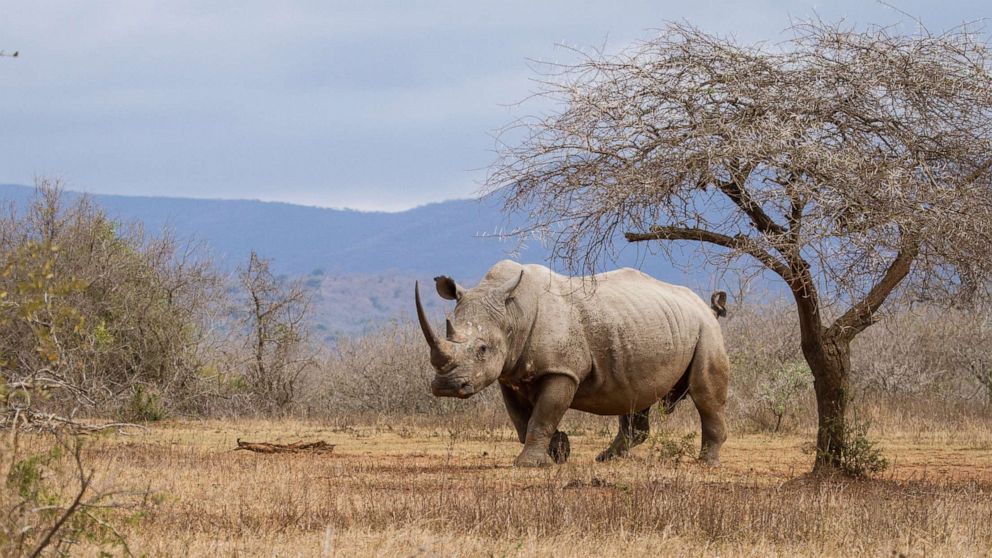
Travel Health Tips for Safari
Planning a safari? Our expert guide to travel health covers essential vaccinations, malaria prevention, and food safety tips to ensure a safe and healthy adventure.
 Safari Planning
Safari Itinerary Planning Tips
Learn how to plan the perfect African safari itinerary with our expert tips on choosing destinations, balancing travel time, and finding the best time to go.
 Season & Timing Guides
Safari Weather Patterns in East Africa
Discover the distinct weather patterns of East Africa to plan your safari adventure. Learn about the long and short rainy seasons and the best times for wildlife viewing.
 Season & Timing Guides
Safari Weather Patterns in Southern Africa
Explore the diverse weather patterns of Southern Africa, from the dry winters to the wet summers, and learn how they impact safari activities and wildlife sightings.