
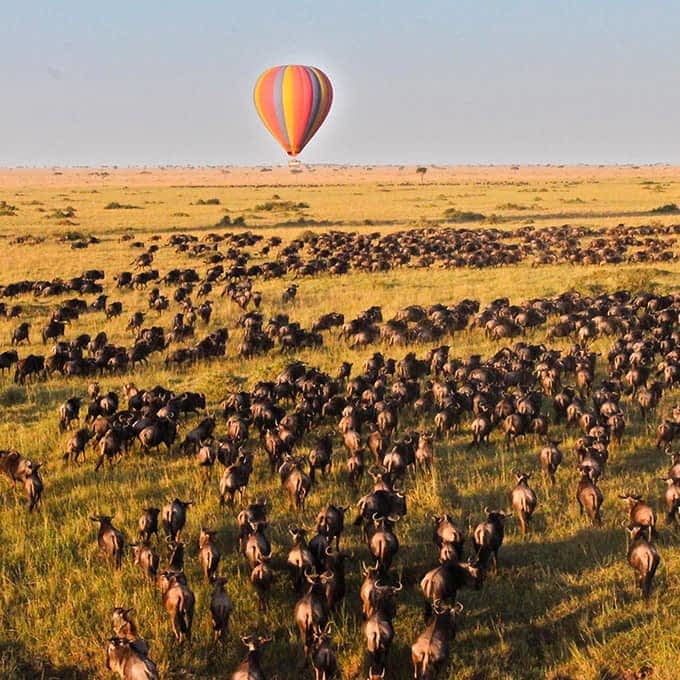
Discover the distinct weather patterns of East Africa to plan your safari adventure. Learn about the long and short rainy seasons and the best times for wildlife viewing.
Understanding East Africa's Climate
East Africa experiences a tropical climate with distinct wet and dry seasons, which significantly influence safari experiences. The region, encompassing countries like Kenya, Tanzania, Uganda, and Rwanda, has two rainy seasons: the long rains from March to May and the short rains from November to December. Understanding these patterns is crucial for planning your trip. For more detailed information on specific destinations, visit our destinations page.
The Long Rains: March to May
The long rains bring heavy downpours, transforming the landscape into a lush, green paradise. While this period offers stunning scenery and fewer crowds, it can present challenges for wildlife viewing as animals are dispersed and some roads may become impassable. However, it's an excellent time for birdwatching and photography. Our safari operators can help you navigate the pros and cons of traveling during this season.
Still researching? Let us help.
Our advisory team has planned safaris across 9 African countries. We can turn your research into a real plan.
Talk to an AdvisorThe Dry Season: June to October
This is the most popular time for safaris in East Africa. The weather is generally dry and sunny, and wildlife congregates around water sources, making for excellent game viewing. The Great Migration in the Serengeti and Masai Mara is a major highlight during this period. To get an idea of the costs associated with a safari during this peak season, check out our cost calculator.
The Short Rains: November to December
The short rains are less intense than the long rains, with afternoon showers that are usually brief. This season offers a good balance of pleasant weather, vibrant landscapes, and good wildlife viewing opportunities. It's a great time to visit if you want to avoid the peak season crowds. For more tips and information, explore our knowledge center.
Weather's Impact on Specific Safari Activities
Beyond general game viewing, weather patterns directly influence specialized safari activities. During the long rains from March to May, for instance, muddy tracks in Tanzania's Serengeti or Kenya's Masai Mara can make off-road game drives challenging. While expert guides navigate these conditions in well-equipped 4x4 vehicles, some routes may become temporarily inaccessible. This is a practical travel consideration, as it can limit access to certain remote areas of a park, although main routes are typically passable.
Conversely, walking safaris, particularly in destinations like Zambia's South Luangwa National Park or Tanzania's Ruaha National Park, are best undertaken during the dry season (June to October). The reduced vegetation improves visibility of wildlife and the dry, firm ground makes for safer and more comfortable walking. For primate trekking in Uganda's Bwindi Impenetrable Forest or Rwanda's Volcanoes National Park, the dry season is also highly recommended. Although rain is possible year-round in these high-altitude rainforests, the trails are significantly less slippery and muddy, making the strenuous trek to see mountain gorillas or chimpanzees more manageable and enjoyable.
Done Reading? Let's Build Your Safari.
Skip the guesswork. Work with an advisor who has been on the ground across East and Southern Africa.
Plan With UsMicroclimates and Regional Variations
It is also crucial for travelers to recognize that East Africa's vast geography creates significant microclimates. The general weather patterns serve as an excellent guide, but local altitude and topography cause notable variations. For example, the Ngorongoro Highlands in Tanzania maintain a much cooler, temperate climate compared to the surrounding Serengeti plains. Morning game drives in the Ngorongoro Crater often require warm jackets and fleeces, as temperatures can drop significantly overnight, even during the peak dry season.
Similarly, the Kenyan coast, including popular beach destinations like Diani and Malindi, experiences a hot and humid climate year-round, which is quite different from the cooler, drier air of the inland safari circuits. While the coast also has its rainy seasons, the persistent humidity is a key factor for travelers to consider when planning a combined 'bush and beach' itinerary. Understanding these regional nuances is essential for packing appropriately and setting the right expectations for the diverse conditions you may encounter on a single trip.
Weather's Influence on Safari Costs and Lodge Availability
The distinct weather patterns in East Africa do more than just dictate wildlife behavior; they are a primary driver of safari pricing and the availability of accommodations. The peak dry season, from June to October, aligns with high demand from North American and European summer holidays, leading to premium pricing at most camps and lodges. For instance, a stay at a premier property like Angama Mara in Kenya or the Four Seasons Safari Lodge Serengeti in Tanzania can cost upwards of $2,000 per person per night during this period. Booking 9-12 months in advance is often necessary to secure a spot. Our safari operators can provide tailored recommendations and help secure bookings.
Conversely, the long rains from March to May represent the 'low' or 'green' season, which brings significantly reduced rates—often 30-50% lower than peak season. Some lodges even close for annual maintenance during April and May. This season can be a boon for budget-conscious travelers, offering lush landscapes and fewer vehicles on game drives. For example, a lodge that charges $1,000 per night in August might offer the same room for $600 in April. However, travelers must be prepared for potential disruptions from rain. The short rains in November and early December offer a middle ground, with shoulder season rates and a mix of sunny skies and afternoon showers.
Country-Specific Weather Dynamics for Safari Planning
While East Africa shares broad climatic patterns, each country presents unique variations that are critical for itinerary planning. Understanding these nuances ensures your safari is optimized for the best possible experience.
Kenya: The Classic Safari Climate
Kenya's safari circuit, including the Masai Mara, Amboseli, and Samburu, adheres closely to the classic dry and wet season model. The dry season (June to October) is ideal for witnessing the Great Migration's dramatic river crossings in the Masai Mara. Temperatures are pleasant, with daytime highs around 77°F (25°C). The short rains (November-December) bring new life to the plains, and the long rains (March-May) create a verdant, if muddy, landscape. For travelers visiting the Laikipia Plateau, which has a higher elevation, nights can be quite cool year-round, requiring warmer layers even in the dry season. For more in-depth information, see our Kenya destination guide.
Tanzania: A Tale of Two Circuits
Tanzania's weather is best understood by its two main safari circuits. The Northern Circuit (Serengeti, Ngorongoro Crater, Tarangire) follows a pattern similar to Kenya. The dry season from June to October offers phenomenal wildlife viewing in the Serengeti as animals congregate near the Grumeti and Mara Rivers. The calving season from January to February in the southern Ndutu region of the Serengeti is another prime time, falling between the two rainy seasons. In contrast, the Southern Circuit (Ruaha, Nyerere National Park) has a more distinct wet and dry season, with the rains running from November to April. Many camps in the south close entirely during the peak of the wet season, making the dry months from June to October the only practical time to visit.
Uganda and Rwanda: Equatorial Rainforest Climate
Uganda and Rwanda's weather is dominated by their proximity to the equator and high-altitude rainforests. While they also have two dry seasons (December-February and June-September), rain can be expected at any time. These periods are simply drier, not completely dry. For gorilla and chimpanzee trekking in Bwindi Impenetrable Forest or Volcanoes National Park, the drier months are strongly recommended as hiking trails are steep and can become extremely slippery and challenging after a downpour. Temperatures are stable year-round, but the high altitude means evenings are cool, and waterproof gear is essential regardless of when you travel. Consulting our operator directory can help you find guides specialized in primate trekking.
Need Expert Safari Guidance?
Get expert advisory support from a firm founded by a former safari guide — with real operational knowledge across 9 African countries and full-journey accountability.
Related Planning Guides
Recommended Reading
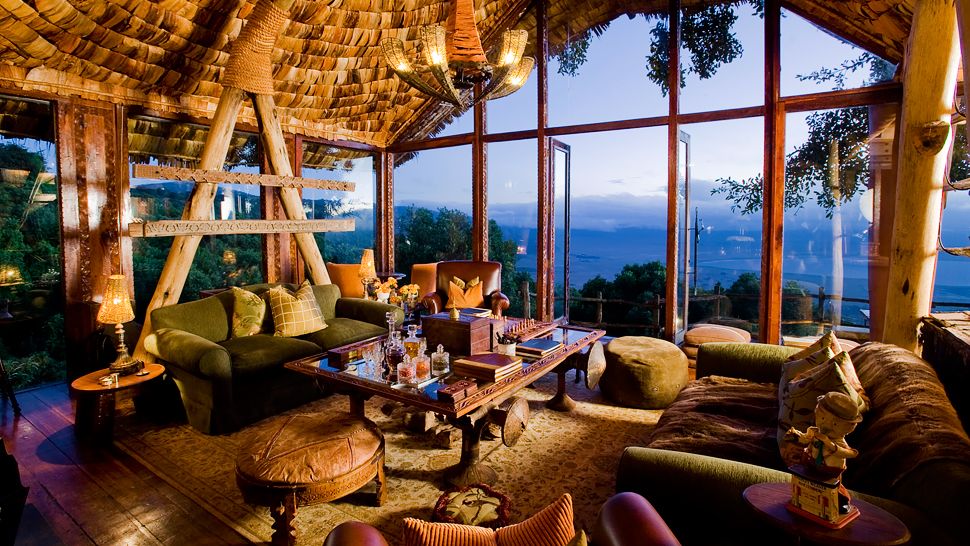 Season & Timing Guides
Safari Weather Patterns in Southern Africa
Explore the diverse weather patterns of Southern Africa, from the dry winters to the wet summers, and learn how they impact safari activities and wildlife sightings.
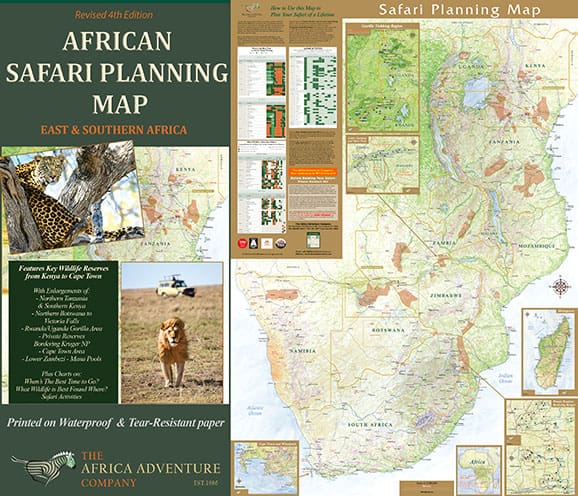 Season & Timing Guides
Safari Weather Patterns in Central Africa
Delve into the equatorial climate of Central Africa, characterized by high humidity and consistent rainfall, and understand its impact on gorilla trekking and rainforest safaris.
 Safari Cost Guides
Safari Cost Comparison East Africa vs Southern Africa
Learn about safari cost comparison east africa vs southern africa in this comprehensive safari guide covering key insights and practical advice.
 Safari Comparison Articles
East Africa vs Southern Africa Safari Comparison
Learn about east africa vs southern africa safari comparison in this comprehensive safari guide covering key insights and practical advice.
 Safari Planning Guides
How to Plan a 10-Day Safari Across East Africa
Discover how to plan your dream safari with our expert guide on How to Plan a 10-Day Safari Across East Africa. Get tips on destinations, costs, and more.
 Safari Planning Guides
How to Plan a Multi-Country Safari in East Africa
Discover how to plan your dream safari with our expert guide on How to Plan a Multi-Country Safari in East Africa. Get tips on destinations, costs, and more.