
Explore the diverse weather patterns of Southern Africa, from the dry winters to the wet summers, and learn how they impact safari activities and wildlife sightings.
Southern Africa's Seasonal Variations
Southern Africa, including countries like South Africa, Botswana, Namibia, Zambia, and Zimbabwe, has a climate that is generally opposite to East Africa. The dry season runs from May to October, while the wet season is from November to April. These variations create different opportunities for safari-goers. Our destinations guide provides more in-depth information on each country.
The Dry Season (Winter): May to October
This is the prime time for wildlife viewing in Southern Africa. The weather is cool and dry, and the lack of rain means that vegetation is sparse, making it easier to spot animals. Wildlife gathers around permanent waterholes, offering incredible game viewing experiences, especially in places like the Okavango Delta and Kruger National Park. Plan your budget for a trip during this popular season with our cost calculator.
Still researching? Let us help.
Our advisory team has planned safaris across 9 African countries. We can turn your research into a real plan.
Talk to an AdvisorThe Wet Season (Summer): November to April
The wet season brings afternoon thunderstorms and transforms the landscape into a vibrant, green spectacle. This is the birthing season for many animals, and the abundance of migratory birds makes it a paradise for birdwatchers. While some areas may be inaccessible, the 'Green Season' offers unique photographic opportunities and lower prices. Our safari operators can provide expert advice on planning a wet season safari.
Regional Climate Differences
It's important to note that Southern Africa has diverse microclimates. The coastal regions of South Africa have a Mediterranean climate, while the deserts of Namibia have arid conditions year-round. Understanding these regional differences is key to a successful safari. For more educational content, browse our knowledge center.
Botswana: A Land of Delta and Desert
Botswana's climate is dominated by two distinct ecosystems: the Okavango Delta and the Kalahari Desert. Understanding their interplay is crucial for planning a safari. The country experiences a clear wet season (November to March) and dry season (April to October).
During the dry season, the Okavango Delta floods with water flowing down from the Angolan highlands, creating a unique paradox of a flooded landscape during the driest time of the year. This is when wildlife congregates around the permanent water sources of the delta, making for spectacular game viewing. The days are warm and sunny, and the nights are cool. This is the peak safari season, and you can expect higher costs and more visitors. For a detailed cost breakdown, you can use our cost calculator.
Conversely, the wet season, often called the "Green Season," brings dramatic afternoon thunderstorms that transform the Kalahari into a lush, green landscape. This is the breeding season for many animals, and you'll see an abundance of young. Migratory birds flock to the region, making it a birdwatcher's paradise. While some lodges close during this time, those that remain open offer lower prices and a more intimate experience.
> Expert Insight: For a unique experience, consider a mobile safari in the Kalahari during the Green Season. The landscape is at its most beautiful, and you'll witness the dramatic spectacle of the zebra migration, second only to the Great Migration in East Africa.
Done Reading? Let's Build Your Safari.
Skip the guesswork. Work with an advisor who has been on the ground across East and Southern Africa.
Plan With UsZambia & Zimbabwe: The Smoke that Thunders
Zambia and Zimbabwe share similar weather patterns, heavily influenced by the Zambezi River and Victoria Falls. The dry season (May to October) is the best time for traditional walking safaris in parks like South Luangwa National Park in Zambia and Hwange National Park in Zimbabwe. The vegetation is sparse, making it easier to spot wildlife. The temperatures are pleasant, although it can get quite hot in October.
Victoria Falls is at its most spectacular from March to May, after the summer rains, when the volume of water is at its peak. However, the sheer volume of spray can obscure the view. For better photographic opportunities, consider visiting during the dry season when the water levels are lower.
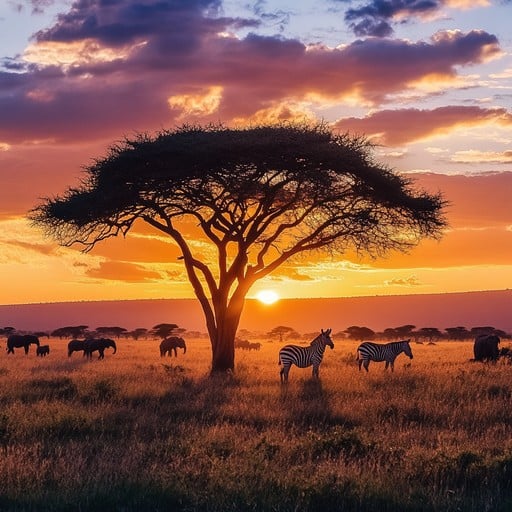
> Traveler's Tip: If you're an avid photographer, the 'golden hour' light during the dry season in Hwange National Park is legendary. The dust in the air creates a soft, diffused light that is perfect for capturing stunning wildlife images.
Namibia: A Desert of Contrasts
Namibia's climate is predominantly arid, but it still has distinct seasons. The dry season (May to October) is the most popular time to visit. The days are warm and sunny, and the nights can be surprisingly cold, especially in the desert. This is the best time for game viewing in Etosha National Park, as animals congregate around the waterholes.
The wet season (November to April) brings afternoon showers, which can make some gravel roads challenging to navigate. However, this is the best time for birdwatching and for seeing the desert in bloom. The landscape is transformed, and the air is clear of dust.
> Expert Insight: For a truly off-the-beaten-path experience, consider visiting the remote Kaokoveld region in the northwest of Namibia during the shoulder season (April-May or October-November). This is the best time to track desert-adapted elephants and rhinos.
The Shoulder Season: A Sweet Spot for Safari
The shoulder season, the period between the peak and off-peak seasons, can be an excellent time to travel. In Southern Africa, this typically falls in April, May, and November. During this time, you can often enjoy the benefits of both seasons: pleasant weather, good game viewing, and lower prices.
The shoulder season is a great time to visit for those who want to avoid the crowds of the peak season but are wary of the rains of the wet season. It's a time of transition, and you can witness the landscape changing from dry to green or vice versa. For personalized advice on the best time to travel, our safari operators are always available to help.
Planning Your Safari Around the Weather
Ultimately, the best time to go on safari depends on your personal preferences and what you want to see and do. Here are a few things to consider:
- Wildlife Viewing: The dry season is generally the best time for wildlife viewing, as animals are easier to spot.
- Birdwatching: The wet season is the best time for birdwatching, as migratory birds are present.
- Photography: The wet season offers dramatic skies and lush landscapes, while the dry season offers classic golden light.
- Budget: The wet season and shoulder seasons are more budget-friendly.
No matter when you choose to travel, a safari in Southern Africa is an unforgettable experience. To start planning your dream trip, plan your safari with us today. For more in-depth articles and guides, be sure to visit our knowledge center.
Need Expert Safari Guidance?
Get expert advisory support from a firm founded by a former safari guide — with real operational knowledge across 9 African countries and full-journey accountability.
Related Planning Guides
Recommended Reading
 Season & Timing Guides
Safari Weather Patterns in East Africa
Discover the distinct weather patterns of East Africa to plan your safari adventure. Learn about the long and short rainy seasons and the best times for wildlife viewing.
 Season & Timing Guides
Safari Weather Patterns in Central Africa
Delve into the equatorial climate of Central Africa, characterized by high humidity and consistent rainfall, and understand its impact on gorilla trekking and rainforest safaris.
 Season & Timing Guides
Best Time to Visit South Africa for Safari
Expert guide on best time to visit south africa for safari with month-by-month conditions, pricing, and planning recommendations for safari travelers.
 Safari Cost Guides
Safari Cost Comparison East Africa vs Southern Africa
Learn about safari cost comparison east africa vs southern africa in this comprehensive safari guide covering key insights and practical advice.
 Safari Comparison Articles
East Africa vs Southern Africa Safari Comparison
Learn about east africa vs southern africa safari comparison in this comprehensive safari guide covering key insights and practical advice.
 Safari Comparison Articles
Guided Safari vs Self-Drive Safari in South Africa
An in-depth comparison of Guided Safari vs Self-Drive Safari in South Africa to help you choose the perfect safari experience. Explore the pros, cons, and key d