
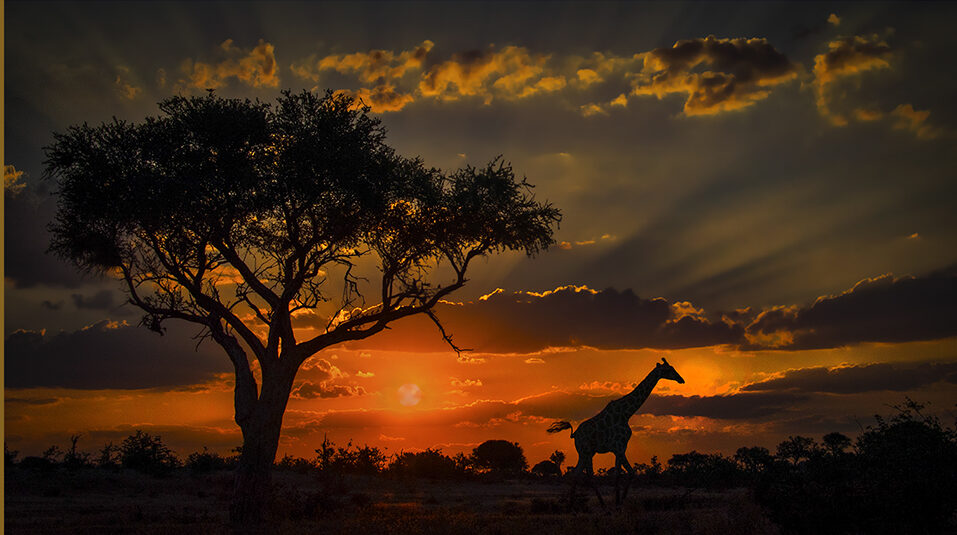
Master the art of safari packing with our expert guide. Learn what to bring, what to leave behind, and why soft-sided luggage is essential for your African adventure.
Packing for an African safari is a unique challenge. Unlike a typical vacation, a safari often involves travel to remote locations, with transfers on small aircraft that have strict luggage limitations. Thoughtful packing is not just a suggestion; it is a necessity for a smooth and enjoyable safari experience. The right safari luggage and contents will ensure you are comfortable, prepared, and able to focus on the incredible wildlife and landscapes without being weighed down by unnecessary items. This guide provides practical, experience-based advice to help you pack smartly for your upcoming African adventure.
Understanding Luggage Restrictions on Safari
The most critical aspect of safari luggage is understanding and adhering to the restrictions, which are primarily dictated by the use of light aircraft for transfers between national parks and remote lodges. These "bush flights" are an integral part of many safari itineraries, especially in destinations like Botswana's Okavango Delta, Tanzania's Serengeti, or Kenya's Maasai Mara.
Soft-Sided Bags are Essential
Light aircraft have small, irregular-shaped cargo holds, which is why soft-sided duffel bags are a mandatory requirement. Unlike rigid or hard-shell suitcases, soft bags can be easily manipulated and fitted into tight spaces. When choosing your bag, look for a durable, water-resistant duffel bag without wheels or a rigid frame, as these add unnecessary weight and bulk. The standard luggage allowance on these flights is typically between 15 and 20 kilograms (33 to 44 pounds) per person, including both your main bag and your carry-on daypack. This limit is strictly enforced for safety reasons, as the aircraft must operate within specific weight parameters.
Major Airlines vs. Bush Flights
It is important to distinguish between the luggage allowance for your international flight and the much stricter limitations on internal safari flights. While your international airline might permit a heavier checked bag, you will need to pack based on the bush flight restrictions. Some travelers opt to leave a larger suitcase with non-essential items at a hotel in a gateway city like Nairobi or Arusha, collecting it at the end of their safari. This is a practical solution if your itinerary begins and ends in the same location. Always confirm the specific luggage policy with your safari operator or the regional airline, such as SafariLink in Kenya or Coastal Aviation in Tanzania, as requirements can vary slightly.
What to Pack in Your Main Safari Bag
With limited space and weight, every item in your main safari bag should be carefully considered. The key is to pack lightweight, versatile, and functional items that can be layered to adapt to changing weather conditions.
Clothing: Lightweight & Layered
Neutral-colored clothing is the cornerstone of a safari wardrobe. Colors like khaki, green, brown, and beige help you blend in with the natural environment, which is important for not disturbing wildlife on game drives or walking safaris. It is advisable to avoid bright colors, which can startle animals, and white, which stands out and gets dirty quickly. Dark blue and black are also discouraged in some areas, as they can attract tsetse flies. Camouflage patterns are prohibited in many African countries for civilian use, so these should be left at home.
Layering is essential for comfort, as temperatures can fluctuate significantly. Early morning game drives can be quite cool, while midday can be hot. A typical day might require a t-shirt, a long-sleeved shirt for sun protection, a fleece jacket for warmth, and a lightweight waterproof jacket in case of rain. A mix of comfortable trousers and shorts will serve you well for different activities and times of day.
Footwear: Comfort is Key
Your choice of footwear will depend on the activities included in your safari. For most travelers, a pair of comfortable, closed-toe walking shoes, such as trail runners or light hiking boots, is sufficient for game drives and occasional walks around the lodge. If your itinerary includes more strenuous activities like gorilla trekking in Uganda's Bwindi Impenetrable Forest or extensive walking safaris in Zambia, then sturdy, waterproof hiking boots with good ankle support are recommended. It is also a good idea to pack a pair of sandals or flip-flops for relaxing at the lodge in the evenings.
Still researching? Let us help.
Our advisory team has planned safaris across 9 African countries. We can turn your research into a real plan.
Talk to an AdvisorPacking Your Safari Daypack
Your daypack is your go-to bag for game drives and daily excursions, and it should contain all the essentials you need to have readily accessible. This bag counts toward your total weight allowance, so it should be lightweight and just large enough to hold your key items.
Essentials for Game Drives
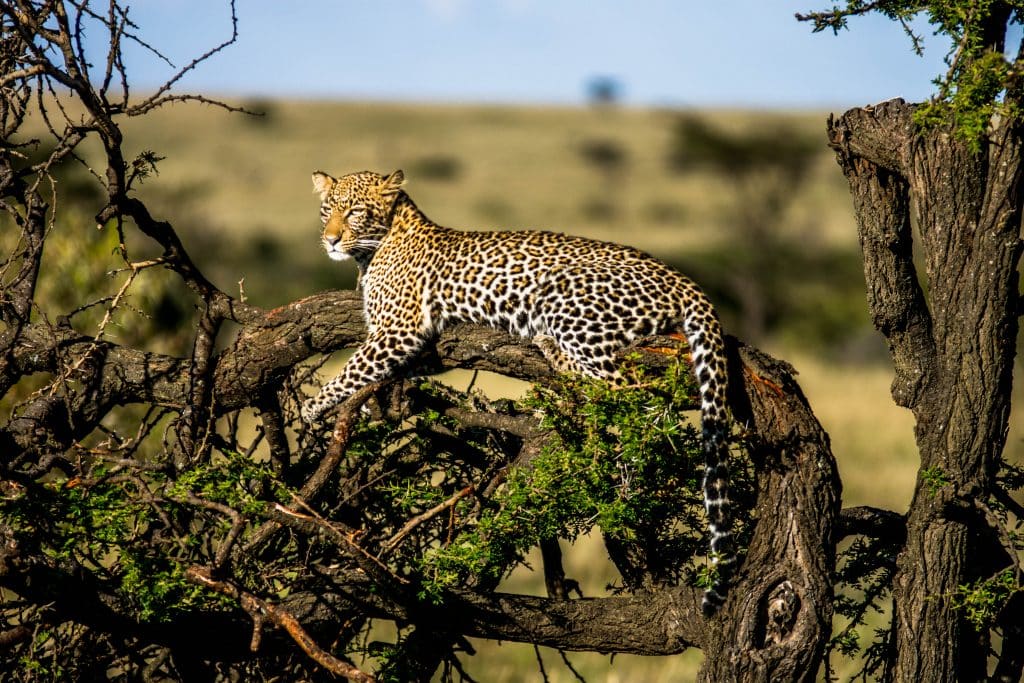
Your daypack should always contain your camera, binoculars, sunscreen, insect repellent, a wide-brimmed hat, sunglasses, and a reusable water bottle. Binoculars are a must-have for any safari, as they allow you to get close-up views of distant wildlife. A good pair can make the difference between simply seeing a leopard in a tree and observing the intricate details of its coat. For those embarking on a gorilla trek, it is also wise to include a pair of gardening gloves to protect your hands as you move through the dense forest vegetation.
Health and Personal Items
While safari lodges are increasingly well-equipped, it is important to pack for your personal health and comfort, especially when it comes to medications and specific toiletries.
Medications and First-Aid
Any personal prescription medications should be packed in your carry-on luggage, along with a copy of your prescription. It is also prudent to carry a small, basic first-aid kit containing items such as pain relievers, antiseptic wipes, bandages, and treatments for insect bites or minor stomach upsets. While your safari guide and lodge will have first-aid supplies, having your own ensures you have what you need, when you need it.
Toiletries
Most safari lodges and camps provide basic toiletries like soap, shampoo, and conditioner. However, to save space and weight, it is best to bring travel-sized versions of your preferred personal items. Sunscreen with a high SPF is non-negotiable, as the African sun can be intense, even on overcast days. A quality insect repellent containing DEET is also essential, particularly in the evenings and in areas where malaria is present.
Electronics and Photography Gear
Capturing the memories of your safari is a priority for many travelers, but it requires some planning when it comes to electronics and power.
Charging and Power
Power in safari camps is often supplied by generators that run for specific hours of the day or by solar power systems. This means that charging opportunities can be limited. A portable power bank is an invaluable accessory for keeping your phone, camera batteries, and other small electronics charged. It is also crucial to bring a universal travel adapter that is compatible with the plug types in your destination country. For example, Kenya, Tanzania, and Uganda typically use the Type G British-style plug, while South Africa uses the Type M plug.
Camera Equipment
Your camera is one of the most important pieces of safari luggage. Ensure it is packed in a padded case for protection during bumpy game drives. Bring extra batteries and memory cards, as you will likely take more photos than you anticipate. A telephoto or zoom lens is highly recommended for wildlife photography, allowing you to capture stunning images from a respectful distance.
Done Reading? Let's Build Your Safari.
Skip the guesswork. Work with an advisor who has been on the ground across East and Southern Africa.
Plan With UsWhat NOT to Pack for Your Safari
Just as important as what to pack is what to leave at home. Over-packing is a common mistake that can lead to unnecessary stress and even extra costs if you are required to leave items behind.
Leave expensive jewelry, unnecessary electronics, and flashy accessories at home. A safari is an opportunity to connect with nature, and valuable items can be a liability in remote areas. Drones are prohibited in most national parks and wildlife reserves across Africa to avoid disturbing animals and other visitors. Finally, be mindful of plastic bag bans. Countries like Kenya and Rwanda have strict regulations against single-use plastics, and travelers can face fines for bringing them into the country. Opt for reusable alternatives to support conservation efforts.
Conclusion
Packing for a safari does not have to be a daunting task. By focusing on lightweight, versatile, and essential items, you can easily meet the luggage restrictions while ensuring you are prepared for every aspect of your adventure. The right safari luggage—a soft-sided duffel bag—is your starting point. From there, careful selection of clothing, footwear, and essential gear will set you up for a comfortable, seamless, and unforgettable journey into the heart of Africa. By packing light and right, you can focus on what truly matters: the incredible wildlife, stunning landscapes, and the magic of the safari experience.
Need Expert Safari Guidance?
Get expert advisory support from a firm founded by a former safari guide — with real operational knowledge across 9 African countries and full-journey accountability.
Related Planning Guides
Explore Related Topics
Recommended Reading
 Safari Travel Tips
Safari Photography Tips
Master your safari photography with our expert tips on cameras, lenses, settings, and composition. Learn how to capture stunning wildlife photos in Africa.
 Safari Travel Tips
Travel Health Tips for Safari
Planning a safari? Our expert guide to travel health covers essential vaccinations, malaria prevention, and food safety tips to ensure a safe and healthy adventure.
 Safari Travel Tips
Safari Jet Lag Tips
Conquer safari jet lag with our expert tips. Learn how to adjust your sleep, manage flights, and acclimate to African time zones for an unforgettable adventure.
 Safari Planning
Safari Itinerary Planning Tips
Learn how to plan the perfect African safari itinerary with our expert tips on choosing destinations, balancing travel time, and finding the best time to go.
 Safari Safety
Safari Safety Tips for First-Time Visitors
Planning your first African safari? Our expert guide provides essential safari safety tips for a worry-free adventure, from wildlife encounters to health advice.
 Safari Safety
Walking Safari Safety Tips
Learn how to stay safe on a walking safari with our expert tips. Discover the importance of your guide, what to wear, and how to act in the African bush.