
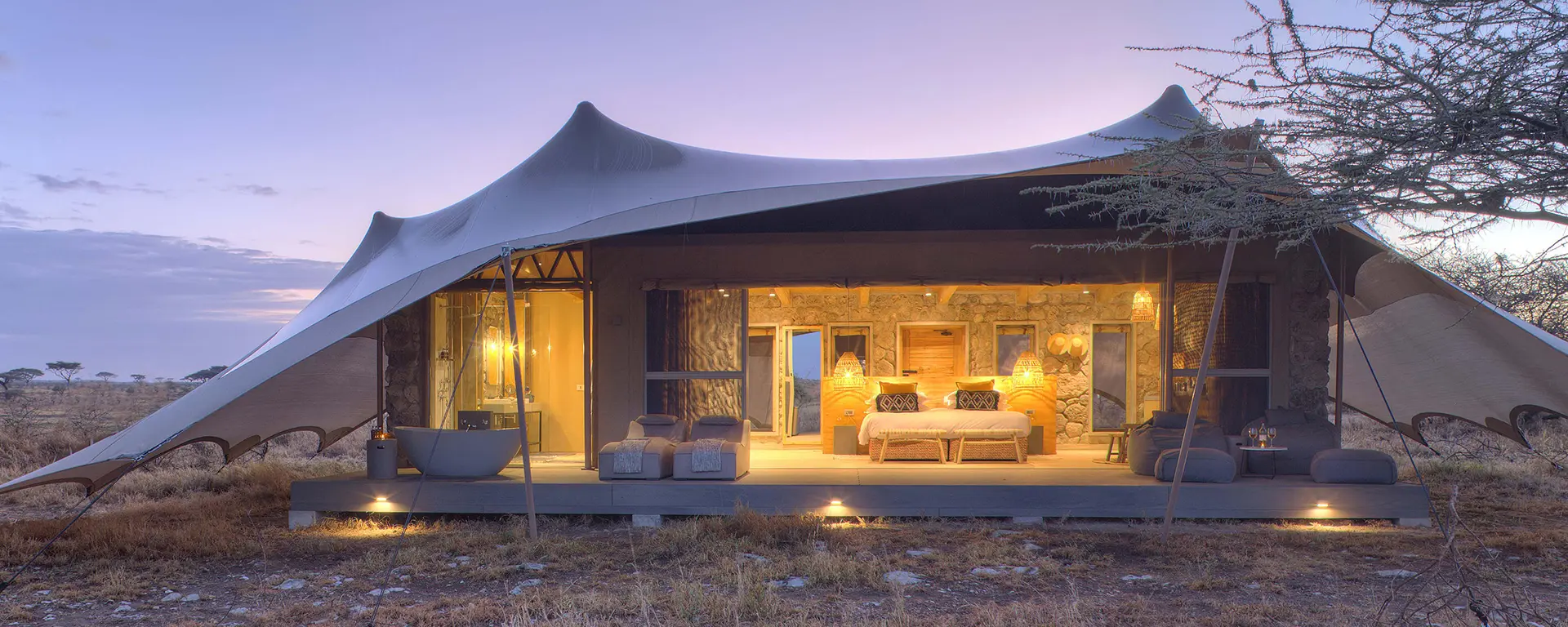
Expert guide on best time for star gazing on safari with month-by-month conditions, pricing, and planning recommendations for safari travelers.
Introduction to Best Time for Star Gazing on Safari
Exploring best time for star gazing on safari reveals the depth and complexity of African safari travel. Whether you're drawn to the vast savannas of East Africa or the lush waterways of Southern Africa, this knowledge will serve you well throughout your journey.
Key Details and Considerations
The most important aspects of best time for star gazing on safari involve understanding local conditions, seasonal variations, and the unique characteristics of different safari regions. Each destination across Africa offers something distinct, from the Serengeti's endless plains to the Okavango Delta's waterways. Working with experienced safari operators ensures you receive guidance tailored to your specific interests and travel dates.
Still researching? Let us help.
Our advisory team has planned safaris across 9 African countries. We can turn your research into a real plan.
Talk to an AdvisorPractical Advice
When applying insights about best time for star gazing on safari to your safari planning, remember that the best experiences come from thoughtful preparation combined with openness to the unexpected. Africa has a way of surprising even the most seasoned travelers. Use our comprehensive planning resources to build a solid foundation, then trust your guides and the wilderness to deliver moments you'll never forget.
Expert Insights
Industry experts emphasize that best time for star gazing on safari continues to evolve as safari tourism grows and adapts to new challenges. Conservation-focused tourism, community engagement, and sustainable practices are increasingly important considerations for discerning travelers. By choosing operators who prioritize these values, you contribute to the long-term preservation of Africa's wild places. Browse our operator directory to find companies committed to responsible tourism.
Planning Your Next Steps
To wrap up, mastering best time for star gazing on safari is an investment that pays dividends throughout your safari journey. The more you understand about Africa's diverse ecosystems, wildlife, and tourism infrastructure, the better equipped you'll be to make decisions that lead to extraordinary experiences. Start your planning journey with our comprehensive knowledge center and connect with our team of experienced safari operators for personalized guidance.
Done Reading? Let's Build Your Safari.
Skip the guesswork. Work with an advisor who has been on the ground across East and Southern Africa.
Plan With UsPrime Stargazing Destinations in Africa
While nearly any remote safari location offers a celestial spectacle, certain destinations are world-renowned for their pristine night skies. These areas combine high altitude, arid conditions, and minimal light pollution to create an astronomer's paradise. When planning your safari, consider these top-tier stargazing locations.
Namibia: Often hailed as the ultimate stargazing destination, Namibia's vast and sparsely populated landscapes offer unparalleled clarity. The NamibRand Nature Reserve, a designated Gold Tier International Dark Sky Reserve, is arguably the best place for astronomy in Africa. The dry, desert air and lack of light pollution create a crystal-clear window to the cosmos. Lodges in and around Sossusvlei also provide exceptional viewing opportunities.
Botswana: The expansive, flat landscapes of the Makgadikgadi Pans and the remote wilderness of the Okavango Delta provide immense, uninterrupted skies. During the dry season, the air is crisp and clear, revealing the Milky Way in breathtaking detail. The sheer sense of space here, with horizons stretching in every direction, enhances the celestial experience.
Tanzania: In the southern and western circuits, remote parks like Ruaha National Park and Katavi National Park offer dark skies far from any urban centers. Even in the more famous Serengeti National Park, choosing a camp in a secluded area will reward you with a brilliant night sky, especially during the dry months.
Kenya: Thanks to its position on the equator, Kenya offers the unique advantage of viewing constellations from both the Northern and Southern hemispheres. The high-altitude plateaus of Laikipia and the vast plains of the Masai Mara are excellent choices. Many camps in these regions are increasingly offering specialized stargazing activities.
Seasonal and Lunar Cycles: Timing is Everything
To maximize your stargazing experience, you must consider both the time of year and the phase of the moon. The clearest skies are typically found during the dry season, which varies by region but generally falls between June and October for most of Southern and East Africa. During this period, there is minimal cloud cover and lower humidity, resulting in sharper, more brilliant stars.
The wet season, from November to May, can present challenges with cloud cover. However, it can also offer moments of incredible beauty, with dramatic, lightning-filled skies and exceptionally clear air after a rainstorm has passed. For dedicated astronomers, the dry season remains the superior choice.
> Expert Insight: The lunar cycle is just as important as the season. For the most dramatic views of the Milky Way, distant galaxies, and faint nebulae, plan your safari around the New Moon. This is when the moon is not visible in the sky, eliminating its light and revealing the full glory of the cosmos. A week before or after the new moon also provides excellent dark-sky conditions.
A full moon, while hindering deep-sky observation, offers its own unique magic. The African bush is transformed under its silvery light, creating an ethereal landscape. This can be a fantastic time for lunar photography and enjoying the nocturnal activities of wildlife, which are often more visible under the bright moonlight.
Essential Gear and Stargazing Experiences
While the naked eye is sufficient to be awestruck by the African sky, a few key items can enhance your celestial journey. Many high-end lodges provide telescopes, but bringing your own equipment ensures a personalized experience.
- Binoculars: A good pair of astronomy binoculars (such as 10x50 or 8x42) is the single most valuable tool for a traveling stargazer. They are portable and offer stunning, wide-field views of star clusters, the moon's craters, and the larger nebulae.
- Star Chart or App: To navigate the unfamiliar southern sky, a star chart or a smartphone app like SkyView or Star Walk is indispensable. These tools will help you identify constellations, planets, and other celestial objects.
- Red-Light Torch: To preserve your night vision, a headlamp or flashlight with a red-light setting is crucial. White light causes your pupils to contract, and it can take up to 30 minutes for your eyes to fully adapt to the darkness again.
Many safari lodges are now catering to astro-tourists by offering unique celestial experiences. Some properties, like andBeyond Sossusvlei Desert Lodge in Namibia, have on-site observatories with powerful telescopes and resident astronomers. Another unforgettable experience is sleeping in a "star bed"—a luxurious open-air bedroom that allows you to fall asleep under the canopy of stars. These are offered at exclusive properties like Kulala Desert Lodge (Namibia) and various camps in Laikipia (Kenya).
> Traveler's Tip: Even in the hottest safari destinations, nights in the bush can get surprisingly cold, especially in arid and high-altitude regions. Pack warm layers, including a fleece jacket, a beanie, and gloves, to stay comfortable during your late-night stargazing sessions.
Ultimately, integrating stargazing into your safari adds a profound dimension to your adventure. It connects you to the ancient rhythms of the natural world and offers a sense of perspective that is both humbling and inspiring. To build an itinerary that maximizes your time under the stars, connect with our expert safari operators or explore our destinations to find the perfect dark-sky location for your journey. For a detailed breakdown of costs, our safari cost calculator is an excellent resource to begin your safari planning.
Need Expert Safari Guidance?
Get expert advisory support from a firm founded by a former safari guide — with real operational knowledge across 9 African countries and full-journey accountability.
Related Planning Guides
Recommended Reading
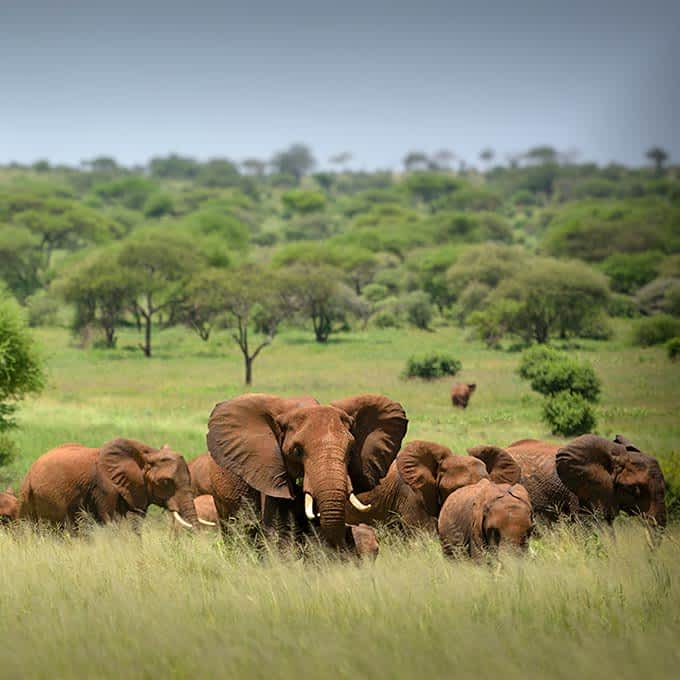 Season & Timing Guides
Best Time to Visit Tanzania for Safari
Expert guide on best time to visit tanzania for safari with month-by-month conditions, pricing, and planning recommendations for safari travelers.
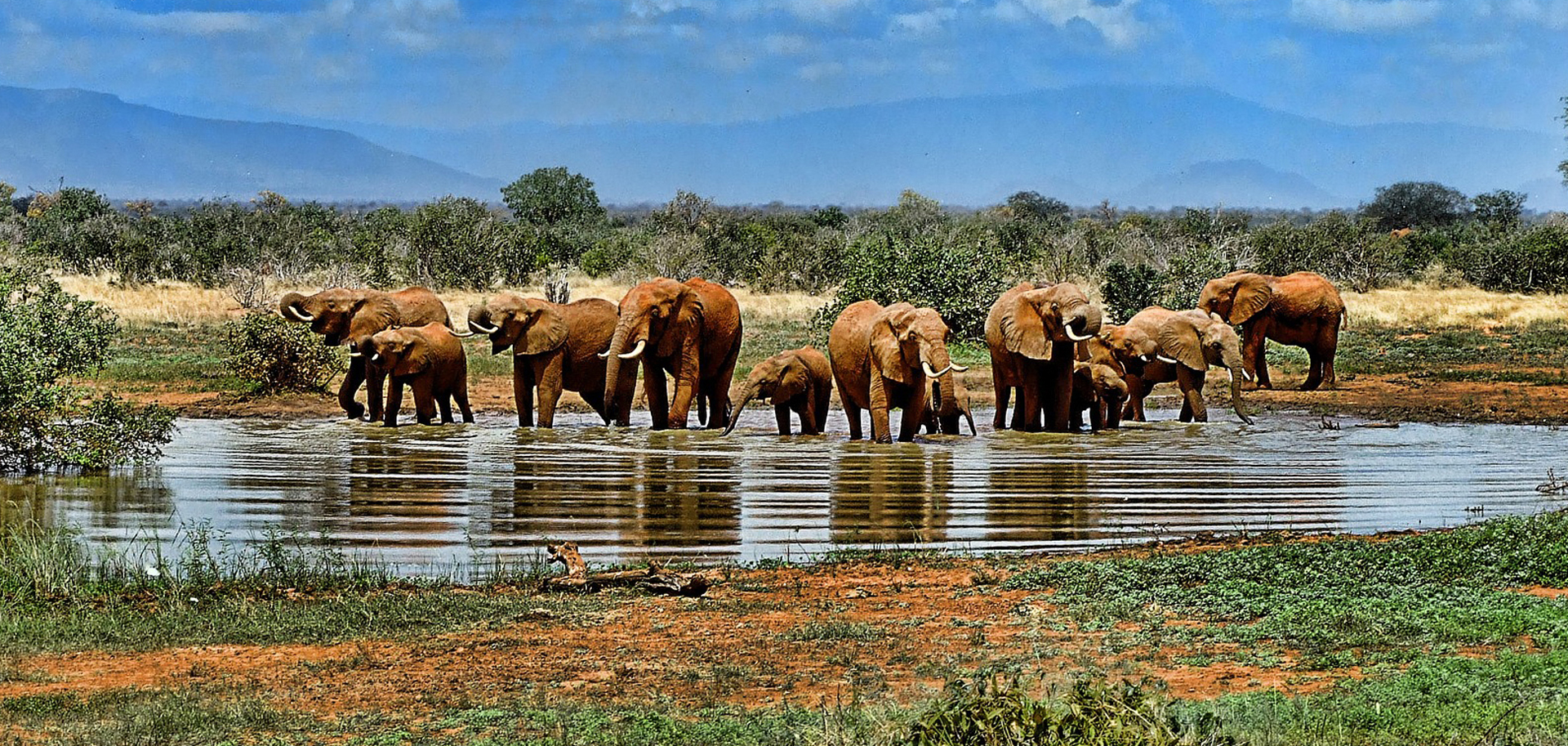 Season & Timing Guides
Best Time to Visit Kenya for Safari
Expert guide on best time to visit kenya for safari with month-by-month conditions, pricing, and planning recommendations for safari travelers.
 Season & Timing Guides
Best Time to Visit Botswana for Safari
Expert guide on best time to visit botswana for safari with month-by-month conditions, pricing, and planning recommendations for safari travelers.
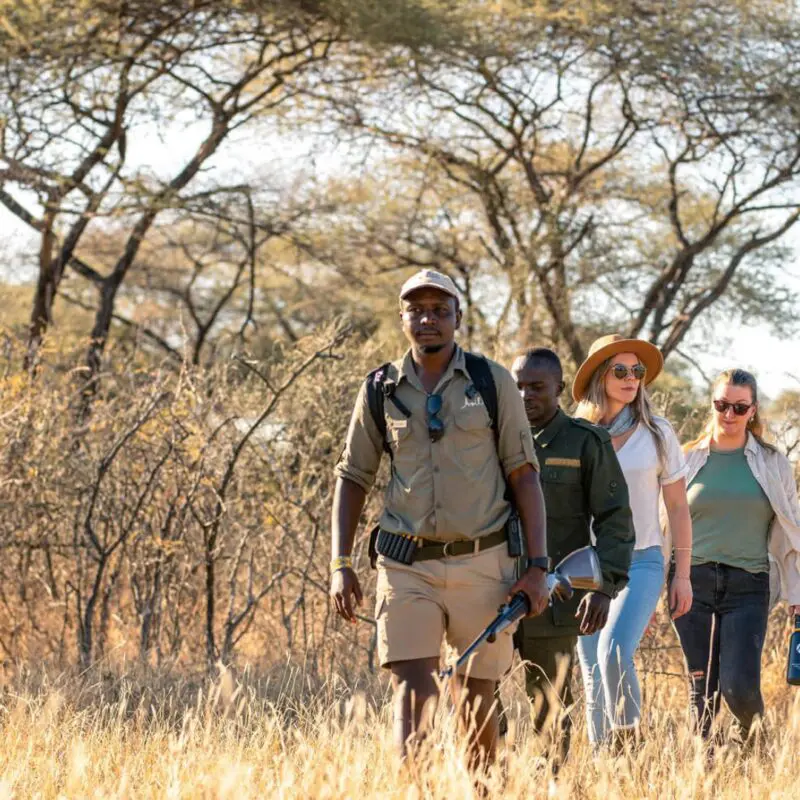 Safari Planning
Best Countries for First-Time Safari Travelers
Discover the best countries for a first-time safari. Our expert guide compares Tanzania, Kenya, South Africa, and more to help you plan your dream African adventure.
 Safari Planning Guides
How to Plan a Safari for Star Gazing
Learn about how to plan a safari for star gazing in this comprehensive safari guide covering key insights and practical advice.
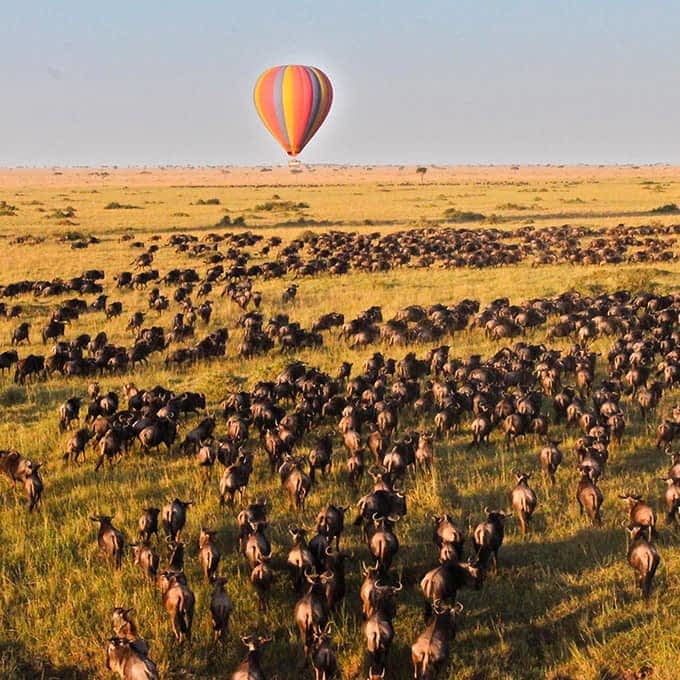 Luxury Safari Content
Luxury Safari Star Gazing Experiences
A comprehensive guide to Luxury Safari Star Gazing Experiences. Learn everything you need to know for your safari adventure.