
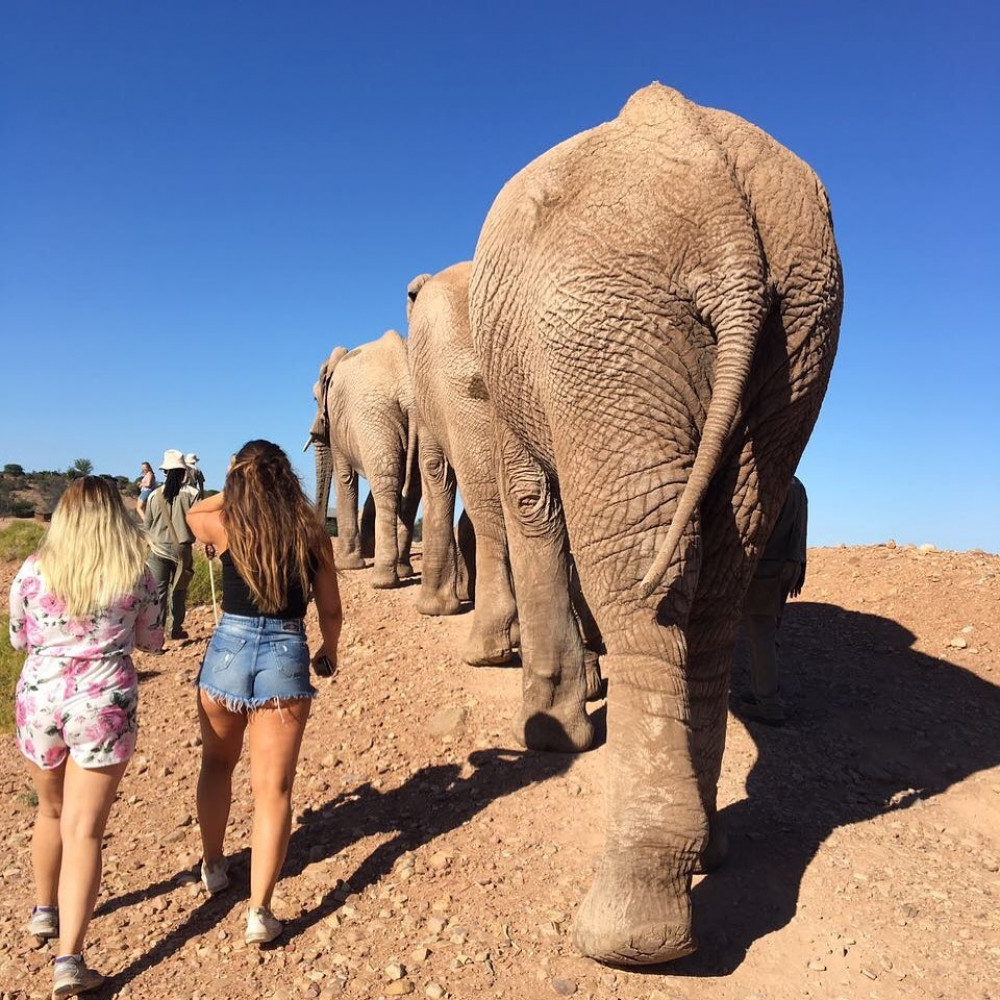
Planning a photo safari? Our guide covers the best destinations, essential camera gear, and photography tips to help you capture stunning wildlife images in Africa.
An African safari is a photographer's dream, offering a chance to capture breathtaking landscapes and iconic wildlife in their natural habitat. From the golden plains of the Serengeti to the lush forests of Uganda, every moment presents a new photographic opportunity. However, turning those moments into stunning images requires more than just a good camera. Careful safari planning for photographers is the key to unlocking the full potential of your trip and returning home with a portfolio of images that truly do justice to the magic of Africa.
Choosing the Right Safari Destination for Photography
Your choice of destination will have the single biggest impact on your photographic opportunities. Different countries and parks offer unique landscapes, wildlife, and lighting conditions. Understanding these differences is the first step in planning a successful photo safari.
Understanding the Light and Landscape
The quality of light and the nature of the landscape are crucial elements in photography. East Africa's open savannas, for instance, are famous for their golden "magic hour" light at sunrise and sunset, which can beautifully illuminate your subjects. In contrast, the dense forests of Uganda and Rwanda, home to gorillas and chimpanzees, present a low-light challenge that requires different techniques and equipment.
Key Destinations for Wildlife Photography
While incredible photo opportunities exist across the continent, some destinations are particularly well-suited for photographers.
- Tanzania & Kenya: These East African giants are the heartland of the classic African safari. The vast, open plains of the Serengeti and Maasai Mara are home to the Great Migration, offering unparalleled opportunities to photograph dramatic river crossings and predator-prey interactions. The Ngorongoro Crater in Tanzania provides a unique, self-contained ecosystem with a high density of wildlife.
- Botswana: For those interested in water-based photography, Botswana is a prime choice. The Okavango Delta, a UNESCO World Heritage Site, can be explored by traditional mokoro canoes, offering a unique, low-angle perspective for photographing elephants, hippos, and a rich variety of birdlife. Chobe National Park is another highlight, famous for its large elephant herds.
- Namibia: Namibia is a land of dramatic contrasts, from the towering red dunes of Sossusvlei to the wildlife-rich salt pans of Etosha National Park. It is a destination for the landscape photographer as much as the wildlife photographer, offering stark, beautiful, and truly unique photographic opportunities.
- Uganda & Rwanda: For primate photographers, there is no better destination. The opportunity to trek to see mountain gorillas and chimpanzees in their natural habitat is a profound and unforgettable experience. The low-light conditions of the forest canopy will test your skills, but the reward is intimate and powerful portraits of our closest relatives.
Essential Camera Gear for Your Safari
While you don't need to be a professional to take great safari photos, having the right gear will significantly improve your results. The key is to balance capability with portability, as you'll be traveling in safari vehicles and often have luggage restrictions.
Camera Bodies
Both DSLR and mirrorless cameras are excellent choices for a safari. Mirrorless cameras have the advantage of being lighter and more compact, which is a significant consideration when packing. Look for a camera with a good sensor for high-quality images, fast autofocus to track moving animals, and good low-light performance (high ISO capabilities) for those early morning and late evening game drives.
Lenses are Key
Your choice of lenses will have a greater impact on your photos than your camera body.
- Telephoto Zoom Lens: This is your most important lens for wildlife photography. A lens with a focal range of 100-400mm or 200-500mm is ideal. This will allow you to fill the frame with your subject, even when you can't get close.
- Wide-Angle Lens: Don't forget to capture the stunning landscapes. A wide-angle lens (e.g., 16-35mm or 24-70mm) is perfect for capturing the vastness of the African savanna, dramatic skies, and your lodge or camp.
- Mid-Range Zoom: A versatile lens like a 24-105mm is great for general use, capturing scenes around the camp, and for moments when wildlife comes surprisingly close to your vehicle.
Essential Accessories
- Extra Batteries and Memory Cards: You will be shooting a lot, and you don't want to run out of power or storage. Bring at least two extra batteries and more memory cards than you think you'll need.
- Beanbag: A beanbag is an indispensable tool for stabilizing your camera on the side of a safari vehicle. It's much more practical than a tripod in this context.
- Cleaning Kit: Dust is a constant companion on safari. A lens cloth, blower, and brush are essential for keeping your sensor and lenses clean.
- A Good Camera Bag: A durable, padded camera bag will protect your gear from the bumps and dust of safari travel.
Still researching? Let us help.
Our advisory team has planned safaris across 9 African countries. We can turn your research into a real plan.
Talk to an AdvisorPacking and Preparing Your Photography Equipment
Careful packing and preparation will ensure your gear arrives safely and is ready to use.
Airline Luggage Restrictions
Check the luggage restrictions of your international and domestic airlines carefully. Small bush planes often have strict weight and size limits for both checked and carry-on baggage. Pack your camera gear in your carry-on to protect it from damage and loss.
Protecting Your Gear
Dust and moisture are the enemies of camera equipment. Use a rain cover for your camera and lens, even if you don't expect rain, as it will also provide protection from dust. Keep your gear in your camera bag when not in use.
Power and Charging
Most safari lodges and camps have charging facilities, but it's wise to bring a universal travel adapter. A portable power bank can also be a lifesaver, allowing you to charge batteries on the go.
Mastering Safari Photography Techniques
Great gear is only half the equation. Understanding some basic techniques will help you make the most of your photographic opportunities.
Working with Your Guide
Your safari guide is your greatest asset. They are experts in animal behavior and know how to position the vehicle for the best light and angles. Communicate your photographic goals to your guide, and they will do their best to help you get the shots you want.
Understanding Animal Behavior
Anticipating an animal's next move is key to capturing compelling images. Watch for signs of action, such as a lion yawning before it gets up to move, or a bird preparing for flight. Patience is essential; sometimes the best shots come after minutes of waiting.
Composition and Lighting
Think about your composition. Use the rule of thirds, look for leading lines, and try to capture the animal in its environment. The "golden hours" of early morning and late afternoon offer the most beautiful light. Avoid shooting in the harsh midday sun if possible, as it creates unflattering shadows.
Camera Settings
- Shutter Speed: For sharp images of moving animals, use a fast shutter speed (e.g., 1/1000s or faster).
- Aperture: A wide aperture (e.g., f/2.8-f/5.6) will help you isolate your subject from the background and create a beautiful blur (bokeh).
- ISO: Don't be afraid to increase your ISO in low light. Modern cameras handle high ISOs well, and a noisy image is better than a blurry one.
Choosing a Photography-Focused Safari
For the serious photographer, choosing a safari designed with photography in mind can make all the difference.
Private vs. Group Safaris
A private safari with your own vehicle and guide offers the ultimate flexibility. You can stay at a sighting for as long as you want, and you won't have to compete with other guests for the best shooting angles. This is the ideal choice for serious photographers.
Specialized Photo Safaris
Many companies offer specialized photo safaris led by professional wildlife photographers. These tours are designed for photographers of all levels and provide expert instruction in the field.
Lodge and Camp Considerations
Some lodges and camps cater specifically to photographers, with features like custom-built photography vehicles with swivel seats and special camera mounts. Some even have photographic hides, which allow you to get incredibly close to wildlife.
Done Reading? Let's Build Your Safari.
Skip the guesswork. Work with an advisor who has been on the ground across East and Southern Africa.
Plan With UsConclusion
A photographic safari in Africa is an experience like no other. By carefully planning your trip, choosing the right destination and gear, and mastering some basic techniques, you can return home with a collection of images that capture the beauty, drama, and spirit of this incredible continent. Start planning your photographic adventure today, and get ready to create images that you will cherish for a lifetime.
Need Expert Safari Guidance?
Get expert advisory support from a firm founded by a former safari guide — with real operational knowledge across 9 African countries and full-journey accountability.
Related Planning Guides
Explore Related Topics
Recommended Reading
 Safari Planning Guides
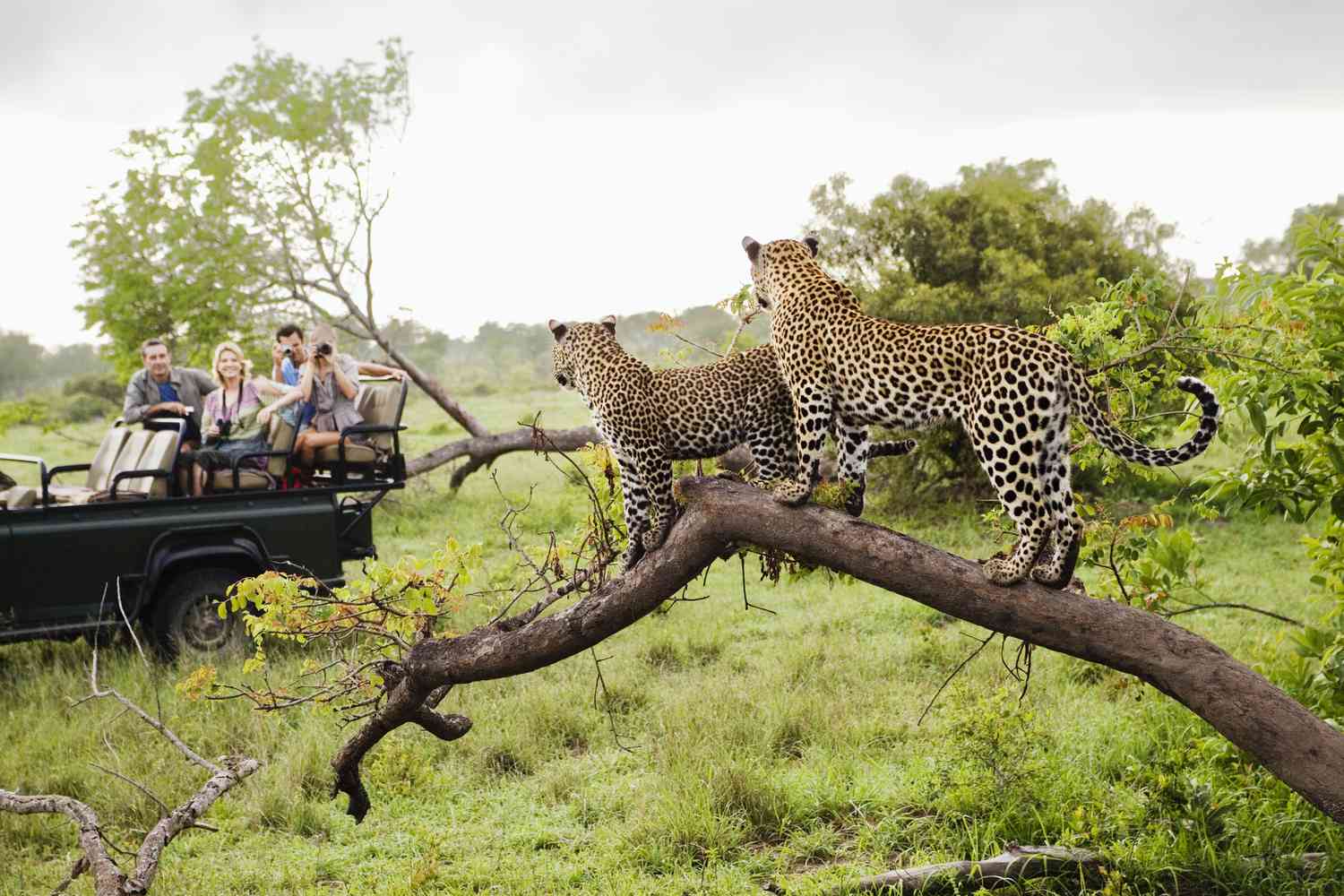
How to Plan a Safari for Experienced Wildlife Photographers
Learn about how to plan a safari for experienced wildlife photographers in this comprehensive safari guide covering key insights and practical advice.
 Safari Planning Guides
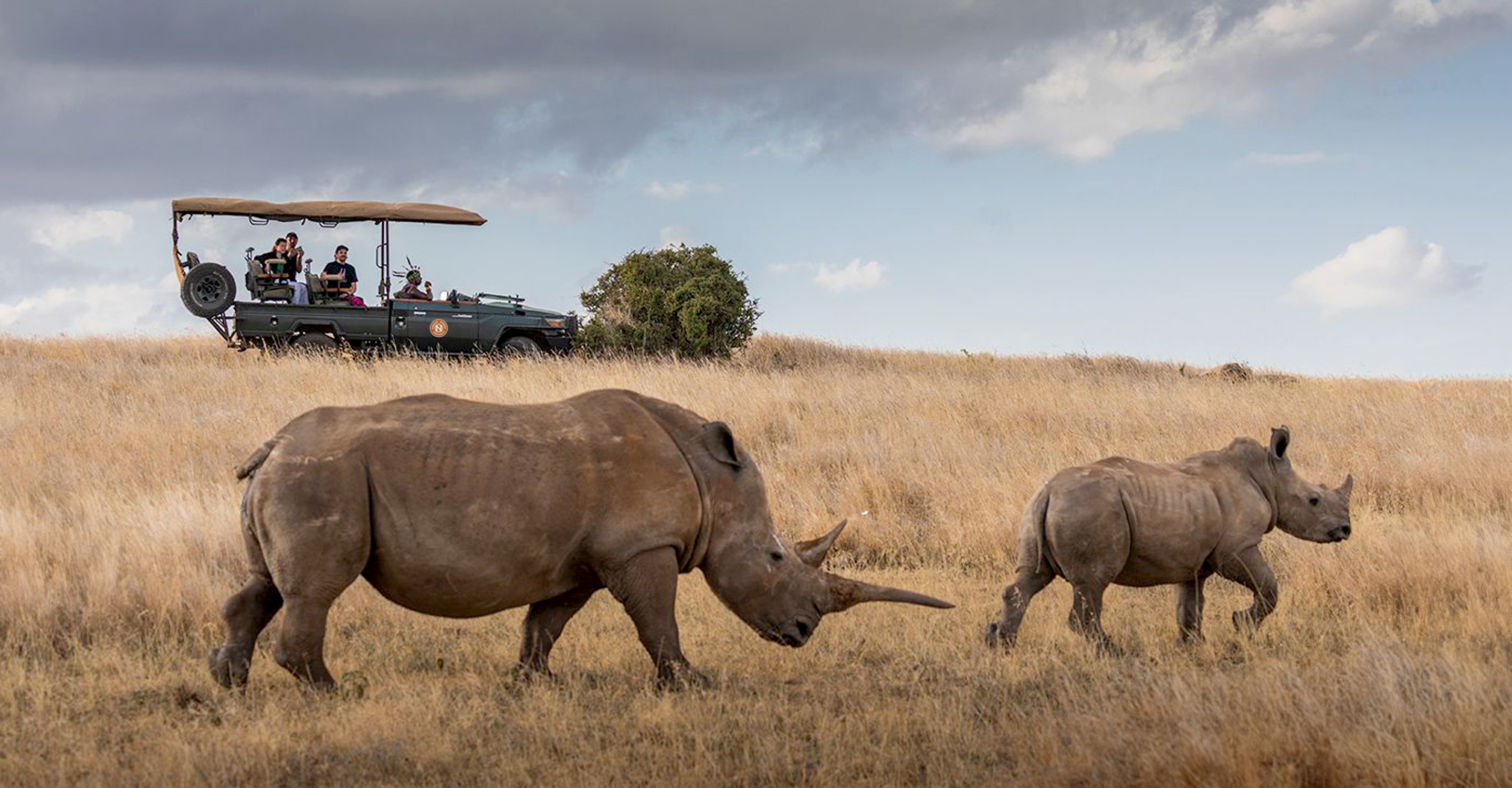
How to Plan a Safari for Photographers
Discover how to plan your dream safari with our expert guide on How to Plan a Safari for Photographers. Get tips on destinations, costs, and more.
 Safari Planning Guides
How to Plan a Safari With Hot Air Balloon Rides
Discover how to plan your dream safari with our expert guide on How to Plan a Safari With Hot Air Balloon Rides. Get tips on destinations, costs, and more.
 Safari Intelligence Insights
Safari Planning for Researchers
Planning a research safari in Africa? Our guide covers everything from defining objectives and securing permits to choosing a site and engaging with communities.
 Safari Intelligence Insights
Safari Planning for Luxury Travelers
Plan the ultimate luxury safari with our expert guide. Discover top destinations, essential planning tips, and what defines a truly exclusive African adventure.
 Safari Planning
Step-by-Step Guide to Planning an African Safari
Learn how to plan your first African safari with our step-by-step guide. We cover everything from choosing a destination to booking your trip and packing.