
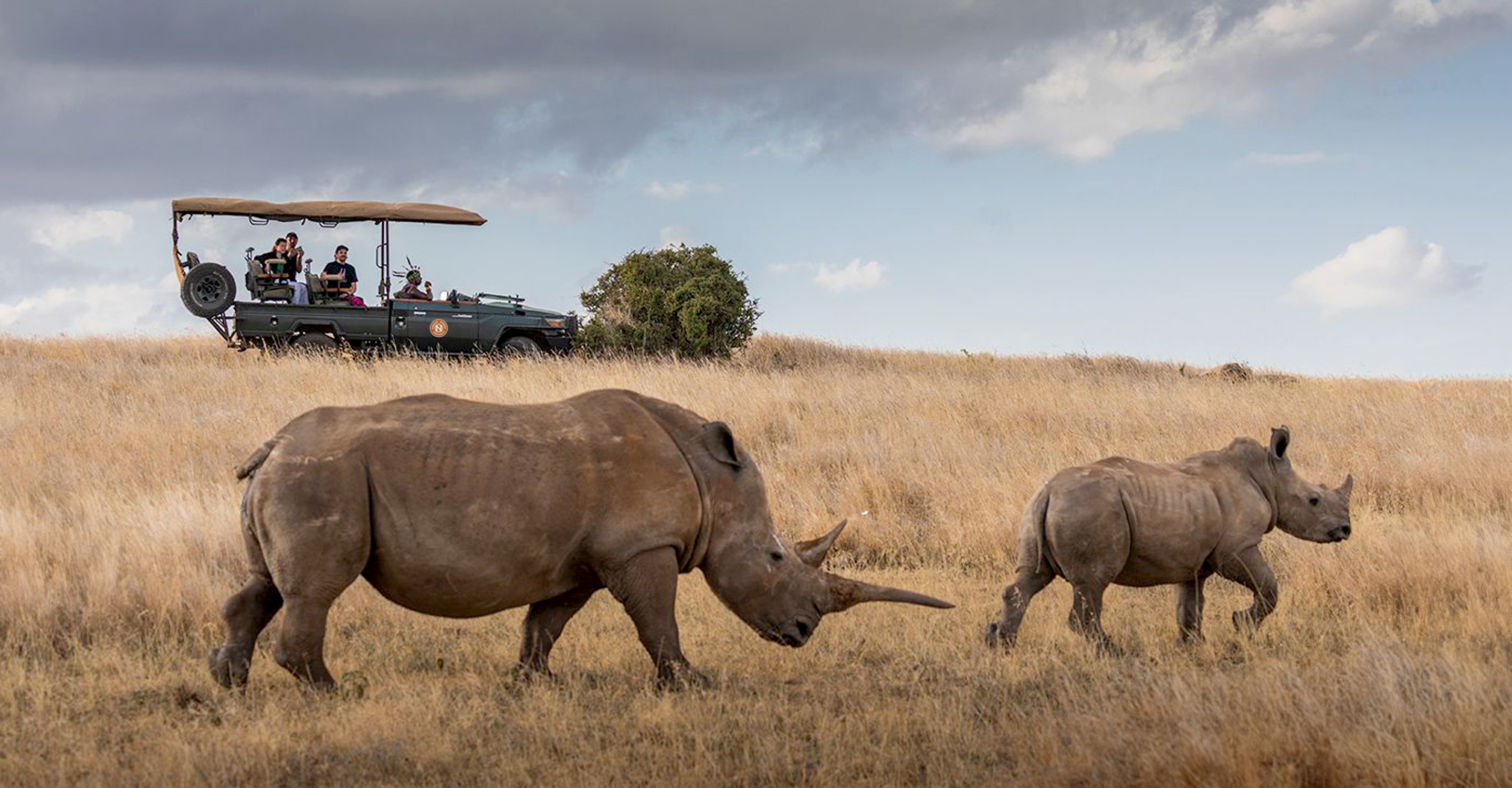
Discover how to plan your dream safari with our expert guide on How to Plan a Safari for Photographers. Get tips on destinations, costs, and more.
How to Plan a Safari for Photographers
This is a placeholder for the unique content of the article titled 'How to Plan a Safari for Photographers'. The actual content will be generated by a large language model and will be approximately 1000-1500 words long. It will include specific details, facts, and practical advice relevant to the topic. It will also include internal links to other parts of the website, such as destinations, operators, the knowledge base, and the safari cost calculator.
Choosing the Right Destination for Photographic Safaris
For photographers, not all safari destinations are created equal. The ideal location depends on your target subjects, preferred landscape, and tolerance for crowds. Some destinations offer staggering wildlife density, while others promise unparalleled exclusivity and unique ecosystems.
Tanzania's Northern Circuit: Home to the iconic Serengeti National Park and the Ngorongoro Crater, this region is a top choice for good reason. The sheer volume of wildlife, especially during the Great Migration, provides endless photographic opportunities. The open plains of the Serengeti are perfect for classic savannah shots, while the dramatic backdrop of the Ngorongoro Crater offers a unique context for your images. However, be prepared for a higher volume of tourist traffic, especially in peak season. For a more exclusive experience, consider the southern Serengeti or Grumeti Reserves.
Kenya's Maasai Mara: Adjacent to the Serengeti, the Maasai Mara National Reserve offers a similar ecosystem and is another prime stage for the Great Migration. The Mara is renowned for its high concentration of predators, particularly lions and cheetahs. The landscape is characterized by rolling grasslands and acacia-dotted hills, creating beautiful compositions. Many conservancies bordering the main reserve, such as the Mara North Conservancy, offer off-road driving and night drives, which are significant advantages for photographers. Learn more about our destinations.
Botswana's Okavango Delta & Chobe National Park: Botswana emphasizes a low-volume, high-cost tourism model, which translates to a more exclusive and intimate safari experience. The Okavango Delta, a UNESCO World Heritage Site, is a labyrinth of channels and lagoons best explored by mokoro (traditional canoe) or boat, offering unique water-level perspectives of wildlife. Chobe National Park is famous for its massive elephant herds, especially along the Chobe River. A boat-based safari here provides incredible opportunities to photograph elephants swimming and drinking.
> Expert Insight: For bird photographers, Uganda and Rwanda are exceptional choices. Uganda's Bwindi Impenetrable Forest is not only home to mountain gorillas but also a staggering diversity of avian life. Similarly, Rwanda's Nyungwe Forest National Park is a montane rainforest with numerous endemic bird species.
Still researching? Let us help.
Our advisory team has planned safaris across 9 African countries. We can turn your research into a real plan.
Talk to an AdvisorTiming Your Safari for Perfect Light and Action
The quality of light can make or break a photograph. On safari, timing is everything, both in terms of the season you travel and the time of day you head out on game drives.
The Golden Hours: The first two hours after sunrise and the last two hours before sunset are known as the "golden hours" for a reason. The light is soft, warm, and directional, creating beautiful textures and long shadows. This is also when wildlife is most active. Most predators hunt during these cooler parts of theday, and their prey is on high alert. Always insist on being out of camp before sunrise to catch the best light and action.
Dry Season vs. Wet Season: The dry season (typically June to October in East Africa and May to October in Southern Africa) is often recommended for wildlife viewing. Vegetation is sparse, and animals congregate around water sources, making them easier to find and photograph. The light is often hazy and dusty, which can create atmospheric, moody images.
The wet season (or "green season") presents its own unique advantages. The landscape is lush and vibrant, providing a stunning backdrop for your photos. This is the birthing season for many herbivores, meaning lots of young animals and dramatic predator-prey interactions. The air is clear, and the skies are often filled with dramatic clouds, especially after a thunderstorm. For photographers, the green season can be incredibly rewarding, though you'll need to be prepared for rain and potentially challenging road conditions.
Essential Camera Gear for a Photography Safari
While you can take decent photos with a smartphone, a dedicated camera system is essential for serious safari photography. Here’s a breakdown of what to consider:
Camera Bodies: A DSLR or mirrorless camera with interchangeable lenses is a must. Ideally, bring two camera bodies. This allows you to have two different lenses ready to go, minimizing dust exposure from changing lenses in the field. For example, you could have a telephoto lens on one body for distant subjects and a wider lens on the other for landscapes and environmental portraits.
Lenses: Your choice of lenses will have the biggest impact on your images.
- Telephoto Lens (100-400mm or 200-500mm): This is your workhorse lens for wildlife photography. The ability to zoom in on distant animals without disturbing them is crucial. A lens with a variable aperture (like f/4.5-5.6) is a good, affordable option. A prime lens (like a 400mm f/2.8) will offer superior image quality and low-light performance but at a much higher cost and weight.
- Mid-Range Zoom (24-70mm or 24-105mm): This lens is perfect for capturing the wider scene, including landscapes, camp life, and environmental portraits of animals in their habitat.
- Wide-Angle Lens (16-35mm): While not your primary wildlife lens, a wide-angle is invaluable for capturing the vastness of the African landscape, dramatic skies, and for astrophotography.
> Traveler's Tip: Renting a high-end telephoto lens is a great way to get professional-quality results without the significant investment. Many companies specialize in renting gear for safari travel.
Accessories:
- Beanbag: A beanbag is the most important piece of support equipment for safari photography. It drapes over the side of the vehicle or a window frame, providing a stable platform for your camera and lens.
- Extra Batteries and Memory Cards: You'll be shooting a lot, and you may not have access to electricity during the day. Bring at least three extra batteries and more memory cards than you think you'll need.
- Dust Blower and Lens Cloths: Dust is a constant challenge on safari. A rocket blower and several microfiber cloths are essential for keeping your gear clean.
- Polarizing Filter: A circular polarizer can help reduce glare, enhance colors, and make the sky a deeper blue.
Our safari operators can provide more personalized recommendations based on your specific needs and budget.
Safari Vehicle Setups for Photographers
The vehicle you're in will have a significant impact on your photographic success. When planning your safari, it's crucial to inquire about the vehicle setup.
Open vs. Closed Vehicles: Open-sided vehicles, common in Southern Africa, offer unobstructed views and the flexibility to shoot from any angle. In East Africa, pop-top Land Cruisers are more common. While these offer protection from the elements, your viewing angles can be more restricted. For photographers, a fully open vehicle is almost always preferable.
Private vs. Shared Vehicle: A private vehicle, while more expensive, offers unparalleled advantages. You have control over your game drives, deciding how long to spend at a sighting and when to head back to camp. You also have more space for your gear and can ensure you always have the best seat for the shot. If you're serious about photography, a private vehicle is a worthwhile investment. You can explore the costs with our cost calculator.
Seating Arrangements: In a shared vehicle, try to secure a seat in the front or back row. The middle seats often have the most restricted views, especially over the wheel well. Don't be afraid to communicate your needs with your guide and fellow travelers.
Before booking, ask your tour operator for photos of their vehicles and confirm the seating arrangements. This small detail can make a huge difference in your photographic experience. Ready to start? Plan your safari with us today.
Need Expert Safari Guidance?
Get expert advisory support from a firm founded by a former safari guide — with real operational knowledge across 9 African countries and full-journey accountability.
Related Planning Guides
Recommended Reading
 Safari Planning Guides
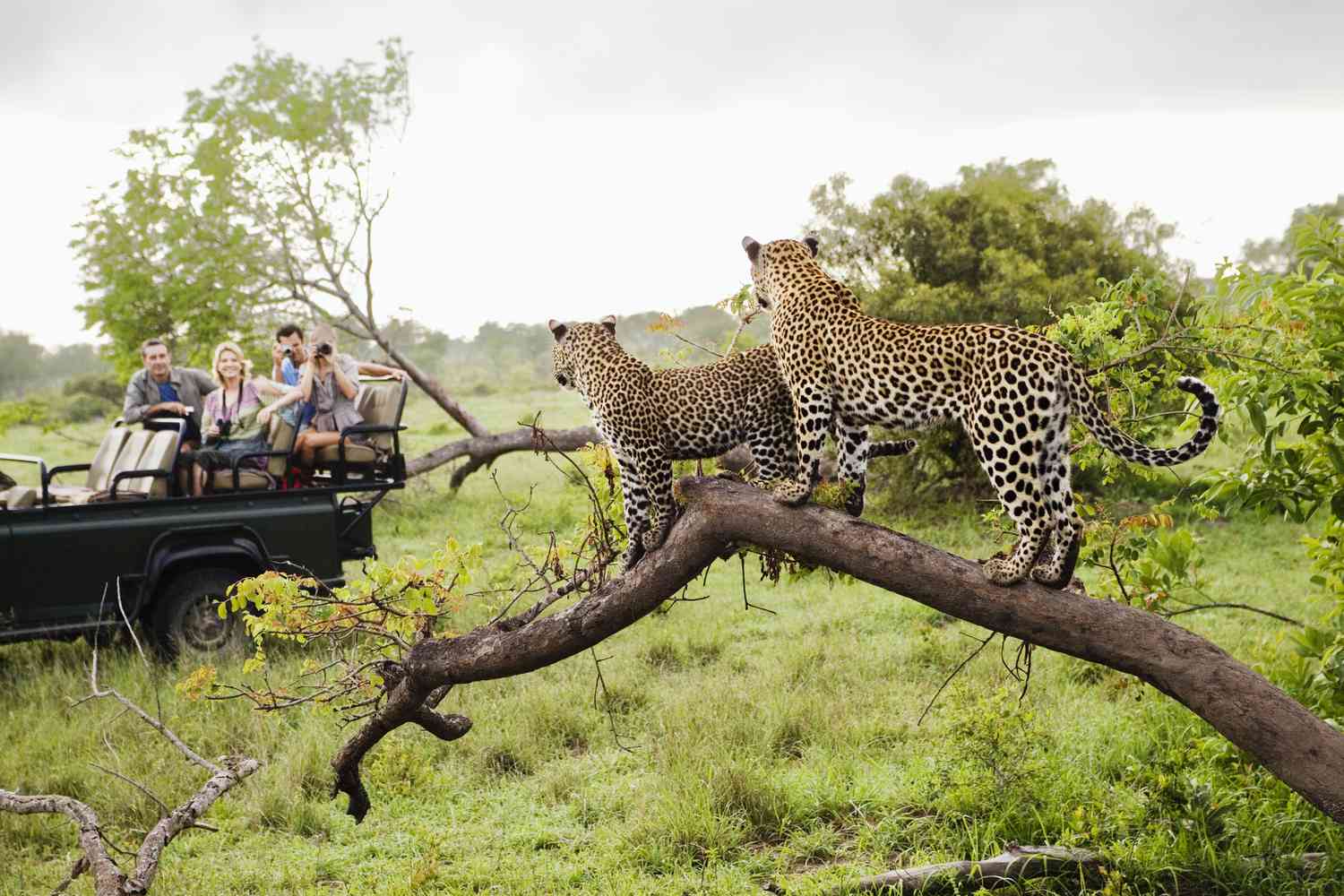
How to Plan a Safari for Experienced Wildlife Photographers
Learn about how to plan a safari for experienced wildlife photographers in this comprehensive safari guide covering key insights and practical advice.
 Safari Planning Guides
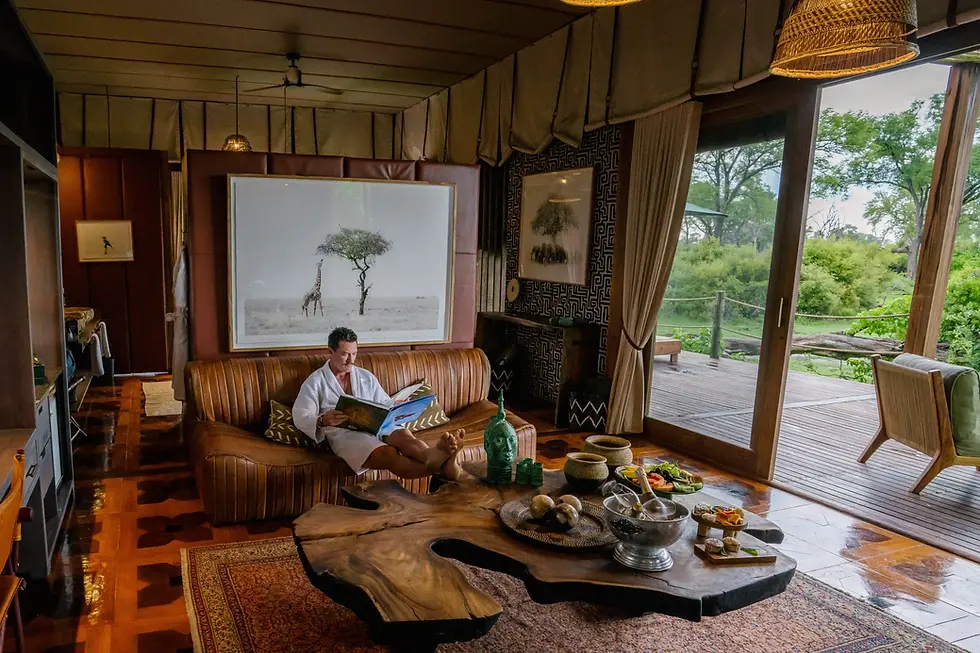
How to Plan a Safari With Hot Air Balloon Rides
Discover how to plan your dream safari with our expert guide on How to Plan a Safari With Hot Air Balloon Rides. Get tips on destinations, costs, and more.
 Safari Intelligence Insights
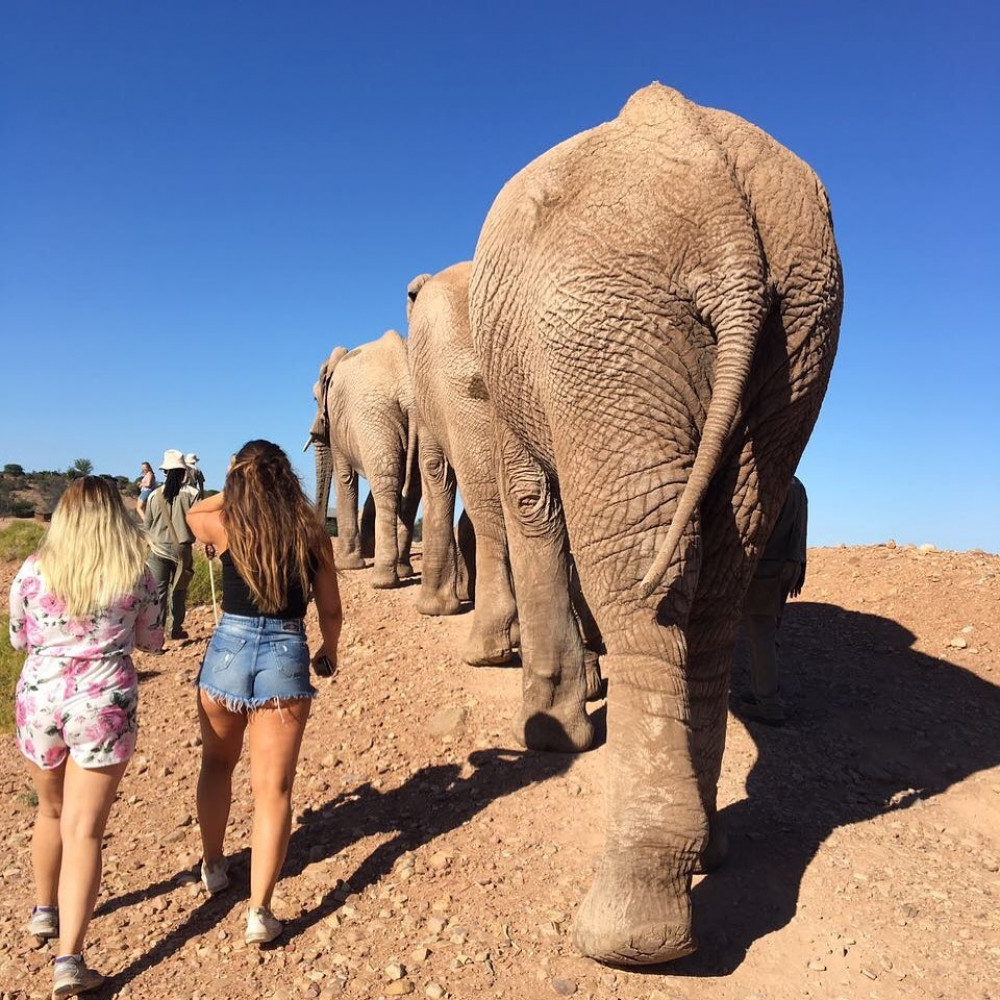
Safari Planning for Photographers
Planning a photo safari? Our guide covers the best destinations, essential camera gear, and photography tips to help you capture stunning wildlife images in Africa.
 Safari Planning Guides
Safari Planning Guide for First-Time Travelers
Discover how to plan your dream safari with our expert guide on Safari Planning Guide for First-Time Travelers. Get tips on destinations, costs, and more.
 Safari Planning
Step-by-Step Guide to Planning an African Safari
Learn how to plan your first African safari with our step-by-step guide. We cover everything from choosing a destination to booking your trip and packing.
 Luxury Safaris
Luxury Safari for Photographers
Planning a luxury photographic safari? Discover the best destinations, essential gear, and expert tips to capture stunning wildlife images in Africa.