
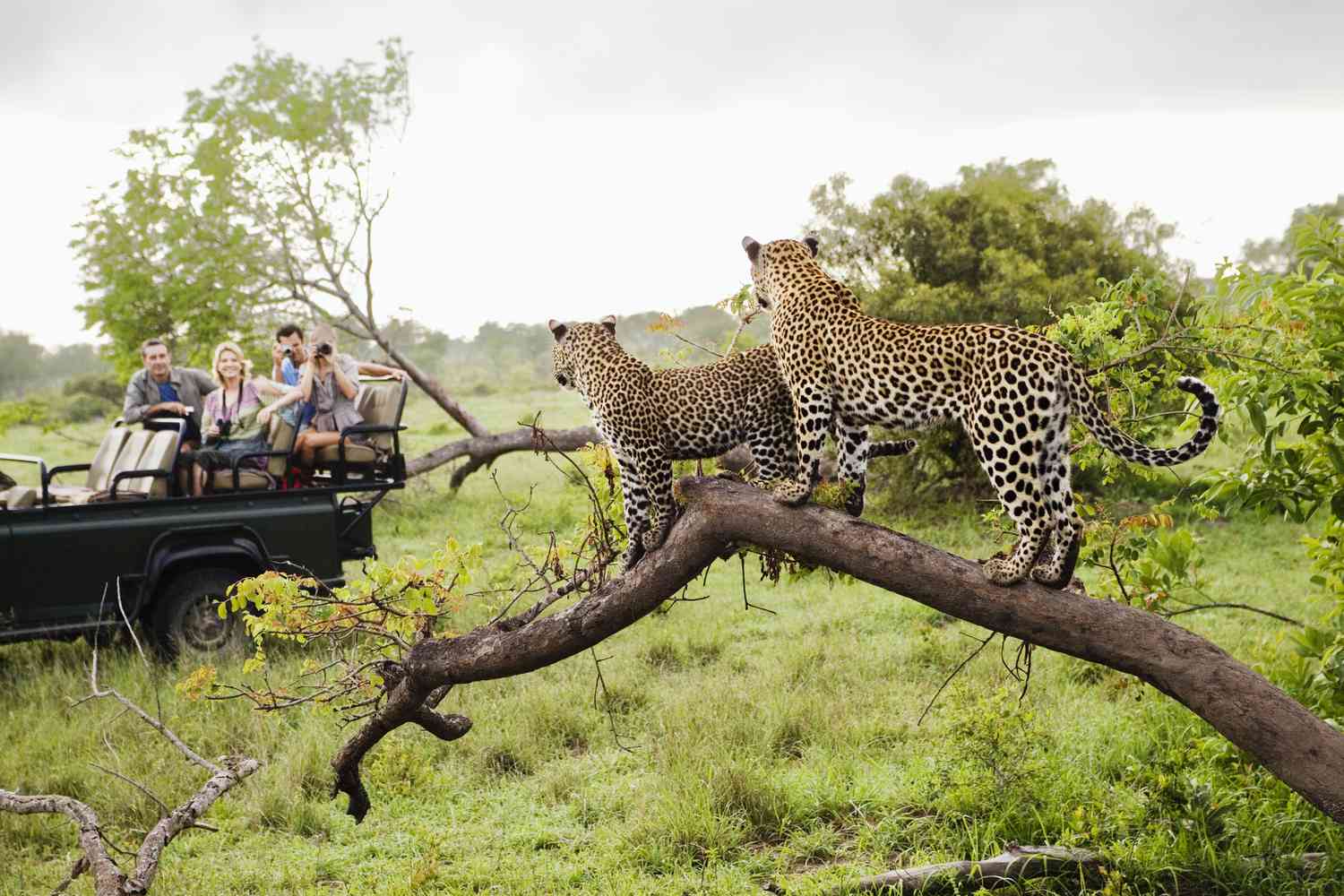
Learn about how to plan a safari for experienced wildlife photographers in this comprehensive safari guide covering key insights and practical advice.
Overview
Planning a safari involves many moving parts, and how to plan a safari for experienced wildlife photographers is one of the most important considerations. Whether you're a first-time visitor or a seasoned Africa traveler, this guide provides the practical knowledge you need to make informed decisions and create an unforgettable experience.
What You Need to Know
The nuances of how to plan a safari for experienced wildlife photographers become apparent when you consider the range of experiences available across Africa's safari destinations. From the iconic Serengeti to the remote wilderness of Zambia's South Luangwa, each location brings its own perspective to this topic. Consulting with experienced safari operators helps you understand which options best match your preferences and expectations.
Still researching? Let us help.
Our advisory team has planned safaris across 9 African countries. We can turn your research into a real plan.
Talk to an AdvisorPractical Considerations
The practical application of how to plan a safari for experienced wildlife photographers extends beyond the planning phase into the safari itself. Being well-informed allows you to make better decisions in real-time, whether that means choosing the right game drive timing, understanding animal behavior, or knowing when to ask your guide for more information. Preparation and knowledge transform a good safari into an extraordinary one. Start with our planning resources for a structured approach.
Expert Perspective
The safari industry's leading voices agree that how to plan a safari for experienced wildlife photographers is an area where knowledge truly makes a difference. As conservation challenges evolve and tourism patterns shift, staying informed helps travelers make choices that benefit both their experience and the destinations they visit. Browse our operator directory to connect with companies that share this commitment to informed, responsible travel.
Next Steps
Whether you're in the early stages of dreaming about an African safari or actively finalizing your plans, understanding how to plan a safari for experienced wildlife photographers contributes to a more rewarding experience. Use the resources available on Safari Intelligence, including our cost calculator, operator directory, and destination library, to build confidence in your planning decisions.
Done Reading? Let's Build Your Safari.
Skip the guesswork. Work with an advisor who has been on the ground across East and Southern Africa.
Plan With UsAdvanced Destination Planning for the Photographic Safari
For the experienced wildlife photographer, choosing a destination goes beyond simply picking a country. It involves a strategic decision based on the specific subjects and photographic style you wish to pursue. While iconic parks like the Serengeti and Kruger National Park are renowned for their abundant wildlife, a more nuanced approach will yield more unique and compelling images.
Consider the Okavango Delta in Botswana for its exceptional water-based photography opportunities. Here, you can capture images of elephants swimming, hippos sparring in the channels, and rare aquatic antelope like the sitatunga. A mokoro (traditional dugout canoe) safari offers a low-angle perspective that is difficult to achieve elsewhere. For a different style of predator photography, the Mana Pools National Park in Zimbabwe is unparalleled. It is one of the few places in Africa where you can safely conduct walking safaris among large elephant herds and even lions, offering intimate, eye-level encounters.
> Expert Insight: For dramatic, dust-filled action shots of predators on the hunt, consider the dry season (June to October) in Zambia's South Luangwa National Park. The shrinking water sources concentrate the wildlife, leading to frequent and dramatic predator-prey interactions.
Mastering Seasonality and Light
An experienced photographer knows that light is everything. While the "golden hour" is a universal concept, its quality and duration vary significantly depending on the season and location. The dry season in Southern Africa, for instance, often produces hazy skies due to dust, which can diffuse the light beautifully at sunrise and sunset but may reduce clarity during the day.
Conversely, the "green season" (typically November to April) offers lush, vibrant landscapes and dramatic skies. This is the time for capturing images of newborn animals and migratory birds in their breeding plumage. The afternoon thunderstorms common during this period can create spectacular cloud formations and rainbows, providing a stunning backdrop for your wildlife subjects. For more information on seasonal variations, explore our knowledge center.
The Specialist Photographic Guide: A Non-Negotiable Asset
A standard safari guide is knowledgeable about wildlife, but a specialist photographic guide understands the art of wildlife photography. This distinction is crucial for the serious photographer. A photographic guide will not only identify species but will also anticipate their behavior, positioning the vehicle for the best possible light and composition. They understand the importance of patience, waiting for the perfect moment, and will work with you to achieve your photographic goals.
When vetting safari operators, specifically inquire about their photographic guides. Ask about their experience, their own photographic work, and their approach to guiding photographers. A good photographic guide will feel like a partner in your creative process. Our safari operators can connect you with operators who specialize in photographic safaris.
Gearing Up: The Professional's Packing List
While a comprehensive gear list is highly personal, there are some essentials that no experienced wildlife photographer should be without.
- Camera Bodies: Two camera bodies are highly recommended. This allows you to have two different lenses ready to go, minimizing the need to change lenses in dusty environments and ensuring you don't miss a fleeting moment.
- Lenses: A versatile lens kit is key. A 100-400mm or 200-500mm lens is a workhorse for most wildlife photography. A wide-angle lens (e.g., 16-35mm or 24-70mm) is essential for capturing landscapes and animal-in-environment shots. A fast prime lens (e.g., 300mm f/2.8 or 500mm f/4) will provide superior image quality and low-light performance, though at a higher cost and weight.
- Support: A beanbag is an indispensable tool for stabilizing your camera on the vehicle's window frame or roof. A lightweight tripod or monopod can also be useful, particularly for low-light situations or if you plan on doing any night photography.
- Power and Storage: Bring multiple extra batteries and a reliable charging system (including a vehicle inverter). Memory cards with a large capacity and fast write speeds are a must. A portable hard drive and laptop are essential for backing up your images daily.
> Traveler's Tip: Pack your camera gear in a dedicated, well-padded camera bag that you can carry on the plane. Never check your camera equipment. Also, bring a dust blower and lens cleaning cloths to keep your gear in optimal condition.
Field Workflow and Data Management
Your photographic workflow doesn't start when you get home; it begins in the field. A disciplined approach to data management is critical to ensure the safety of your precious images.
Establish a daily routine for backing up your photos. At the end of each day, transfer your images from your memory cards to your laptop and an external hard drive. This creates two copies of your work, providing a crucial layer of redundancy. Some photographers even upload their best images to a cloud storage service if a reliable internet connection is available, creating a third off-site backup.
Organize your images by date and location to make them easier to find and edit later. Use a photo editing software like Adobe Lightroom to apply keywords and ratings to your images in the field. This will save you a significant amount of time during the post-processing stage. To estimate the cost of your safari, including any extra luggage allowance for your gear, use our cost calculator.
By carefully considering your destination, timing, guide, and gear, you can elevate your safari from a simple holiday to a highly productive photographic expedition. To start planning your own photographic safari, plan your safari with us today.
Need Expert Safari Guidance?
Get expert advisory support from a firm founded by a former safari guide — with real operational knowledge across 9 African countries and full-journey accountability.
Related Planning Guides
Recommended Reading
 Safari Planning Guides
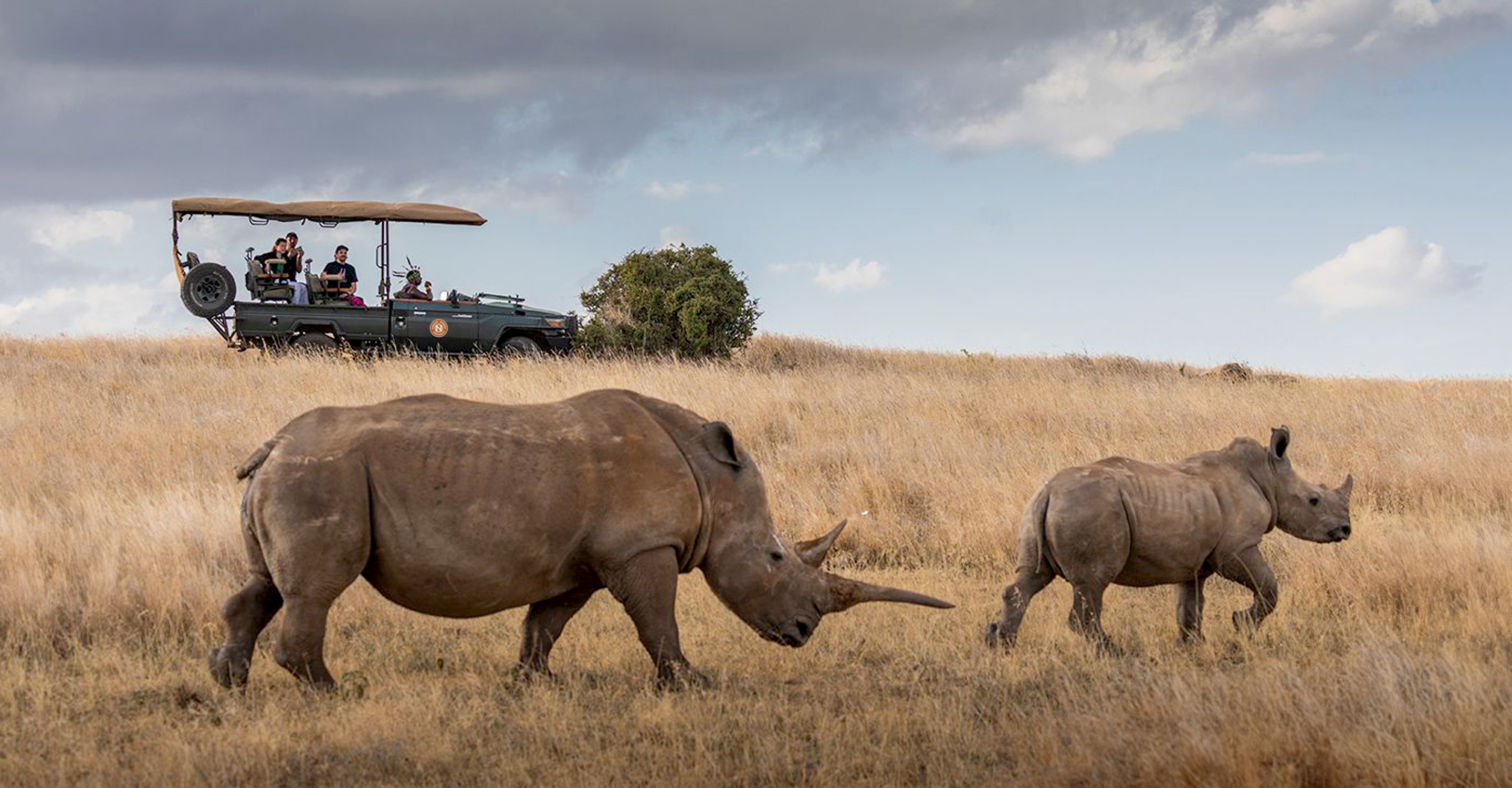
How to Plan a Safari for Photographers
Discover how to plan your dream safari with our expert guide on How to Plan a Safari for Photographers. Get tips on destinations, costs, and more.
 Safari Planning Guides
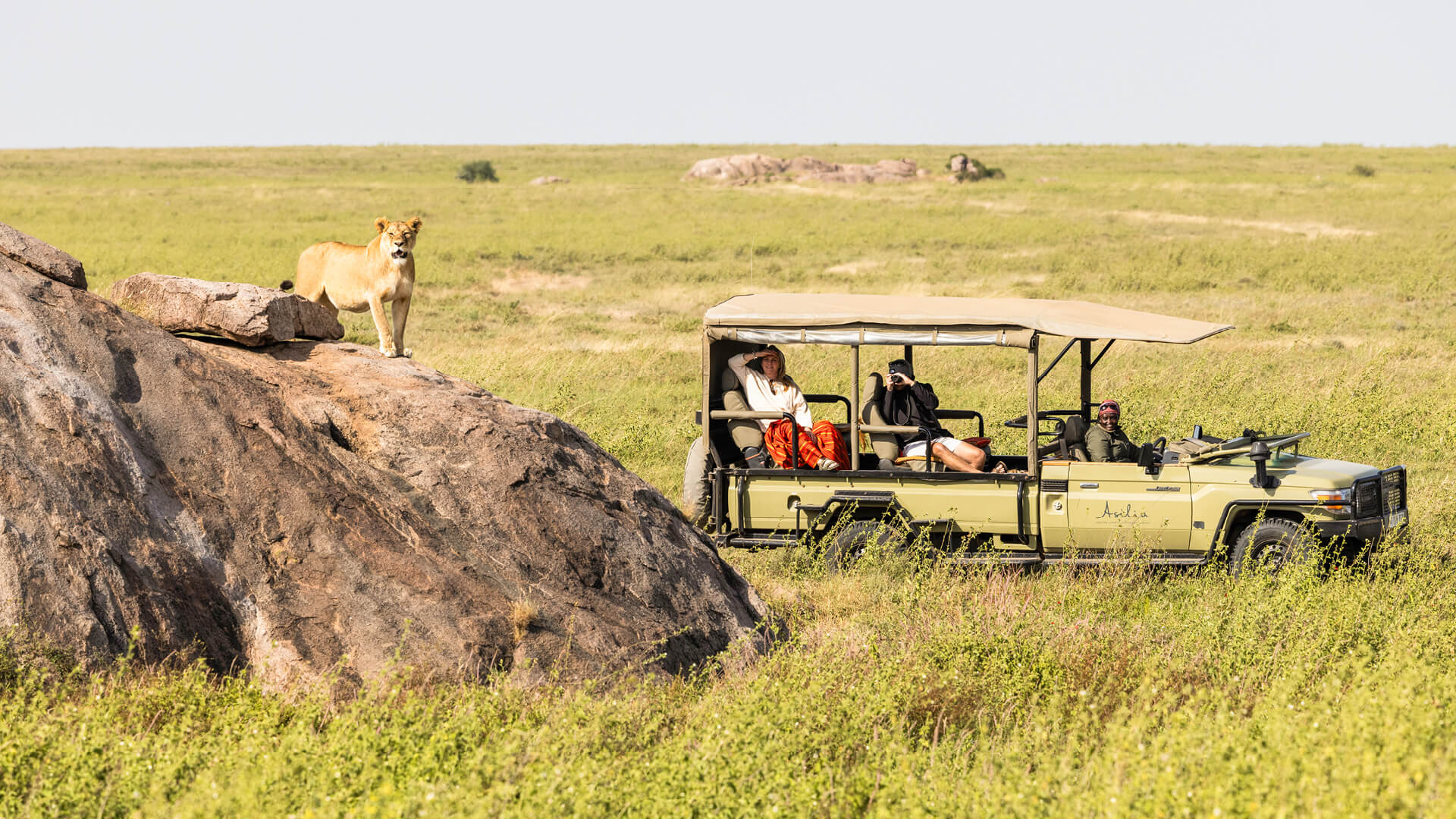
How to Plan a Safari for Wildlife Research
Discover how to plan your dream safari with our expert guide on How to Plan a Safari for Wildlife Research. Get tips on destinations, costs, and more.
 Safari Planning Guides
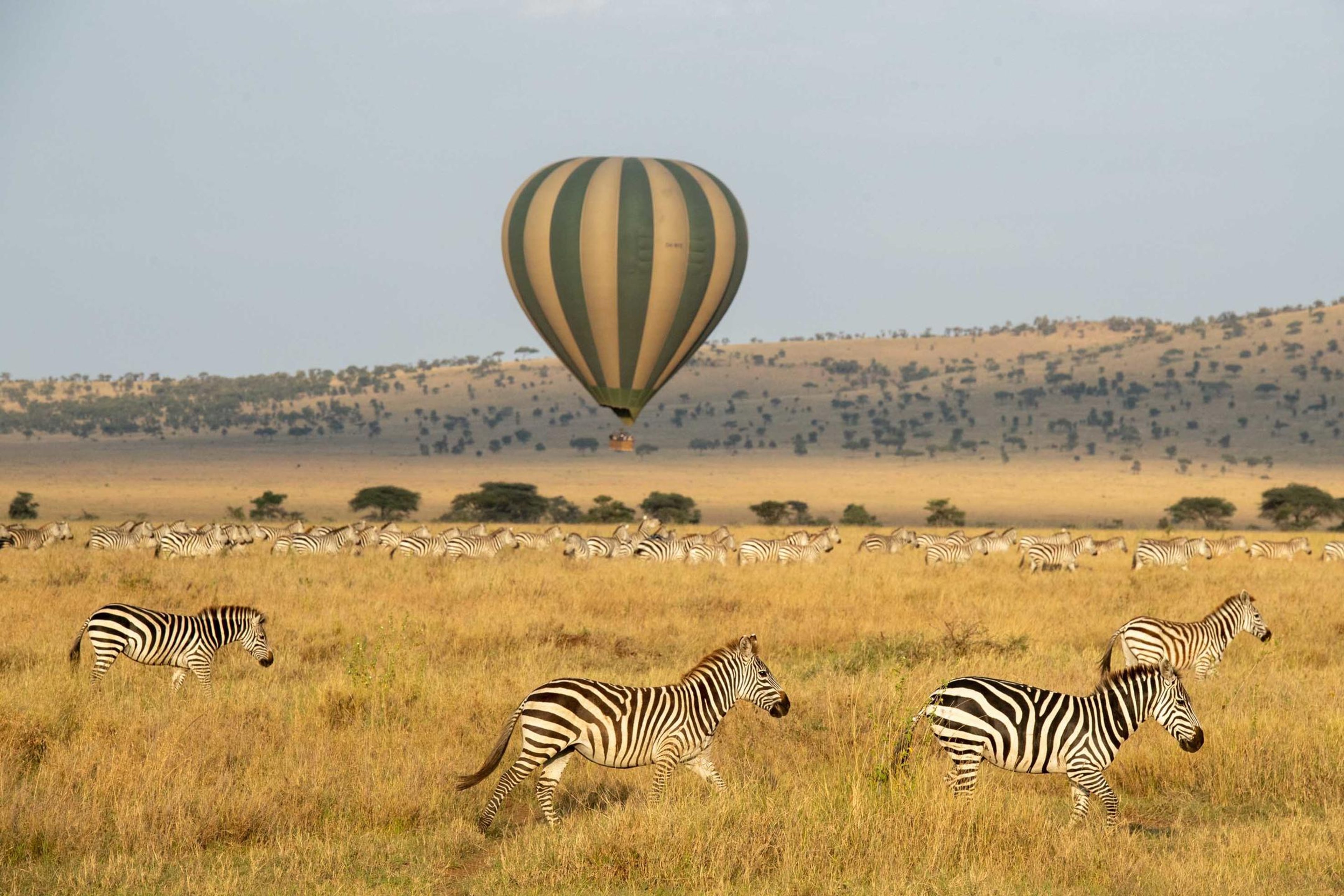
How to Plan a Safari for Wildlife Photography Beginners
Learn about how to plan a safari for wildlife photography beginners in this comprehensive safari guide covering key insights and practical advice.
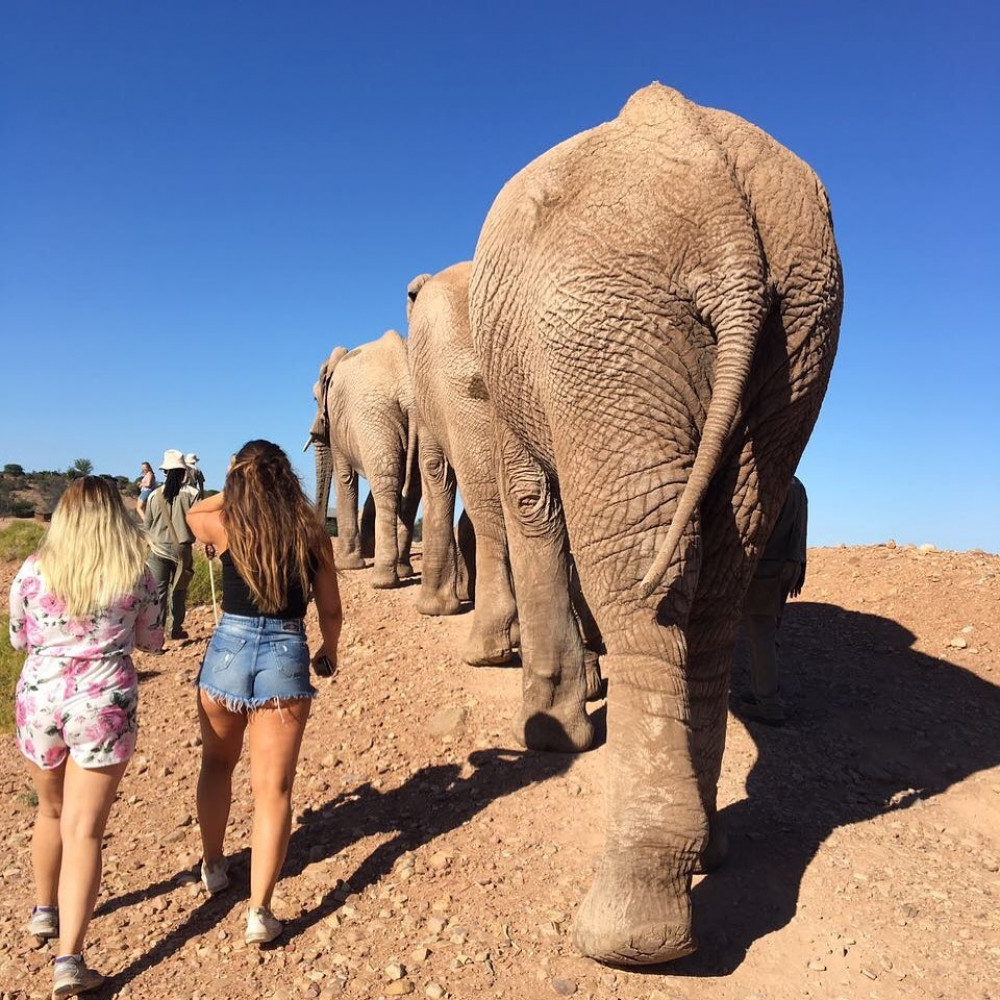 Safari Intelligence Insights
Safari Planning for Photographers
Planning a photo safari? Our guide covers the best destinations, essential camera gear, and photography tips to help you capture stunning wildlife images in Africa.
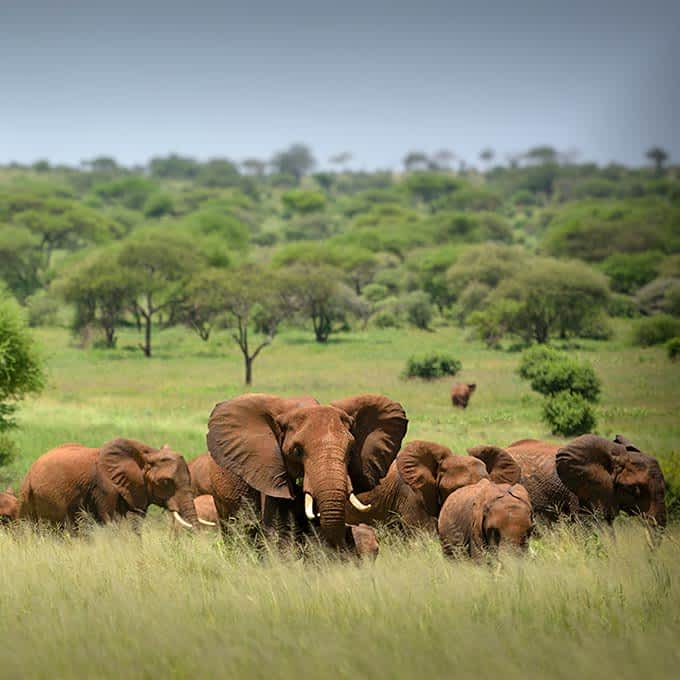 Safari Comparison Articles
Birding Safari vs Wildlife Safari
An in-depth comparison of Birding Safari vs Wildlife Safari to help you choose the perfect safari experience. Explore the pros, cons, and key differences to mak
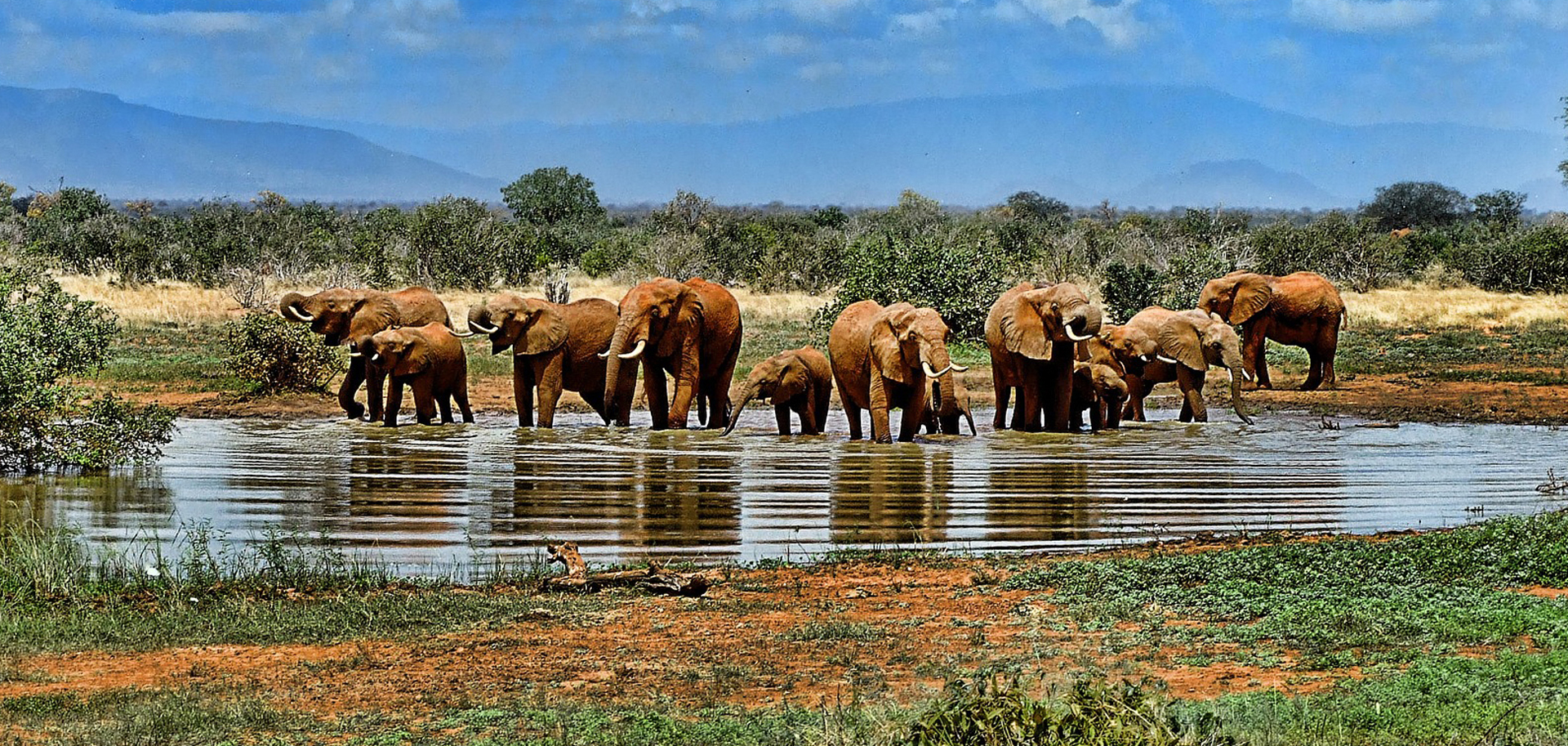 Safari Comparison Articles
Cultural Safari vs Wildlife Safari
An in-depth comparison of Cultural Safari vs Wildlife Safari to help you choose the perfect safari experience. Explore the pros, cons, and key differences to ma