
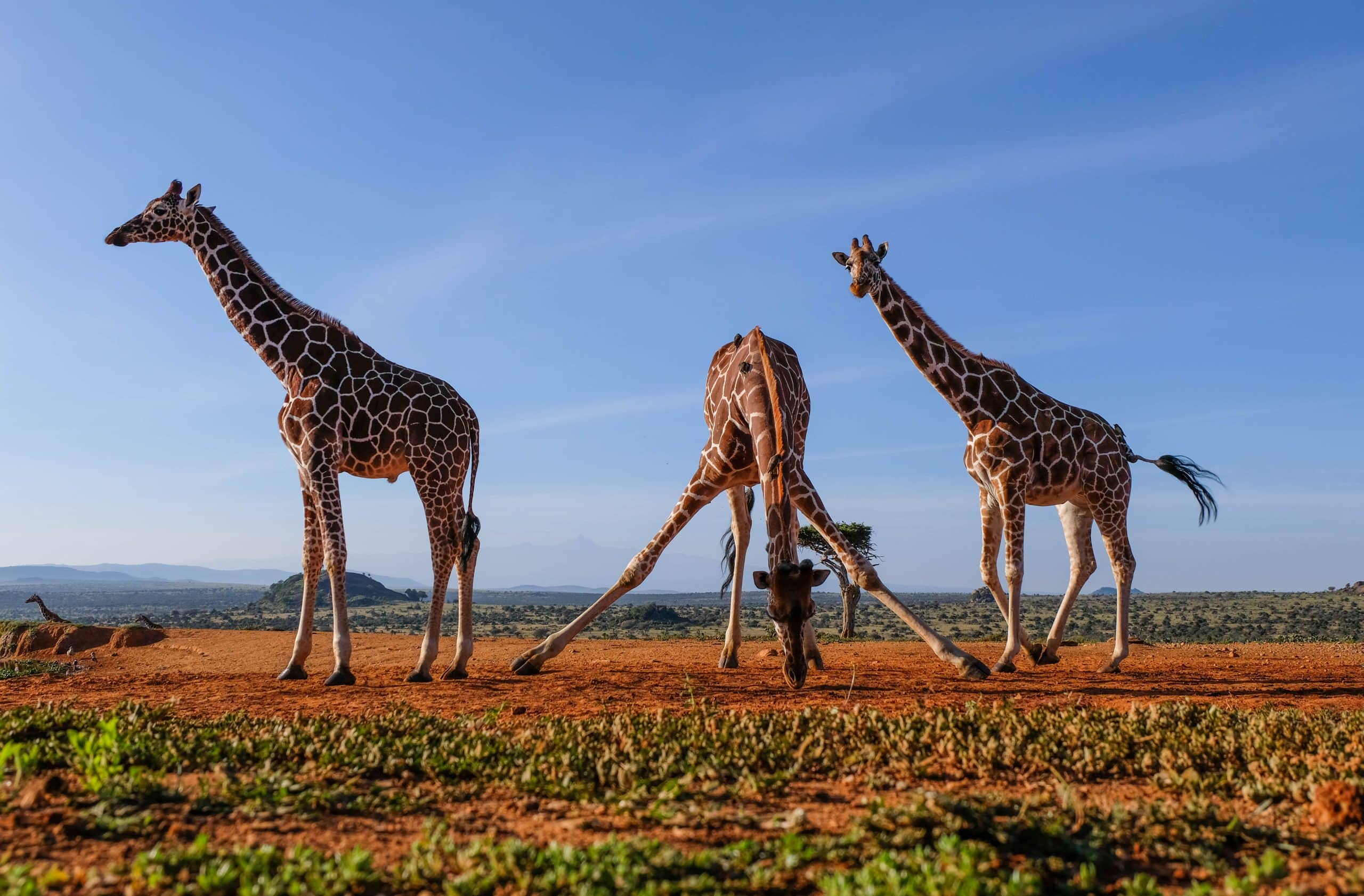
Discover the best safari camera for your trip to Africa. Our guide covers point-and-shoot, DSLR, and mirrorless cameras to help you capture stunning photos.
Choosing the right camera for your African safari is one of the most important decisions you'll make when planning your trip. A safari is often a once-in-a-lifetime experience, and your camera will be your tool for capturing the incredible moments you'll witness, from a lion yawning in the golden morning light to a herd of elephants crossing the plains of the Serengeti. While modern smartphones have impressive cameras, they have significant limitations when it comes to the unique challenges of wildlife photography. This guide will walk you through everything you need to know to choose the best safari camera for your needs and budget, ensuring you come home with stunning images that do justice to your adventure.
Why Your Smartphone Isn't Enough for a Safari
While it's tempting to rely on your smartphone for your safari photography, you'll likely be disappointed with the results. The biggest limitation is the lack of optical zoom. When you're on a game drive in parks like Kruger National Park in South Africa or the Maasai Mara in Kenya, you'll often be a considerable distance from the animals for safety reasons. Digital zoom on a smartphone merely crops and enlarges the image, resulting in a significant loss of quality, leaving you with grainy and pixelated photos. Wildlife is also often most active during the low-light hours of dawn and dusk, and smartphone sensors struggle to produce clean, detailed images in these conditions. The fast and unpredictable movements of animals also require a camera with a fast and accurate autofocus system, something most smartphones can't compete with.
Types of Cameras to Consider for Your Safari
When it comes to dedicated cameras for safari, you have a few main options, each with its own set of advantages and disadvantages. Understanding these differences will help you make an informed decision based on your priorities, whether that's image quality, portability, or ease of use.
Point-and-Shoot Cameras
Modern point-and-shoot cameras, especially the "bridge" or "superzoom" models, have come a long way and can be a great option for those who want a simple, all-in-one solution. The main advantage of these cameras is their incredible zoom range, often reaching 2000mm or more, which allows you to get frame-filling shots of distant animals without needing to change lenses. The Nikon Coolpix P950 and P1000 are popular examples. While they offer incredible convenience and are more budget-friendly, their smaller sensors mean that image quality, especially in low light, won't match that of a DSLR or mirrorless camera.
DSLR Cameras
For a long time, DSLR (Digital Single Lens Reflex) cameras were the go-to choice for serious amateur and professional wildlife photographers. They offer excellent image quality, a wide selection of interchangeable lenses, and robust build quality. Models like the Nikon D7500 or the Canon EOS 90D are excellent mid-range options that provide a great balance of features and performance. The ability to change lenses gives you the flexibility to use a wide-angle lens for landscapes and a powerful telephoto lens for wildlife. The main downsides are their size and weight, which can be cumbersome to carry around all day.
Mirrorless Cameras
Mirrorless cameras are the new standard in the industry and are arguably the best choice for most safari-goers today. They offer the same, if not better, image quality and lens versatility as DSLRs but in a more compact and lightweight body. The electronic viewfinder provides a real-time preview of your exposure, which is a huge advantage for getting the shot right in tricky lighting conditions. The autofocus systems in modern mirrorless cameras, like the Canon R6 Mark II or the Sony a7 IV, are incredibly fast and accurate, with advanced animal eye-tracking capabilities that make it easier than ever to get sharp photos of moving subjects. While they can be more expensive, the advantages they offer make them a worthwhile investment for a trip of a lifetime.
Still researching? Let us help.
Our advisory team has planned safaris across 9 African countries. We can turn your research into a real plan.
Talk to an AdvisorChoosing the Right Lens for Your Safari
Your lens is just as important, if not more so, than your camera body. The right lens will allow you to capture a variety of shots, from sweeping landscapes to intimate wildlife portraits. For a safari, you'll primarily need a good telephoto zoom lens.
The Importance of a Telephoto Lens
A telephoto lens is essential for wildlife photography. It allows you to get close-up shots of animals from a safe and respectful distance. A lens with a minimum focal length of 300mm is recommended, but 400mm or even 600mm will give you more reach and allow you to fill the frame with your subject. A zoom lens, such as a 100-400mm or 150-600mm, offers the most versatility, allowing you to quickly adjust your composition without having to change your position.
Don't Forget the Wide-Angle
While wildlife is the main attraction, the landscapes in Africa are just as breathtaking. From the vast plains of the Serengeti to the dramatic scenery of the Ngorongoro Crater, you'll want a wide-angle lens to capture the scale and beauty of your surroundings. A lens in the 16-35mm or 24-70mm range is perfect for this. If you want to travel light, an all-in-one zoom lens that covers both wide-angle and telephoto, such as a 24-240mm, can be a good compromise, though you may sacrifice some image quality at the extremes of the zoom range.
Essential Safari Camera Accessories
In addition to your camera and lenses, a few key accessories will significantly improve your photography experience on safari.
Extra Batteries and Memory Cards
You'll be shooting a lot of photos, and you don't want to run out of power or storage space in the middle of a once-in-a-lifetime sighting. Bring at least two or three extra batteries and several high-capacity memory cards. It's a good idea to have a system for organizing your used and empty cards to avoid accidentally overwriting your images.
Bean Bag for Stability
A tripod is generally not practical on a safari vehicle, as space is limited and you need to be able to react quickly. A bean bag is a fantastic alternative. You can rest it on the vehicle's window frame or roof to provide a stable platform for your camera, which is especially important when using a long telephoto lens. This will help you get sharp, blur-free images, even in low light.
Cleaning Kit
African safaris can be dusty, and you'll want to keep your camera sensor and lenses clean to ensure the best possible image quality. A simple kit with a lens cloth, a blower, and a lens pen will be invaluable.
Protective Camera Bag
A durable, padded camera bag is essential for protecting your gear from dust, bumps, and the elements. A backpack-style bag is often the most comfortable and practical option for carrying your equipment on and off the safari vehicle.
Conclusion
Investing in the right camera gear for your safari will make a world of difference in the quality of the memories you bring home. While the options can seem overwhelming, by considering your budget, your photographic goals, and your willingness to carry gear, you can find the perfect setup for your needs. Remember, the best camera is the one you have with you and know how to use. Practice with your new equipment before you leave, and you'll be well-prepared to capture the magic of the African bush.
Need Expert Safari Guidance?
Get expert advisory support from a firm founded by a former safari guide — with real operational knowledge across 9 African countries and full-journey accountability.
Related Planning Guides
Explore Related Topics
Recommended Reading
 Safari Planning
Best Time of Year to Go on Safari
Discover the best time of year to go on an African safari. Learn about the wet and dry seasons, and find out the ideal months to visit top destinations.
 Safari Planning
Best Countries for First-Time Safari Travelers
Discover the best countries for a first-time safari. Our expert guide compares Tanzania, Kenya, South Africa, and more to help you plan your dream African adventure.
 Packing & Preparation
Safari Camera Gear Packing Guide
Learn all about Safari Camera Gear Packing Guide in this comprehensive guide.
 Safari Cost Guides
Safari Camera Equipment Rental Costs
Planning a safari? Learn about safari camera equipment rental costs. Get expert advice and insights from Safari Intelligence to plan your perfect trip.
 Season & Timing Guides
Best Time to Visit South Africa for Safari
Expert guide on best time to visit south africa for safari with month-by-month conditions, pricing, and planning recommendations for safari travelers.
 Family Safaris
Best Safari Destinations for Families
Planning a family safari? Discover the best safari destinations for families, from malaria-free reserves in South Africa to the iconic plains of the Serengeti.