
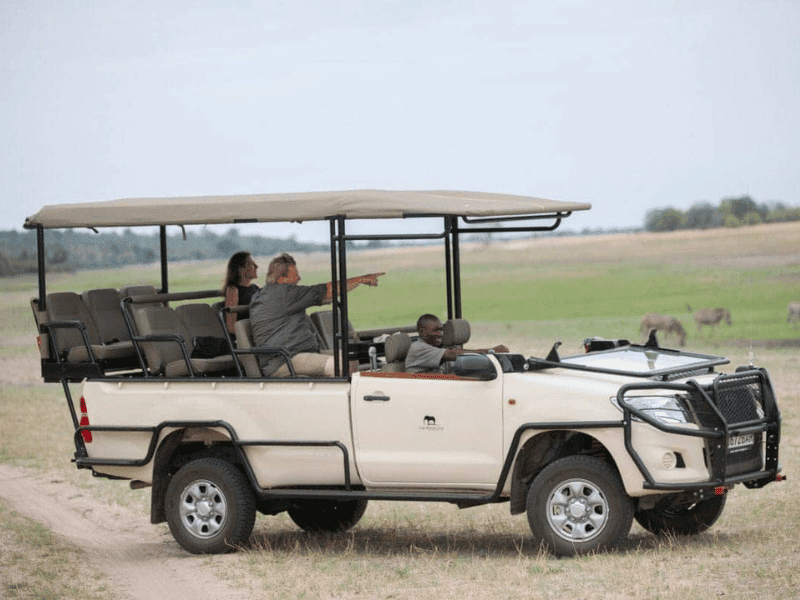
Understand safari park fees and how they contribute to conservation. This guide explains park entry costs in Africa, helping you budget for your safari.
When planning an African safari, you'll encounter a variety of costs, from accommodation and transport to activities and meals. One of the most significant and often misunderstood expenses is safari park fees. These fees are essential for the conservation of Africa's incredible wildlife and the maintenance of its national parks and reserves. Understanding how they work is crucial for budgeting and appreciating the value they provide. This guide breaks down everything you need to know about safari park fees, from why they exist to how they are calculated across different countries.
What Are Safari Park Fees and Why Do You Pay Them?
Safari park fees, also known as conservation fees or entry fees, are daily charges levied by national parks, game reserves, and wildlife conservancies. Every visitor entering a protected area is required to pay these fees, which serve as a primary source of funding for wildlife conservation and park management. Without these funds, the incredible ecosystems you come to see would not be sustainable.
The Role of Park Fees in Conservation
The revenue generated from park fees is critical for a wide range of conservation activities. It directly supports:
- Anti-Poaching Patrols: Funding for rangers, equipment, and surveillance to protect iconic species like elephants, rhinos, and lions from illegal poaching.
- Wildlife Monitoring and Research: Supporting scientific studies to understand animal behavior, population dynamics, and ecosystem health.
- Habitat Management: Maintaining the natural environment through activities like controlled burns, invasive species removal, and maintaining water sources.
- Infrastructure Development: Building and maintaining roads, bridges, and visitor facilities within the parks to ensure safe and accessible wildlife viewing.
Supporting Local Communities
In many cases, a portion of the park fees also goes toward community development projects in the areas surrounding the parks. These initiatives help ensure that local communities benefit directly from tourism, creating a positive relationship between conservation and local livelihoods. This can include funding for schools, healthcare clinics, and clean water projects, which fosters local support for wildlife protection.
How Safari Park Fees Are Structured
Park fees can vary significantly from one country to another and even between different parks within the same country. However, they generally follow a common structure.
Per Person, Per Day
The most common model is a fee charged per person, per day. This means for every 24-hour period you spend inside a park, a fee is due. For example, if the park fee is $80 per person per day and you spend three days in the park, you will pay $240 in park fees.
Per Vehicle Fees
In addition to per-person fees, most parks also charge a per vehicle entry fee. This fee is typically much lower than the per-person fee and is a flat rate for the vehicle for each day it is in the park. For example, a standard 4x4 safari vehicle might have an entry fee of $10 to $20 per day.
Citizen, Resident, and Non-Resident Rates
Park fees are almost always tiered based on residency status:
- Non-Residents: This is the standard rate for international tourists.
- Residents: Foreign nationals with official residency status in the country often pay a reduced rate.
- Citizens: Citizens of the country pay the lowest fees, making the parks accessible to the local population.
Still researching? Let us help.
Our advisory team has planned safaris across 9 African countries. We can turn your research into a real plan.
Talk to an AdvisorPark Fee Examples in Popular Safari Destinations
To give you a practical idea of what to expect, here are some examples of non-resident safari park fees in major African safari destinations. Please note that these fees are subject to change and should be verified when planning your trip.
Tanzania Park Fees
Tanzania is home to some of Africa's most famous parks, and its fees are among the highest, reflecting the premier wildlife experiences on offer.
- Serengeti National Park: Approximately $82.60 per person per day.
- Ngorongoro Conservation Area: In addition to the park entry fee of around $71 per person per day, there is a separate vehicle fee for descending into the crater, which is approximately $295 per vehicle.
- Tarangire National Park & Lake Manyara National Park: Around $59 per person per day.
Kenya Park Fees
Kenya has a dynamic pricing system that can vary by season. The fees for its flagship reserve are a significant part of any safari budget.
- Maasai Mara National Reserve: Fees can range from $80 to $100 per person per day, depending on the season and whether your accommodation is inside or outside the main reserve.
- Amboseli National Park & Lake Nakuru National Park: Approximately $60 per person per day.
- Nairobi National Park: Around $43 per person per day, offering a unique safari experience on the edge of the capital city.
Other Notable Destinations
- Kruger National Park, South Africa: Charges a daily conservation fee of approximately $30 per person for international visitors.
- Bwindi Impenetrable Forest, Uganda: Famous for gorilla trekking, the permit for which is $700 per person. This is a one-time fee for the trek, not a daily park fee in the traditional sense, though it includes park entry for the day of the trek.
How Park Fees Impact Your Overall Safari Cost
When you receive a safari quote from a tour operator, the park fees are typically bundled into the total price. However, it's important to clarify this to avoid surprises. For a 7-day safari in Tanzania visiting the Serengeti and Ngorongoro Crater, park fees alone could easily amount to over $600 per person. This is a substantial portion of your total safari cost, so understanding these fees helps you appreciate the value you're getting.
Conservation Levies and Community Fees
In addition to government-mandated park fees, you may also encounter conservation levies and community fees. These are often charged by private conservancies or even individual lodges.
- Private Conservancy Fees: Many high-end safari camps are located in private wildlife conservancies that border national parks. These conservancies charge their own daily fees, which are often comparable to or even higher than national park fees. In return, you get exclusive access to the area, lower vehicle density, and the ability to participate in activities not allowed in national parks, such as night drives and walking safaris.
- Community Fees: Some lodges have agreements with local communities to support development projects. A small, per-person, per-night fee might be added to your bill, which goes directly to these community initiatives.
Done Reading? Let's Build Your Safari.
Skip the guesswork. Work with an advisor who has been on the ground across East and Southern Africa.
Plan With UsBudgeting for Safari Park Fees
When planning your safari budget, it's essential to account for park fees. Here are a few tips:
- Ask for a Detailed Breakdown: When you get a quote from a safari operator, ask for a breakdown that clearly shows the park fees. This will help you understand exactly where your money is going.
- Consider the Duration: The longer you stay in the parks, the more you will pay in fees. A shorter, more focused safari can be a way to manage costs.
- Mix and Match: Consider a mix of national parks and private conservancies. While private conservancies can be more expensive, they often offer a more exclusive experience.
By understanding safari park fees, you can better plan your budget and appreciate the vital role your tourism dollars play in protecting Africa's magnificent wildlife for generations to come. These fees are not just an expense; they are a direct investment in the future of the wild places you have come to explore.
Need Expert Safari Guidance?
Get expert advisory support from a firm founded by a former safari guide — with real operational knowledge across 9 African countries and full-journey accountability.
Related Planning Guides
Explore Related Topics
Recommended Reading
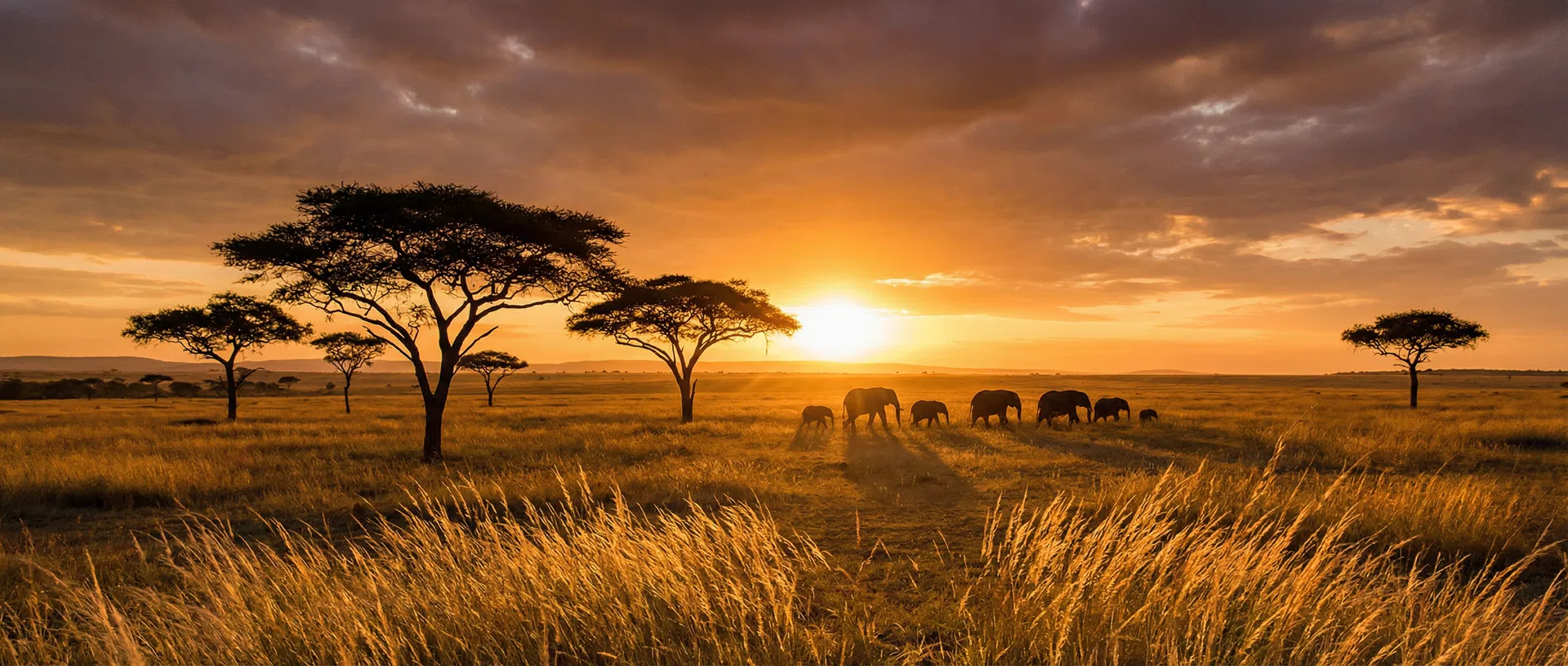 Safari Cost Guides
Cost of Safari Park Entry Fees by Country
Planning a safari? Learn about cost of safari park entry fees by country. Get expert advice and insights from Safari Intelligence to plan your perfect trip.
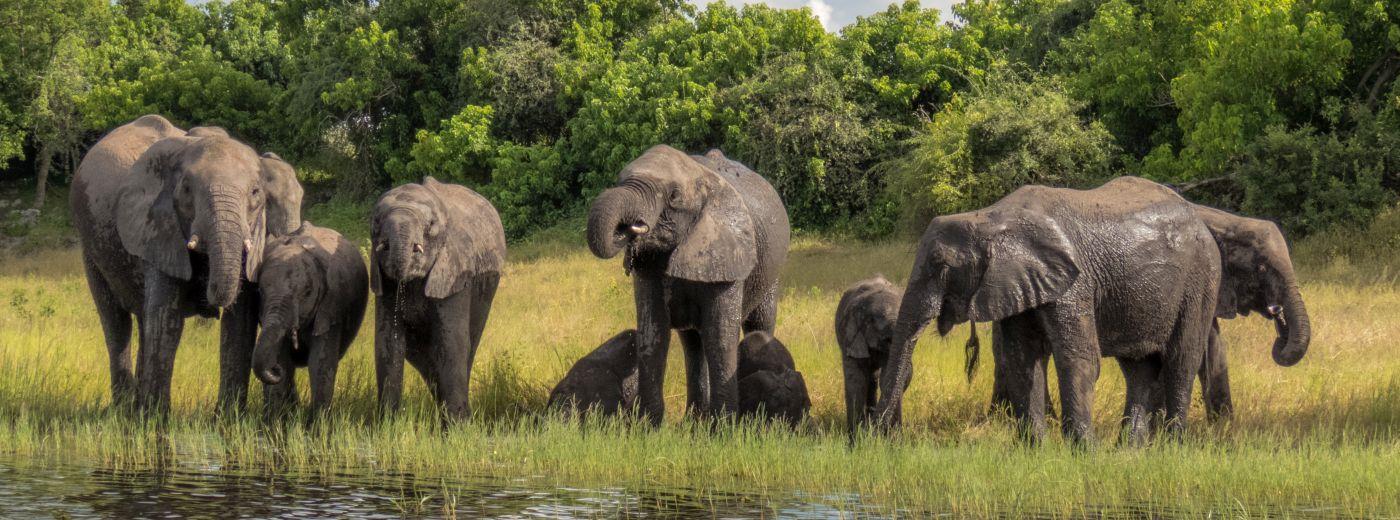 Safari Cost Guides
How Park Fee Increases Affect Safari Costs
Learn about how park fee increases affect safari costs in this comprehensive safari guide covering key insights and practical advice.
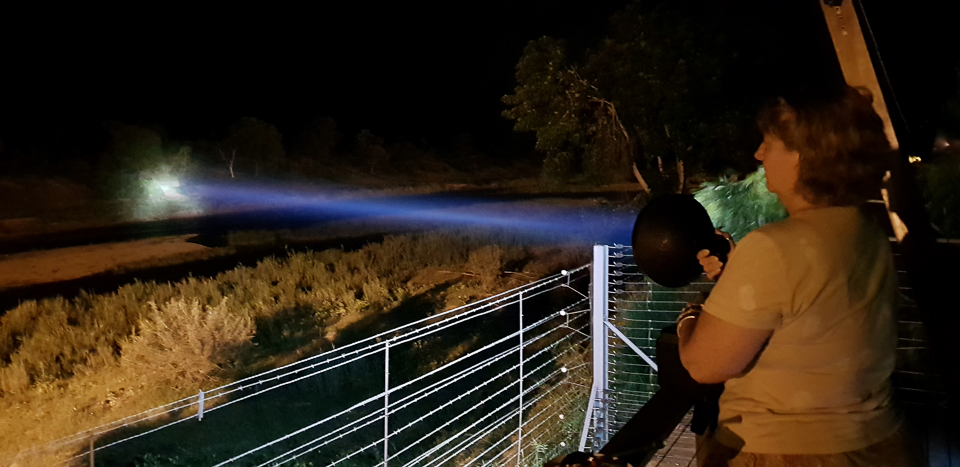 Safari Costs
Safari Pricing Explained
Understand what drives African safari prices. This guide explains the key factors that determine safari costs, from accommodation and season to destination.
 Destination Guides
Complete Guide to Liuwa Plain National Park
Learn about complete guide to liuwa plain national park in this comprehensive safari guide.
 Safari Cost Guides
Safari Transfer Costs Explained
Planning a safari? Learn about safari transfer costs explained. Get expert advice and insights from Safari Intelligence to plan your perfect trip.
 Safari Costs
Budget Safari vs Luxury Safari Costs
Discover the key cost differences between budget and luxury safaris, from accommodation and guiding to game drives and locations, to choose the right trip for you.