
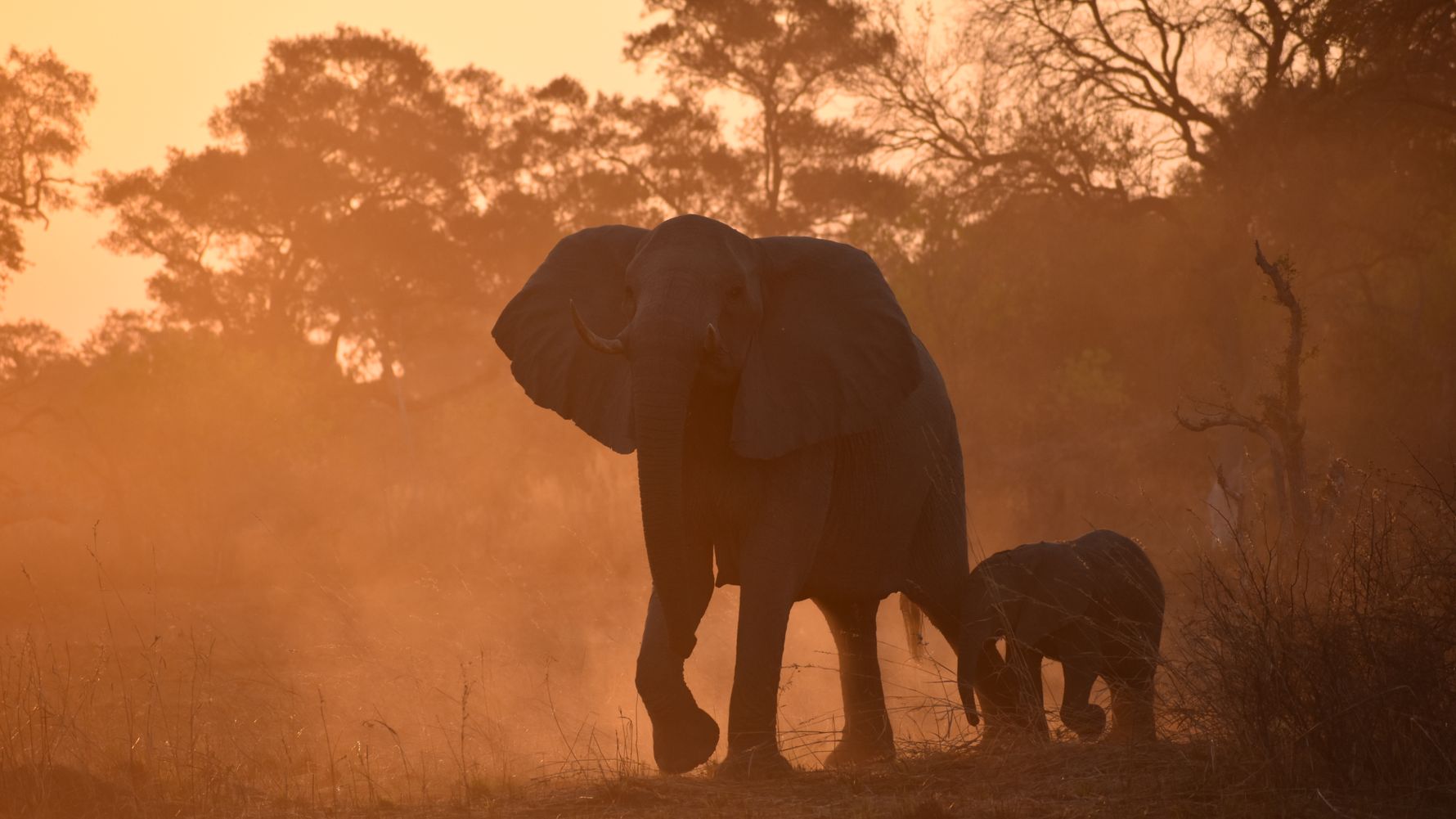
Learn all about Safari Dust Protection for Electronics in this comprehensive guide.
Understanding the Climate and Terrain in Africa
When packing for a safari in Africa, it's essential to consider the local climate and terrain. Africa has a diverse landscape, from vast plains to dense forests. Temperatures can fluctuate significantly, with warm days and cool evenings. Lightweight, breathable fabrics are your best friend. For more on planning your trip, see our destination guide for Africa.
Essential Clothing Items
Neutral-colored clothing is highly recommended to blend in with the environment and avoid startling the wildlife. Think khaki, olive, and brown. You'll want to pack a mix of short-sleeved shirts and long-sleeved shirts for sun protection. A lightweight waterproof jacket is also a must, as rain showers can be unpredictable. For personalized packing advice, consider consulting with one of our safari operators.
Still researching? Let us help.
Our advisory team has planned safaris across 9 African countries. We can turn your research into a real plan.
Talk to an AdvisorFootwear for All Activities
Comfortable, broken-in walking shoes are non-negotiable. Whether you're on a walking safari or just exploring your lodge, you'll be on your feet a lot. A pair of sandals or flip-flops is also great for relaxing at the lodge. If you're planning any strenuous hikes, be sure to bring appropriate hiking boots. Our safari cost calculator can help you budget for any specialized gear you may need to purchase.
Sun and Insect Protection
A wide-brimmed hat, sunglasses, and high-SPF sunscreen are crucial for protecting yourself from the African sun. Insect repellent is also a must, especially in the evenings. Look for a repellent containing DEET for the most effective protection against mosquitoes and other biting insects. For more health and safety tips, visit our knowledge base.
Evening and Lodge Attire
Evenings on safari can be a mix of casual and smart-casual. Most lodges have a relaxed dress code, but it's always a good idea to pack a slightly nicer outfit for dinner. A pashmina or wrap is perfect for adding a touch of warmth and style. Before you book, be sure to research safari operators in Africa to understand the specific dress codes at their lodges.
Done Reading? Let's Build Your Safari.
Skip the guesswork. Work with an advisor who has been on the ground across East and Southern Africa.
Plan With UsThe Unseen Enemy: Why Safari Dust Is Your Gear's Worst Nightmare
When you picture an African safari, you likely imagine vast savannas, iconic wildlife, and stunning sunsets. What you might not picture is the pervasive, fine dust that characterizes many of the continent's most famous landscapes. This isn't the ordinary dust you find at home; it's a fine, abrasive powder that can infiltrate every nook and cranny of your sensitive and expensive electronics.
In destinations like the Kalahari Desert in Botswana, Amboseli National Park in Kenya, or the salt pans of Etosha in Namibia, the soil is composed of volcanic ash and other fine particulates. During the dry season, this dust is kicked up by the wind and safari vehicles, creating a constant haze that settles on everything. The particles are so small that they can bypass the seals on non-weather-sealed camera bodies, work their way into lens barrels, and coat delicate camera sensors, leading to costly repairs and ruined photos.
Expert Insight: The abrasive nature of this dust means it doesn't just sit on your gear; it can scratch lens coatings, damage the delicate shutter mechanism, and clog the cooling fans of laptops, causing them to overheat. Protecting your equipment isn't just about cleanliness—it's about preserving the functionality and longevity of your investment.
Your Anti-Dust Arsenal: Essential Gear for Protection
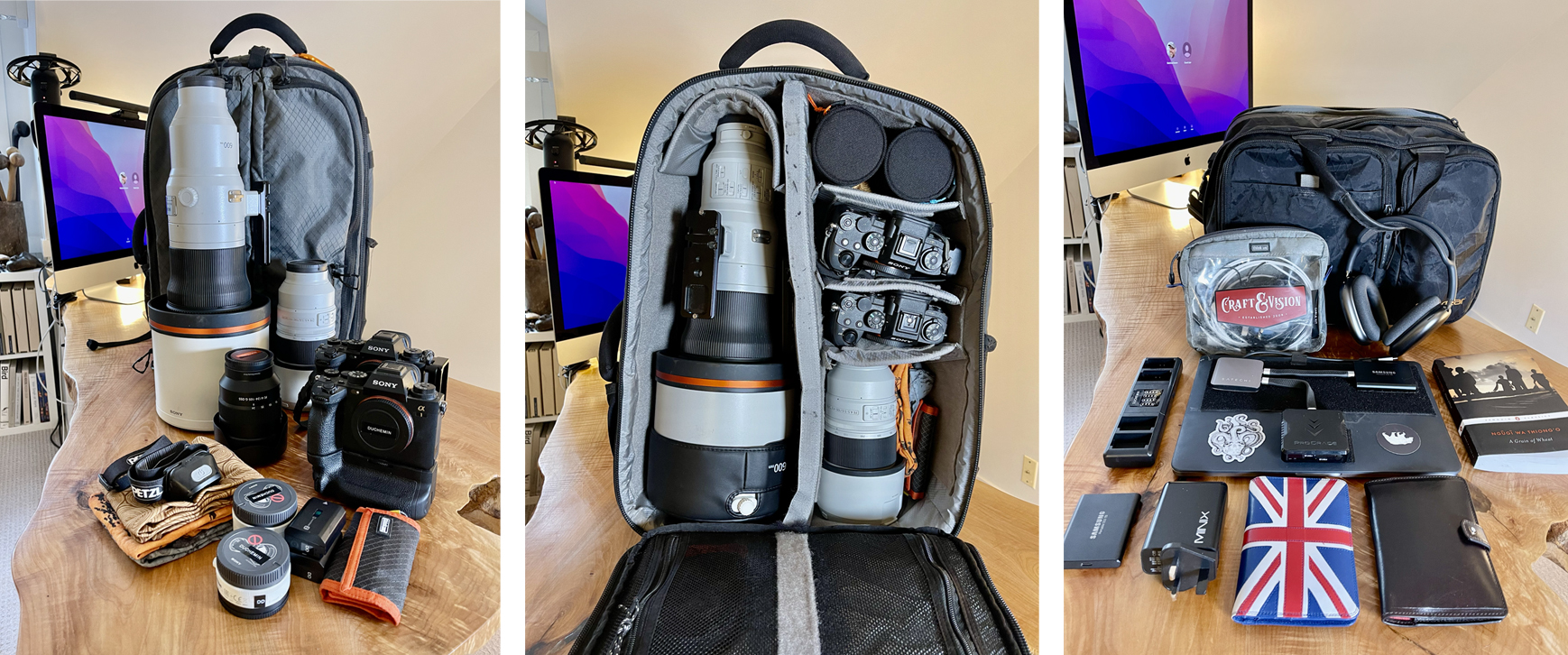
Protecting your electronics from safari dust starts with having the right gear. While you can’t eliminate dust entirely, you can create a formidable defense against it. Here’s a breakdown of the essential items to pack.
| Gear Category | Recommended Items | Key Features & Benefits | | --- | --- | --- | | Camera Bags | Peak Design Everyday Backpack, F-Stop Gear Mountain Series | Look for bags with weather-resistant zippers and materials. A good bag is your first and most important line of defense, keeping your gear sealed away when not in use. | | Hard Cases | Pelican Air or Protector Cases | For maximum protection of laptops, hard drives, and sensitive audio equipment, a dust-proof and crush-proof hard case is unparalleled. They are bulky but offer total peace of mind. | | Camera & Lens Protection | Weather-sealed camera bodies and lenses, UV/Skylight filters | Investing in weather-sealed gear provides a significant advantage. For non-sealed lenses, a high-quality UV filter acts as a sacrificial barrier, protecting the front element from scratches. | | Budget-Friendly Options | Large Ziploc bags, dry bags | A simple, large Ziploc bag or a lightweight dry bag (used for kayaking) can be an incredibly effective and affordable way to protect a camera body or lens inside a larger, non-specialized backpack. | | Cleaning Tools | Giottos Rocket Air Blower, microfiber cloths, lens pens | A powerful air blower is non-negotiable for safely removing dust from sensors and lenses without physical contact. Microfiber cloths are essential for wiping down camera bodies and screens. |
Traveler's Tip: Before your trip, practice using your air blower on your camera sensor in a clean environment. This will help you feel more confident performing field cleanings if a stubborn dust spot appears on your images. For guidance on what to pack, consult our comprehensive safari packing list.
In-the-Field Tactics: Proactive Dust Mitigation
How you handle your gear during game drives and at the lodge is just as important as the equipment you bring. Developing good habits is key to keeping your electronics safe.
On the Safari Vehicle
The safari vehicle is where your gear is most vulnerable. The open sides and movement create a vortex of dust that can quickly coat everything.
- Keep It Stowed: When you're not actively photographing, keep your camera in its sealed bag. Avoid the temptation to leave it on the seat next to you, even for a few minutes.
- Minimize Lens Changes: Changing lenses in the field is a direct invitation for dust to enter your camera body and settle on the sensor. If you must change a lens, do it as quickly as possible inside the vehicle, with the camera body facing down. If you have two camera bodies, consider keeping a wide-angle lens on one and a telephoto on the other to avoid changes altogether.
- Use a Protective Wrap: A simple camera wrap or even a small towel can be used to cover your camera and lens while it’s on your lap, providing an extra layer of protection between shots.
Back at the Lodge
Your tent or room should be a sanctuary for your equipment. Designate a "clean zone"—a table or desk where you will service your gear. Never place your camera bag on the floor.
- Daily Cleaning Ritual: At the end of each day, take 15-20 minutes to thoroughly clean your equipment. Use the air blower to remove loose dust from the camera body, lens exteriors, and your camera bag itself. Wipe everything down with a microfiber cloth.
- Charge Smart: Keep charging ports covered and clean them with a blower before plugging in any cables. Dust in a charging port can prevent a good connection and even cause damage.
Post-Safari Maintenance: Ensuring Long-Term Health
Even with diligent care, some dust will inevitably find its way into your gear. Once you return home, a more thorough cleaning is in order.
- Professional Servicing: If you notice persistent dust spots on your photos (especially at smaller apertures like f/16 or f/22) or if your lens zoom or focus rings feel gritty, it’s time for a professional cleaning. A qualified technician can safely clean the sensor and service the lens, preventing long-term damage. The cost of a professional cleaning is a small price to pay compared to the cost of a new camera or lens. Our safari operators can often recommend trusted repair shops.
- Proper Storage: Don't just toss your camera bag in a closet. Store your gear in a clean, dry environment. Using a sealed case with a desiccant pack can help absorb any residual moisture and prevent fungus growth, which can be exacerbated by dust particles.
Expanding your knowledge on these topics will ensure you return from your trip of a lifetime with incredible memories and photographs, not a hefty repair bill. To start crafting your perfect adventure, explore our destinations or use our safari cost calculator to begin budgeting. When you're ready, our team is here to help you plan your safari.
Need Expert Safari Guidance?
Get expert advisory support from a firm founded by a former safari guide — with real operational knowledge across 9 African countries and full-journey accountability.
Related Planning Guides
Recommended Reading
 Packing & Preparation
Safari Hat and Sun Protection Guide
Learn all about Safari Hat and Sun Protection Guide in this comprehensive guide.
 Packing & Preparation
Safari Hearing Protection Tips
Learn all about Safari Hearing Protection Tips in this comprehensive guide.
 Travel Logistics
Safari Dust Storm Preparation
A comprehensive guide to Safari Dust Storm Preparation. Learn everything you need to know for your safari adventure.
 Packing & Preparation
Safari Footwear Guide
Learn all about Safari Footwear Guide in this comprehensive guide.
 Safari Planning
Step-by-Step Guide to Planning an African Safari
Learn how to plan your first African safari with our step-by-step guide. We cover everything from choosing a destination to booking your trip and packing.
 Safari Planning
Private Safari vs Group Safari
Learn the key differences between private and group safaris to decide which is right for you. This guide compares flexibility, cost, and experience.