
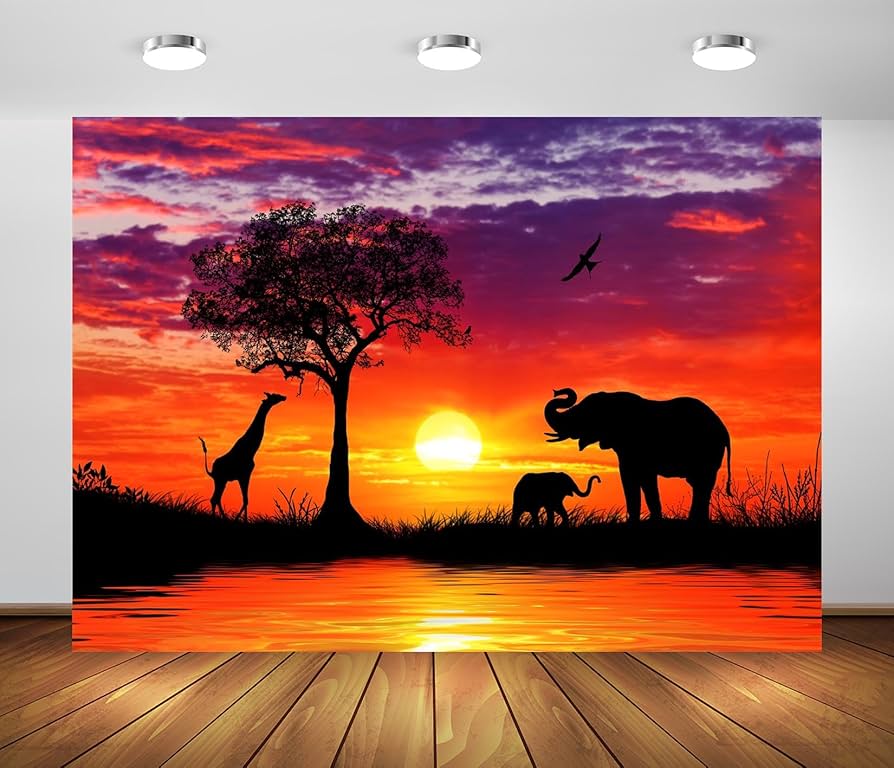
Learn all about Safari Cold Weather Gear for Early Morning Drives in this comprehensive guide.
Understanding the Climate and Terrain in Africa
When packing for a safari in Africa, it's essential to consider the local climate and terrain. Africa has a diverse landscape, from vast plains to dense forests. Temperatures can fluctuate significantly, with warm days and cool evenings. Lightweight, breathable fabrics are your best friend. For more on planning your trip, see our destination guide for Africa.
Essential Clothing Items
Neutral-colored clothing is highly recommended to blend in with the environment and avoid startling the wildlife. Think khaki, olive, and brown. You'll want to pack a mix of short-sleeved shirts and long-sleeved shirts for sun protection. A lightweight waterproof jacket is also a must, as rain showers can be unpredictable. For personalized packing advice, consider consulting with one of our safari operators.
Still researching? Let us help.
Our advisory team has planned safaris across 9 African countries. We can turn your research into a real plan.
Talk to an AdvisorFootwear for All Activities
Comfortable, broken-in walking shoes are non-negotiable. Whether you're on a walking safari or just exploring your lodge, you'll be on your feet a lot. A pair of sandals or flip-flops is also great for relaxing at the lodge. If you're planning any strenuous hikes, be sure to bring appropriate hiking boots. Our safari cost calculator can help you budget for any specialized gear you may need to purchase.
Sun and Insect Protection
A wide-brimmed hat, sunglasses, and high-SPF sunscreen are crucial for protecting yourself from the African sun. Insect repellent is also a must, especially in the evenings. Look for a repellent containing DEET for the most effective protection against mosquitoes and other biting insects. For more health and safety tips, visit our knowledge base.
Evening and Lodge Attire
Evenings on safari can be a mix of casual and smart-casual. Most lodges have a relaxed dress code, but it's always a good idea to pack a slightly nicer outfit for dinner. A pashmina or wrap is perfect for adding a touch of warmth and style. Before you book, be sure to research safari operators in Africa to understand the specific dress codes at their lodges.
Done Reading? Let's Build Your Safari.
Skip the guesswork. Work with an advisor who has been on the ground across East and Southern Africa.
Plan With UsMastering the Art of Layering: A Strategic Approach
A successful safari wardrobe is built on a strategic layering system. This allows you to adapt to fluctuating temperatures, from pre-dawn chill to midday warmth. Each layer has a specific function, and choosing the right materials is key to comfort and performance.
The Base Layer: Your Second Skin
The base layer wicks moisture away from your skin, which is crucial for staying warm and dry. Avoid cotton, as it absorbs moisture and can leave you feeling cold and damp. Instead, opt for:
- Merino Wool: This natural fiber is an excellent insulator, even when wet. It's also breathable, odor-resistant, and incredibly soft. A lightweight, long-sleeved merino wool top is a safari essential.
- Synthetic Fabrics: Materials like polyester and nylon are also effective at wicking moisture. They are often more affordable than merino wool and are very durable.
> Expert Insight: For those with sensitive skin, high-quality merino wool is often less irritating than traditional wool. Look for brands that specialize in fine-gauge merino base layers.
The Mid-Layer: Your Insulation Engine
The mid-layer provides the bulk of your insulation, trapping body heat to keep you warm. Versatility is key here, as this is the layer you'll most likely remove as the day warms up.
- Fleece: A fleece jacket or vest is a classic mid-layer for a reason. It's lightweight, breathable, and provides excellent warmth for its weight. Polartec fleece is a well-regarded brand that comes in various weights.
- Down or Synthetic Puffer Jackets: For colder destinations like the Ngorongoro Crater in Tanzania or the high-altitude regions of Kenya, a packable puffer jacket is a game-changer. Down offers the best warmth-to-weight ratio, but synthetic insulation (like PrimaLoft or Thinsulate) retains its insulating properties when damp, making it a more practical choice for misty mornings.
The Outer Shell: Your Shield Against the Elements
Your outermost layer should be a windproof and water-resistant jacket. This protects you from wind chill, which can make a cool morning feel frigid, and it will also keep you dry in case of an unexpected shower. Look for a jacket that is lightweight and easily packable. Many safari vehicles are open-sided, so a good windbreaker is non-negotiable.
Essential Accessories for Cold Mornings
While a good layering system is the foundation of your cold-weather gear, the right accessories can make a world of difference in your comfort.
Head and Hand Protection
A significant amount of body heat is lost through your head, so a warm hat is a must. A fleece-lined beanie or a wool hat will keep you cozy. For your hands, a pair of lightweight gloves or mittens is essential. Consider gloves with touchscreen-compatible fingertips so you can still use your camera or phone without exposing your hands to the cold.
Footwear for Frigid Starts
Even if the afternoon promises to be hot, you'll be grateful for warm footwear on a cold morning. Closed-toe shoes are a must for all game drives, and a pair of warm wool socks will keep your feet comfortable. There's no need for heavy hiking boots unless your itinerary includes walking safaris; a comfortable pair of trail runners or sneakers will suffice for most trips. For more packing advice, consult our safari operators.
Beyond Clothing: Other Cold-Weather Comforts
Beyond what you wear, a few extra items can enhance your comfort on a chilly game drive:
- Thermos with a Hot Drink: Many lodges will offer you a hot beverage before you set out, but bringing your own thermos of coffee, tea, or hot chocolate can be a welcome treat as the sun comes up.
- Lodge-Provided Blankets: Most safari operators will provide warm blankets in the vehicle for your morning drive. Don't be shy about using them—they can make a huge difference.
- Hand and Toe Warmers: If you are particularly sensitive to the cold, disposable hand and toe warmers can be a lifesaver. They are small, lightweight, and provide hours of warmth.
Regional and Seasonal Variations in Cold
Not all safari destinations are created equal when it comes to cold. The high-altitude Ngorongoro Conservation Area in Tanzania can be cold year-round, with morning temperatures often dipping into the single digits Celsius (40s Fahrenheit). In contrast, a winter morning in South Africa's Kruger National Park will be chilly but generally less extreme.
> Traveler's Tip: Before you finalize your packing list, check the average monthly temperatures for your specific destinations and travel dates. This will help you tailor your wardrobe to the conditions you're likely to encounter. Our safari cost calculator can also help you budget for any extra gear you may need to purchase.
What Not to Pack: Avoiding Overpacking
While it's important to be prepared for the cold, it's also crucial to avoid overpacking, as many small aircraft used for safari travel have strict luggage weight limits. Avoid bulky, heavy coats and opt for multiple lightweight layers instead. There is no need for formal wear on safari, so leave the suits and fancy dresses at home. When you're ready to start planning your adventure, you can plan your safari with our expert team.
Need Expert Safari Guidance?
Get expert advisory support from a firm founded by a former safari guide — with real operational knowledge across 9 African countries and full-journey accountability.
Related Planning Guides
Recommended Reading
 Packing & Preparation
Safari Camera Gear Packing Guide
Learn all about Safari Camera Gear Packing Guide in this comprehensive guide.
 Packing & Preparation
Safari Rain Gear Guide
Learn all about Safari Rain Gear Guide in this comprehensive guide.
 Safari Comparison Articles
Morning Game Drive vs Afternoon Game Drive
Learn about morning game drive vs afternoon game drive in this comprehensive safari guide covering key insights and practical advice.
 Safari Comparison Articles
Safari Train vs Safari Drive
An in-depth comparison of Safari Train vs Safari Drive to help you choose the perfect safari experience. Explore the pros, cons, and key differences to make an
 Safari Travel Tips
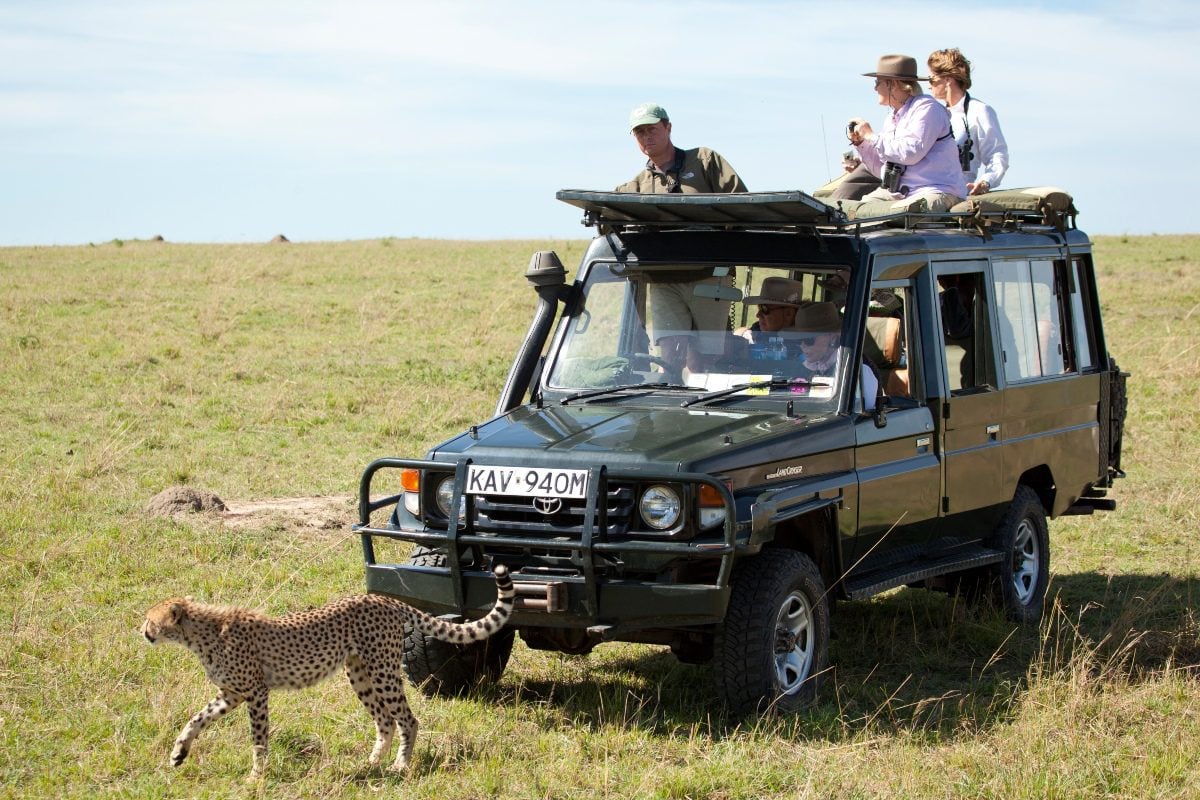
Safari Game Drive Etiquette
Learn the essential safari game drive etiquette to ensure a safe, respectful, and unforgettable wildlife experience in Africa. Your guide to responsible travel.
 Safari Travel Tips
Safari Weather Tips
Master African safari weather with our expert guide. Learn about climate zones, wet vs. dry seasons, and what to pack for the perfect safari adventure.