
Learn all about Safari Footwear Guide in this comprehensive guide.
Understanding the Climate and Terrain in Africa
When packing for a safari in Africa, it's essential to consider the local climate and terrain. Africa has a diverse landscape, from vast plains to dense forests. Temperatures can fluctuate significantly, with warm days and cool evenings. Lightweight, breathable fabrics are your best friend. For more on planning your trip, see our destination guide for Africa.
Essential Clothing Items
Neutral-colored clothing is highly recommended to blend in with the environment and avoid startling the wildlife. Think khaki, olive, and brown. You'll want to pack a mix of short-sleeved shirts and long-sleeved shirts for sun protection. A lightweight waterproof jacket is also a must, as rain showers can be unpredictable. For personalized packing advice, consider consulting with one of our safari operators.
Still researching? Let us help.
Our advisory team has planned safaris across 9 African countries. We can turn your research into a real plan.
Talk to an AdvisorFootwear for All Activities
Comfortable, broken-in walking shoes are non-negotiable. Whether you're on a walking safari or just exploring your lodge, you'll be on your feet a lot. A pair of sandals or flip-flops is also great for relaxing at the lodge. If you're planning any strenuous hikes, be sure to bring appropriate hiking boots. Our safari cost calculator can help you budget for any specialized gear you may need to purchase.
Sun and Insect Protection
A wide-brimmed hat, sunglasses, and high-SPF sunscreen are crucial for protecting yourself from the African sun. Insect repellent is also a must, especially in the evenings. Look for a repellent containing DEET for the most effective protection against mosquitoes and other biting insects. For more health and safety tips, visit our knowledge base.
Evening and Lodge Attire
Evenings on safari can be a mix of casual and smart-casual. Most lodges have a relaxed dress code, but it's always a good idea to pack a slightly nicer outfit for dinner. A pashmina or wrap is perfect for adding a touch of warmth and style. Before you book, be sure to research safari operators in Africa to understand the specific dress codes at their lodges.
Done Reading? Let's Build Your Safari.
Skip the guesswork. Work with an advisor who has been on the ground across East and Southern Africa.
Plan With UsSpecialized Footwear for Your Safari Itinerary
While a versatile, broken-in pair of hiking boots is a safari staple, certain activities call for specialized footwear. Understanding your itinerary is key to packing the right shoes for every part of your adventure. Our safari operators can help you understand the specific demands of your chosen destinations.
Footwear for Walking Safaris
For travelers embarking on a walking safari in parks like Zambia's South Luangwa National Park or Zimbabwe's Mana Pools, footwear becomes your most critical piece of gear. On foot, you are an active participant in the ecosystem, and your connection to the ground is paramount.
- Ankle Support is Non-Negotiable: You will be traversing uneven terrain, from rocky outcrops to thorny acacia scrub. A mid or high-cut boot provides essential ankle support to prevent sprains and twists.
- Quiet Soles: Hard rubber soles can be noisy, snapping twigs and scraping on rocks, which can alert animals to your presence. Look for boots with softer, more pliable soles that allow for a quieter footfall. This is a detail that seasoned guides always emphasize.
- Breathability: In the African heat, your feet will sweat. Breathable, yet waterproof, boots with a Gore-Tex or similar membrane will keep your feet dry from the inside and out, preventing blisters and discomfort.
> Expert Insight: For serious walking safaris, consider a boot with a flexible sole that allows you to feel the ground. This enhances your sensory connection to the bush and helps you move more stealthily. It's a different approach from the rigid-soled boots designed for mountain trekking.
Footwear for Water-Based Activities
Mokoro trips in Botswana’s Okavango Delta or canoeing on the Zambezi River introduce a new element: water. Your sturdy hiking boots are not suitable for these excursions.
- Water Shoes or Sport Sandals: A good pair of secure, closed-toe water shoes or sport sandals (like Keens or similar) is ideal. They protect your feet from unseen underwater hazards while allowing water to drain freely.
- Quick-Drying: Materials should be quick-drying to prevent discomfort and skin issues. Avoid leather sandals, which can be ruined by repeated water exposure.
- Grip: A non-slip sole is crucial for getting in and out of the mokoro or canoe, as surfaces can be slick.
The Importance of Breaking in Your Footwear
Never, under any circumstances, arrive in Africa with a brand-new pair of hiking boots. This is a recipe for painful blisters that can ruin your trip. Proper breaking-in is essential for comfort and enjoyment.
- Start Early: Begin wearing your new boots at least 4-6 weeks before your departure. Start with short periods around the house, then gradually increase to longer walks on varied terrain.
- Wear Your Safari Socks: When breaking in your boots, wear the same type of socks you plan to wear on safari. This ensures a realistic fit and helps identify potential friction spots.
- Simulate Safari Conditions: If possible, test your boots on hills, trails, and uneven ground to mimic the conditions you'll encounter in the bush.
> Traveler's Tip: Pay attention to any 'hot spots'—areas where you feel rubbing or pressure. Address these immediately with moleskin or by adjusting your lacing. It's far easier to solve these issues at home than in the middle of the Serengeti.
The Unsung Hero: Choosing the Right Socks
The best boots in the world can be undermined by poor sock choices. Cotton socks are a common mistake; they absorb sweat, bunch up, and cause blisters. Invest in quality socks designed for hiking and outdoor activities.
- Material Matters: Merino wool is the gold standard. It's naturally moisture-wicking, breathable, and antimicrobial, which helps keep your feet dry and odor-free. Smartwool and Darn Tough are excellent brands.
- Synthetic Blends: High-quality synthetic blends (like those with nylon and spandex) are also a great option, offering durability and moisture management.
- Cushioning and Fit: Choose a sock with light to medium cushioning for comfort during long days. Ensure the sock fits snugly without being restrictive. A sock that is too loose will bunch up, while one that is too tight can impede circulation.
For more packing advice, explore our comprehensive knowledge center or start building your itinerary by exploring our destinations. When you're ready, you can plan your safari with the help of our expert team.
Need Expert Safari Guidance?
Get expert advisory support from a firm founded by a former safari guide — with real operational knowledge across 9 African countries and full-journey accountability.
Related Planning Guides
Recommended Reading
 Packing & Preparation
Safari Hat and Sun Protection Guide
Learn all about Safari Hat and Sun Protection Guide in this comprehensive guide.
 Packing & Preparation
Safari Sunscreen and Skincare Guide
Learn all about Safari Sunscreen and Skincare Guide in this comprehensive guide.
 Packing & Preparation
Safari Insect Repellent Guide
Learn all about Safari Insect Repellent Guide in this comprehensive guide.
 Safari Planning
Step-by-Step Guide to Planning an African Safari
Learn how to plan your first African safari with our step-by-step guide. We cover everything from choosing a destination to booking your trip and packing.
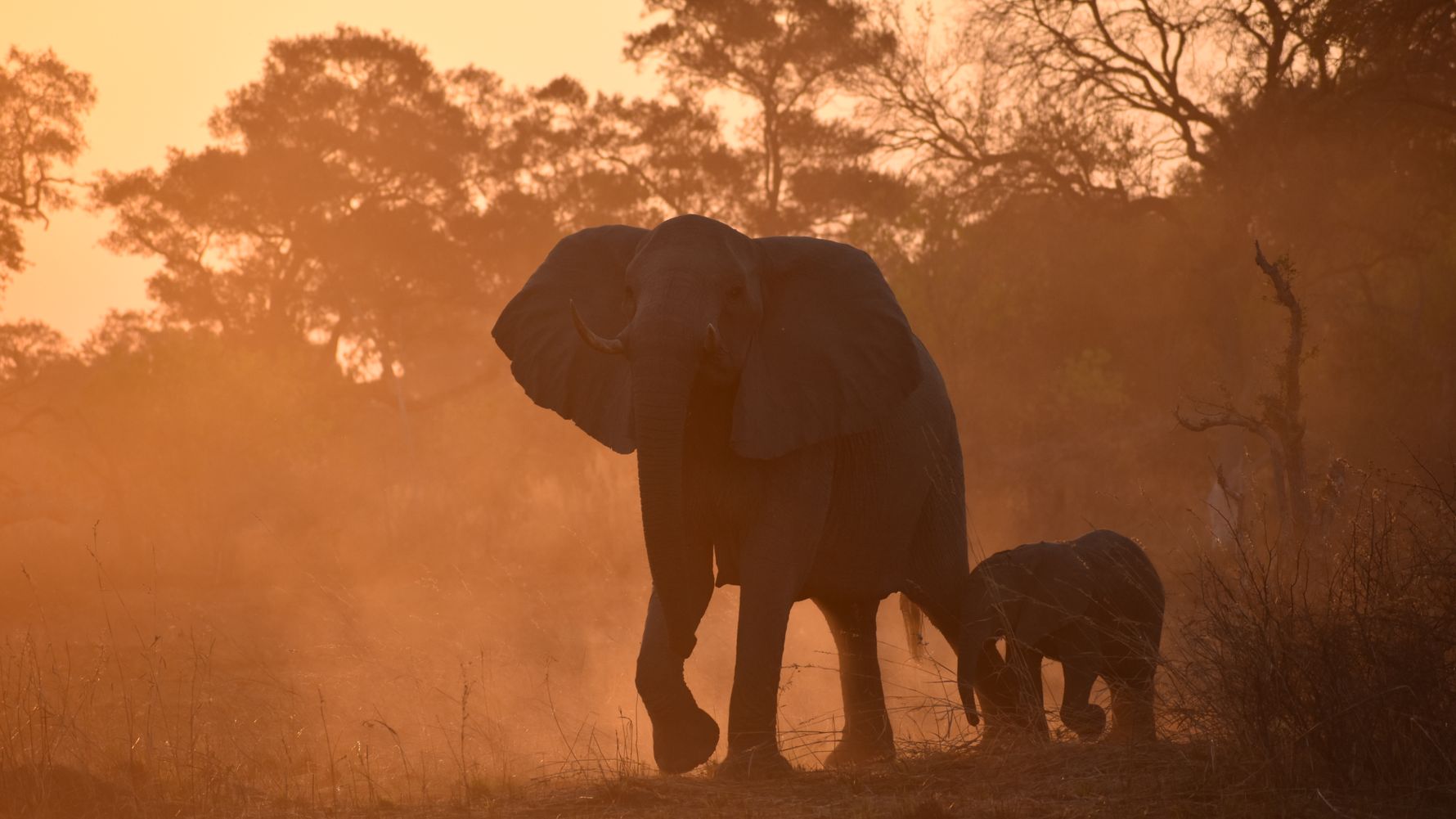 Safari Planning
Self-Drive Safari vs Guided Safari
Deciding between a self-drive safari and a guided safari? This guide breaks down the pros, cons, costs, and key differences to help you choose the right trip.
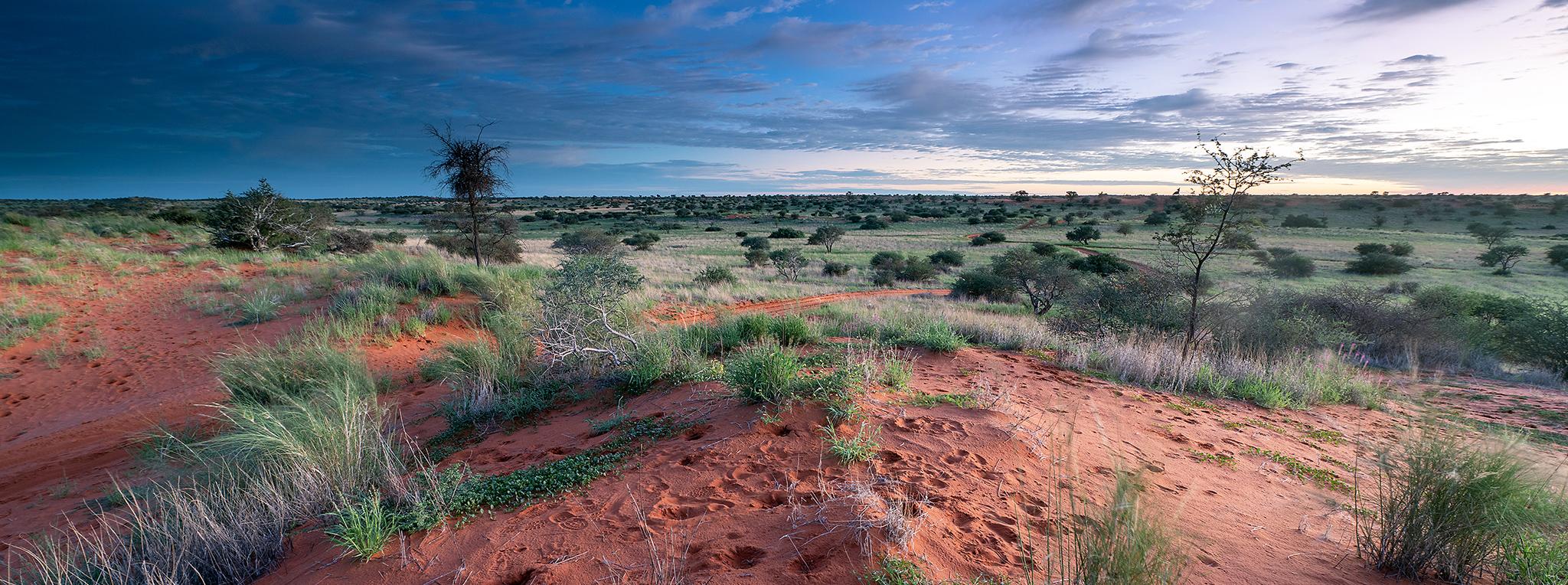 Safari Costs
Luxury Safari Pricing Guide
Discover the real cost of a luxury African safari. Our guide breaks down pricing by country, what\