
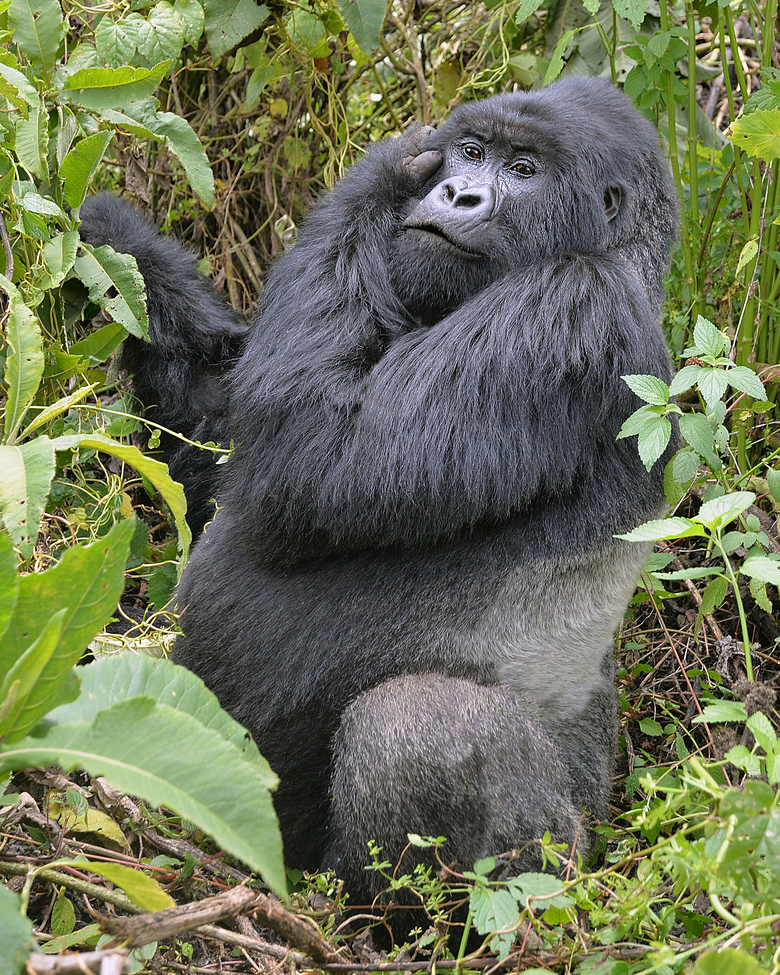
Learn all about Safari Hearing Protection Tips in this comprehensive guide.
Understanding the Climate and Terrain in Africa
When packing for a safari in Africa, it's essential to consider the local climate and terrain. Africa has a diverse landscape, from vast plains to dense forests. Temperatures can fluctuate significantly, with warm days and cool evenings. Lightweight, breathable fabrics are your best friend. For more on planning your trip, see our destination guide for Africa.
Essential Clothing Items
Neutral-colored clothing is highly recommended to blend in with the environment and avoid startling the wildlife. Think khaki, olive, and brown. You'll want to pack a mix of short-sleeved shirts and long-sleeved shirts for sun protection. A lightweight waterproof jacket is also a must, as rain showers can be unpredictable. For personalized packing advice, consider consulting with one of our safari operators.
Still researching? Let us help.
Our advisory team has planned safaris across 9 African countries. We can turn your research into a real plan.
Talk to an AdvisorFootwear for All Activities
Comfortable, broken-in walking shoes are non-negotiable. Whether you're on a walking safari or just exploring your lodge, you'll be on your feet a lot. A pair of sandals or flip-flops is also great for relaxing at the lodge. If you're planning any strenuous hikes, be sure to bring appropriate hiking boots. Our safari cost calculator can help you budget for any specialized gear you may need to purchase.
Sun and Insect Protection
A wide-brimmed hat, sunglasses, and high-SPF sunscreen are crucial for protecting yourself from the African sun. Insect repellent is also a must, especially in the evenings. Look for a repellent containing DEET for the most effective protection against mosquitoes and other biting insects. For more health and safety tips, visit our knowledge base.
Evening and Lodge Attire
Evenings on safari can be a mix of casual and smart-casual. Most lodges have a relaxed dress code, but it's always a good idea to pack a slightly nicer outfit for dinner. A pashmina or wrap is perfect for adding a touch of warmth and style. Before you book, be sure to research safari operators in Africa to understand the specific dress codes at their lodges.
Done Reading? Let's Build Your Safari.
Skip the guesswork. Work with an advisor who has been on the ground across East and Southern Africa.
Plan With UsThe Unseen Risks: Why Hearing Protection is Non-Negotiable
While the roar of a lion or the trumpet of an elephant are iconic sounds of the African bush, consistent exposure to other, less celebrated noises can pose a genuine risk to your hearing. Many travelers overlook the cumulative effect of engine noise from game drive vehicles, the high-decibel environment of small charter planes, and even the persistent hum of generators at some remote lodges. Prolonged exposure to these sounds, often exceeding 85 decibels (dB), can lead to temporary or even permanent hearing damage. Think of it as a hidden safari trophy you don't want to bring home.
Protecting your hearing allows you to appreciate the more subtle, magical sounds of the wild—the rustle of a leopard in the grass, the distant call of a nightjar, or the gentle lapping of water against a mokoro. These are the auditory details that create a truly immersive safari experience. For a deeper understanding of how to prepare for all aspects of your journey, our knowledge center offers a wealth of expert advice.
Expert Insight: Beyond the Big Five
> Protecting your hearing isn't just about avoiding damage; it's about enhancing your safari. When you reduce the drone of the vehicle, you tune your ears to the language of the bush. You'll be the first to hear the alarm call of a vervet monkey, signaling a predator nearby, or the soft footsteps of a browsing giraffe. It transforms a passive viewing experience into an active sensory adventure. A consultation with our safari operators can help you tailor every aspect of your trip, including these small but crucial details.
Choosing Your Safari Hearing Protection
Selecting the right hearing protection depends on your specific itinerary and personal sensitivity to noise. Not all earplugs are created equal, and what works for a construction site might not be ideal for the nuanced soundscape of the Serengeti. Here’s a breakdown of the best options for travelers.
| Protection Type | Pros | Cons | Best For | Average Cost (USD) | |---|---|---|---|---| | Foam Earplugs | Inexpensive, widely available, high Noise Reduction Rating (NRR) | Can be uncomfortable for long periods, block out too much sound, single-use | Sleeping in noisy lodges, light sleepers | $5 - $10 for a multi-pack | | Filtered Earplugs | Reduce harmful decibels while allowing speech and natural sounds through, reusable | More expensive, require cleaning | Game drives, boat safaris, charter flights | $20 - $40 | | Custom-Molded Earplugs | Perfect fit for maximum comfort and effectiveness, durable | Highest cost, require a visit to an audiologist | Frequent travelers, those with sensitive hearing | $150 - $300+ | | Over-Ear Earmuffs | Excellent noise reduction, easy to take on and off | Bulky to pack, can be hot in warm climates | Charter flights, protecting children's sensitive ears | $25 - $75 |
For most safari-goers, a high-quality pair of filtered earplugs offers the best balance of protection and experience. They selectively dampen the harmful, low-frequency drone of engines while still allowing you to converse with your guide and hear the incredible sounds of the wilderness. Consider brands like Eargasm, Loop, or Alpine Hearing Protection, which are designed for concert-goers and travelers.
Special Considerations for Fly-In Safaris
Fly-in safaris, which utilize small aircraft like the Cessna Caravan to hop between remote airstrips, are a fantastic way to access pristine wilderness areas in destinations like Botswana's Okavango Delta or the remote corners of Namibia. However, these unpressurized aircraft are notoriously loud, with interior noise levels often reaching 90-100 dB. At these levels, hearing damage can occur in less than 30 minutes.
For these flights, standard foam earplugs or, even better, over-ear earmuffs are highly recommended. Many pilots and guides use aviation-grade headsets, and while you won't need that level of equipment, taking a cue from the professionals is a smart move. This is especially critical for children, whose developing ears are far more susceptible to noise-induced damage.
Traveler's Tip: Double Up for Maximum Protection
> On particularly loud charter flights, don't hesitate to double up on protection. Wear a pair of foam or silicone earplugs and then place a pair of over-ear earmuffs on top. This combination provides the highest level of noise reduction and ensures you arrive at your next destination with your hearing intact, ready for the subtle sounds of the bush.
Hearing Protection for the Whole Family
Planning a family safari is an incredible gift, but it comes with unique responsibilities. Children's ear canals are smaller and their auditory systems are still developing, making them much more vulnerable to loud noises. What an adult perceives as merely loud can be painful and damaging to a child.
For toddlers and young children, over-ear earmuffs specifically designed for infants and kids are the only safe option. They are sized appropriately and provide a secure seal. For older children and teenagers, filtered earplugs or child-sized earmuffs are both excellent choices. Before you finalize your packing list, use our cost calculator to budget for these essential items. A small investment in quality hearing protection is a critical part of ensuring a safe and enjoyable family adventure.
By taking these proactive steps, you ensure that the only thing you bring back from your safari are incredible memories and a lifelong appreciation for the wild, not a ringing in your ears. To start crafting your own perfectly tailored and safe safari experience, plan your safari with one of our expert advisors today.
Need Expert Safari Guidance?
Get expert advisory support from a firm founded by a former safari guide — with real operational knowledge across 9 African countries and full-journey accountability.
Related Planning Guides
Recommended Reading
 Packing & Preparation
Safari Hat and Sun Protection Guide
Learn all about Safari Hat and Sun Protection Guide in this comprehensive guide.
 Packing & Preparation
Safari Dust Protection for Electronics
Learn all about Safari Dust Protection for Electronics in this comprehensive guide.
 Packing & Preparation
Safari Dental Preparation Tips
Learn all about Safari Dental Preparation Tips in this comprehensive guide.
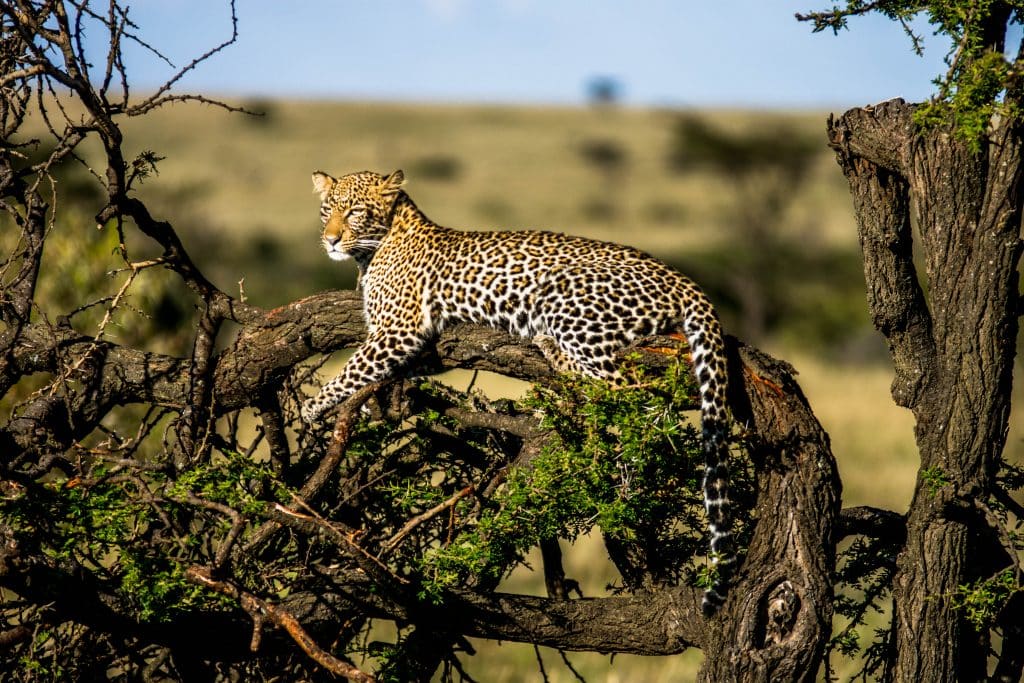 Safari Planning
Safari Itinerary Planning Tips
Learn how to plan the perfect African safari itinerary with our expert tips on choosing destinations, balancing travel time, and finding the best time to go.
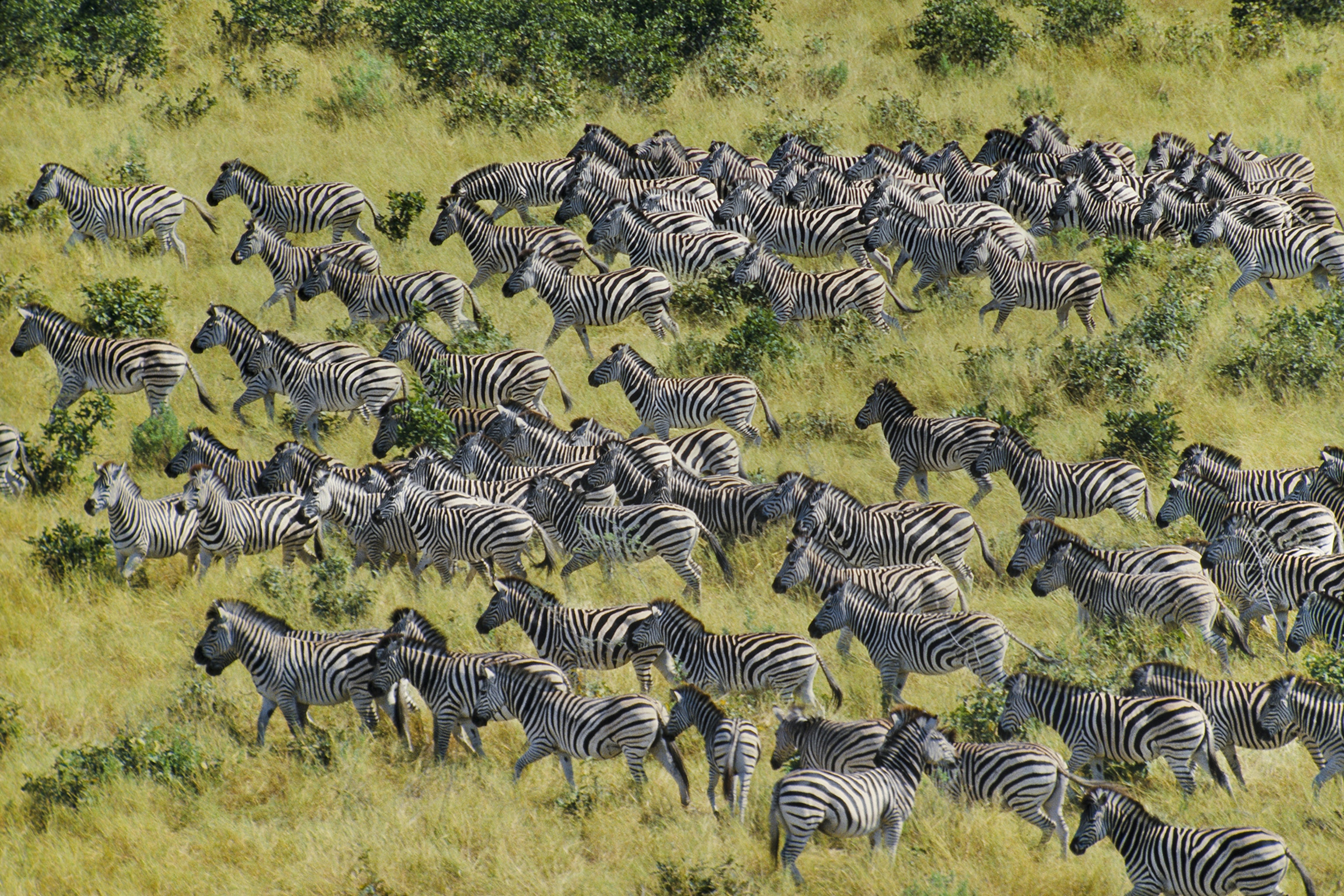 Safari Safety
Safari Safety Tips for First-Time Visitors
Planning your first African safari? Our expert guide provides essential safari safety tips for a worry-free adventure, from wildlife encounters to health advice.
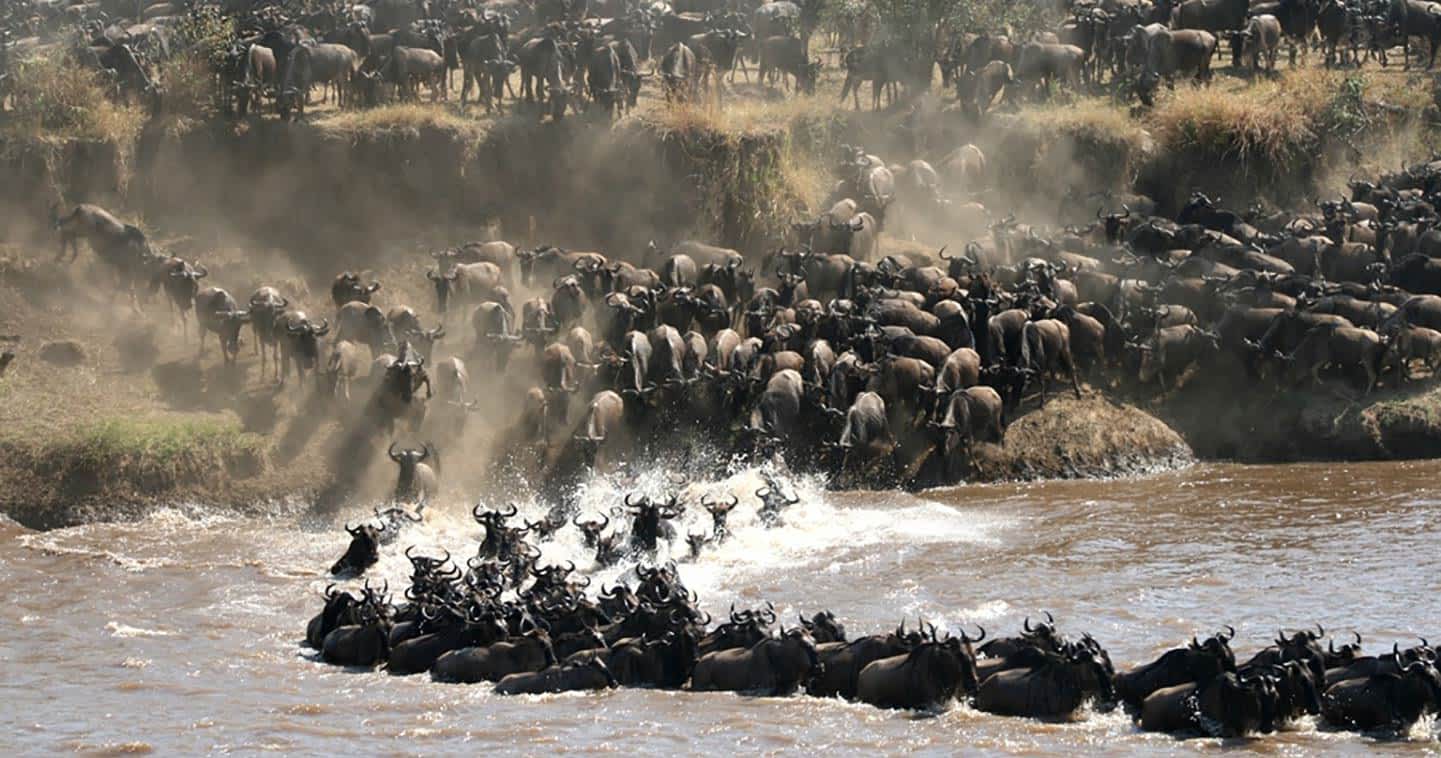 Safari Safety
Walking Safari Safety Tips
Learn how to stay safe on a walking safari with our expert tips. Discover the importance of your guide, what to wear, and how to act in the African bush.