
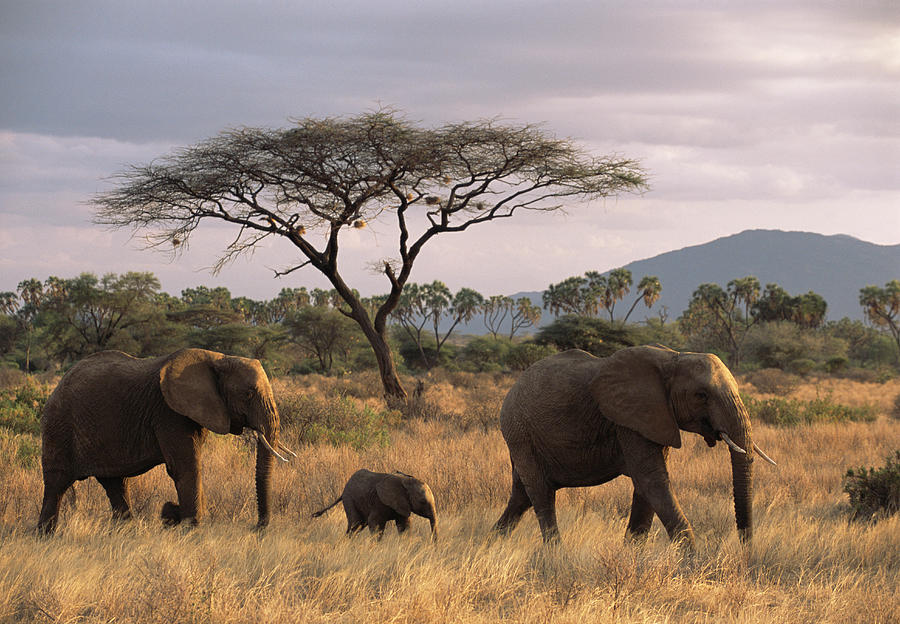
A comprehensive guide to Safari Dust Storm Preparation. Learn everything you need to know for your safari adventure.
Safari Dust Storm Preparation
The safari industry has evolved significantly, and so has the approach to safari dust storm preparation. This guide reflects current best practices and real-world insights from operators across East and Southern Africa.
Seasonal Factors and Timing
The timing of your safari significantly impacts safari dust storm preparation. Dry season months, typically June through October in most East African destinations, offer different conditions than the green season months of November through May. Each period has distinct advantages and considerations.
Weather patterns across Africa are becoming less predictable due to climate change, which adds another layer of consideration to safari dust storm preparation. Working with operators who have current, on-the-ground knowledge of conditions is more important than ever.
Peak season brings excellent wildlife viewing but also higher prices and more crowded parks. Shoulder seasons offer a balance of good conditions and fewer crowds. Understanding how seasonal factors affect safari dust storm preparation helps you choose the optimal time for your specific priorities.
Still researching? Let us help.
Our advisory team has planned safaris across 9 African countries. We can turn your research into a real plan.
Talk to an AdvisorSafety and Health Considerations: Safari Dust Storm Preparation
Travel insurance that specifically covers safari activities is strongly recommended. Standard travel insurance policies may not cover all the activities and situations you might encounter on an African safari. Ensure your policy covers medical evacuation, trip cancellation, and activity-specific risks.
Safety is paramount when it comes to safari dust storm preparation on safari. Reputable operators maintain strict safety protocols and employ experienced guides who are trained to handle a wide range of situations. Always verify that your chosen operator has proper licensing, insurance, and safety certifications.
Expert Recommendations
Budget considerations play an important role in safari dust storm preparation. While it is tempting to cut corners, experienced travelers consistently report that investing in quality where it matters most leads to significantly better outcomes. The key is knowing where to allocate your budget for maximum impact.
Working with a qualified safari planning guide can significantly improve your experience with safari dust storm preparation. Advisors who have personal experience in your chosen destinations can provide insights that no guidebook or website can match. They understand the subtle differences between properties, the best times to visit specific areas, and how to structure an itinerary that maximizes your time.
Safari advisors consistently recommend starting your planning process at least six to twelve months before your intended travel dates. This lead time allows you to secure preferred accommodations, take advantage of early booking rates, and properly prepare for all aspects of safari dust storm preparation.
Understanding the Fundamentals
The foundation of safari dust storm preparation begins with understanding the basic principles. Safari environments across Africa present unique conditions that differ significantly from what most travelers are accustomed to. In East Africa, the vast savannas of Kenya and Tanzania create one set of considerations, while the dense forests of Uganda and Rwanda present entirely different challenges. Southern African destinations like Botswana and South Africa add yet another dimension.
Experienced safari operators emphasize that preparation is the single most important factor in safari dust storm preparation. This means doing your research well in advance, consulting with knowledgeable advisors, and being willing to adapt your plans based on current conditions. The best safari experiences come from travelers who approach their journey with both enthusiasm and informed flexibility.
Done Reading? Let's Build Your Safari.
Skip the guesswork. Work with an advisor who has been on the ground across East and Southern Africa.
Plan With UsEssential Gear and Vehicle Readiness
Beyond standard safari packing, preparing for dust requires specific gear. High-quality, dust-proof bags for cameras and electronics are essential. Professional photographers often use specialized camera sleeves or even simple plastic bags sealed with rubber bands to protect sensitive lenses and sensors. For personal comfort, bring a reusable water bottle to stay hydrated, lip balm to prevent chapping, and high-quality sunglasses that wrap around to protect your eyes from windblown particles.
Safari vehicles operated by reputable companies undergo specific modifications for dusty environments. For instance, many vehicles in Namibia's Etosha National Park or Botswana's Kalahari Desert are fitted with raised air intakes (snorkels) to ensure the engine breathes cleaner air above the dust clouds kicked up by the wheels. The cabin's seals are also regularly inspected and maintained to minimize dust entry, though complete prevention is impossible. Always ask your operator about their vehicle preparation protocols.
Case Study: Navigating a Dust Event in the Makgadikgadi Pans
Consider a scenario in Botswana's Makgadikgadi Pans during the late dry season. A sudden, localized windstorm can transform the vast, flat landscape into a zero-visibility dust bowl within minutes. An experienced guide will immediately turn the vehicle to face away from the wind, switch off the engine to protect the air filter, and instruct guests to cover their faces with a damp cloth or scarf. They will use this time to explain the phenomenon, reassuring passengers while waiting for the storm to pass, which it often does within 15 to 30 minutes. This real-world example highlights the importance of traveling with a guide whose training goes beyond wildlife identification to include environmental hazard management. Their calm and preparedness are key to turning a potentially alarming event into a memorable part of the safari adventure.
Related Resources
For more information on planning your safari, explore our destination guides, browse the safari operator directory, or connect with an experienced safari planning guide for personalized guidance.
Regional Dust Storm Hotspots and Timings
While dust is a possibility on any safari during the dry season, certain locations are famous for their dramatic and frequent dust events. Understanding these hotspots allows for better preparation. For instance, the ecosystem of Amboseli National Park in Kenya is defined by its dry, alkaline volcanic soil. From July to October, winds can whip this fine powder into thick clouds, creating an ethereal landscape but posing a significant challenge for photographers and those with respiratory sensitivities.
In contrast, the dust in Namibia's Etosha National Park is composed of fine, white, saline particles from the vast salt pan that forms the park's core. These storms are most common in the driest months of August through October. The salinity of the dust can be corrosive to sensitive electronics if not cleaned properly. Further south, the Makgadikgadi Pans in Botswana present another unique environment. Here, massive dust storms can occur as weather fronts move across the enormous, flat salt pans, creating low-visibility conditions that require an expert guide to navigate safely.
| Region/Park | Peak Dust Season | Dust Characteristics | Primary Consideration | | :--- | :--- | :--- | :--- | | Amboseli, Kenya | July - October | Fine, alkaline volcanic soil | Respiratory irritation; camera protection | | Etosha, Namibia | August - October | Fine, white, saline clay/salt | Potential for electronic corrosion | | Makgadikgadi, Botswana | September - November | Large-scale salt pan dust clouds | Sudden low-visibility events | | Northern Serengeti, Tanzania | August - September | Volcanic soil, vehicle-generated | High traffic during migration crossing |
Advanced Health and Respiratory Protection
While a simple cotton scarf or bandana can offer a basic level of protection, travelers with pre-existing respiratory conditions such as asthma, or even those with general sensitivity, should consider more robust measures. The fine particulate matter (often PM2.5) in safari dust can penetrate deep into the lungs and cause irritation or trigger asthmatic responses.
For superior protection, packing a small supply of N95 or FFP2 disposable masks is a wise precaution. These are designed to filter out at least 95% of airborne particles and are far more effective than cloth. When a dust storm approaches, wearing one of these masks can make the difference between comfort and significant respiratory distress. Additionally, using a saline nasal spray at the end of each day can help clear nasal passages of accumulated dust and restore moisture. Staying exceptionally well-hydrated is also crucial, as the dry, dusty air accelerates dehydration. If you have known sensitivities, discuss your travel plans with your doctor before departure and carry any necessary medications, such as inhalers, in your daypack. For more personalized medical advice, always consult with a travel health professional or one of our safari operators.
Need Expert Safari Guidance?
Get expert advisory support from a firm founded by a former safari guide — with real operational knowledge across 9 African countries and full-journey accountability.
Related Planning Guides
Recommended Reading
 Travel Logistics
Safari Power Outage Preparation
A comprehensive guide to Safari Power Outage Preparation. Learn everything you need to know for your safari adventure.
 Travel Logistics
Safari Cold Night Temperature Preparation
A comprehensive guide to Safari Cold Night Temperature Preparation. Learn everything you need to know for your safari adventure.
 Packing & Preparation
Safari Fitness Preparation Guide
Learn all about Safari Fitness Preparation Guide in this comprehensive guide.
 Packing & Preparation
Walking Safari Fitness Preparation
Learn all about Walking Safari Fitness Preparation in this comprehensive guide.
 Packing & Preparation
Mountain Safari Fitness Preparation
Learn all about Mountain Safari Fitness Preparation in this comprehensive guide.
 Safari Advisor Content
How a Safari Advisor Helps With Pre-Trip Preparation
Discover the essentials of how a safari advisor helps with pre-trip preparation for an unforgettable African safari adventure.