
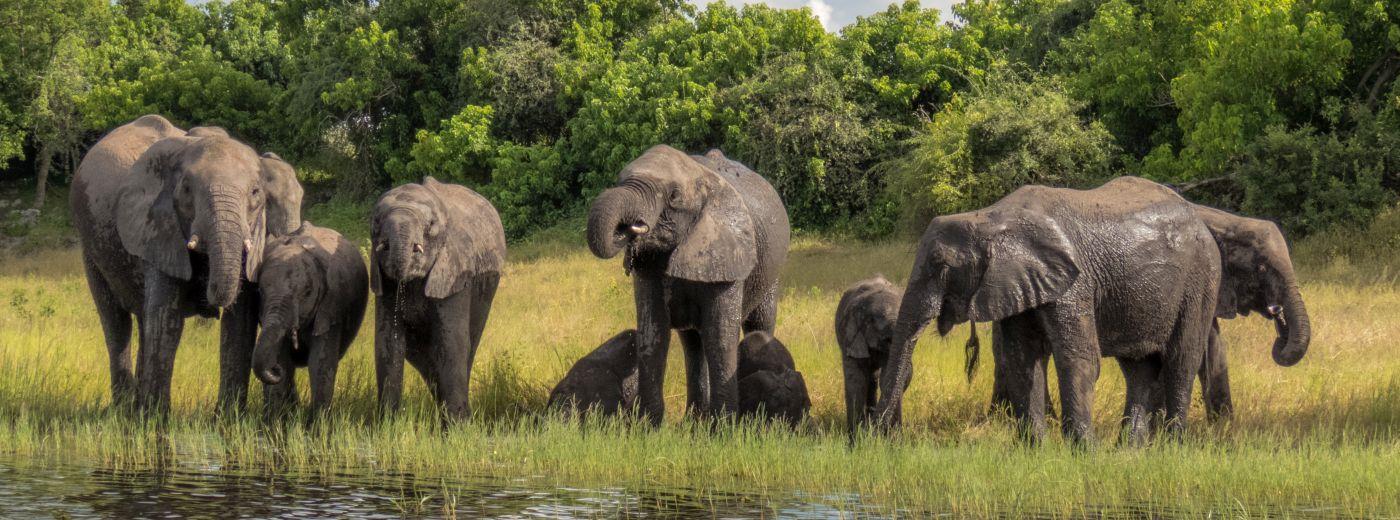
Learn all about Safari Hat and Sun Protection Guide in this comprehensive guide.
Understanding the Climate and Terrain in Africa
When packing for a safari in Africa, it's essential to consider the local climate and terrain. Africa has a diverse landscape, from vast plains to dense forests. Temperatures can fluctuate significantly, with warm days and cool evenings. Lightweight, breathable fabrics are your best friend. For more on planning your trip, see our destination guide for Africa.
Essential Clothing Items
Neutral-colored clothing is highly recommended to blend in with the environment and avoid startling the wildlife. Think khaki, olive, and brown. You'll want to pack a mix of short-sleeved shirts and long-sleeved shirts for sun protection. A lightweight waterproof jacket is also a must, as rain showers can be unpredictable. For personalized packing advice, consider consulting with one of our safari operators.
Still researching? Let us help.
Our advisory team has planned safaris across 9 African countries. We can turn your research into a real plan.
Talk to an AdvisorFootwear for All Activities
Comfortable, broken-in walking shoes are non-negotiable. Whether you're on a walking safari or just exploring your lodge, you'll be on your feet a lot. A pair of sandals or flip-flops is also great for relaxing at the lodge. If you're planning any strenuous hikes, be sure to bring appropriate hiking boots. Our safari cost calculator can help you budget for any specialized gear you may need to purchase.
Sun and Insect Protection
A wide-brimmed hat, sunglasses, and high-SPF sunscreen are crucial for protecting yourself from the African sun. Insect repellent is also a must, especially in the evenings. Look for a repellent containing DEET for the most effective protection against mosquitoes and other biting insects. For more health and safety tips, visit our knowledge base.
Evening and Lodge Attire
Evenings on safari can be a mix of casual and smart-casual. Most lodges have a relaxed dress code, but it's always a good idea to pack a slightly nicer outfit for dinner. A pashmina or wrap is perfect for adding a touch of warmth and style. Before you book, be sure to research safari operators in Africa to understand the specific dress codes at their lodges.
Done Reading? Let's Build Your Safari.
Skip the guesswork. Work with an advisor who has been on the ground across East and Southern Africa.
Plan With UsChoosing the Right Safari Hat: A Deeper Look
A safari hat is more than a fashion statement; it's a critical piece of gear for your health and comfort. While the classic image of a pith helmet comes to mind, modern safari hats offer superior comfort, packability, and protection. Let's explore the most popular and practical styles to help you choose the perfect one for your adventure.
The Wide-Brimmed Fedora
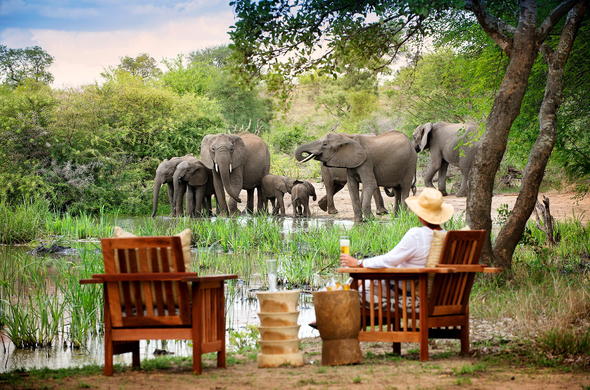
The fedora-style hat, with its structured brim and classic shape, offers a blend of style and function. Look for models made from crushable wool felt or canvas, which allows them to be packed in a suitcase and retain their shape. A wider brim (at least 3 inches) is essential for providing adequate shade for your face and neck. Some of the best brands, like Tilley and Akubra, design hats specifically for travel and outdoor use, often incorporating features like a hidden pocket for cash or a hotel key.
Expert Insight: While a stylish choice, ensure your fedora has a secure chin strap. A sudden gust of wind on an open-sided game drive vehicle can easily send an unsecured hat flying, and retrieving it from the bush is often not possible. For more packing advice, consult our comprehensive safari packing list.
The Versatile Boonie Hat
The boonie hat is a favorite among seasoned safari guides and outdoor enthusiasts for its practicality. Its soft, unstructured brim provides 360-degree sun protection and can be easily folded or rolled for packing. Most boonie hats are made from lightweight, breathable cotton or nylon and feature ventilation eyelets to keep you cool. The adjustable chin cord is a standard feature, ensuring your hat stays put during bumpy rides or windy conditions.
The Technical Performance Hat
For those prioritizing function over fashion, a technical performance hat is an excellent choice. These hats, often from brands like Outdoor Research or Columbia, are engineered for extreme conditions. They are typically made from lightweight, quick-drying fabrics with a high UPF (Ultraviolet Protection Factor) rating. Many feature a moisture-wicking sweatband, mesh panels for maximum ventilation, and a dark underbrim to reduce glare—a particularly useful feature for keen photographers and birdwatchers.
Sunscreen: Your First Line of Defense
The equatorial sun in Africa is intensely strong, and sunscreen is non-negotiable. Simply packing any bottle of sunscreen is not enough; understanding what to look for will ensure you are properly protected.
Choose a broad-spectrum sunscreen with an SPF of 30 to 50. Broad-spectrum means it protects against both UVA (aging) and UVB (burning) rays. For days involving water activities, such as a mokoro trip in the Okavango Delta or a visit to the coast, a water-resistant formula is essential. Reapply your sunscreen every two to three hours, and more frequently if you are sweating or swimming.
Traveler's Tip: Pack a solid sunscreen stick in your carry-on bag. It won't leak and is perfect for quick applications to your face, ears, and neck during game drives. This also ensures you have sun protection on hand if your checked luggage is delayed. For more travel hacks, our safari operators are an excellent resource.
Beyond the Basics: Comprehensive Sun Safety
True sun protection on safari goes beyond just a hat and sunscreen. To fully shield yourself from the intense African sun, consider these additional layers of defense.
UPF-Rated Clothing
Investing in a few key pieces of clothing with a built-in Ultraviolet Protection Factor (UPF) can make a significant difference. A lightweight, long-sleeved shirt with a UPF rating of 50+ provides excellent protection for your arms and torso, and many are designed with vents to keep you cool. These shirts are particularly valuable on walking safaris where you are more exposed to direct sunlight. You can find a variety of styles that are both protective and safari-chic.
Polarized Sunglasses
A quality pair of sunglasses is crucial for protecting your eyes from UV radiation and reducing glare. Polarized lenses are highly recommended as they are specifically designed to cut down on the reflected glare from surfaces like water and sand, which you'll encounter in many safari environments. This not only protects your eyes but also enhances your game viewing experience by making it easier to spot wildlife. Look for sunglasses that offer 100% UVA and UVB protection.
Don't Forget Your Lips
Your lips are just as susceptible to sunburn as the rest of your skin. Pack a lip balm with an SPF of at least 15 and apply it regularly throughout the day. This will prevent painful, chapped, and sunburnt lips, ensuring you can enjoy your sundowner drinks in comfort. For more information on planning a comfortable and safe trip, visit our guide to planning your safari.
Need Expert Safari Guidance?
Get expert advisory support from a firm founded by a former safari guide — with real operational knowledge across 9 African countries and full-journey accountability.
Related Planning Guides
Recommended Reading
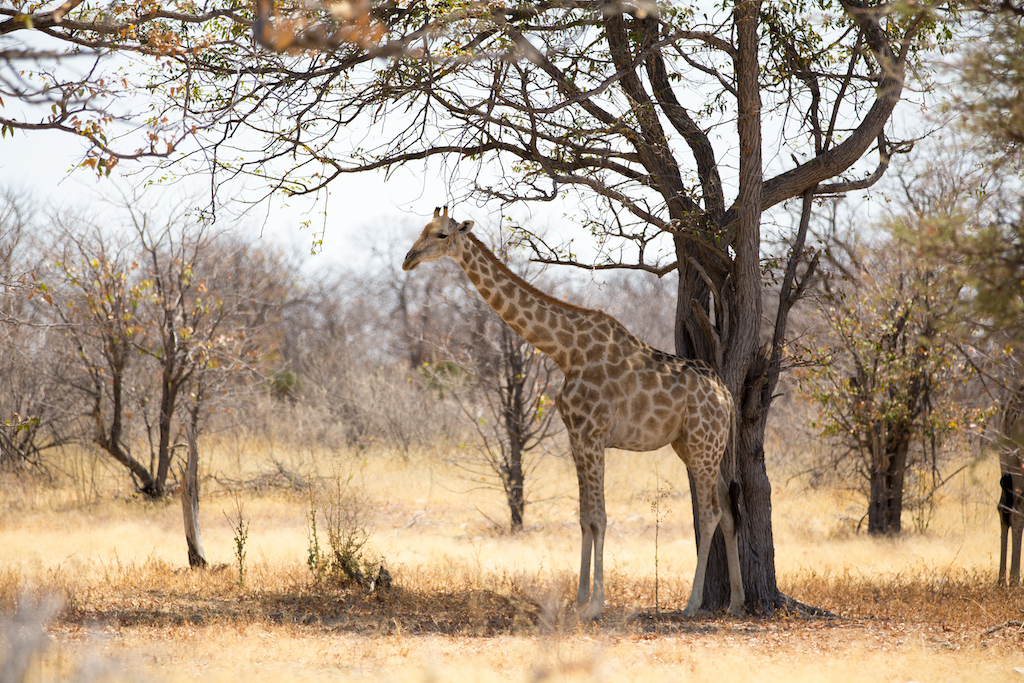 Packing & Preparation
Safari Sunscreen and Skincare Guide
Learn all about Safari Sunscreen and Skincare Guide in this comprehensive guide.
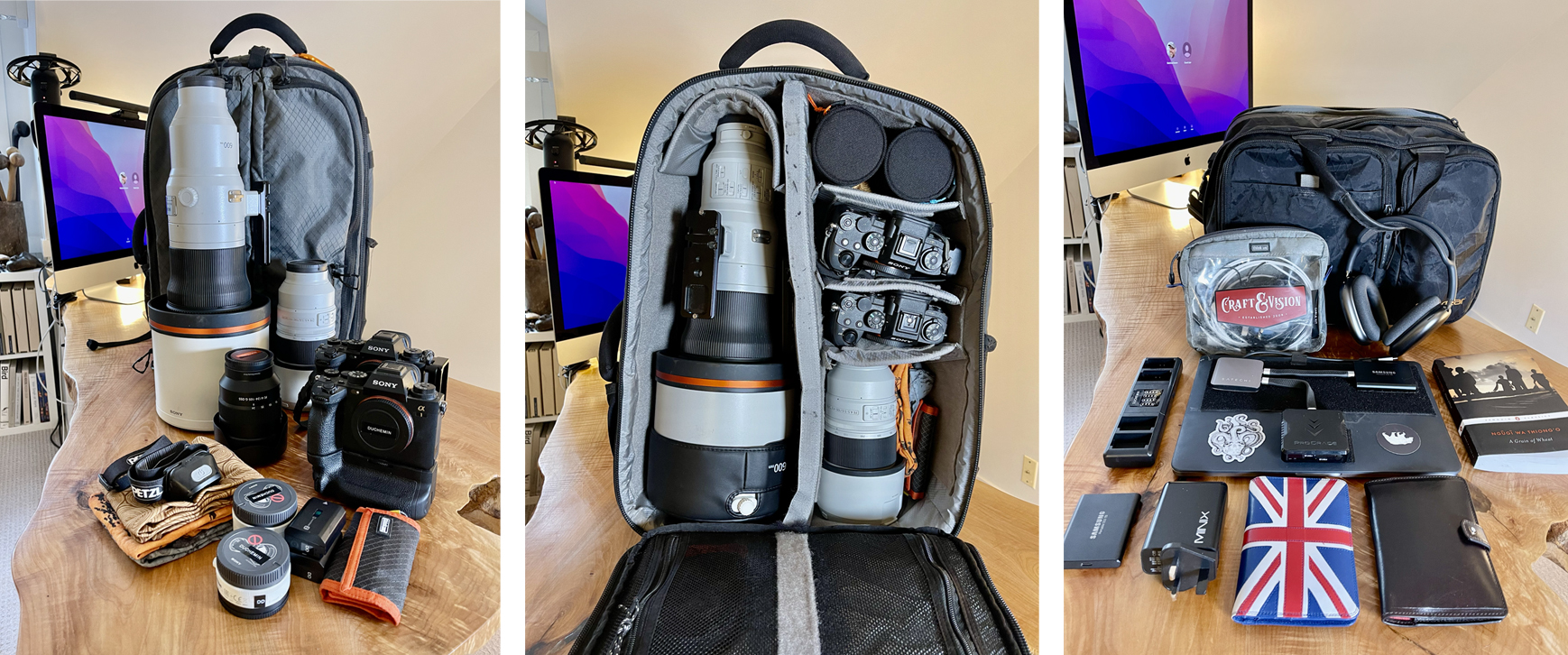 Packing & Preparation
Safari Footwear Guide
Learn all about Safari Footwear Guide in this comprehensive guide.
 Packing & Preparation
Safari Insect Repellent Guide
Learn all about Safari Insect Repellent Guide in this comprehensive guide.
 Safari Planning
Step-by-Step Guide to Planning an African Safari
Learn how to plan your first African safari with our step-by-step guide. We cover everything from choosing a destination to booking your trip and packing.
 Safari Planning
Self-Drive Safari vs Guided Safari
Deciding between a self-drive safari and a guided safari? This guide breaks down the pros, cons, costs, and key differences to help you choose the right trip.
 Safari Costs
Luxury Safari Pricing Guide
Discover the real cost of a luxury African safari. Our guide breaks down pricing by country, what\