
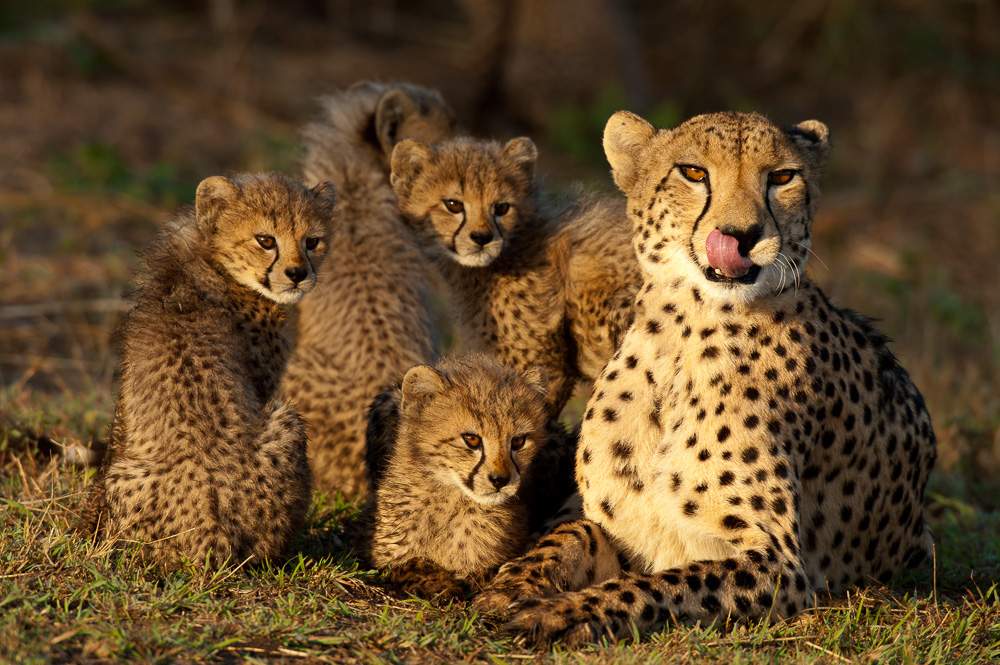
Dehydration can be a serious risk on safari. Our guide to dehydration prevention will help you stay hydrated and healthy on your trip.
About Safari Dehydration Prevention
This in-depth guide explores safari dehydration prevention, providing essential information for anyone planning an African safari. Understanding this topic thoroughly will help you make informed decisions and have a more rewarding safari experience. Africa's safari industry continues to evolve, and staying informed about the latest developments ensures you get the best possible experience.
Why This Matters for Your Safari
Safari Dehydration Prevention is an important consideration for safari travelers. Whether you're a first-time visitor or a returning enthusiast, understanding the nuances of this topic can significantly impact your trip. From choosing the right destinations to selecting appropriate operators, every decision builds on foundational knowledge. Our safari operators can provide personalized guidance based on your specific needs.
Still researching? Let us help.
Our advisory team has planned safaris across 9 African countries. We can turn your research into a real plan.
Talk to an AdvisorKey Insights and Recommendations
Based on extensive industry experience and traveler feedback, several key insights emerge. First, research is your best investment, as the more you know before booking, the better your experience will be. Second, flexibility in timing and destinations often leads to better value and fewer crowds. Third, working with experienced professionals, whether guides, operators, or advisors, consistently produces superior outcomes. Explore our knowledge center for more detailed articles on related topics.
Practical Applications
Putting this knowledge into practice starts with your planning process. Begin by identifying your priorities, whether that's specific wildlife encounters, landscape preferences, or cultural experiences. Then use resources like our destination guides, cost calculator, and operator directory to build an itinerary that aligns with your goals. Don't rush the planning process, as a well-planned safari is almost always more rewarding than a hastily arranged one.
Further Reading
To deepen your understanding, explore related articles in our knowledge center. Each guide is written by safari industry professionals with firsthand experience across Africa's top destinations. For personalized advice, our safari planning guidey team is available to answer your questions and help refine your plans.
_This content is designed to be appended to the existing article, before the "Further Reading" section._
Done Reading? Let's Build Your Safari.
Skip the guesswork. Work with an advisor who has been on the ground across East and Southern Africa.
Plan With UsDehydration Risk in Varied Safari Landscapes
Not all safari environments are created equal when it comes to dehydration risk. Understanding the specific challenges of the ecosystem you're visiting is the first step in effective preparation. A morning game drive in the Ngorongoro Crater presents a different hydration challenge than a multi-day walking safari in the arid plains of Namibia's Damaraland.
Arid and Desert Environments: Destinations like the Kalahari Desert in Botswana or the Skeleton Coast in Namibia are characterized by extremely low humidity and intense sun. Perspiration evaporates almost instantly, meaning you can lose significant body fluid without feeling sweaty. The dry air also increases fluid loss through respiration alone. In these conditions, a passive approach to hydration is insufficient. You must drink water proactively and consistently, even when you don't feel thirsty.
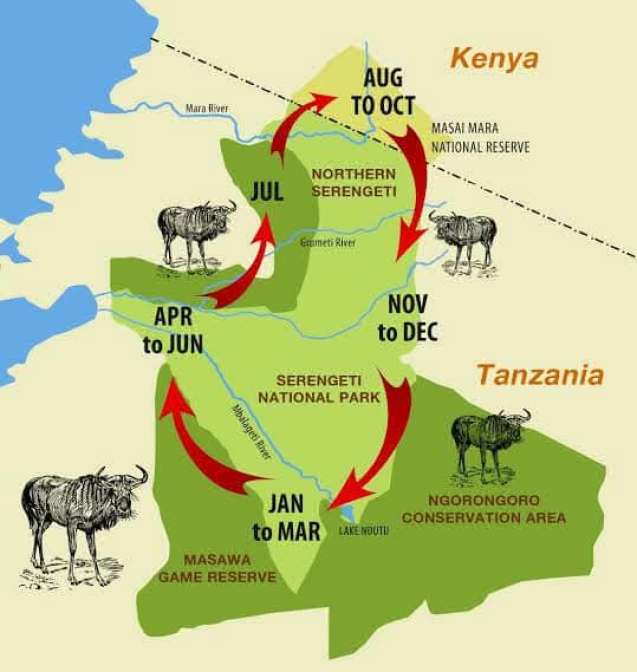
Savanna and Grasslands: The iconic savannas of the Serengeti in Tanzania and the Maasai Mara in Kenya are hot and dry, particularly during the peak safari season (June to October). Long hours in a safari vehicle, with the sun beating down, create a high-risk environment. The breeze from a moving vehicle can be deceptive, cooling the skin while sweat continues to evaporate. It's crucial to maintain a steady intake of fluids throughout the day, not just during breaks.
Wetlands and Delta Regions: While seemingly water-abundant, areas like the Okavango Delta in Botswana or the wetlands of Zambia can be surprisingly dehydrating. High humidity can hinder the body's natural cooling mechanism—sweat evaporation. This can lead to a more rapid increase in core body temperature and greater fluid loss as your body works harder to cool itself. Activities like mokoro (dugout canoe) trips still involve sun exposure and physical exertion, demanding diligent hydration.
> Expert Insight: The time of year dramatically impacts hydration needs. A safari in the Serengeti during the cooler "green season" (November to March) may require less intensive hydration than a trip during the hot, dry season. Always consult with your safari planning guide to understand the specific conditions you'll face during your travel dates.
Advanced Hydration Strategies for Safari Activities
Your hydration plan should adapt to your daily itinerary. Different safari activities place unique demands on your body, requiring a tailored approach to fluid intake.
Game Drives: The classic safari game drive, while seemingly sedentary, is a primary scenario for dehydration. Hours spent in a vehicle under the African sun, often with open sides or a pop-top roof, lead to significant sun exposure. The constant, gentle breeze can trick you into thinking you are not losing moisture, but evaporation is constant.
- Strategy: Keep a personal water bottle within arm's reach at all times. Aim to drink a few sips every 15-20 minutes rather than chugging a large amount infrequently. Many safari operators now provide reusable water bottles and have large water dispensers in their vehicles for easy refills. Don't be shy about asking your guide to stop for a moment if you need to refill.
Walking Safaris: Whether it's a short bush walk or a multi-day trek, walking safaris significantly increase your metabolic rate and sweat production. You are no longer a passive observer but an active participant in the environment, and your body's need for water skyrockets.
- Strategy: A hydration backpack (like a CamelBak) is an invaluable tool for any serious walker. It allows for hands-free, consistent sipping, which is far more effective than stopping to pull out a water bottle. Before embarking, discuss the planned duration and intensity with your guide to ensure you are carrying sufficient water—a minimum of 2-3 liters is standard for a half-day walk.
Community and Village Visits: Cultural excursions often involve walking through villages or markets under the midday sun. These activities can be more strenuous than they appear and are often scheduled during the hottest parts of the day. Social etiquette might make it feel awkward to be constantly drinking water, but your health must come first.
- Strategy: Hydrate well before you leave the vehicle or your lodge. Carry a discreet, smaller water bottle with you and take sips whenever you find a quiet moment. Politely explain to your guide or host that you need to drink water regularly to stay healthy in the heat; they will understand.
> Traveler's Tip: On my last walking safari in Zambia's South Luangwa National Park, I found that adding an electrolyte tablet to my water in the morning made a noticeable difference in my energy levels by the afternoon. It's a simple step that can greatly enhance your stamina and enjoyment. You can explore various destinations and safari styles in our destinations guide.
Recognizing the Stages of Dehydration
Understanding the warning signs of dehydration is critical for prevention and rapid response. The condition progresses through stages, and catching it early can prevent serious medical complications. All travelers on safari should be able to recognize these symptoms in themselves and their travel companions.
Early-Stage Dehydration Symptoms: These are the first signals from your body that it needs more fluid. Responding to these promptly can prevent the condition from worsening.
- Thirst and Dry Mouth: This is the most obvious sign, but by the time you feel thirsty, you are already partially dehydrated.
- Dark Yellow Urine: Your urine color is one of the best real-time indicators of your hydration status. Well-hydrated urine should be a pale, straw-like color. Dark yellow or amber-colored urine is a clear sign you need to drink more water immediately.
- Reduced Urination Frequency: If you notice you are visiting the restroom less often than usual, it's a sign your body is conserving water.
- Fatigue and Lethargy: Feeling unusually tired, sluggish, or lacking energy is a common early symptom.
Advanced-Stage Dehydration Symptoms: If early signs are ignored, dehydration can progress to a more serious state, requiring immediate attention. These symptoms indicate a significant fluid deficit.
- Headache: A persistent, throbbing headache is a common symptom.
- Dizziness or Lightheadedness: Feeling faint, especially when standing up, is a sign of reduced blood volume affecting the brain.
- Muscle Cramps: The loss of electrolytes like sodium and potassium through sweat can lead to painful muscle cramps.
- Sunken Eyes and Dry Skin: The skin may lose its elasticity. When pinched, it may not spring back immediately.
- Irritability and Confusion: Severe dehydration can impact cognitive function, leading to confusion, irritability, or difficulty concentrating. This is a serious red flag.
In the event of advanced symptoms, it is crucial to rest in a cool, shaded area, rehydrate with water and electrolyte solutions, and inform your safari guide immediately. Your guide is trained to handle such situations and can seek medical assistance if necessary. For complex safari planning, including health and safety considerations, our safari operators are an invaluable resource.
What to Drink and What to Avoid
While water is the cornerstone of hydration, what you drink—and what you don't—plays a significant role in maintaining your body's fluid balance. Not all liquids are created equal when it comes to effective hydration on safari.
The Best Choices for Hydration:
- Water: Unsurprisingly, water is the single most important fluid for hydration. Most safari lodges and camps provide filtered or bottled water. Ensure the seal on any bottled water is intact before drinking. Many operators are moving towards providing reusable bottles and filtered water stations to reduce plastic waste, a practice we strongly support.
- Electrolyte Drinks/Tablets: For strenuous activities like walking safaris or during exceptionally hot days, supplementing water with electrolytes is a wise strategy. Electrolytes are salts and minerals (like sodium, potassium, and magnesium) lost through sweat. Replenishing them helps your body absorb water more efficiently and prevents muscle cramps. You can bring powdered mixes or effervescent tablets from home to add to your water bottle.
- Diluted Fruit Juice: While high-sugar drinks are not ideal, a small amount of natural fruit juice diluted with water can be a good source of fluid and carbohydrates for energy. Think of it as a 50/50 mix.
Drinks to Limit or Avoid:
- Caffeine: Coffee and caffeinated teas have a diuretic effect, meaning they can cause your body to lose more fluid. While a morning cup of coffee is a ritual for many, it should not be counted as part of your daily fluid intake. For every cup of coffee or tea you drink, you should aim to drink an extra glass of water.
- Alcohol: Alcohol is also a diuretic and significantly accelerates dehydration. A cold beer or a gin and tonic may sound refreshing at the end of a long, hot game drive, but it will hinder your rehydration efforts. If you choose to drink alcohol, do so in moderation and be sure to consume plenty of water alongside it.
- Sugary Sodas: High-sugar drinks can actually slow down the absorption of water from your digestive system. While they provide a quick burst of energy, they are a poor choice for effective hydration. Stick to water or electrolyte-enhanced drinks for the best results.
Planning your safari involves more than just choosing a destination; it's about preparing for the environment. Understanding your hydration needs is a key part of that preparation. Use our safari cost calculator to budget for your trip, and when you're ready, let's plan your safari with health and safety as a top priority.
Need Expert Safari Guidance?
Get expert advisory support from a firm founded by a former safari guide — with real operational knowledge across 9 African countries and full-journey accountability.
Related Planning Guides
Recommended Reading
 Travel Logistics
Safari Sunburn Prevention
The African sun is strong. Our guide to sunburn prevention will help you protect your skin and enjoy the sun safely on your safari.
 Travel Logistics
Safari Insect Bite Prevention
Insects are a part of the African bush. Our guide to insect bite prevention will help you avoid getting bitten and protect yourself from insect-borne diseases.
 Travel Logistics
Safari Food Poisoning Prevention
Food poisoning can ruin a trip. Our guide to food poisoning prevention will help you eat well and stay healthy on your safari.
 Packing & Preparation
Safari Malaria Prevention Guide
Learn all about Safari Malaria Prevention Guide in this comprehensive guide.
 Packing & Preparation
Safari Water Bottle and Hydration Guide
Learn all about Safari Water Bottle and Hydration Guide in this comprehensive guide.
 Packing & Preparation
Safari Jet Lag Prevention Strategies
Learn all about Safari Jet Lag Prevention Strategies in this comprehensive guide.