
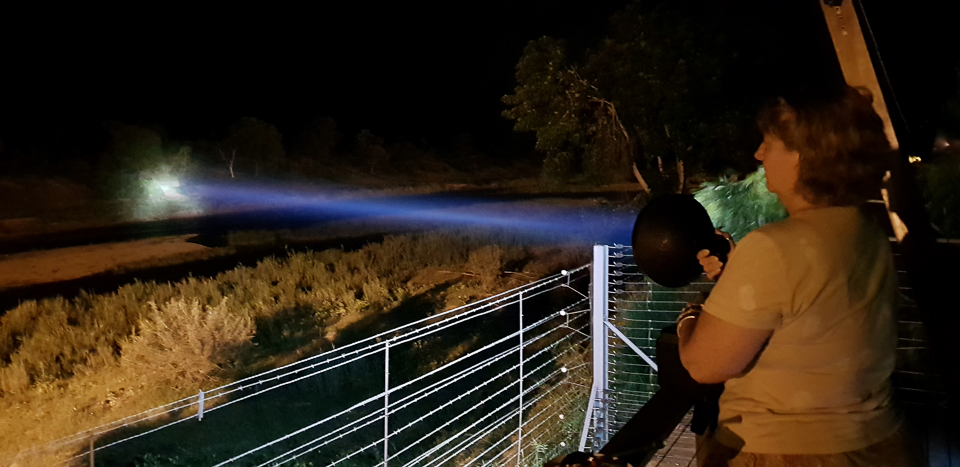
Learn all about Safari Jet Lag Prevention Strategies in this comprehensive guide.
Understanding the Climate and Terrain in Africa
When packing for a safari in Africa, it's essential to consider the local climate and terrain. Africa has a diverse landscape, from vast plains to dense forests. Temperatures can fluctuate significantly, with warm days and cool evenings. Lightweight, breathable fabrics are your best friend. For more on planning your trip, see our destination guide for Africa.
Essential Clothing Items
Neutral-colored clothing is highly recommended to blend in with the environment and avoid startling the wildlife. Think khaki, olive, and brown. You'll want to pack a mix of short-sleeved shirts and long-sleeved shirts for sun protection. A lightweight waterproof jacket is also a must, as rain showers can be unpredictable. For personalized packing advice, consider consulting with one of our safari operators.
Still researching? Let us help.
Our advisory team has planned safaris across 9 African countries. We can turn your research into a real plan.
Talk to an AdvisorFootwear for All Activities
Comfortable, broken-in walking shoes are non-negotiable. Whether you're on a walking safari or just exploring your lodge, you'll be on your feet a lot. A pair of sandals or flip-flops is also great for relaxing at the lodge. If you're planning any strenuous hikes, be sure to bring appropriate hiking boots. Our safari cost calculator can help you budget for any specialized gear you may need to purchase.
Sun and Insect Protection
A wide-brimmed hat, sunglasses, and high-SPF sunscreen are crucial for protecting yourself from the African sun. Insect repellent is also a must, especially in the evenings. Look for a repellent containing DEET for the most effective protection against mosquitoes and other biting insects. For more health and safety tips, visit our knowledge base.
Evening and Lodge Attire
Evenings on safari can be a mix of casual and smart-casual. Most lodges have a relaxed dress code, but it's always a good idea to pack a slightly nicer outfit for dinner. A pashmina or wrap is perfect for adding a touch of warmth and style. Before you book, be sure to research safari operators in Africa to understand the specific dress codes at their lodges.
Done Reading? Let's Build Your Safari.
Skip the guesswork. Work with an advisor who has been on the ground across East and Southern Africa.
Plan With UsThe Critical Importance of Managing Jet Lag on Safari
A safari is often a once-in-a-lifetime journey, involving significant investment and long-haul travel. The last thing any traveler wants is for the first few precious days in Africa to be ruined by the debilitating effects of jet lag. Early morning game drives, often starting before sunrise, are a cornerstone of the safari experience, offering the best chances to see predators on the move. Arriving exhausted and out of sync with the local time can mean missing these magical moments or being too tired to fully appreciate them.
Furthermore, a typical safari day can be long and demanding, with hours spent in a vehicle, followed by evening activities and meals. Battling jet lag can diminish your stamina, mood, and overall enjoyment of the trip. By taking proactive steps to mitigate jet lag, you are investing in the quality of your safari experience, ensuring you arrive rested, alert, and ready to embrace the adventure from day one. For a personalized itinerary that accounts for travel fatigue, consider consulting with our safari operators.
Pre-Flight Strategies: Setting Yourself Up for Success
Your battle against jet lag should begin several days before you even step on the plane. By gradually preparing your body for the new time zone, you can significantly reduce the severity of symptoms upon arrival.
1. Adjust Your Internal Clock: Four to five days before your departure, start shifting your sleep schedule. If you're traveling eastbound (e.g., from the US to Kenya), begin going to bed and waking up one hour earlier each day. For westbound travel, do the opposite. This gradual adjustment helps to gently nudge your circadian rhythm in the right direction, making the final time zone shift less of a shock to your system.
2. Strategic Light Exposure: Light is the most powerful tool for resetting your body clock. If traveling east, seek out bright morning light in the days leading up to your trip. If traveling west, expose yourself to light in the evening. This mimics the light patterns of your destination and signals to your brain when it should be awake and asleep.
> Expert Insight: Consider using a light therapy box for 15-30 minutes upon waking if you are traveling eastbound. This concentrated dose of bright light can be highly effective in advancing your sleep-wake cycle.
3. Hydration and Nutrition: Begin hydrating diligently 48 hours before your flight. Dehydration exacerbates the symptoms of jet lag. Avoid heavy, fatty meals and excessive alcohol in the days before you fly, as these can disrupt sleep patterns and leave you feeling sluggish. For more tips on what to pack and how to prepare, explore our knowledge center.
In-Flight Best Practices for a Smoother Transition
The long-haul flight is where you can make the biggest difference in your jet lag recovery. Treat the plane as a transition zone to your new time zone.
1. Set Your Watch to Destination Time: As soon as you board the plane, change your watch, phone, and any other devices to the time at your safari destination. This psychological trick helps you to start thinking and acting according to the new time zone immediately.
2. Hydrate, Hydrate, Hydrate: The air inside a plane cabin is extremely dry, which can lead to dehydration. Drink plenty of water throughout the flight and avoid alcohol and caffeine, which are diuretics and can interfere with sleep.
3. Sleep Strategically: Try to sleep on the plane if it will be nighttime at your destination. To facilitate this, bring a high-quality travel pillow, an eye mask, and noise-canceling headphones or earplugs. If you must stay awake, try to do so during daylight hours at your destination.
> Traveler's Tip: Wear comfortable, loose-fitting clothing and consider compression socks to improve circulation and reduce the risk of swelling and deep vein thrombosis (DVT) on long flights.
Arrival and Post-Flight Recovery
Once you land, the key is to embrace the local schedule as quickly as possible.
1. Get Into the Sunlight: Upon arrival, if it's daytime, spend as much time as possible outdoors in the sunlight. This will help to suppress melatonin production and signal to your body that it's time to be awake. A gentle walk around your lodge or a relaxed afternoon by the pool can work wonders.
2. Stay Active (But Don't Overdo It): Resist the urge to take a long nap, no matter how tired you feel. If you must sleep, limit it to a short power nap of 20-30 minutes. Light physical activity, such as a walk or some gentle stretching, can help to boost your energy levels and keep you going until a reasonable bedtime.
3. Eat on Local Time: Align your meals with the local time zone. Even if you don't feel hungry, try to eat a small meal at the appropriate time. This helps to anchor your body's internal rhythms, including digestion, to the new schedule.
4. Consider Melatonin for the First Few Nights: Melatonin is a hormone that helps to regulate sleep. Taking a low dose (0.5mg to 3mg) about 30 minutes before your desired bedtime for the first two or three nights can help you fall asleep faster and adjust to the new time zone. However, it's essential to consult with your doctor before taking any new supplement.
By implementing these strategies, you can minimize the impact of jet lag and maximize your enjoyment of every moment of your African safari. To start visualizing your trip and its associated costs, check out our safari cost calculator. When you're ready to make your dream a reality, our team is here to help you plan your safari.
Need Expert Safari Guidance?
Get expert advisory support from a firm founded by a former safari guide — with real operational knowledge across 9 African countries and full-journey accountability.
Related Planning Guides
Recommended Reading
 Safari Travel Tips
Safari Jet Lag Tips
Conquer safari jet lag with our expert tips. Learn how to adjust your sleep, manage flights, and acclimate to African time zones for an unforgettable adventure.
 Travel Logistics
Safari Jet Lag Recovery Tips
Don\
 Travel Logistics
Safari Jet Lag Recovery at Destination
A comprehensive guide to Safari Jet Lag Recovery at Destination. Learn everything you need to know for your safari adventure.
 Packing & Preparation
Safari Malaria Prevention Guide
Learn all about Safari Malaria Prevention Guide in this comprehensive guide.
 Travel Logistics
Safari Sunburn Prevention
The African sun is strong. Our guide to sunburn prevention will help you protect your skin and enjoy the sun safely on your safari.
 Luxury Safari Content
How to Plan a Luxury Safari for a Milestone Event
A comprehensive guide to How to Plan a Luxury Safari for a Milestone Event. Learn everything you need to know for your safari adventure.