
Learn all about Safari Malaria Prevention Guide in this comprehensive guide.
Understanding the Climate and Terrain in Africa
When packing for a safari in Africa, it's essential to consider the local climate and terrain. Africa has a diverse landscape, from vast plains to dense forests. Temperatures can fluctuate significantly, with warm days and cool evenings. Lightweight, breathable fabrics are your best friend. For more on planning your trip, see our destination guide for Africa.
Essential Clothing Items
Neutral-colored clothing is highly recommended to blend in with the environment and avoid startling the wildlife. Think khaki, olive, and brown. You'll want to pack a mix of short-sleeved shirts and long-sleeved shirts for sun protection. A lightweight waterproof jacket is also a must, as rain showers can be unpredictable. For personalized packing advice, consider consulting with one of our safari operators.
Still researching? Let us help.
Our advisory team has planned safaris across 9 African countries. We can turn your research into a real plan.
Talk to an AdvisorFootwear for All Activities
Comfortable, broken-in walking shoes are non-negotiable. Whether you're on a walking safari or just exploring your lodge, you'll be on your feet a lot. A pair of sandals or flip-flops is also great for relaxing at the lodge. If you're planning any strenuous hikes, be sure to bring appropriate hiking boots. Our safari cost calculator can help you budget for any specialized gear you may need to purchase.
Sun and Insect Protection
A wide-brimmed hat, sunglasses, and high-SPF sunscreen are crucial for protecting yourself from the African sun. Insect repellent is also a must, especially in the evenings. Look for a repellent containing DEET for the most effective protection against mosquitoes and other biting insects. For more health and safety tips, visit our knowledge base.
Evening and Lodge Attire
Evenings on safari can be a mix of casual and smart-casual. Most lodges have a relaxed dress code, but it's always a good idea to pack a slightly nicer outfit for dinner. A pashmina or wrap is perfect for adding a touch of warmth and style. Before you book, be sure to research safari operators in Africa to understand the specific dress codes at their lodges.
Done Reading? Let's Build Your Safari.
Skip the guesswork. Work with an advisor who has been on the ground across East and Southern Africa.
Plan With UsUnderstanding Malaria Risk by Safari Destination
While malaria is a serious concern across much of sub-Saharan Africa, the risk is not uniform. Understanding the specific risk profile of your chosen destinations is a critical first step in planning a safe and healthy safari. Some regions are high-risk year-round, while others have seasonal peaks or are considered low-risk or even malaria-free.
High-Risk Regions:
- Uganda & Rwanda: Both countries, famous for gorilla trekking, have a high malaria risk throughout the year, particularly in lowland areas like Queen Elizabeth National Park and Murchison Falls National Park.
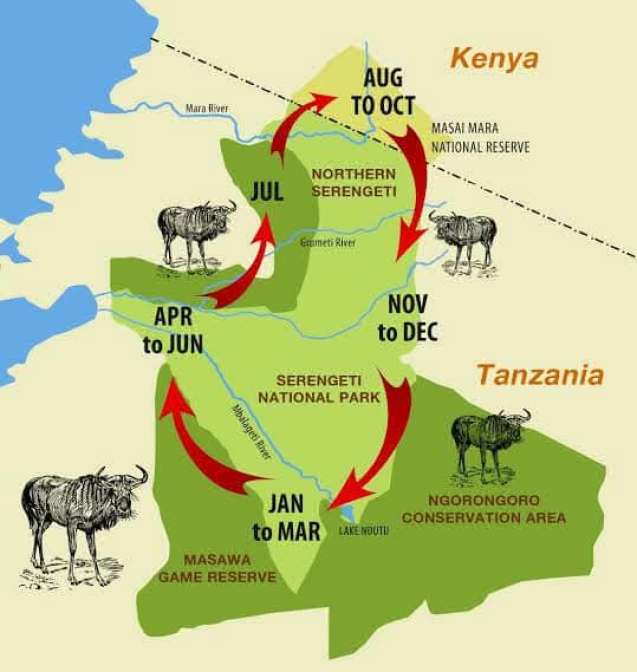
- Tanzania: The Serengeti, Tarangire, and coastal areas including Zanzibar are high-risk zones. The Ngorongoro Crater has a lower risk due to its higher elevation, but antimalarials are still strongly recommended.
- Kenya: The Maasai Mara, Amboseli, and coastal regions are high-risk. Higher altitude areas around Mount Kenya and the Aberdares have a lower risk.
Variable & Low-Risk Regions:
- Botswana: The Okavango Delta and Chobe National Park carry a seasonal risk, highest during the rainy season (November to June). The Kalahari Desert is generally considered low-risk.
- Namibia: Etosha National Park and the Caprivi Strip have a seasonal risk, similar to Botswana. The southern parts of Namibia, including Sossusvlei and Fish River Canyon, are largely malaria-free.
- South Africa: Kruger National Park is a low-to-moderate risk area, with the highest risk during the wet summer months. Most other safari areas in South Africa, such as the Eastern Cape and Madikwe Game Reserve, are malaria-free.
> Expert Insight: Do not let malaria risk deter you from visiting a destination. Millions of people travel to these regions safely every year. The key is proper preparation and consistent prevention. Our safari operators can provide detailed, up-to-date health and safety information for your specific itinerary.
Choosing the Right Antimalarial Medication
Consulting a travel medicine specialist is non-negotiable before your safari. They will prescribe the best antimalarial medication based on your itinerary, medical history, and personal preferences. The most common options include:
| Medication | Key Advantages | Potential Side Effects | Typical Regimen | | :--- | :--- | :--- | :--- | | Atovaquone/Proguanil (Malarone) | Excellent protection, fewest side effects | Can be expensive, vivid dreams (rare) | Start 1-2 days before, daily during, and for 7 days after travel | | Doxycycline | Affordable, also protects against other bacterial infections | Increased sun sensitivity, must be taken with food | Start 1-2 days before, daily during, and for 28 days after travel | | Mefloquine (Lariam) | Weekly dosage | Can cause neuropsychiatric side effects (anxiety, paranoia), not suitable for those with mental health history | Start 2-3 weeks before, weekly during, and for 4 weeks after travel |
> Traveler's Tip: Always purchase your medication from a reputable pharmacy in your home country. Counterfeit drugs are a serious problem in some parts of the world. Start your medication before you leave to ensure you don't have an adverse reaction while traveling.
Beyond Pills: A Multi-Layered Prevention Strategy
Antimalarials are your most important defense, but they are not 100% effective. Combining them with proactive measures to prevent mosquito bites is the gold standard for malaria prevention.
1. Use a High-Quality Insect Repellent: Look for repellents containing DEET (20-30% concentration is effective), Picaridin, or oil of lemon eucalyptus. Apply it to all exposed skin, especially during the peak mosquito activity hours of dusk and dawn. Reapply after swimming or heavy sweating.
2. Treat Your Clothing with Permethrin: Permethrin is an insecticide that kills or repels mosquitoes on contact. You can buy pre-treated safari clothing or purchase a spray to treat your own clothes. This is a highly effective way to create a protective barrier. Focus on treating socks, trousers, and long-sleeved shirts.
3. Sleep Under a Mosquito Net: All reputable safari lodges and camps in malaria zones will provide mosquito nets over your bed. Ensure the net is properly tucked in and has no holes. For extra protection, you can spray the net with permethrin before your trip.
4. Be Mindful During Peak Hours: Anopheles mosquitoes, the type that transmit malaria, are most active from dusk until dawn. During these times, make a special effort to wear long sleeves and trousers and be diligent with your repellent. Enjoy your sundowners, but be smart about it!
Recognizing Symptoms and Your On-Safari Action Plan
Malaria symptoms can appear as early as 7 days after being bitten and can be easily mistaken for the flu. Early diagnosis and treatment are crucial.
Key Symptoms to Watch For:
- Fever and chills
- Headache
- Muscle and joint pain
- Fatigue
- Nausea and vomiting
If you experience any of these symptoms, even if you have been taking antimalarials, you must assume it is malaria until proven otherwise. Immediately inform your safari guide or lodge manager. They are trained to handle medical situations and will arrange for you to be tested at the nearest clinic or hospital. A simple blood test can confirm a diagnosis quickly.
> Expert Insight: All our partner operators have robust emergency protocols. Your guide is your first point of contact and will manage the logistics, ensuring you get prompt medical attention. For more on staying safe, visit our knowledge center.
Post-Safari Health and Continuing Care
Your commitment to malaria prevention doesn't end when you board the plane home. It is absolutely essential to complete your full course of antimalarial medication, even after you have left the risk area. Stopping early can dramatically reduce the medication's effectiveness.
Continue to monitor your health for several weeks after your return. If you develop a fever or flu-like symptoms, see a doctor immediately and be sure to tell them you have recently traveled to a malaria-endemic region. With proper prevention and vigilance, your safari will be a healthy and unforgettable adventure. Ready to start planning? Plan your safari with us today.
Need Expert Safari Guidance?
Get expert advisory support from a firm founded by a former safari guide — with real operational knowledge across 9 African countries and full-journey accountability.
Related Planning Guides
Recommended Reading
 Packing & Preparation
Safari Footwear Guide
Learn all about Safari Footwear Guide in this comprehensive guide.
 Packing & Preparation
Safari Hat and Sun Protection Guide
Learn all about Safari Hat and Sun Protection Guide in this comprehensive guide.
 Packing & Preparation
Safari Sunscreen and Skincare Guide
Learn all about Safari Sunscreen and Skincare Guide in this comprehensive guide.
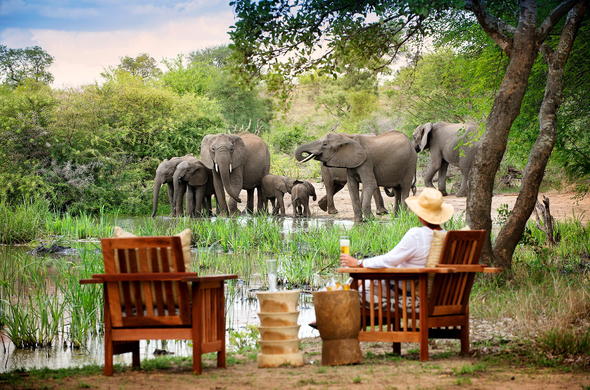 Safari Planning
Step-by-Step Guide to Planning an African Safari
Learn how to plan your first African safari with our step-by-step guide. We cover everything from choosing a destination to booking your trip and packing.
 Safari Planning
Self-Drive Safari vs Guided Safari
Deciding between a self-drive safari and a guided safari? This guide breaks down the pros, cons, costs, and key differences to help you choose the right trip.
 Safari Costs
Luxury Safari Pricing Guide
Discover the real cost of a luxury African safari. Our guide breaks down pricing by country, what\