
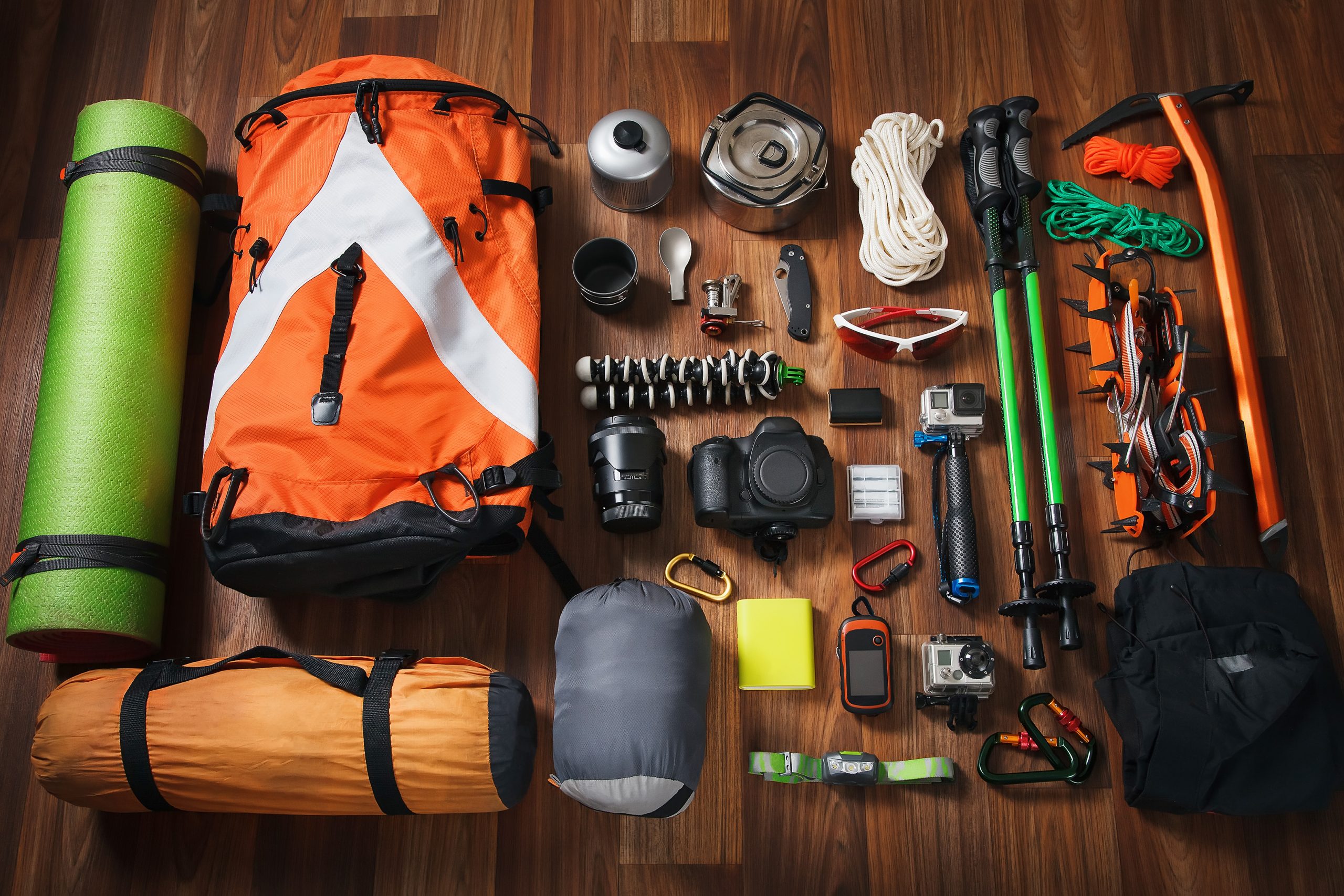
Food poisoning can ruin a trip. Our guide to food poisoning prevention will help you eat well and stay healthy on your safari.
About Safari Food Poisoning Prevention
This in-depth guide explores safari food poisoning prevention, providing essential information for anyone planning an African safari. Understanding this topic thoroughly will help you make informed decisions and have a more rewarding safari experience. Africa's safari industry continues to evolve, and staying informed about the latest developments ensures you get the best possible experience.
Why This Matters for Your Safari
Safari Food Poisoning Prevention is an important consideration for safari travelers. Whether you're a first-time visitor or a returning enthusiast, understanding the nuances of this topic can significantly impact your trip. From choosing the right destinations to selecting appropriate operators, every decision builds on foundational knowledge. Our safari operators can provide personalized guidance based on your specific needs.
Still researching? Let us help.
Our advisory team has planned safaris across 9 African countries. We can turn your research into a real plan.
Talk to an AdvisorKey Insights and Recommendations
Based on extensive industry experience and traveler feedback, several key insights emerge. First, research is your best investment, as the more you know before booking, the better your experience will be. Second, flexibility in timing and destinations often leads to better value and fewer crowds. Third, working with experienced professionals, whether guides, operators, or advisors, consistently produces superior outcomes. Explore our knowledge center for more detailed articles on related topics.
Practical Applications
Putting this knowledge into practice starts with your planning process. Begin by identifying your priorities, whether that's specific wildlife encounters, landscape preferences, or cultural experiences. Then use resources like our destination guides, cost calculator, and operator directory to build an itinerary that aligns with your goals. Don't rush the planning process, as a well-planned safari is almost always more rewarding than a hastily arranged one.
Further Reading
To deepen your understanding, explore related articles in our knowledge center. Each guide is written by safari industry professionals with firsthand experience across Africa's top destinations. For personalized advice, our safari planning guidey team is available to answer your questions and help refine your plans.
Done Reading? Let's Build Your Safari.
Skip the guesswork. Work with an advisor who has been on the ground across East and Southern Africa.
Plan With UsUnderstanding the Culprits: Common Causes of Foodborne Illness on Safari
While the thought of a stomach bug is unpleasant, understanding the risks is the first step toward prevention. The majority of traveler's diarrhea cases are caused by bacteria, with Enterotoxigenic Escherichia coli (ETEC) being the most frequent offender. Other common bacterial culprits include Campylobacter, Shigella, and Salmonella. These microorganisms are typically transmitted through the fecal-oral route, meaning they are ingested via contaminated food or water.
Viruses, such as Norovirus and Rotavirus, can also cause gastrointestinal distress, as can parasites like Giardia and Cryptosporidium. The primary sources of contamination are often unwashed hands, contaminated water used for washing produce, or food that has been improperly cooked or stored.
> Expert Insight: While safari lodges and camps maintain high hygiene standards, the risk of foodborne illness is never zero. The most significant risks often arise during transit, at airports, or when venturing into local markets where food handling practices may not be as stringent. Always maintain vigilance, even outside of your safari itinerary.
Vetting Your Safari Operator: Food Safety Standards at Lodges and Camps
The single most important factor in preventing food poisoning on safari is the quality of your chosen operator and accommodation. Reputable safari companies understand that guest safety is paramount, and this extends to their food preparation and handling protocols. When planning your safari, don't hesitate to ask about their food safety standards. Our safari operators can help you select operators with a proven track record of excellence.
Here are some key indicators of a safe and hygienic safari kitchen:
| Feature | Description | | :--- | :--- | | Water Filtration | High-end lodges and camps use advanced water filtration systems to ensure all water used for cooking, washing produce, and making ice is safe for consumption. | | Staff Training | Well-trained kitchen staff are knowledgeable about proper food handling, temperature control, and cross-contamination prevention. | | Supply Chain Management | Reputable operators source their ingredients from trusted suppliers who adhere to high standards of quality and freshness. | | Buffet Management | At buffet-style meals, food should be kept at the correct temperature (hot foods hot, cold foods cold) and protected from flies and other pests. |
> Traveler's Tip: Don't be shy about asking your guide or the camp manager about their food safety practices. A transparent and confident response is a good sign that they take hygiene seriously. You can also consult our knowledge center for more in-depth articles on choosing the right safari operator.
Navigating Local Cuisine: Tips for Eating Safely Outside the Lodge
One of the joys of travel is experiencing local culture through its food. While safari lodges offer a controlled dining environment, you may have opportunities to eat at local restaurants or markets. With a few precautions, you can enjoy these experiences safely.
- Eat at busy establishments: A high turnover of customers suggests that the food is fresh and popular.
- Choose freshly cooked food: Opt for dishes that are cooked to order and served piping hot. Avoid food that has been sitting out at room temperature.
- Be cautious with street food: While often delicious, street food carries a higher risk. If you do indulge, stick to vendors who are cooking the food in front of you.
- Peel it, boil it, cook it, or forget it: This is a classic travel mantra for a reason. Fruits and vegetables that you can peel yourself are generally safe. Avoid raw salads and other uncooked produce unless you are certain it has been washed in safe water.
Beyond Food: Water and Beverage Safety
Contaminated water is a primary source of traveler's diarrhea. While most safari lodges provide bottled or filtered water, it's essential to remain vigilant about what you drink.
- Stick to bottled or purified water: Always use sealed, bottled water for drinking and brushing your teeth. If bottled water isn't available, use a reliable water filter or purification tablets.
- Avoid ice: Unless you are certain the ice was made from purified water, it's best to avoid it in your drinks.
- Be wary of fresh juices: Freshly squeezed juices may be diluted with contaminated water. Opt for bottled or canned beverages instead.
When Prevention Fails: Managing Symptoms and Seeking Help
Even with the best precautions, it's possible to fall ill. If you do experience symptoms of food poisoning, such as diarrhea, nausea, or stomach cramps, don't panic. Most cases are mild and resolve on their own within a few days.
- Stay hydrated: This is the most critical step. Drink plenty of bottled water, and consider an oral rehydration solution (ORS) to replace lost electrolytes.
- Eat bland foods: Once you feel up to it, start with simple, bland foods like rice, bananas, and toast.
- Rest: Give your body time to recover.
- Seek medical attention if necessary: If your symptoms are severe, if you have a high fever, or if you see blood in your stool, seek medical help. All reputable safari operators will have a plan in place for medical emergencies.
Before you travel, it's wise to consult with your doctor about packing a small medical kit with anti-diarrheal medication and any other personal medications you may need. For more personalized travel health advice, consider a consultation with one of our safari operators who can connect you with travel medicine specialists.
By taking these sensible precautions, you can significantly reduce your risk of food poisoning and focus on what truly matters: the incredible wildlife and landscapes of your African safari. For a comprehensive overview of safari planning, from choosing destinations to estimating costs with our safari cost calculator, be sure to plan your safari with our expert team.
Need Expert Safari Guidance?
Get expert advisory support from a firm founded by a former safari guide — with real operational knowledge across 9 African countries and full-journey accountability.
Related Planning Guides
Recommended Reading
 Travel Logistics
Safari Sunburn Prevention
The African sun is strong. Our guide to sunburn prevention will help you protect your skin and enjoy the sun safely on your safari.
 Travel Logistics
Safari Insect Bite Prevention
Insects are a part of the African bush. Our guide to insect bite prevention will help you avoid getting bitten and protect yourself from insect-borne diseases.
 Travel Logistics
Safari Dehydration Prevention
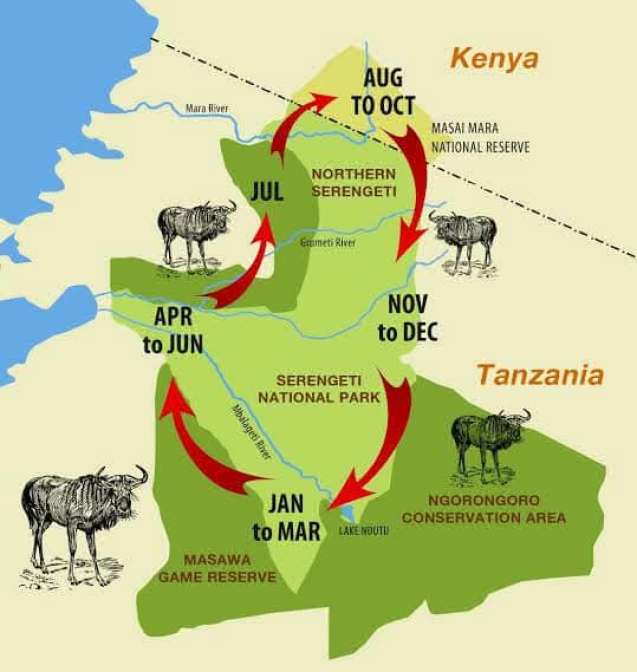
Dehydration can be a serious risk on safari. Our guide to dehydration prevention will help you stay hydrated and healthy on your trip.
 Packing & Preparation
Safari Malaria Prevention Guide
Learn all about Safari Malaria Prevention Guide in this comprehensive guide.
 Country Guides
Tanzania Safari Food and Cuisine Guide
A comprehensive guide to Tanzania Safari Food and Cuisine Guide. Learn everything you need to know for your next safari adventure.
 Country Guides
Kenya Safari Food and Cuisine Guide
A comprehensive guide to Kenya Safari Food and Cuisine Guide. Learn everything you need to know for your next safari adventure.