
Learn how Africa\
''' Understanding the climate patterns of Africa is one of the most critical steps in planning a successful safari. Unlike the four distinct seasons of North America or Europe, much of Africa's safari destinations are defined by two primary seasons: the dry season and the wet season. The timing of these seasons has a profound impact on everything from wildlife viewing opportunities and landscape scenery to pricing and the number of other travelers you'll encounter. Choosing when to travel can dramatically shape your experience, making it essential to align your travel dates with your safari priorities. This guide will walk you through the nuances of Africa's climate, helping you decide on the perfect time to embark on your adventure.
The Dry Season: Prime Time for Wildlife Viewing
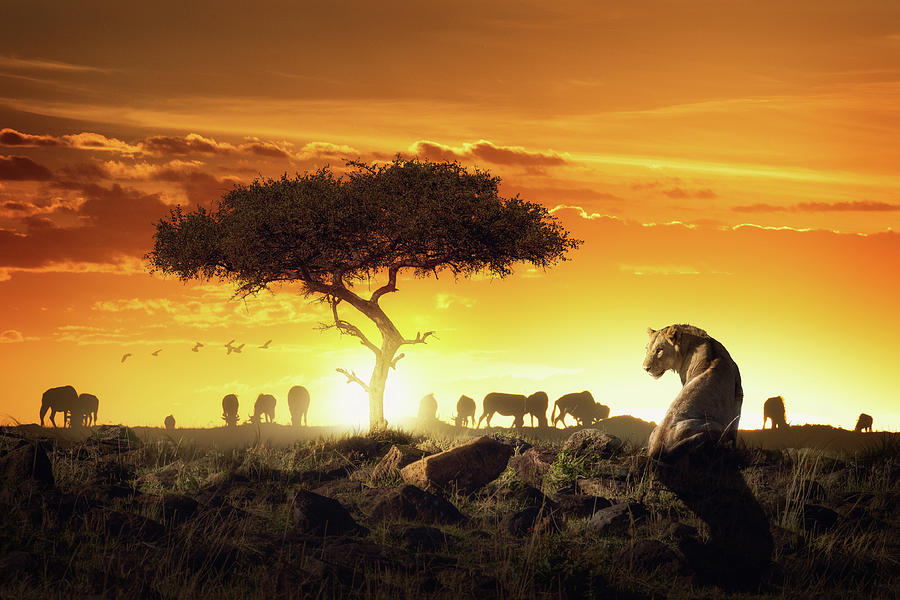
For most safari destinations in both East and Southern Africa, the dry season is traditionally considered the best time for wildlife viewing. This period, which generally runs from June to October, is characterized by sparse vegetation and dwindling water sources, which draws animals to rivers and waterholes in large, concentrated numbers. This makes them easier to find and observe, offering the classic safari experience many travelers dream of.
Why Choose the Dry Season?
- Excellent Visibility: With less foliage and dried-out grasses, spotting wildlife from a distance becomes significantly easier. Animals can't hide as effectively, and the open landscapes provide unobstructed views.
- Concentrated Wildlife: As smaller water sources dry up, animals congregate around major rivers, lakes, and man-made waterholes. This creates predictable hotspots for game viewing, where you can witness incredible interactions between different species.
- Pleasant Weather: The dry season typically brings sunny, clear skies and cooler temperatures, especially during the early mornings and late afternoons when game drives occur. There are also fewer mosquitoes, which reduces the risk of malaria.
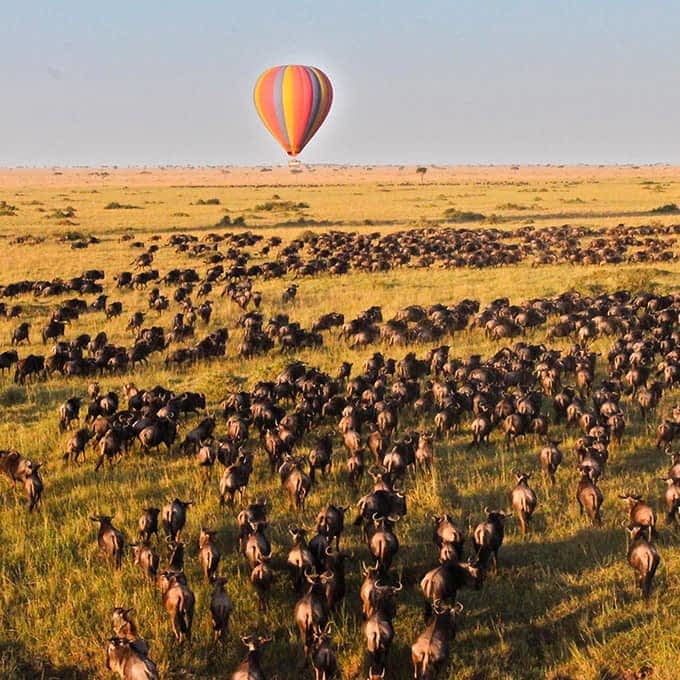
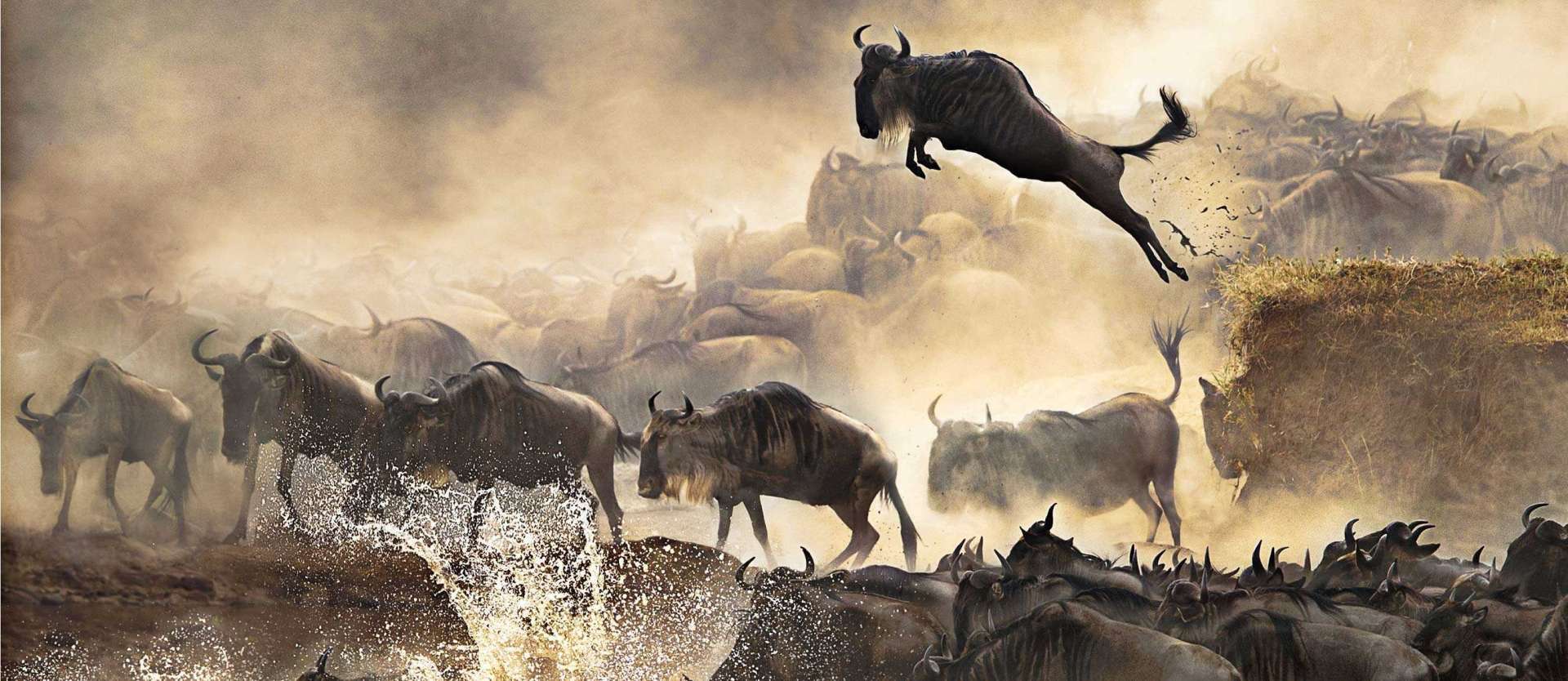
- The Great Migration: In Tanzania's Serengeti and Kenya's Maasai Mara, the dry season aligns with the dramatic river crossings of the Great Wildebeest Migration, a bucket-list spectacle for many safari-goers.
Popular Dry Season Destinations
- Tanzania (June - October): The Serengeti, Ngorongoro Crater, and Tarangire National Park offer phenomenal game viewing. This is the prime time to witness the Great Migration's Mara River crossing.
- Kenya (June - October): The Maasai Mara is the main stage for the Great Migration during these months. Other parks like Amboseli and Samburu also offer fantastic, reliable wildlife sightings.
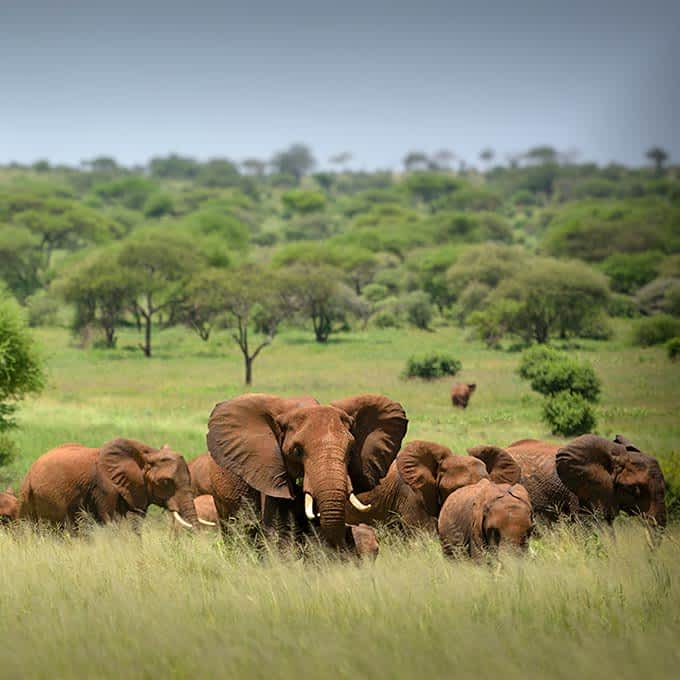
- Botswana (May - October): The Okavango Delta floods during the dry season, creating a unique water-based safari experience. Chobe National Park boasts enormous elephant herds along its riverfront.
- Zimbabwe & Zambia (April - October): This is the best time to visit Victoria Falls, as the water levels are lower, providing clearer views. Wildlife viewing in parks like Hwange (Zimbabwe) and South Luangwa (Zambia) is exceptional.
The Wet Season: The "Green Season" Transformation
The wet season, often called the "green season," offers a completely different but equally rewarding safari experience. This period sees the arrival of rains, which transform the dry, dusty landscapes into lush, vibrant green wonderlands. While wildlife can be harder to spot in the dense vegetation, the wet season brings its own unique advantages, including lower prices, fewer crowds, and the arrival of newborn animals.
Why Choose the Wet Season?
- Lush, Photographic Landscapes: The scenery during the green season is breathtaking. The vibrant colors, dramatic skies, and clean, dust-free air are a photographer's dream.
- Birthing Season: Many herbivore species, including wildebeest, zebra, and impala, give birth during the wet season to coincide with the abundance of fresh grazing. This creates incredible scenes of new life and also attracts predators, leading to dramatic predator-prey interactions.
- Fewer Crowds & Lower Prices: As it's considered the "off-season," you'll often find significantly lower prices for lodges and tours. You'll also share the wilderness with far fewer vehicles, leading to a more intimate and exclusive experience.
- Excellent Birdwatching: The wet season is a paradise for birders. Migratory birds arrive from Europe and Asia, and many resident birds are in their colorful breeding plumage.
Navigating the Rains
It's important to understand that the "wet season" doesn't usually mean non-stop rain. In many regions, particularly East Africa, the rains come in the form of short, powerful afternoon thunderstorms, leaving the rest of the day clear and sunny. The "long rains" (typically March to May) can be more persistent, while the "short rains" (November to December) are often lighter and less disruptive.
Still researching? Let us help.
Our advisory team has planned safaris across 9 African countries. We can turn your research into a real plan.
Talk to an AdvisorRegional Climate Variations: East vs. Southern Africa
While the dry/wet season dynamic is a good general rule, climate patterns vary significantly across the continent. Understanding the regional differences is key to planning a trip to a specific country or park.
East Africa: Two Rainy Seasons
Countries like Kenya, Tanzania, Uganda, and Rwanda, which lie along the equator, experience two distinct rainy seasons and two dry seasons.
- Long Rains (March - May): This is the wettest time of year. Some lodges and camps may close, and roads can become impassable. However, it's a time of dramatic renewal in the bush.
- Long Dry Season (June - October): This is the peak safari season, offering the best weather and most reliable game viewing.
- Short Rains (November - December): Characterized by intermittent, less intense rainfall, this period sees the landscape begin to green up after the long dry spell. It's a beautiful time to travel with fewer crowds than the peak season.
- Short Dry Season (January - February): A pause between the rainy seasons, this is another excellent time for a safari. In the Southern Serengeti, it's the peak of the wildebeest calving season.
Southern Africa: A More Defined Pattern
Southern African countries like Botswana, Zambia, Zimbabwe, Namibia, and South Africa have a more straightforward climate pattern with one primary wet season and one dry season.
- Dry Winter (April - October): This is the prime safari season. Days are warm and sunny, while nights and early mornings can be quite cool, even cold. Wildlife is concentrated around permanent water sources.
- Wet Summer (November - March): This period is hot and humid, with regular rainfall. The landscape is lush and green, and it's the main birthing season. It's the best time for birdwatching.
How Climate Impacts Your Safari Activities
The prevailing climate pattern directly influences the types of activities you can enjoy and the gear you'll need to pack. During the dry season, game drives are the primary focus, as animals are easy to find. Walking safaris are also popular in destinations like Zambia and Zimbabwe.
In the wet season, you might find that some roads are closed, but this can open up opportunities for other experiences. In Botswana's Okavango Delta, for example, rising water levels from rains that fell months earlier in Angola create the perfect conditions for mokoro (traditional canoe) safaris. For gorilla trekking in Uganda and Rwanda, the rain can make trails muddy and challenging, but the experience of seeing the gorillas in the lush, misty forest is unforgettable at any time of year.
Conclusion: Choosing the Right Season for You
Ultimately, there is no single "best" time to go on safari. The ideal season depends entirely on your personal preferences and priorities. If your main goal is to see the highest concentration of wildlife with the easiest viewing, the dry season is your best bet. However, if you are a keen photographer, an avid birdwatcher, or a budget-conscious traveler who prefers solitude, the green season offers a uniquely beautiful and rewarding experience. By understanding the safari climate patterns of Africa, you can make an informed decision that ensures your trip is everything you've dreamed of and more. '''
Need Expert Safari Guidance?
Get expert advisory support from a firm founded by a former safari guide — with real operational knowledge across 9 African countries and full-journey accountability.
Related Planning Guides
Explore Related Topics
Recommended Reading
 Season & Timing Guides
Safari Weather Patterns in East Africa
Discover the distinct weather patterns of East Africa to plan your safari adventure. Learn about the long and short rainy seasons and the best times for wildlife viewing.
 Season & Timing Guides
Safari Weather Patterns in Southern Africa
Explore the diverse weather patterns of Southern Africa, from the dry winters to the wet summers, and learn how they impact safari activities and wildlife sightings.
 Season & Timing Guides
Safari Weather Patterns in Central Africa
Delve into the equatorial climate of Central Africa, characterized by high humidity and consistent rainfall, and understand its impact on gorilla trekking and rainforest safaris.
 Safari Operator Articles
How Safari Operators Adapt to Climate Change
Learn about how safari operators adapt to climate change and how it can impact your safari experience. Get expert advice and start planning your dream safari today.
 Safari Costs
Cheapest Safari Destinations in Africa
Discover the most affordable safari destinations in Africa. Our guide provides expert tips on budget-friendly countries, parks, and travel seasons for an unforgettable wildlife adventure.
 Advanced Safari Planning
Multi-Destination Safari Planning
Learn how to plan an unforgettable multi-destination African safari. Our expert guide covers popular country combinations, travel logistics, and itinerary tips.