
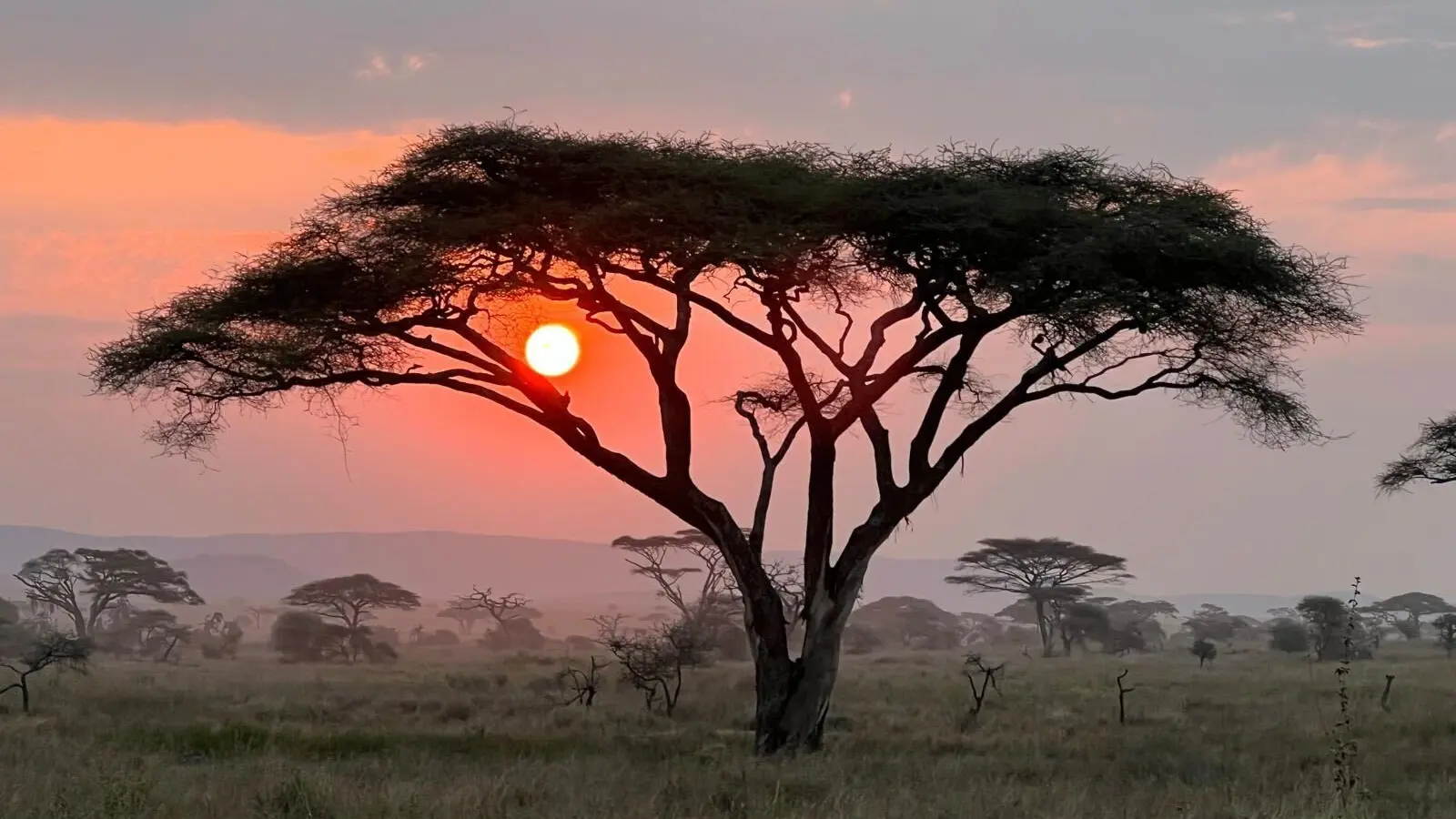
Planning a safari? Discover the best clothes to wear on your African adventure. Our guide covers the right colors, fabrics, and essential items to pack.
Deciding what to wear on safari is a more important part of your travel planning than you might think. The right clothing will not only keep you comfortable in the African bush but also enhance your wildlife viewing experience and protect you from the elements. While you don't need a specialized wardrobe, packing the right items—and leaving the wrong ones at home—is key to a successful safari. This guide will walk you through everything you need to know about choosing the best safari clothes, from the right colors and fabrics to essential items for your packing list.
Why Your Safari Clothing Choices Matter
Choosing the right safari attire is about more than just style; it's a practical decision that directly impacts your comfort, safety, and wildlife viewing success. Animals in the wild are highly attuned to their environment, and bright, unnatural colors can easily startle them, causing them to flee before you have a chance to observe them. Blending in with the natural landscape is crucial, especially on walking safaris or in open vehicles. Furthermore, weather in many African safari destinations can change rapidly, with cool mornings, hot middays, and chilly evenings. Layering with the right fabrics ensures you stay comfortable throughout the day. Finally, protecting yourself from the sun and insects is essential for a safe and enjoyable trip. The right clothing provides a physical barrier against both.
The Best Colors for Safari Clothing
When it comes to safari clothes, color is one of the most important considerations. The goal is to blend in with your surroundings as much as possible. This helps you get closer to wildlife without disturbing it. Neutral, earth-toned colors are your best bet.
Recommended Safari Colors
Think of the African landscape and choose colors that mimic it. Good choices include:
- Khaki: The classic safari color, and for good reason. It's a neutral that blends in well in most environments.
- Green: Olive, forest green, and other muted greens are excellent choices.
- Brown: From light tan to deeper browns, these colors are ideal for blending in.
- Beige and Taupe: These light neutrals are perfect for staying cool and inconspicuous.
Colors to Avoid on Safari
Just as important as knowing what colors to wear is knowing what colors to avoid. Bright colors and dark colors can both be problematic.
- White and Bright Colors: Avoid white and other bright colors like red, orange, yellow, and purple. These colors stand out to animals and can scare them away. They also show dirt very easily.
- Black and Dark Blue: These colors are known to attract tsetse flies, which have a painful bite and can transmit sleeping sickness in certain parts of Africa, including Tanzania and Zambia. While the risk is low, it's best to avoid these colors to be safe. They also absorb heat, making you hotter during the day.
Still researching? Let us help.
Our advisory team has planned safaris across 9 African countries. We can turn your research into a real plan.
Talk to an AdvisorChoosing the Right Fabrics
Comfort is key on safari, and the right fabrics will make a big difference. You'll be spending long hours in a vehicle or on foot, so you want clothing that is breathable, lightweight, and durable.
Recommended Fabrics
- Cotton: A classic choice for a reason. Cotton is breathable and comfortable against the skin. Look for lightweight cotton shirts and trousers.
- Linen: Another excellent choice for warm weather. Linen is incredibly breathable and lightweight, helping you stay cool in the midday heat.
- Fleece: While it may seem counterintuitive to pack fleece for Africa, it's essential for cool mornings and evenings. A fleece jacket is a must-have for layering.
- Moisture-Wicking Fabrics: Synthetic fabrics designed to wick sweat away from your body can be a good option, especially for active safaris. They also dry quickly, which is a bonus for laundry.
Fabrics to Avoid
- Denim: Denim is heavy, takes a long time to dry, and can be restrictive. It's best to leave your jeans at home.
- Silk: While lightweight, silk is not very durable and can be easily damaged.
Essential Safari Clothing Items
Now that you understand the best colors and fabrics for your safari wardrobe, let's look at the specific items you should pack. Layering is the key to staying comfortable, so think in terms of a complete system that you can adapt to changing conditions.
Tops: T-Shirts, and Long-Sleeved Shirts
Pack a mix of lightweight t-shirts and long-sleeved shirts in neutral colors. Long-sleeved shirts are particularly important as they offer protection from both the sun and insects. Look for shirts with roll-up sleeves and vents for added versatility. A couple of casual shirts for evenings at the lodge are also a good idea.
Trousers and Shorts
Convertible safari trousers that zip off into shorts are a popular and practical choice, giving you two options in one. Otherwise, pack one or two pairs of comfortable trousers and a pair of shorts for warmer days. Make sure they are made from a durable, lightweight fabric.
Outerwear: A Fleece and a Rain Jacket
Even in the warmest safari destinations, mornings and evenings can be surprisingly cold, especially in an open vehicle. A warm fleece jacket is an absolute must. A lightweight, waterproof rain jacket is also essential, particularly if you are traveling during the rainy season. It can also double as a windbreaker.
Footwear: Comfortable and Practical
Comfortable, closed-toe shoes are essential for a safari. A pair of sturdy walking shoes or hiking boots is ideal, especially if you plan on doing any walking safaris. Make sure they are well broken-in before you travel. A pair of sandals or flip-flops for around the lodge is also a good idea.
Accessories: Hat, Sunglasses, and Scarf
A wide-brimmed hat is crucial for protecting your face and neck from the African sun. Sunglasses are another non-negotiable item. A scarf or bandana can be surprisingly useful for protecting you from dust on game drives or for extra warmth in the evenings.
What to Wear for Different Safari Activities
Your clothing needs may vary slightly depending on the type of safari activities you have planned. While the core principles of neutral colors and comfortable fabrics remain the same, there are a few specific considerations for different experiences.
Game Drives
For standard game drives in a 4x4 vehicle, comfort and layering are your top priorities. You'll be sitting for long periods, so choose comfortable trousers or shorts. Since you'll likely be out in the early morning and late afternoon, a warm fleece is essential. A hat and sunglasses are also crucial for sun protection.
Walking Safaris
If you're planning a walking safari, your clothing choices become even more important. Blending in with the environment is paramount, so stick strictly to neutral colors. Sturdy, comfortable walking shoes are a must. Long trousers are recommended to protect your legs from thorns and insects. Avoid any noisy fabrics that might rustle as you walk.
Gorilla and Chimp Trekking
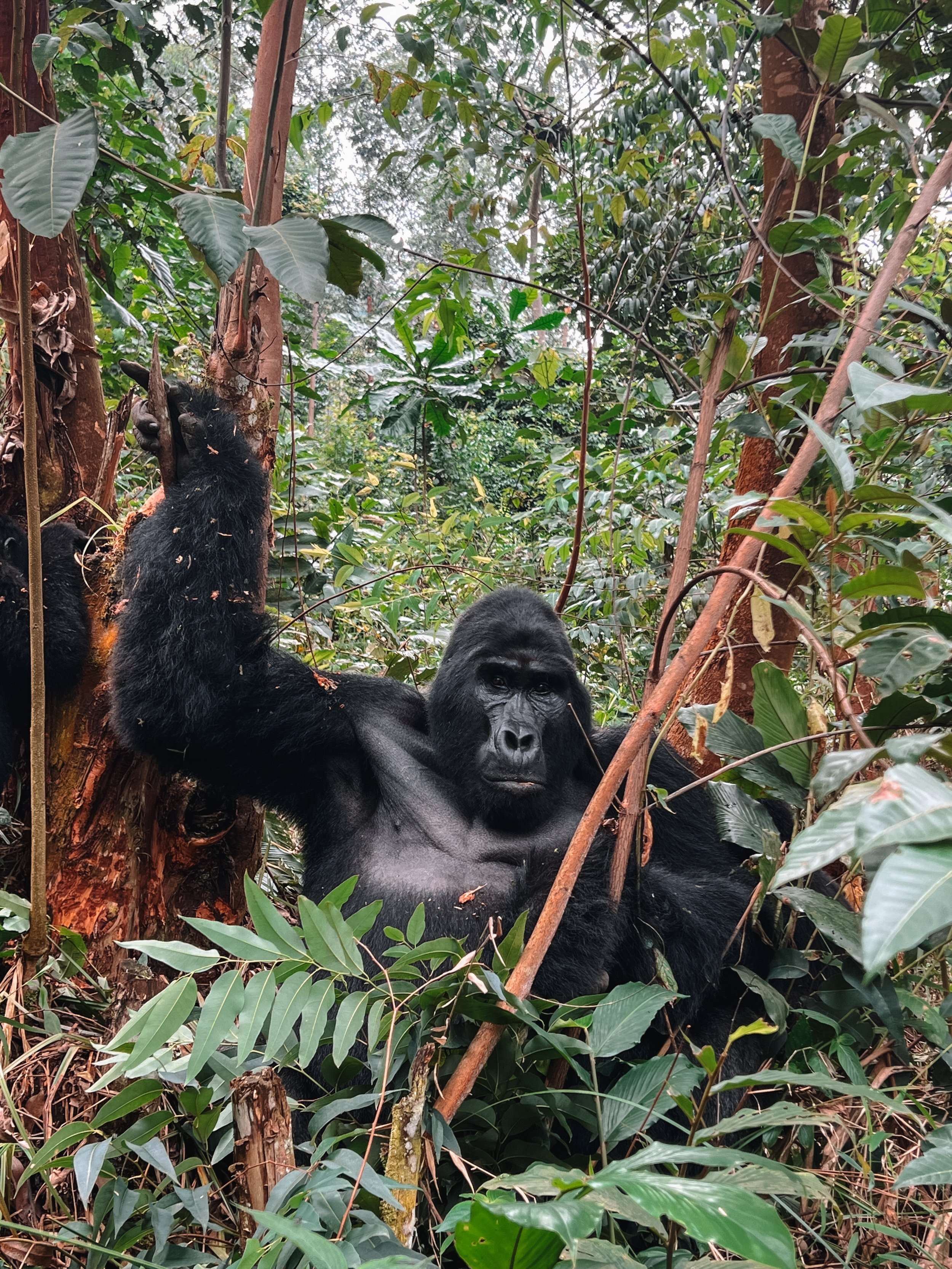
For gorilla or chimp trekking in places like Uganda or Rwanda, you'll be hiking through dense forest. Long-sleeved shirts and long trousers are essential for protection against stinging nettles and insects. Sturdy, waterproof hiking boots with good grip are also a must. It can be damp and muddy, so gaiters can be a useful addition to keep your trousers clean and dry.
Done Reading? Let's Build Your Safari.
Skip the guesswork. Work with an advisor who has been on the ground across East and Southern Africa.
Plan With UsFinal Thoughts on Packing for Your Safari
Packing the right clothes is a simple but essential step in preparing for an unforgettable African safari. By choosing neutral-colored, lightweight, and comfortable clothing, you'll be well-equipped for whatever adventures come your way. Remember to layer, protect yourself from the sun and insects, and pack practical items that will serve you well in the bush. With the right wardrobe, you can focus on what really matters: the incredible wildlife and landscapes of Africa.
Need Expert Safari Guidance?
Get expert advisory support from a firm founded by a former safari guide — with real operational knowledge across 9 African countries and full-journey accountability.
Related Planning Guides
Explore Related Topics
Recommended Reading
 Packing & Preparation
What to Wear on Safari in South Africa
Learn all about What to Wear on Safari in South Africa in this comprehensive guide.
 Packing & Preparation
Safari Footwear Guide
Learn all about Safari Footwear Guide in this comprehensive guide.
 Safari Planning
Step-by-Step Guide to Planning an African Safari
Learn how to plan your first African safari with our step-by-step guide. We cover everything from choosing a destination to booking your trip and packing.
 Packing & Preparation
What to Wear on Safari in Tanzania
Learn all about What to Wear on Safari in Tanzania in this comprehensive guide.
 Safari Planning
Choosing the Right African Safari Destination
Planning an African safari? Our guide helps you choose the right destination by breaking down key factors like wildlife, budget, travel style, and top countries.
 Safari Travel Tips
Safari Packing Guide
Master your safari packing with our expert checklist. Learn what to wear, essential gear to bring, and what to leave behind for your African adventure.