
Learn about how safari operators adapt to climate change and how it can impact your safari experience. Get expert advice and start planning your dream safari today.
How Safari Operators Adapt to Climate Change
This is the content for the article: How Safari Operators Adapt to Climate Change.
This article is in the category: Safari Operator Articles.
Here are some internal links:
The Shifting Landscape: Wildlife and Weather
Climate change is rewriting the rules of the African bush. Traditional weather patterns are becoming less predictable, with prolonged droughts in some regions and unprecedented flooding in others. For safari operators, this means that the old ways of tracking wildlife are no longer sufficient. Animals are on the move, seeking out new water sources and grazing lands, and operators must be more agile and informed than ever to keep up.
In places like Botswana's Okavango Delta, a UNESCO World Heritage site, the annual floodwaters are the lifeblood of the ecosystem. However, recent years have seen fluctuations in both the timing and volume of these floods. This directly impacts wildlife concentrations. To adapt, operators are investing in more advanced tracking technologies and employing highly experienced guides who can read the subtle signs of a changing environment. For instance, some camps now use satellite data to monitor water levels and vegetation growth, allowing them to anticipate wildlife movements and adjust their game drive routes accordingly.
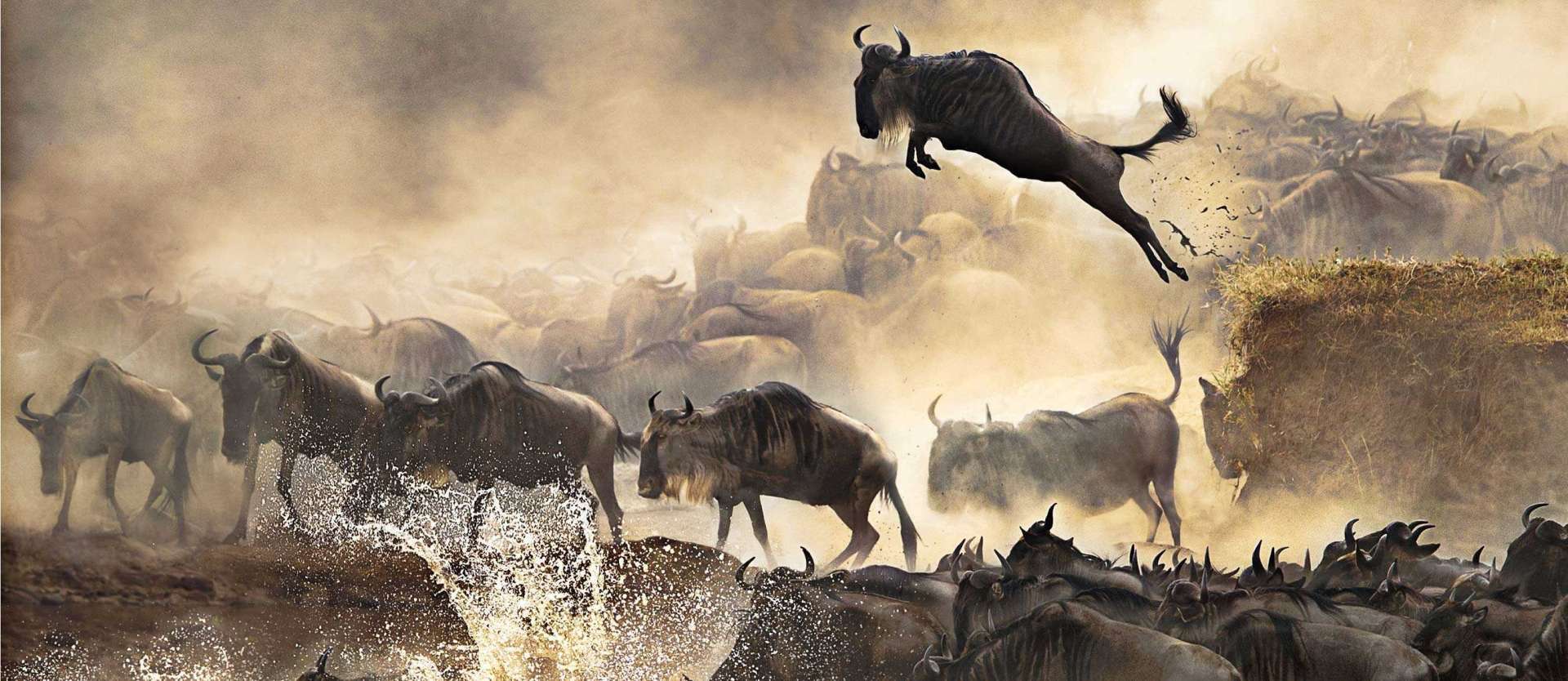
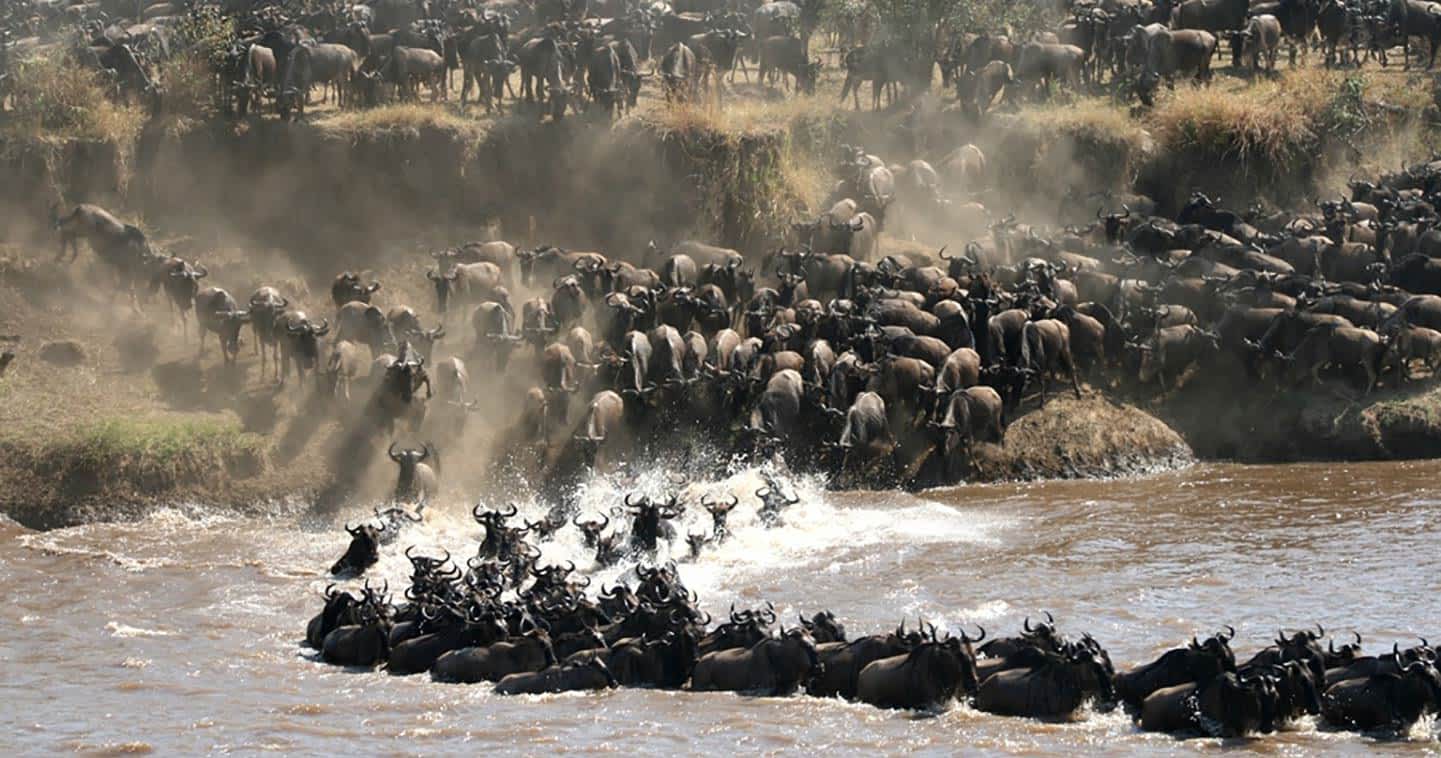
> Expert Insight: The Great Migration in the Serengeti and Maasai Mara is a prime example of this shift. While the migration has always been a dynamic event, climate change is altering the timing of the rains, which in turn affects the growth of the grasses that the wildebeest and zebra follow. This means the herds may cross the Mara River earlier or later than in previous years. The most reputable operators now have guides and trackers on the ground who provide real-time updates, ensuring that guests have the best possible chance of witnessing this incredible spectacle. You can learn more about the best times to visit in our destinations guide.
Still researching? Let us help.
Our advisory team has planned safaris across 9 African countries. We can turn your research into a real plan.
Talk to an AdvisorWater is Life: Innovations in a Drier World
Water scarcity is one of the most pressing challenges facing safari operators today. In arid and semi-arid regions like Namibia's Damaraland or Kenya's Samburu National Reserve, the competition for water between wildlife, livestock, and human communities is intensifying. In response, leading safari operators are pioneering innovative water conservation and management strategies.
Many modern safari camps are now designed to be completely self-sufficient when it comes to water. This includes harvesting rainwater, recycling greywater for non-potable uses, and installing advanced filtration systems to purify water from boreholes. For example, some luxury lodges have invested in reverse osmosis plants, which can turn brackish borehole water into pure drinking water, reducing the need to transport bottled water into the bush. This not only minimizes the camp's environmental footprint but also ensures a reliable water supply for guests and staff.
> Traveler's Tip: When choosing a safari operator, don't be afraid to ask about their water conservation practices. The best operators will be proud to share the details of their sustainability initiatives. By supporting these eco-conscious providers, you are contributing to the long-term health of the ecosystems you are visiting. Our safari operators can help you identify operators who are leading the way in sustainable tourism.
Redefining the Safari Experience: New Activities and Timings
As wildlife patterns shift and weather becomes more extreme, safari operators are diversifying their activities to offer a more holistic and resilient safari experience. The traditional model of twice-daily game drives is being supplemented with a range of other activities that are less dependent on predictable wildlife sightings.
Walking safaris, for example, are becoming increasingly popular. Led by armed guides, these immersive experiences allow guests to connect with the bush on a much deeper level, learning about tracking, plant life, and the smaller creatures that are often missed from a vehicle. Similarly, night drives offer a fascinating glimpse into the nocturnal world of predators and other elusive species. In some areas, cultural excursions to local villages are also becoming a core part of the safari itinerary, providing guests with a richer understanding of the region and its people.
Operators are also adjusting the timing of their activities to adapt to the changing climate. In many parts of Africa, midday temperatures are becoming too hot for both wildlife and guests. As a result, some camps are now offering shorter morning and afternoon game drives, with a longer siesta in the middle of the day. This not only improves the guest experience but also reduces the stress on the animals.
The Rise of Eco-Conscious Safaris: A Shared Responsibility
Ultimately, the most successful safari operators are those who recognize that adapting to climate change is a shared responsibility. This means working closely with local communities, conservation organizations, and government agencies to develop and implement long-term solutions. Many operators are now actively involved in reforestation projects, anti-poaching patrols, and community-based conservation initiatives.
For the modern safari traveler, this shift towards a more eco-conscious model of tourism is a welcome development. Today's travelers are increasingly looking for authentic and meaningful experiences that have a positive impact on the places they visit. By choosing to travel with an operator who is committed to sustainability, you are not just buying a vacation; you are investing in the future of Africa's wild places.
If you are ready to start planning your own eco-conscious safari, we invite you to use our cost calculator to get a preliminary estimate, and then plan your safari with the help of our expert team. Together, we can ensure that the magic of the African safari endures for generations to come.
Need Expert Safari Guidance?
Get expert advisory support from a firm founded by a former safari guide — with real operational knowledge across 9 African countries and full-journey accountability.
Related Planning Guides
Recommended Reading
 Safari Operator Articles
How Safari Operators Adapt to Changing Regulations
Learn about how safari operators adapt to changing regulations and how it can impact your safari experience. Get expert advice and start planning your dream safari today.
 Safari Operator Articles
How Safari Operators Adapt to New Technology
Learn about how safari operators adapt to new technology and how it can impact your safari experience. Get expert advice and start planning your dream safari today.
 Season & Timing Guides
How Climate Change Is Affecting Safari Seasons
This is a dummy meta description for How Climate Change Is Affecting Safari Seasons.
 Safari Operator Articles
International Safari Operators vs Local Safari Operators
A comparison of international and local safari operators to help you decide which is the right choice for your African safari.
 Safari Comparison Articles
Safari With International Operator vs Local Operator
An in-depth comparison of Safari With International Operator vs Local Operator to help you choose the perfect safari experience. Explore the pros, cons, and key
 Safari Planning
How to Choose a Safari Operator
Learn how to choose a reputable African safari operator with our expert guide. We cover vetting companies, questions to ask, and understanding safari costs.