
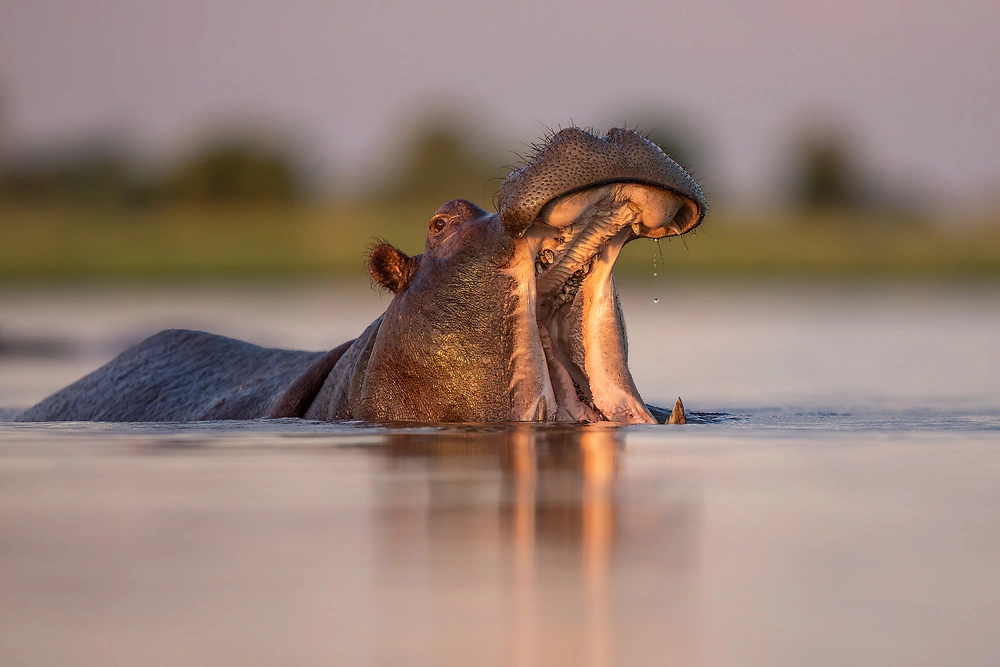
Learn how to navigate African safari border crossings with ease. Our guide covers popular routes, visa tips, and what to expect for a seamless multi-country adventure.
''' Combining multiple countries into a single African safari itinerary can create a truly epic adventure, allowing you to experience a richer diversity of landscapes, wildlife, and cultures. However, this often involves navigating safari border crossings, which can seem daunting to first-time travelers. With a bit of planning and knowledge, crossing from one country to another can be a smooth and seamless part of your journey. This guide will walk you through everything you need to know about safari border crossings, from popular routes and visa requirements to what you can expect on the day.
Why Cross Borders on a Safari?
While a single-country safari offers incredible depth, a multi-country journey provides unparalleled breadth. By crossing borders, you can combine distinct ecosystems and iconic attractions. Imagine witnessing the Great Migration in Tanzania's Serengeti and then gorilla trekking in Uganda's Bwindi Impenetrable Forest, all in one trip. A multi-country itinerary allows you to create a more comprehensive African experience, ticking off multiple bucket-list destinations.
Combining Complementary Ecosystems
Many of Africa's most famous safari destinations are located near international borders, making them ideal for combined itineraries. For example, the Serengeti in Tanzania and the Maasai Mara in Kenya are part of the same ecosystem, and the Great Migration moves between them. Crossing the border allows you to follow the migration and experience both of these legendary parks. Similarly, you can combine a classic wildlife safari in Kenya with a gorilla trekking adventure in neighboring Uganda or Rwanda.
Experiencing Cultural Diversity
Crossing borders also offers a chance to experience the rich cultural tapestry of Africa. Each country has its own unique traditions, languages, and customs. By visiting multiple countries, you can gain a deeper appreciation for the continent's cultural diversity. From the Maasai warriors of Kenya and Tanzania to the Batwa people of Uganda, a multi-country safari is as much a cultural journey as it is a wildlife one.
Popular Safari Border Crossings
Certain border crossings have become well-trodden routes for safari travelers, thanks to their proximity to major parks and attractions. Here are some of the most popular and efficient safari border crossings to consider for your itinerary.
Kenya and Tanzania
The border between Kenya and Tanzania is one of the most frequently crossed on African safaris. The most common crossing point is at Isebania, which connects the Serengeti in Tanzania with the Maasai Mara in Kenya. Another popular option is the Namanga border, which is convenient for those traveling between Amboseli National Park in Kenya and Arusha in Tanzania, the gateway to the northern Tanzanian safari circuit.
Zambia and Zimbabwe
The Victoria Falls border crossing between Zambia and Zimbabwe is another popular choice, allowing travelers to experience the magnificent waterfall from both sides. The Kazungula border is also significant, as it is where four countries meet: Zambia, Zimbabwe, Botswana, and Namibia. This makes it a strategic point for travelers looking to explore multiple southern African countries.
Uganda and Rwanda
For those on a primate-focused safari, the border between Uganda and Rwanda is a key crossing. The Cyanika and Katuna borders provide access to Bwindi Impenetrable Forest in Uganda and Volcanoes National Park in Rwanda, the two premier destinations for mountain gorilla trekking. Crossing between these two countries allows you to compare the gorilla trekking experience in each and explore the different landscapes they offer.
Still researching? Let us help.
Our advisory team has planned safaris across 9 African countries. We can turn your research into a real plan.
Talk to an AdvisorThe Border Crossing Process: What to Expect
Whether you are crossing by land or air, the process is generally straightforward, especially if you are traveling with a reputable safari operator. Your guide will be familiar with the procedures and will assist you every step of the way. However, it is still helpful to know what to expect.
Land Crossings
At a land border, you will typically need to exit your vehicle and go through immigration on both sides of the border. This involves getting an exit stamp from the country you are leaving and then an entry stamp and visa (if required) for the country you are entering. The process can take anywhere from 30 minutes to a couple of hours, depending on how busy the border is. Your safari operator will usually handle the vehicle and luggage logistics, making the process much smoother.
Air Crossings
If you are flying between countries, the border crossing process will take place at the airport. You will go through immigration and customs upon arrival in the new country. This is often a quicker and more convenient option than a land crossing, especially for longer distances. However, it is also more expensive. Your choice between a land or air crossing will depend on your itinerary, budget, and time constraints.
Visas and Documentation: What You Need
Proper documentation is crucial for a hassle-free border crossing. The most important documents are your passport, visas, and vaccination certificates. It is essential to check the specific requirements for your nationality and the countries you are visiting well in advance of your trip.
Passports
Your passport must be valid for at least six months from your intended date of departure from Africa. It should also have at least two blank pages for stamps and visas. It is a good idea to have both physical and digital copies of your passport in case it gets lost or stolen.
Visas
Visa requirements vary depending on your nationality and the countries you are visiting. Some countries offer visas on arrival, while others require you to apply for an e-visa in advance. For travelers visiting Kenya, Uganda, and Rwanda on a single trip, a joint tourist visa is an excellent option. This joint visa allows multiple entries between the three countries for 90 days.
Vaccination Certificates
A Yellow Fever vaccination certificate is required for entry into many African countries, especially if you are arriving from a country with a risk of Yellow Fever transmission. It is essential to check the specific vaccination requirements for each country on your itinerary and to carry your vaccination certificates with you.
Tips for a Smooth Border Crossing Experience
While your safari guide will be there to help, there are a few things you can do to ensure your border crossing is as smooth as possible.
- Have Your Documents Ready: Keep your passport, visa, and other necessary documents in an easily accessible place.
- Be Patient and Polite: Border crossings can sometimes be slow and bureaucratic. A little patience and a friendly attitude can go a long way.
- Use a Reputable Safari Operator: An experienced operator will know the ins and outs of each border crossing and will handle all the logistics for you.
- Check Visa Requirements in Advance: Do not leave your visa applications to the last minute. Check the requirements for your nationality and apply for any necessary visas well in advance.
- Carry Some Local Currency: While not always necessary, it can be helpful to have some small notes of the local currency for any unexpected fees or purchases.
By being prepared and knowing what to expect, you can turn what might seem like a logistical hurdle into a seamless and interesting part of your African adventure. Safari border crossings are a gateway to a richer and more diverse travel experience, and with the right planning, they are nothing to be intimidated by. '''
Need Expert Safari Guidance?
Get expert advisory support from a firm founded by a former safari guide — with real operational knowledge across 9 African countries and full-journey accountability.
Related Planning Guides
Explore Related Topics
Recommended Reading
 Travel Logistics
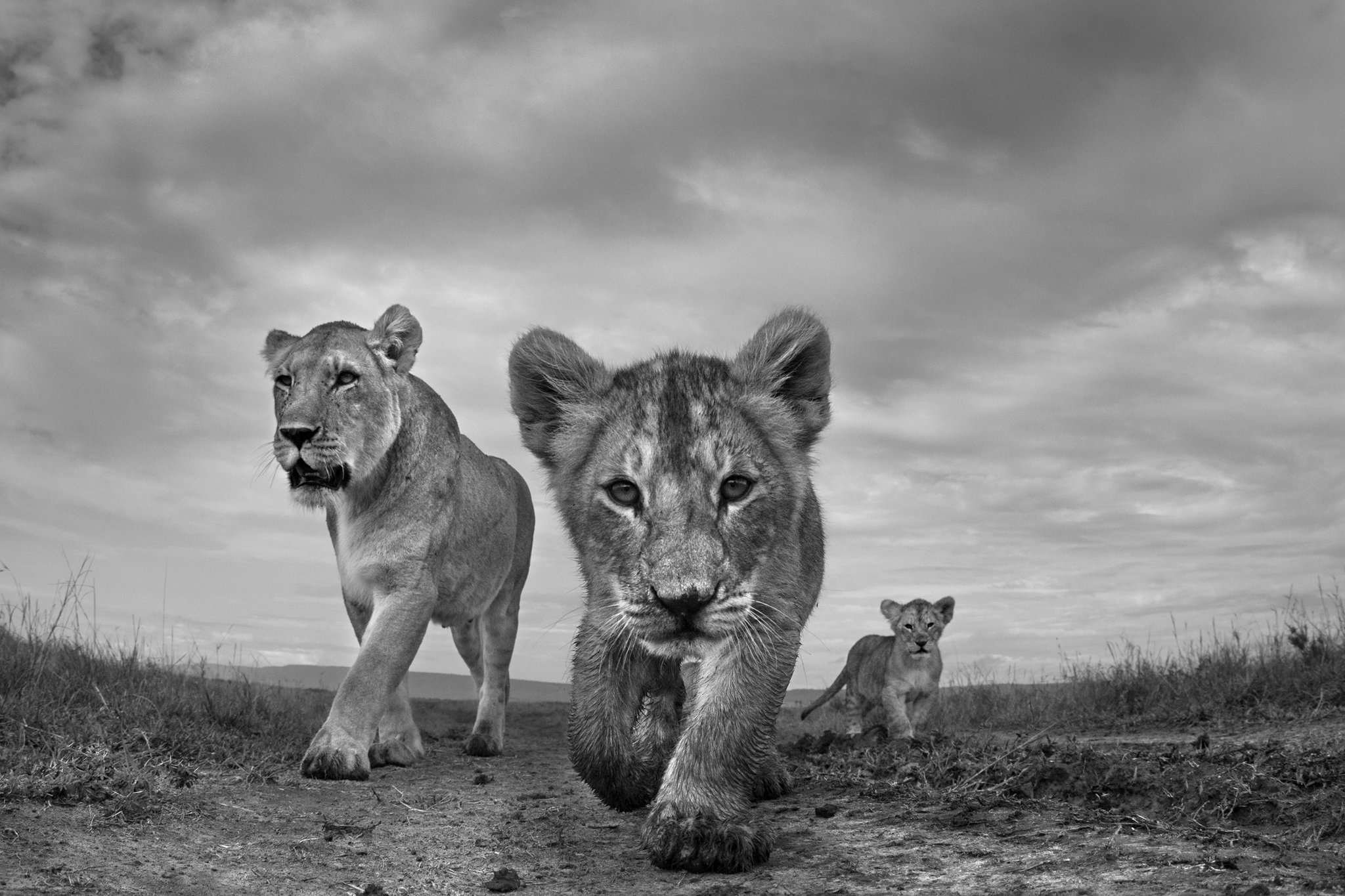
Safari Border Crossing Procedures
Learn about safari border crossing procedures and how it can impact your safari experience. Get expert advice and start planning your dream safari today.
 Safari Safety
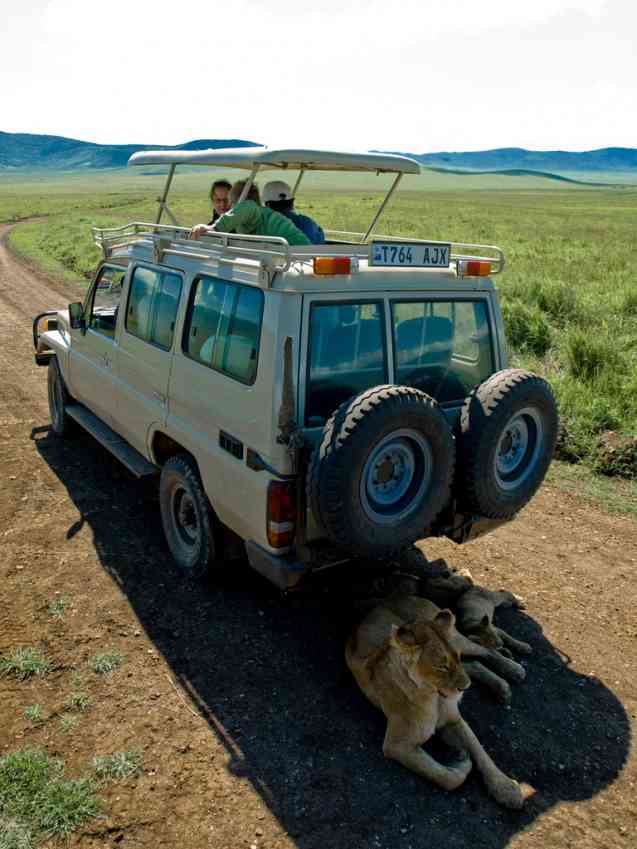
Safari River Crossing Safety
Learn how to stay safe during safari river crossings. Our guide covers the risks, vehicle safety, walking safaris, and responsible tourism for your African adventure.
 Safari Planning Guides
How to Plan a Safari for River Crossings
Learn about how to plan a safari for river crossings in this comprehensive safari guide covering key insights and practical advice.
 Additional Safari Topics
River Crossing Safaris
Planning a river crossing safari? Our expert guide covers the best times and places to witness the Great Migration.
 Safari Planning
Step-by-Step Guide to Planning an African Safari
Learn how to plan your first African safari with our step-by-step guide. We cover everything from choosing a destination to booking your trip and packing.
 Advanced Safari Planning
Safari Adventure Travel
Discover the ultimate guide to safari adventure travel. Learn about active exploration, top destinations like Uganda and Tanzania, and essential planning tips.