
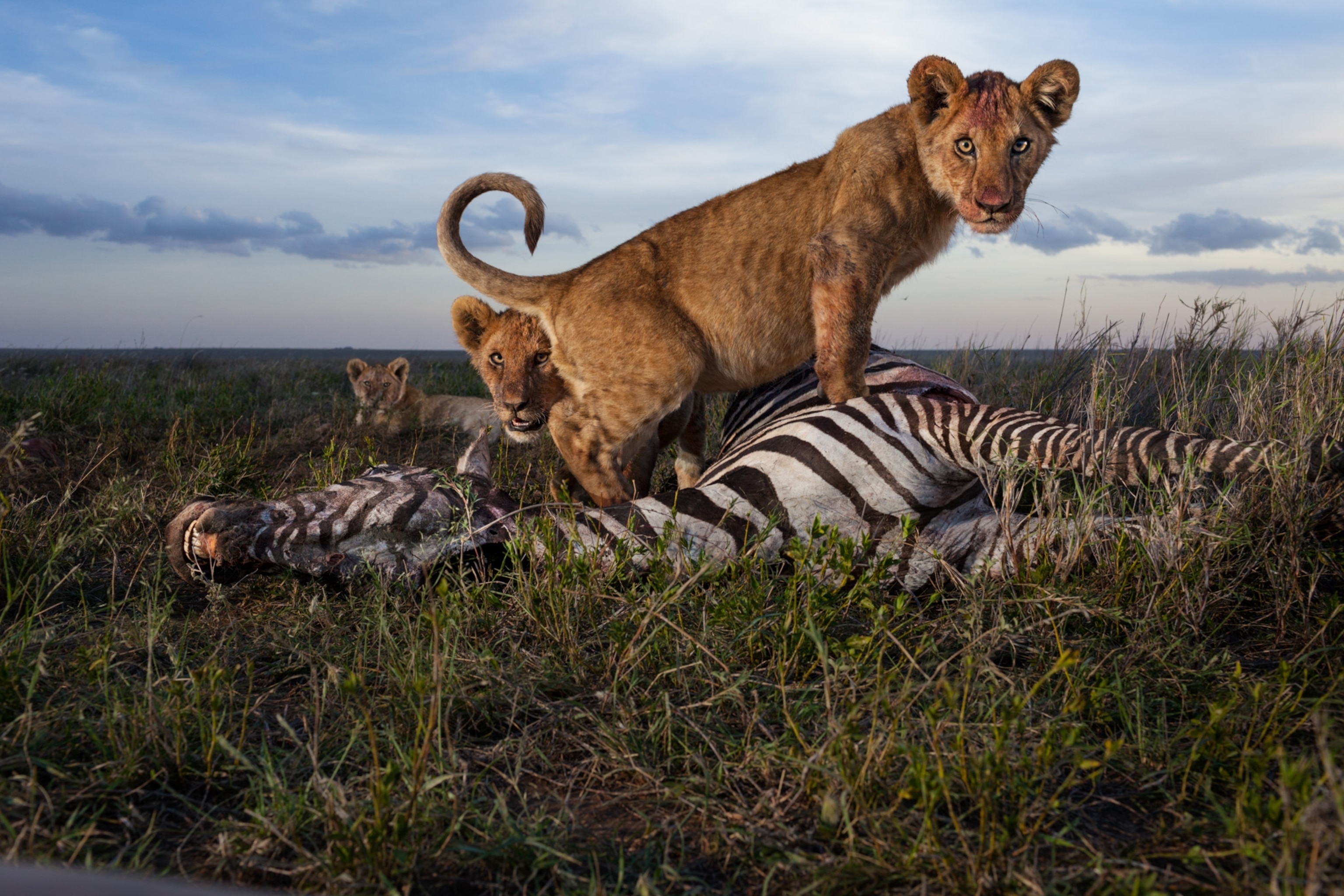
Discover the ultimate guide to safari adventure travel. Learn about active exploration, top destinations like Uganda and Tanzania, and essential planning tips.
''' Safari adventure travel is more than just a vacation; it is an immersive journey into the heart of the wild, offering unparalleled opportunities to witness nature's most spectacular dramas unfold. Unlike conventional tourism, safari adventures are defined by active participation, exploration, and a deep connection with the environment. These journeys take you to some of Africa's most remote and pristine wilderness areas, from the vast savannas of the Serengeti to the dense jungles of Bwindi Impenetrable Forest. Whether you are tracking lions on foot, canoeing past herds of elephants, or trekking to see mountain gorillas, safari adventure travel promises transformative experiences that resonate long after you return home.
What Defines Safari Adventure Travel?
Safari adventure travel distinguishes itself from standard vehicle-based game drives by incorporating more active, immersive, and often physically demanding activities. It is about experiencing the African wilderness in its purest form, moving beyond the role of a passive observer to become an active participant in the natural world. This approach to safari emphasizes connection, challenge, and a more profound understanding of the ecosystems you explore.
Active Exploration
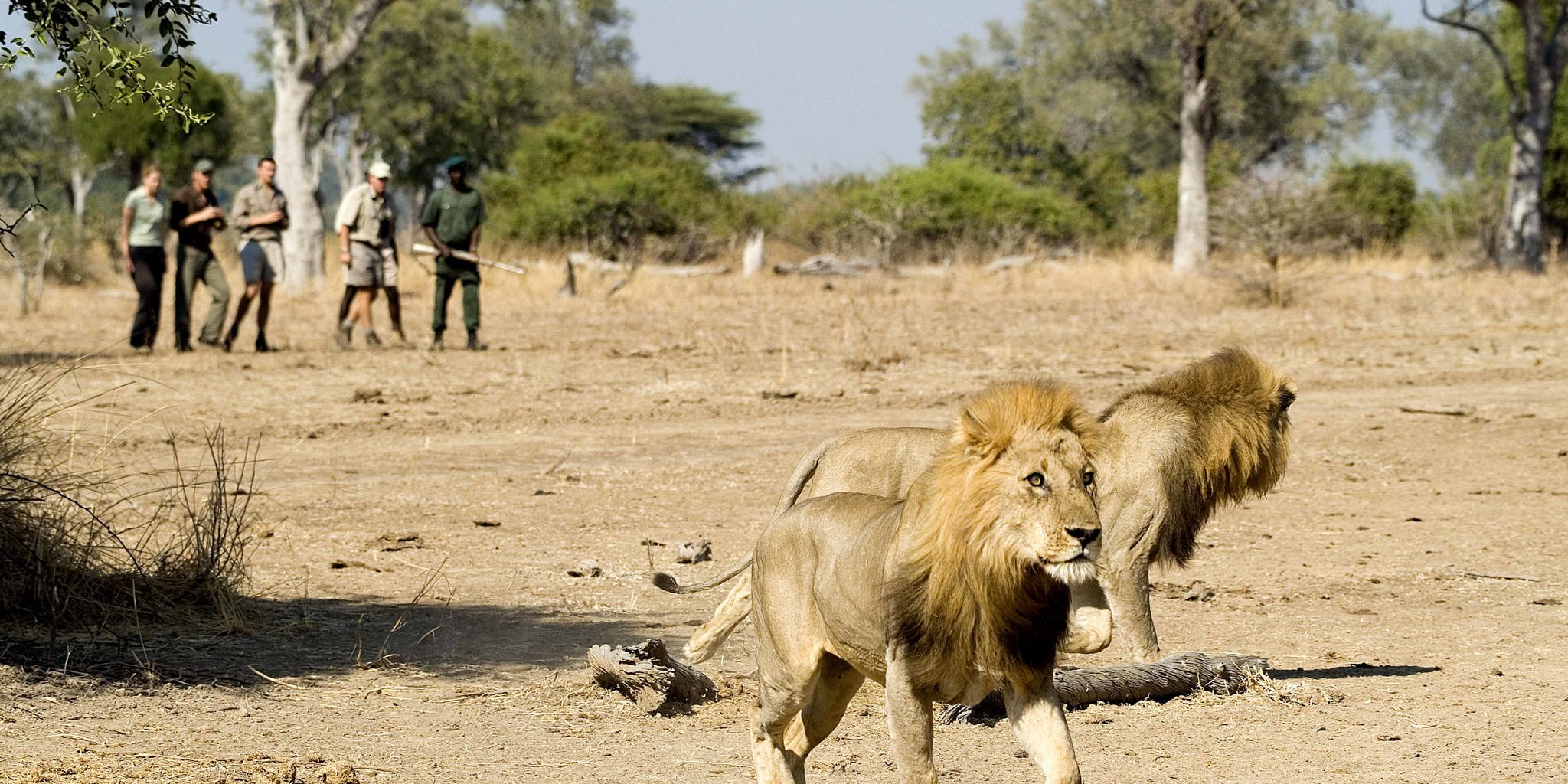
At its core, adventure travel involves physical activity. On a safari, this can range from guided walking safaris and canoeing excursions to more strenuous activities like mountain gorilla trekking or climbing Mount Kilimanjaro. These activities allow you to engage your senses more fully, smelling the wild sage, hearing the crunch of leaves underfoot, and feeling the thrill of tracking wildlife outside the confines of a vehicle.
Remote and Wild Destinations
Adventure safaris often lead you off the beaten path to remote and less-crowded destinations. These may include private conservancies, wilderness areas, or national parks that are more difficult to access but offer more exclusive and intimate wildlife encounters. Destinations like Namibia's Skeleton Coast, Zambia's Luangwa Valley, and Uganda's Kidepo Valley National Park are prime examples of where adventure thrives.
Deeper Connection to Nature
By immersing yourself in the environment, you develop a deeper appreciation for the complexities of the ecosystem. A walking safari with an experienced guide, for example, reveals the smaller wonders of the bush—insects, plants, and tracks—that are often missed from a vehicle. This micro-level perspective enriches your overall understanding and connection to the wild.
Top Destinations for Safari Adventure Travel
Africa is a continent of immense diversity, offering a wide array of destinations for the adventurous traveler. Each country and park presents unique landscapes, wildlife, and activities tailored to different levels of adventure.
Uganda: The Primate Capital of the World
Uganda is arguably the ultimate destination for primate-focused adventure travel. The main draw is mountain gorilla trekking in Bwindi Impenetrable Forest, a physically demanding but incredibly rewarding experience that brings you face-to-face with these gentle giants. The country also offers chimpanzee trekking in Kibale Forest, where you can track and observe our closest living relatives in their natural habitat. Beyond primates, you can embark on boat safaris along the Kazinga Channel in Queen Elizabeth National Park or hike to the top of Murchison Falls.
Tanzania: Classic Savannas and Epic Treks
Tanzania is home to some of Africa's most iconic landscapes, including the vast plains of the Serengeti National Park and the unique ecosystem of the Ngorongoro Crater. For the ultimate adventure, many travelers combine a classic wildlife safari with a trek up Mount Kilimanjaro, Africa's highest peak. For a more off-the-beaten-path experience, consider a walking safari in Tarangire National Park or a fly-camping excursion in the remote Ruaha National Park.
Zambia: The Home of the Walking Safari
Zambia is widely regarded as the birthplace of the walking safari, and South Luangwa National Park remains one of the best places in Africa to explore the bush on foot. Led by highly trained guides, these walks offer thrillingly close encounters with wildlife, including elephants, lions, and leopards. The Lower Zambezi National Park offers another dimension of adventure, with opportunities for canoeing and boating safaris on the Zambezi River, allowing you to view wildlife from a different perspective.
Namibia: Desert Adventures and Otherworldly Landscapes
Namibia's stark and beautiful desert landscapes provide a unique backdrop for adventure. Here, you can track desert-adapted rhinos on foot in Damaraland, climb the towering sand dunes of Sossusvlei at sunrise, or explore the rugged and remote Skeleton Coast. The country's vast, open spaces are perfect for self-drive adventures, offering a sense of freedom and exploration unlike anywhere else.
Still researching? Let us help.
Our advisory team has planned safaris across 9 African countries. We can turn your research into a real plan.
Talk to an AdvisorTypes of Safari Adventure Activities
Safari adventure travel encompasses a wide range of activities that go beyond the traditional game drive. These experiences are designed to immerse you in the environment and provide a more hands-on connection to the wild.
Walking Safaris
A walking safari is one of the most intimate and thrilling ways to experience the African bush. Accompanied by an armed guide, you will learn to read animal tracks, identify different plant species, and understand the subtle signs of the wild. It is a sensory experience that connects you to the environment on a profound level.
Gorilla and Chimpanzee Trekking
Trekking to see primates in their natural habitat is a powerful and often emotional experience. It involves hiking through dense forests, sometimes for several hours, to spend a precious hour observing a family of mountain gorillas or a community of chimpanzees. This is a must-do for any serious wildlife enthusiast.
Canoeing and Boating Safaris
Exploring rivers and lakes by canoe or boat offers a unique perspective on wildlife. Paddling quietly along the waterways of the Zambezi River or the Okavango Delta in Botswana allows you to approach animals like elephants, hippos, and crocodiles without the noise of a vehicle. It is a peaceful yet exciting way to observe wildlife.
Fly-Camping
For the truly adventurous, fly-camping involves sleeping out in the open bush in a simple, temporary camp. With just a tent or mosquito net between you and the stars, you will fall asleep to the sounds of the African night. It is a rustic but unforgettable experience that offers the ultimate immersion in the wilderness.
[Planning Your Safari](/plan-your-safari) Adventure
Proper planning is essential for a successful safari adventure. The best time to travel, the duration of your trip, and your physical fitness are all important factors to consider.
When to Go
The best time for a safari adventure generally coincides with the dry season (typically June to October) in most East and Southern African countries. During this time, vegetation is less dense, and animals congregate around water sources, making them easier to spot. However, the "green season" (rainy season) can also be a beautiful time to visit, with lush landscapes, fewer crowds, and newborn animals.
Duration and Itinerary
For an adventure-focused safari, plan for a trip of at least 10 to 14 days. This allows you to explore multiple parks and ecosystems without feeling rushed. A well-designed itinerary might combine a few days of intense activity, like gorilla trekking, with more relaxed days for classic game drives or cultural experiences.
Physical Fitness
Many adventure activities require a reasonable level of physical fitness. Gorilla trekking, for example, can involve several hours of hiking on steep, muddy terrain. Be honest about your physical capabilities when planning your trip and choose activities that match your fitness level. It is always a good idea to consult with your doctor and a knowledgeable safari planning guide before booking.
Choosing a Reputable Safari Operator
Your choice of safari operator is one of the most critical decisions you will make. A reputable operator will ensure your safety, provide experienced guides, and deliver a high-quality experience. Look for companies that specialize in adventure travel and have a deep understanding of the destinations they operate in. An expert safari planning guide can help you navigate the options and connect you with trusted, on-the-ground partners who prioritize safety, conservation, and authentic experiences.
In conclusion, safari adventure travel offers a dynamic and deeply personal way to explore the African continent. By stepping out of the vehicle and into the wild, you open yourself up to a world of thrilling encounters and profound connections. It is a journey that challenges, inspires, and ultimately transforms your understanding of nature. '''
Need Expert Safari Guidance?
Get expert advisory support from a firm founded by a former safari guide — with real operational knowledge across 9 African countries and full-journey accountability.
Related Planning Guides
Explore Related Topics
Recommended Reading
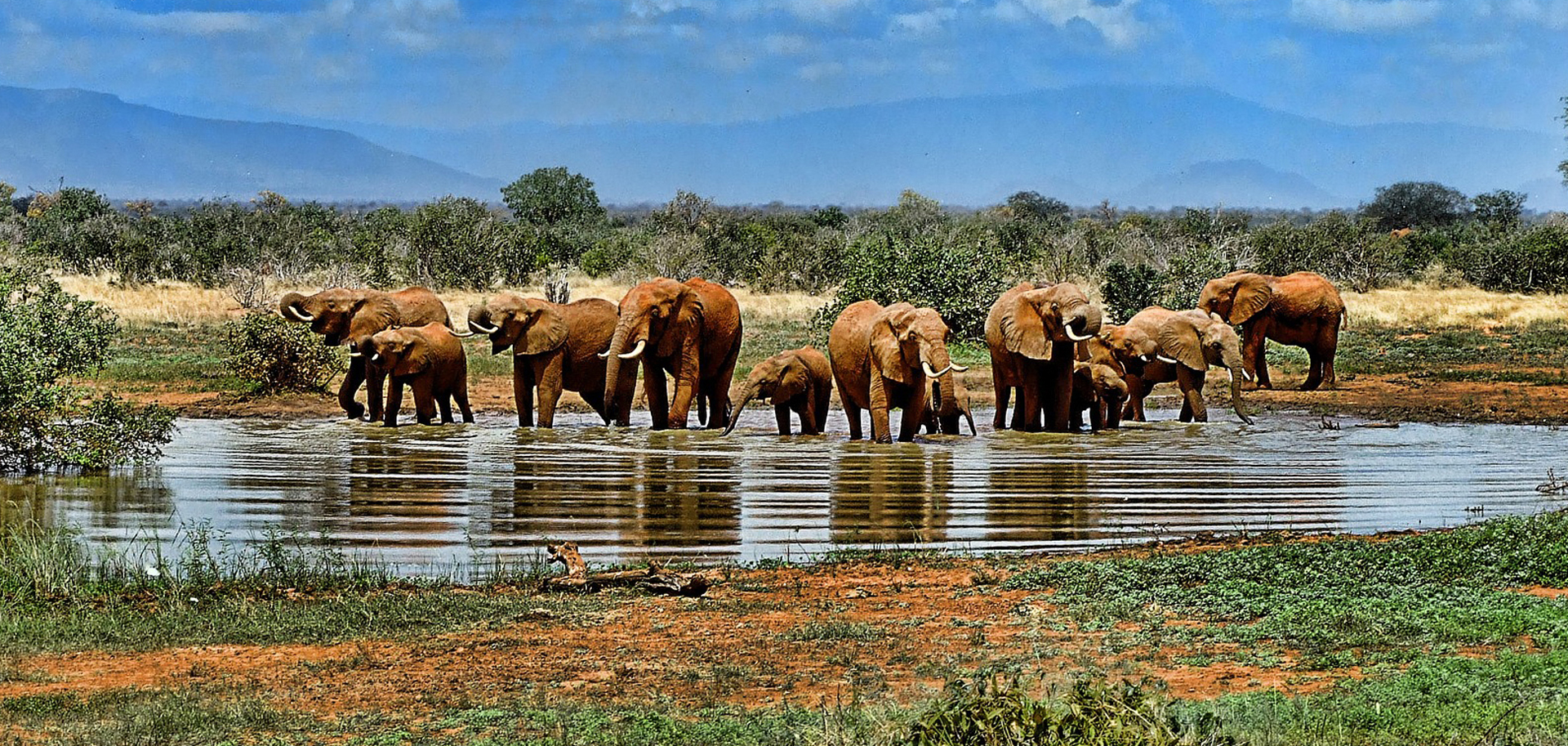 Advanced Safari Planning
Safari Travel Logistics
Master the essentials of safari travel logistics, from international flights and bush planes to 4x4 vehicles and park permits. Plan your African adventure.
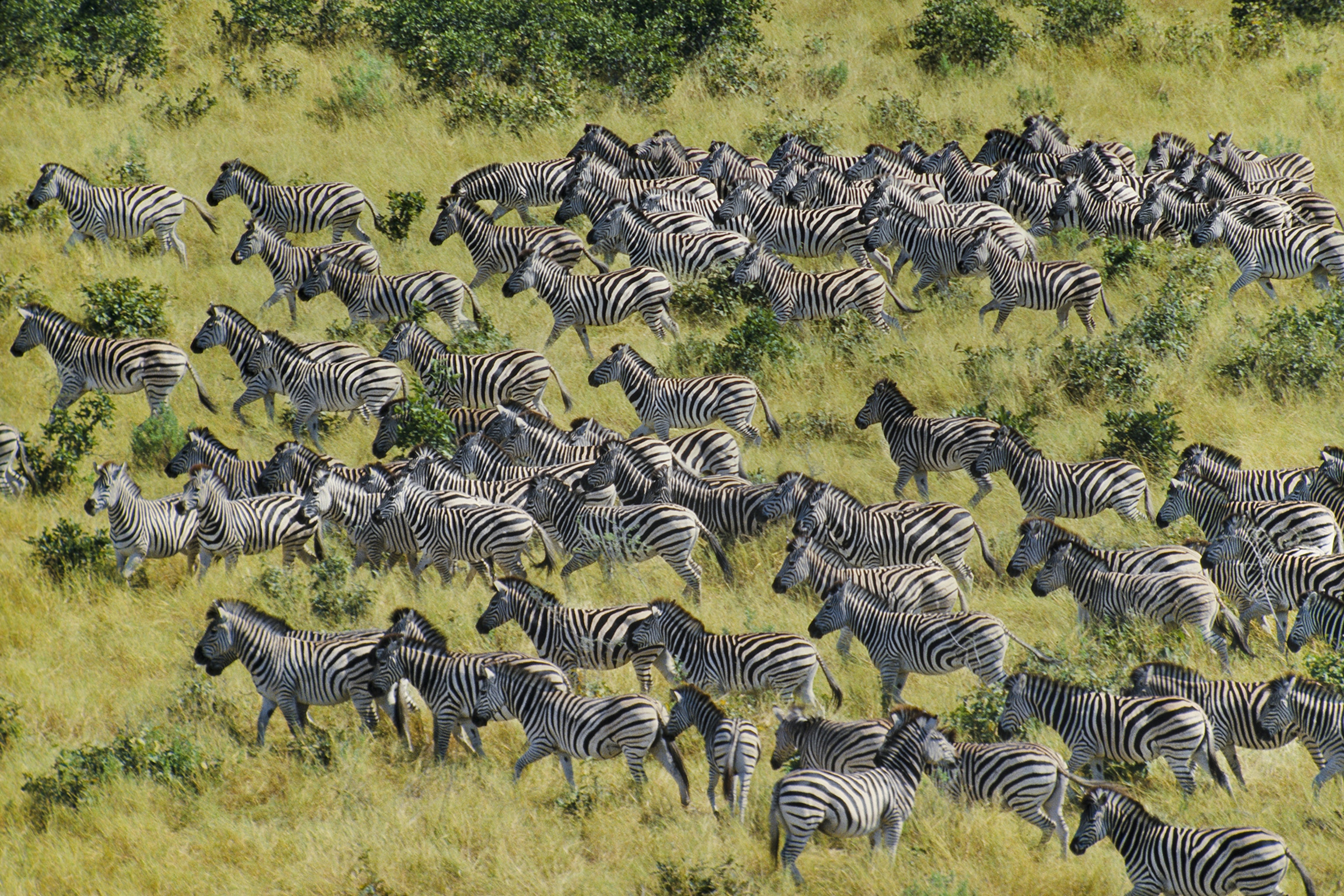 Advanced Safari Planning
Safari Conservation Travel
Discover how safari conservation travel allows you to actively contribute to protecting wildlife and empowering communities. Plan a journey that makes a real difference.
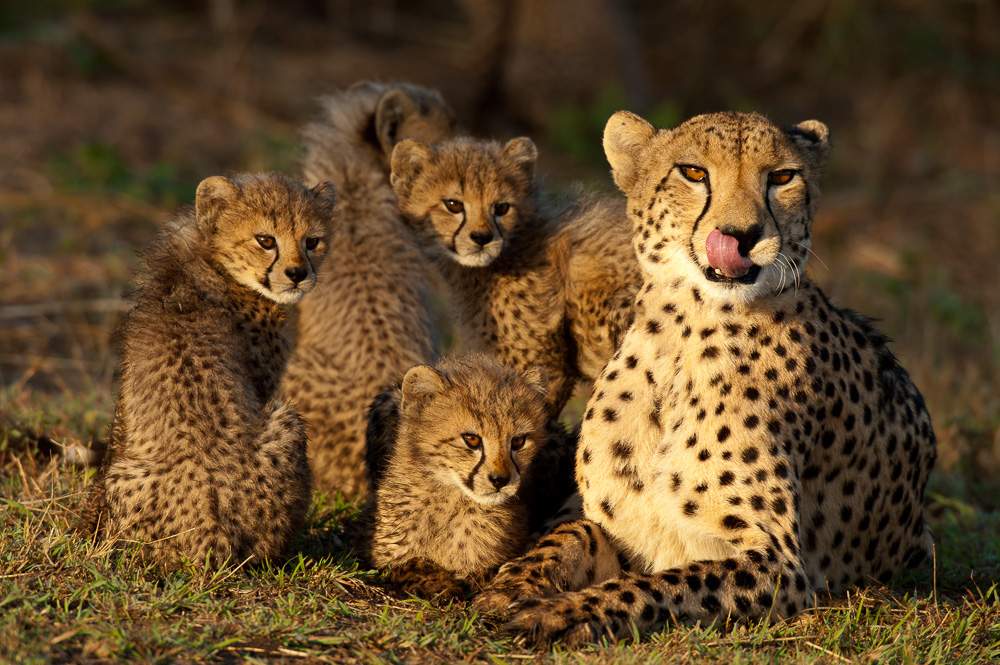 Safari Planning
Vaccinations Needed for African Safari Travel
Learn about the required and recommended vaccinations for your African safari. Our guide covers Yellow Fever, Malaria, and other health precautions for your trip.
 Safari Planning
Packing for a Safari Adventure
Packing for a safari? Our guide covers everything from the best luggage and clothing to essential gear and health precautions for your African adventure.
 Safari Planning
Safari Travel Mistakes to Avoid
Avoid common safari travel mistakes with our expert guide. Learn what not to do when planning your African safari to ensure a smooth, safe, and spectacular journey.
 Safari Travel Tips
Safari Travel Insurance Guide
Our comprehensive safari travel insurance guide explains why it\