
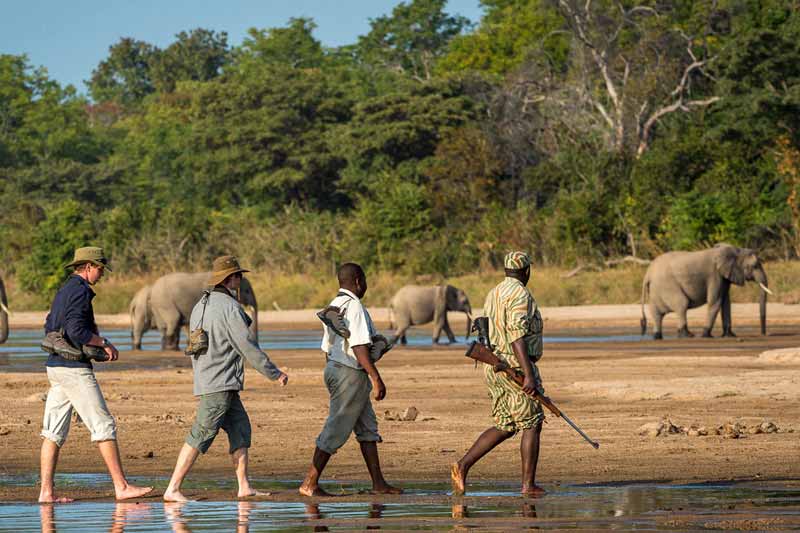
Learn why safari insurance is essential for your trip to Africa, what your policy should cover, and how to understand safari operator liability and waivers.
''' Planning an African safari is an exciting journey, but it comes with a unique set of considerations that differ from a typical vacation. You'll be traveling to remote wilderness areas, encountering wild animals, and navigating environments that are far from home. This is why understanding safari insurance and liability is not just a formality—it's a critical component of responsible travel planning. A comprehensive insurance policy provides a financial safety net for unforeseen events, while a clear understanding of operator liability helps you know what to expect from the company guiding your adventure. This article will walk you through everything you need to know to protect yourself and your investment, ensuring your dream safari is both incredible and secure.
Why Safari Insurance is Essential
Many travelers wonder if their standard health insurance or credit card travel perks are enough for an African safari. In most cases, the answer is no. Safari destinations like the Serengeti in Tanzania or the Okavango Delta in Botswana are often remote, and accessing quality medical care can be complicated and expensive. Standard insurance policies rarely cover the specific risks associated with safari travel, such as emergency medical evacuations from a remote bush camp.
Furthermore, a safari is a significant financial investment. Between international flights, lodge bookings, and park fees, the costs add up. If you have to cancel your trip due to a family emergency or an unexpected illness, you could stand to lose thousands of dollars. This is where dedicated travel insurance for an African safari becomes invaluable. In fact, most reputable safari operators will require you to have a comprehensive policy in place before you travel, as it protects both you and them from unforeseen circumstances.
What if I have to cancel my safari?
Trip cancellation is one of the most common reasons travelers rely on their insurance. A good policy will reimburse you for prepaid and non-refundable expenses if you have to cancel for a covered reason. These reasons often include the illness or injury of you, a travel companion, or a close family member. Given that safaris are often booked many months in advance, the protection offered by safari trip cancellation insurance provides essential peace of mind.
What Your Safari Insurance Policy Should Cover
Not all travel insurance policies are created equal, and it's crucial to choose one that is specifically suited for the unique nature of an African safari. When reviewing policies, look for comprehensive coverage across several key areas. A robust policy ensures you are protected from the most common and costly issues that can arise during your travels.
Medical Coverage and Evacuation
This is the most critical component of any safari insurance policy. Your coverage should include at least $100,000 in emergency medical expenses, but for remote African travel, a policy with $350,000 to $1 million in coverage is highly recommended. This ensures that if you are injured or fall ill, you can be transported to the nearest capable hospital for treatment without facing exorbitant out-of-pocket costs.
Crucially, your policy must include safari medical evacuation insurance. This covers the cost of being evacuated from a remote location, often by air, to a facility that can provide appropriate medical care. A standard ambulance won't be able to reach you in the middle of the Maasai Mara. Repatriation coverage, which pays for your transport back to your home country for further medical treatment, is also essential.
Trip Cancellation and Interruption
As mentioned, your safari is a major investment. Trip cancellation coverage protects you before you depart, while trip interruption coverage protects you during your journey. If you have to cut your safari short due to a covered event, trip interruption benefits will reimburse you for the unused portion of your trip and may cover the costs of returning home early. Ensure the policy's coverage limit is high enough to cover the full cost of your safari and flights.
Baggage and Personal Belongings
Losing your luggage can be a major disruption to your safari. Imagine arriving in Africa without your specialized safari clothing, camera gear, or binoculars. Baggage and personal effects coverage will reimburse you for lost, stolen, or damaged items. Pay close attention to the per-item and total limits, especially if you are traveling with expensive camera equipment. You may need to purchase additional coverage for high-value items.
Personal Liability
Personal liability coverage protects you if you are found legally responsible for injuring someone or damaging their property. While it may seem unlikely, accidents can happen. This coverage can help cover legal expenses and any damages you are required to pay, offering another layer of financial protection.
Still researching? Let us help.
Our advisory team has planned safaris across 9 African countries. We can turn your research into a real plan.
Talk to an AdvisorUnderstanding Safari Operator Liability
When you book a safari, you are placing your trust in the hands of your tour operator. These companies have a duty of care to ensure your safety and well-being. This includes providing well-maintained vehicles, knowledgeable and experienced guides, and safe accommodations. However, it's important to understand the limits of their liability.
African safaris inherently involve a degree of risk. You will be in close proximity to wild animals, and the environment can be unpredictable. Safari operator liability is a complex area. While operators are expected to take all reasonable precautions to protect their guests, they are not typically held responsible for events outside of their control, such as an unprovoked animal attack, unless negligence can be proven. This is why signing a liability waiver is a standard part of the booking process.
The Role of Liability Waivers and Indemnity Forms
Before embarking on your safari, you will almost certainly be asked to sign a liability waiver or an indemnity form. These legal documents are standard practice in the adventure travel industry. In essence, by signing, you acknowledge that you understand and accept the inherent risks of a safari and agree not to hold the operator liable for injuries or damages that may occur, provided they have not acted negligently.
It is crucial to read these documents carefully. However, it's also important to know that a liability waiver does not give a tour operator a free pass to be reckless. Courts have ruled that operators cannot hide behind indemnity forms if they are found to be negligent. For example, if a tour operator knowingly takes guests into a dangerous area without proper precautions, or provides faulty equipment that leads to an injury, they could still be held liable, regardless of what the waiver says. The primary purpose of these forms is to protect operators from liability for the inherent and unavoidable risks of a safari, not from their own negligence.
Choosing the Right Safari Insurance
With so many options available, selecting the right insurance policy can feel overwhelming. Start by getting quotes from reputable travel insurance providers that specialize in adventure travel. When comparing policies, don't just look at the price—carefully examine the coverage details. Ensure the medical and evacuation limits are sufficient for remote African travel and that the policy covers activities you plan to participate in, such as walking safaris or hot air ballooning.
Read the policy wording carefully, paying close attention to the exclusions. Some policies may not cover pre-existing medical conditions, so if this applies to you, you may need to purchase a specialized policy or a waiver. It's always a good idea to speak with an insurance agent to discuss your specific needs and ensure you are getting the right coverage for your trip.
In conclusion, while planning the exciting aspects of your safari—like which national parks to visit and what animals you hope to see—is important, don't overlook the critical step of securing the right insurance. A comprehensive safari insurance policy is your best defense against the unexpected. It allows you to fully immerse yourself in the magic of the African bush, confident that you are protected no matter what comes your way. By understanding both your insurance coverage and the scope of safari operator liability, you are taking the necessary steps to ensure a safe, secure, and unforgettable adventure. '''
Need Expert Safari Guidance?
Get expert advisory support from a firm founded by a former safari guide — with real operational knowledge across 9 African countries and full-journey accountability.
Related Planning Guides
Explore Related Topics
Recommended Reading
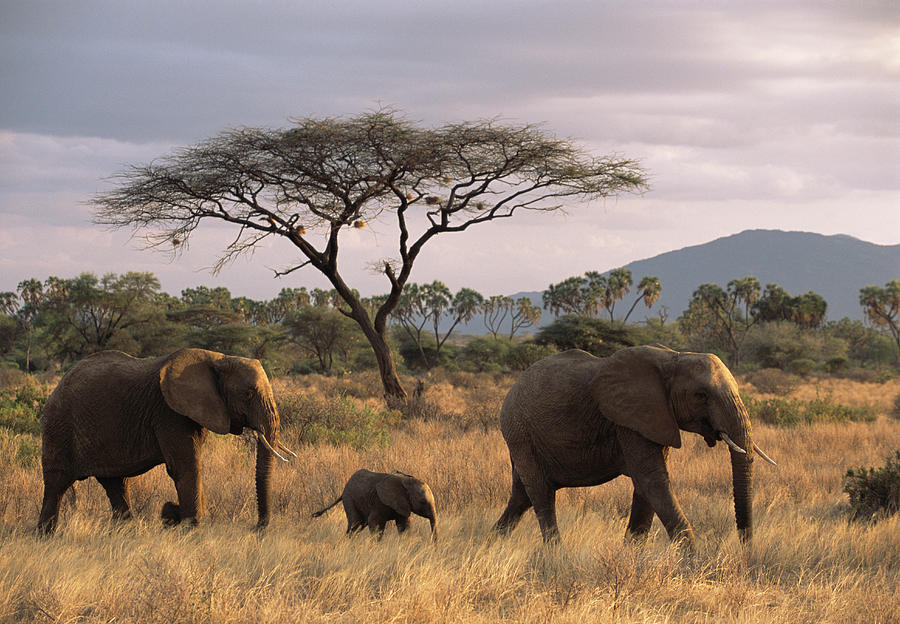 Safari Operator Articles
Safari Operator Liability and Waivers
Learn about safari operator liability and waivers and how it can impact your safari experience. Get expert advice and start planning your dream safari today.
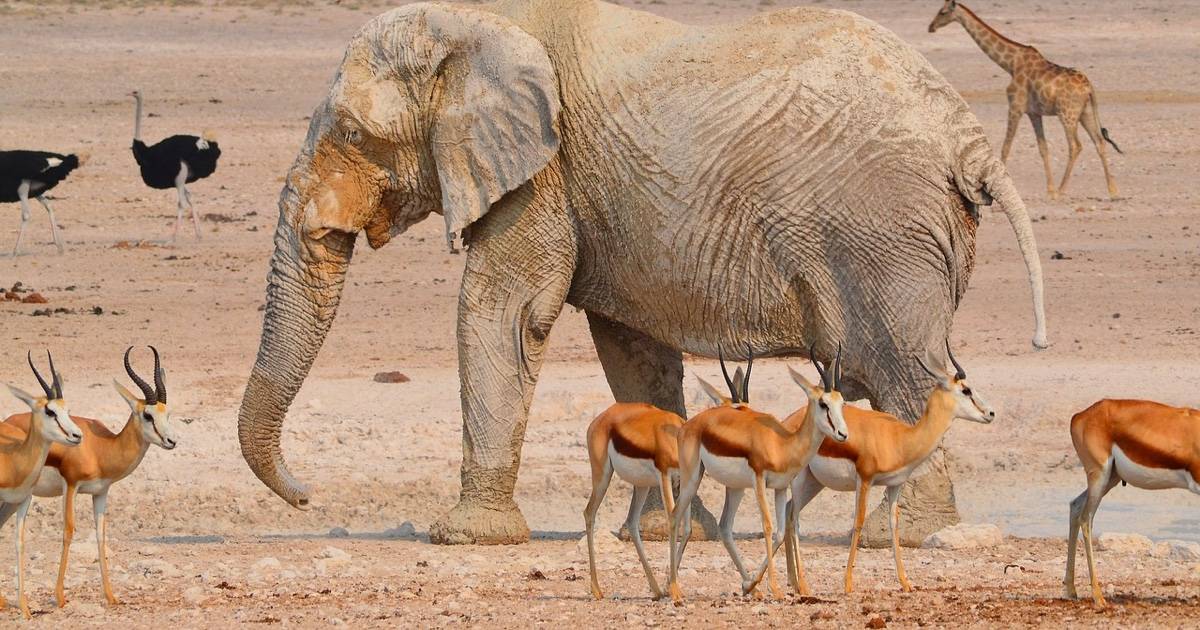 Safari Planning
Travel Insurance for African Safaris
Learn why travel insurance is essential for your African safari. Our guide covers medical emergencies, trip cancellations, and choosing the right policy for you.
 Safari Travel Tips
Safari Travel Insurance Guide
Our comprehensive safari travel insurance guide explains why it\
 Safari Operator Articles
How to Check Safari Operator Insurance
A guide to understanding and verifying the insurance coverage of a safari operator to ensure you are protected in case of an emergency.
 Safari Operator Articles
Safari Operator Travel Insurance Requirements
Learn about safari operator travel insurance requirements and how it can impact your safari experience. Get expert advice and start planning your dream safari today.
 Safari Cost Guides
Safari Travel Insurance Costs Explained
Planning a safari? Learn about safari travel insurance costs explained. Get expert advice and insights from Safari Intelligence to plan your perfect trip.