
Planning a river crossing safari? Our expert guide covers the best times and places to witness the Great Migration.
'''A river crossing safari is one of the most sought-after experiences in the world of wildlife travel. It represents nature at its most raw, dramatic, and unfiltered. When you envision a river crossing, you are likely picturing the iconic scenes of the Great Migration, where hundreds of thousands of wildebeest and zebra plunge into crocodile-infested waters in a desperate, instinctual push to find fresh grazing lands. This spectacle is not a guaranteed event but a natural phenomenon that requires careful planning, expert guidance, and a bit of luck to witness. For travelers who time it right, it is an unforgettable display of survival that becomes the centerpiece of their African safari adventure. This guide will walk you through everything you need to know to plan a successful river crossing safari.
What Exactly is a River Crossing Safari?
It is important to clarify that a "river crossing safari" is not a specific type of tour package but rather a safari itinerary designed to place you in the right location at the right time to witness a river crossing. These events are almost exclusively tied to the Great Migration of wildebeest and zebra as they move through the Serengeti-Mara ecosystem. The journey is a year-long, circular migration covering over 1,000 miles, driven by the search for rainfall and fresh grass.
During this epic trek, the herds face numerous obstacles, but none are more famous or perilous than the river crossings. The two primary rivers they must conquer are the Grumeti River in Tanzania's Serengeti and the even more formidable Mara River, which cuts through both the Northern Serengeti and Kenya's Maasai Mara. A safari focused on these crossings positions you in mobile camps or lodges strategically located near known crossing points, giving you the best possible chance to see this incredible event unfold.
The Spectacle of Survival
The crossings are a chaotic, life-and-death struggle. Herds congregate on the banks, often hesitating for hours or even days, building in number and tension. The pressure from the masses behind eventually forces the lead animals to take the plunge. As they surge into the water, they face the immediate threat of enormous Nile crocodiles that have been waiting patiently for this annual feast. The sheer panic, determination, and noise of thousands of animals fighting against the current and predators is a sensory overload and a powerful reminder of the harsh realities of the natural world.
The Great Migration: The Engine of the Crossings
To understand river crossings, you must first understand the Great Migration. This colossal movement of nearly two million animals—primarily wildebeest, but also zebras and gazelles—is the largest overland migration on Earth. It is a continuous, clockwise cycle dictated by ancient instincts and environmental cues. The animals follow the rains, which sprout the fresh grass they need to survive.
The migration is not a single, unified herd but a dispersed collection of mega-herds that move in the same general direction. Their journey forms the backbone of the Serengeti-Mara ecosystem, providing a constant food source for predators and shaping the landscape itself. The river crossings are the most dangerous and dramatic chapters in this year-long story, representing critical junctures where the herds risk everything to continue their journey.
Still researching? Let us help.
Our advisory team has planned safaris across 9 African countries. We can turn your research into a real plan.
Talk to an AdvisorWhen and Where to Witness the Crossings
Timing is everything when planning a river crossing safari. The migration's schedule is dictated by rainfall and can vary slightly from year to year, but there are predictable windows that offer the highest probability of seeing a crossing.
The Grumeti River Crossings: Tanzania
- When: Approximately May to July
- Where: The Western Corridor of Serengeti National Park, Tanzania
The Grumeti River is the first major water obstacle the herds encounter on their northward journey. While not as widely famous as the Mara River, the Grumeti crossings are still incredibly dramatic. The river is deep and home to some of Africa's largest crocodiles. Because the herds are more concentrated at this stage, you can witness massive columns of wildebeest attempting the crossing. The landscape of the Western Corridor is beautiful, characterized by acacia woodlands and open plains, offering a stunning backdrop for the action.
The Mara River Crossings: Tanzania and Kenya
- When: Approximately July to October
- Where: The Northern Serengeti in Tanzania and the Maasai Mara National Reserve in Kenya
The Mara River is the most famous and challenging obstacle of the entire migration. Unlike the Grumeti, which the herds typically cross once on their way north, the Mara River is a barrier they may cross multiple times. The herds move back and forth between the Serengeti and the Maasai Mara, following localized rainfall. This unpredictability means that from July through October, there is a constant potential for a crossing to occur somewhere along the river. These crossings are legendary for their intensity, with steep banks, strong currents, and a high density of crocodiles creating the ultimate wildlife spectacle.
Planning Your River Crossing Safari
Successfully planning a trip to see the crossings requires more than just booking a flight. It involves strategic decisions about where to stay, who to travel with, and managing your own expectations.
Choosing Your Location: Northern Serengeti vs. Maasai Mara
Both the Tanzanian and Kenyan sides of the Mara River offer fantastic opportunities. In the Northern Serengeti, the experience can feel more remote and exclusive. Accommodations often consist of semi-permanent mobile camps that move with the migration, placing you right in the heart of the action. Because the area is vast, the viewing experience is often less crowded.
In the Maasai Mara, there is a wider range of accommodation, from luxury lodges to more budget-friendly camps. The reserve is smaller and the density of vehicles can be higher, especially at popular crossing points. However, the Mara River has numerous well-documented crossing points here, and the open plains offer spectacular views.
The Critical Role of Your Guide
Your safari guide is the single most important factor in your success. An experienced guide has an intimate understanding of the animals' behavior and the local terrain. They know how to read the signs—the dust clouds, the direction of the herds, the nervous energy—that indicate a crossing might be imminent. They are in constant communication with other guides to track the herds' movements and can position you for the best possible view without disturbing the animals. A great guide turns a game of chance into a calculated strategy.
Patience: The Ultimate Safari Virtue
It is crucial to understand that river crossings happen on nature's schedule, not ours. Herds can gather at the river's edge for hours, or even days, before deciding to cross. They might come to the brink only to turn back, spooked by a predator or a shift in the wind. A typical day on a river crossing safari involves finding a herd near the water and waiting patiently. This waiting is part of the experience—the tension builds, and it makes the moment the crossing finally happens that much more rewarding.
Beyond the Crossings: A Complete Wildlife Experience
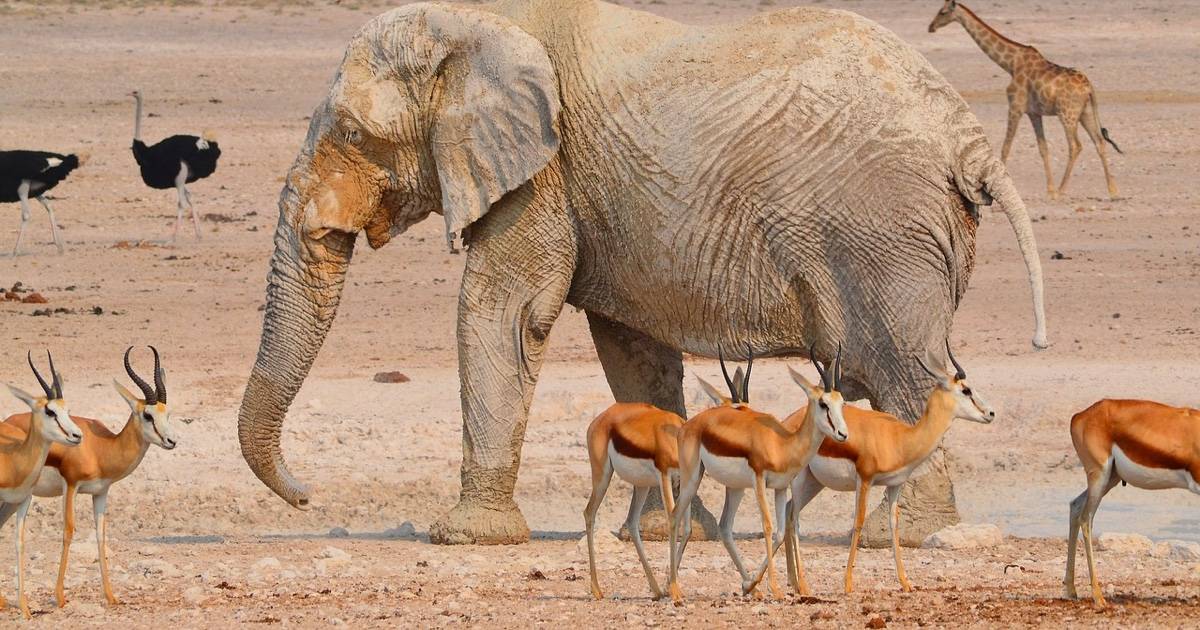
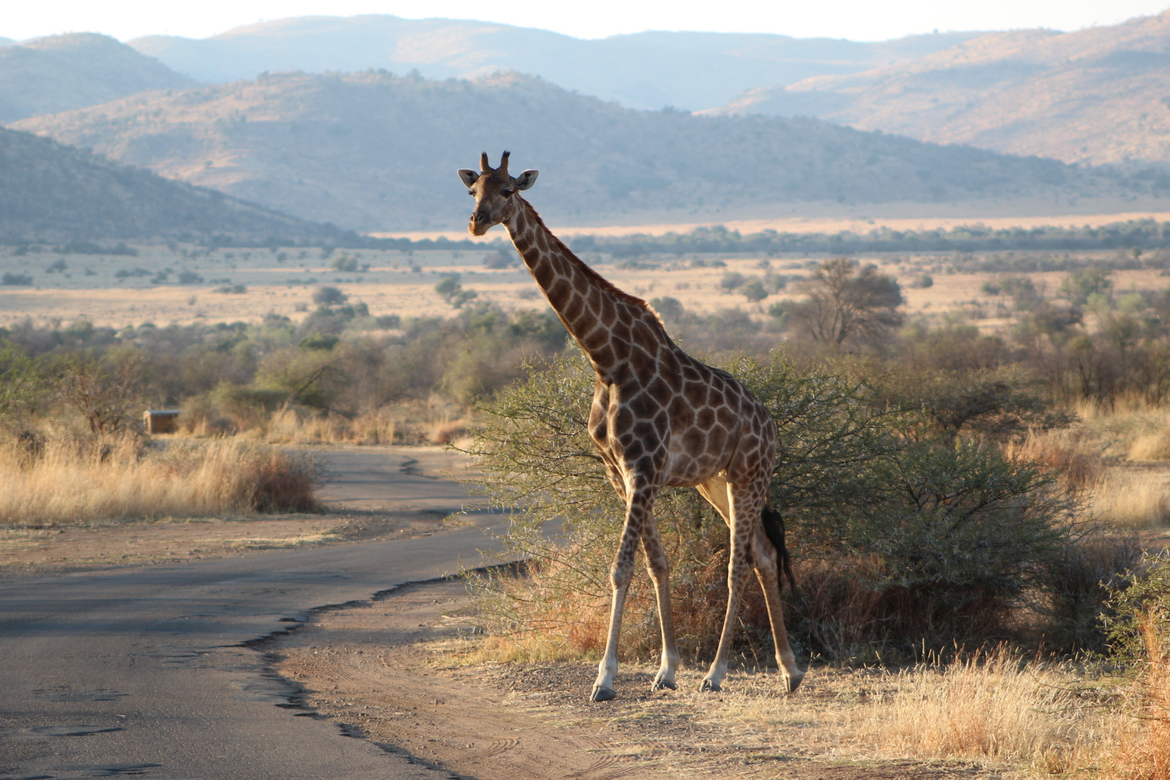
While the river crossings are a major highlight, your safari will be filled with incredible wildlife encounters. The Serengeti and Maasai Mara are two of Africa's most prolific wildlife destinations, supporting a vast diversity of species. The predators that the herds are trying to escape—lions, leopards, cheetahs, and hyenas—are abundant. You will also see elephants, giraffes, buffalo, and a rich array of birdlife. The migration concentrates not only the wildebeest but also the resident animals, making for exceptional game viewing throughout your trip.
Ultimately, a river crossing safari is an investment in witnessing one of the planet's most awe-inspiring natural events. It is a journey into the heart of the wild, offering a profound connection to the timeless rhythms of Africa. With careful planning and an expert guide, you can place yourself front and center for the greatest show on Earth. ''')) print(default_api.file(brief = "Write the meta description for the article.", action = "write", path = "/home/ubuntu/meta_description.txt", text = "Planning a river crossing safari? Our expert guide covers the best times and places to witness the Great Migration
Need Expert Safari Guidance?
Get expert advisory support from a firm founded by a former safari guide — with real operational knowledge across 9 African countries and full-journey accountability.
Related Planning Guides
Explore Related Topics
Recommended Reading
 Safari Safety
Safari River Crossing Safety
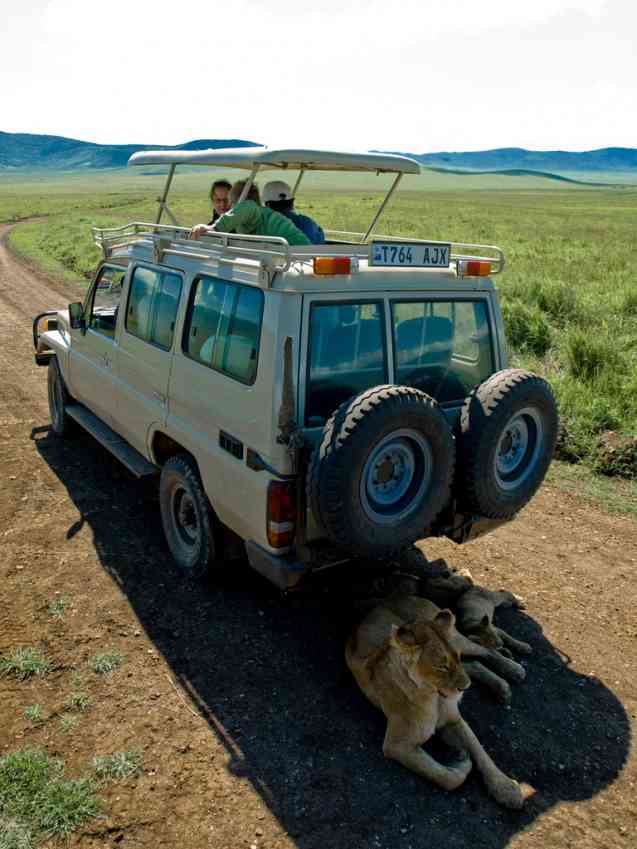
Learn how to stay safe during safari river crossings. Our guide covers the risks, vehicle safety, walking safaris, and responsible tourism for your African adventure.
 Safari Planning Guides
How to Plan a Safari for River Crossings
Learn about how to plan a safari for river crossings in this comprehensive safari guide covering key insights and practical advice.
 Safari Planning Guides
How to Plan a Safari for River and Lake Wildlife
Learn about how to plan a safari for river and lake wildlife in this comprehensive safari guide covering key insights and practical advice.
 Destination Guides
Best Safari Destinations for River Wildlife
Your complete guide to Best Safari Destinations for River Wildlife. Find the best destinations, planning tips, and more for your next safari adventure.
 Safari Comparison Articles
River Lodge vs Bush Lodge Safari
An in-depth comparison of River Lodge vs Bush Lodge Safari to help you choose the perfect safari experience. Explore the pros, cons, and key differences to make
 Travel Logistics
Safari Border Crossing Procedures
Learn about safari border crossing procedures and how it can impact your safari experience. Get expert advice and start planning your dream safari today.