
Learn about safari border crossing procedures and how it can impact your safari experience. Get expert advice and start planning your dream safari today.
Safari Border Crossing Procedures
This is the content for the article: Safari Border Crossing Procedures.
This article is in the category: Travel Logistics.
Here are some internal links:
The Allure of the Multi-Country African Safari
While a single country can offer a profound safari experience, there is a unique magic to a journey that traverses international borders. A multi-country itinerary unlocks a diversity of landscapes, wildlife, and cultures that is simply not possible within a single destination. Imagine following the colossal herds of the Great Migration from the vast plains of Tanzania's Serengeti into the dramatic grasslands of Kenya's Maasai Mara, or combining the thunderous power of Victoria Falls in Zambia with the serene waterways of Botswana's Okavango Delta. These are the kinds of epic journeys that define a truly comprehensive African adventure.
Crossing borders allows you to witness firsthand the interconnectedness of ecosystems and the subtle shifts in culture from one nation to the next. It transforms a great vacation into a grand expedition. However, this added dimension requires careful planning, particularly when it comes to navigating the border crossings themselves. Understanding the procedures, visa requirements, and logistics is the key to a seamless and stress-free journey. This guide provides the expert insights you need to confidently plan your safari across multiple African nations.
Still researching? Let us help.
Our advisory team has planned safaris across 9 African countries. We can turn your research into a real plan.
Talk to an AdvisorPopular Overland Safari Circuits and Their Crossings
Certain safari routes are classic for a reason, offering a logical and rewarding flow between iconic parks. Here are some of the most popular multi-country circuits and the specific border posts you'll likely encounter.
Kenya and Tanzania: The Great Migration Trail
This is arguably the most famous cross-border safari route, designed to follow the year-round movement of over 1.5 million wildebeest and zebra.
- Namanga Border: The most common and busiest crossing, situated on the main road between Nairobi and Arusha. It's a relatively modern, 'one-stop' border post, meaning you process both exit and entry formalities in a single, large building. This is the go-to crossing for itineraries connecting Amboseli National Park in Kenya with Tarangire or Lake Manyara in Tanzania.
- Isebania Border: Located further west, this crossing is the strategic choice for circuits connecting Kenya's Maasai Mara with the Serengeti in Tanzania. The journey from the Mara to Isebania allows you to witness the changing landscape as you head toward the official Serengeti entry gates.
- Loitokitok Border: A quieter, more scenic crossing on the eastern side, with stunning views of Mount Kilimanjaro. It's less common for tourist vehicles but can be an option for specialized itineraries connecting Amboseli and the Kilimanjaro region.
> Expert Insight: The East African Tourist Visa > If your itinerary includes Kenya, Uganda, and Rwanda, consider the East African Tourist Visa. It's a single, multiple-entry visa that costs approximately $100 USD and is valid for 90 days, allowing seamless travel between the three member countries. Note that Tanzania is not part of this arrangement and requires its own separate visa. Our safari operators can help you determine the most cost-effective visa strategy for your specific trip.
Zambia and Zimbabwe: The Victoria Falls Hub
Victoria Falls, shared by Zambia and Zimbabwe, is a natural hub for exploring the wider region. The Victoria Falls Bridge is an iconic crossing in itself, with bungee jumpers leaping into the gorge below as pedestrians and vehicles make their way across.
- Victoria Falls Bridge Border: This post connects the towns of Victoria Falls, Zimbabwe, and Livingstone, Zambia. The process involves getting stamped out on one side, walking across the historic bridge (a fantastic photo opportunity), and processing entry on the other. It's a common and straightforward crossing.
> Traveler's Tip: The KAZA UniVisa > The Kavango-Zambezi (KAZA) UniVisa is a game-changer for this region. For a flat fee (typically $50 USD), it allows unlimited crossings between Zambia and Zimbabwe for 30 days, and also covers day trips to the Chobe National Park riverfront in Botswana. This is highly recommended if you plan to explore both sides of the Falls and is often more economical than purchasing separate single-entry visas.
Botswana, Namibia, and Zimbabwe: The Chobe-Zambezi Connection
This circuit explores the incredible wildlife density of the Chobe and Zambezi rivers and the unique landscapes of Namibia's Caprivi Strip.
- Kazungula Border: A modern marvel of engineering, the Kazungula Bridge and its one-stop border post have revolutionized travel between Botswana and Zambia, replacing a slow and often unreliable ferry service. This is the primary crossing for connecting Chobe National Park to Livingstone and the Zambian side of Victoria Falls.
- Ngoma Bridge (Botswana/Namibia): This crossing connects northern Chobe in Botswana with Namibia's Caprivi Strip, a lush, riverine corridor of wildlife. It's a key link for travelers wanting to combine a classic Botswana safari with the more remote and wild parks of Namibia.
The Step-by-Step Guide to an Overland Border Crossing
While each border has its own character, the overland process generally follows a consistent sequence. Knowing what to expect can eliminate any anxiety.
- Check Out (Departure Country): Your guide will park the vehicle and lead you to the immigration office for the country you are leaving. You will present your passport to an official who will stamp your exit visa.
- Cross "No Man's Land": You will then proceed to the entry post for the new country. This may involve a short walk (like at Victoria Falls Bridge) or a drive across a stretch of road between the two posts.
- Check In (Arrival Country): At the arrival country's immigration hall, you will typically need to fill out a short entry form. You will then queue to present your passport to the immigration officer. This is where you will pay for your visa if you haven't obtained an e-visa in advance.
- Customs: After immigration, you may need to have your luggage scanned or briefly inspected by customs officials. This is usually a quick formality for tourists.
> Traveler's Tip: Be Prepared > Have your passport, visa fee (in crisp, new US Dollar bills), and yellow fever certificate (if required) in a readily accessible place. Border posts are not the place to be digging through your main luggage. Patience is key; services may be slower than you are used to, so see it as part of the adventure. Your guide will be with you every step of the way to facilitate the process.
Planning a multi-country safari adds a layer of complexity, but the rewards are immeasurable. For expert guidance on crafting the perfect cross-border itinerary, visa requirements, and logistical planning, visit our knowledge center or use our safari cost guide to begin budgeting for your dream trip.
Written & Reviewed By
Philips Okot
Ugandan-born former East African safari driver and guide, and founder of Safari Intelligence. Philips spent years driving game vehicles and guiding travelers across Uganda's national parks and East Africa's iconic landscapes. Now based in the United States, he provides independent, personalized safari advisory services to a select number of travelers.
Need Expert Safari Guidance?
Get personalized advisory support from a firm founded by a former East African safari driver and guide — with real operational knowledge across 9 African countries and full-journey accountability. We work with a limited number of travelers to ensure quality.
Related Planning Guides
Recommended Reading
 Advanced Safari Planning
Safari Border Crossings
Learn how to navigate African safari border crossings with ease. Our guide covers popular routes, visa tips, and what to expect for a seamless multi-country adventure.
 Travel Logistics
Safari Check-In and Check-Out Procedures
Arriving at a safari lodge is an exciting moment. Our guide to check-in and check-out procedures will help you start and end your stay on a smooth note.
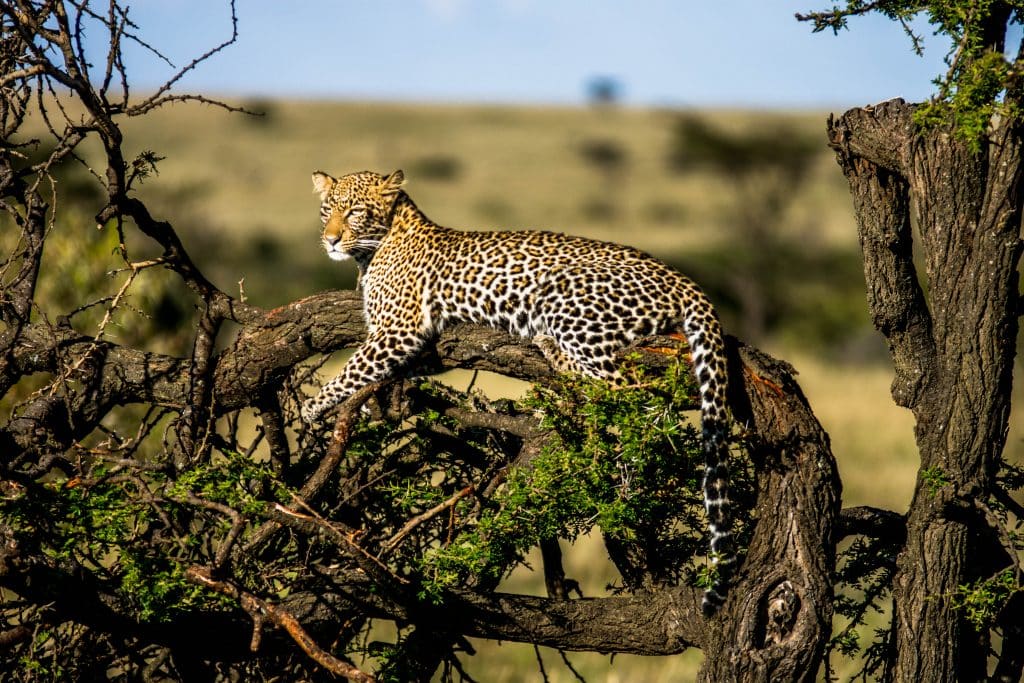 Travel Logistics
Safari Emergency Evacuation Procedures
Your safety is the top priority on safari. Our guide to emergency evacuation procedures will give you peace of mind in the unlikely event of an emergency.
 Travel Logistics
Safari Allergic Reaction Procedures
An allergic reaction can be scary, especially on safari. Our guide to allergic reaction procedures will help you know what to do in an emergency.
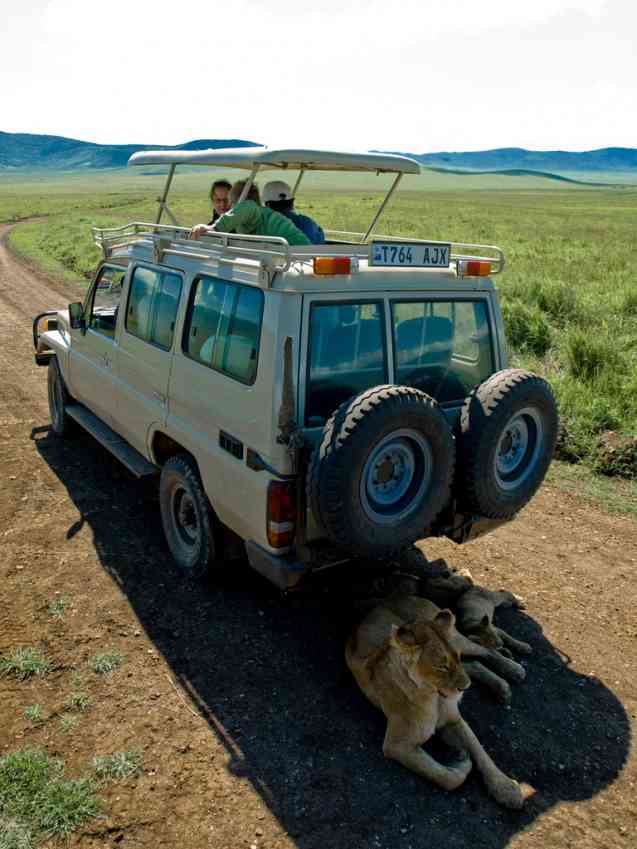 Safari Safety
Safari River Crossing Safety
Learn how to stay safe during safari river crossings. Our guide covers the risks, vehicle safety, walking safaris, and responsible tourism for your African adventure.
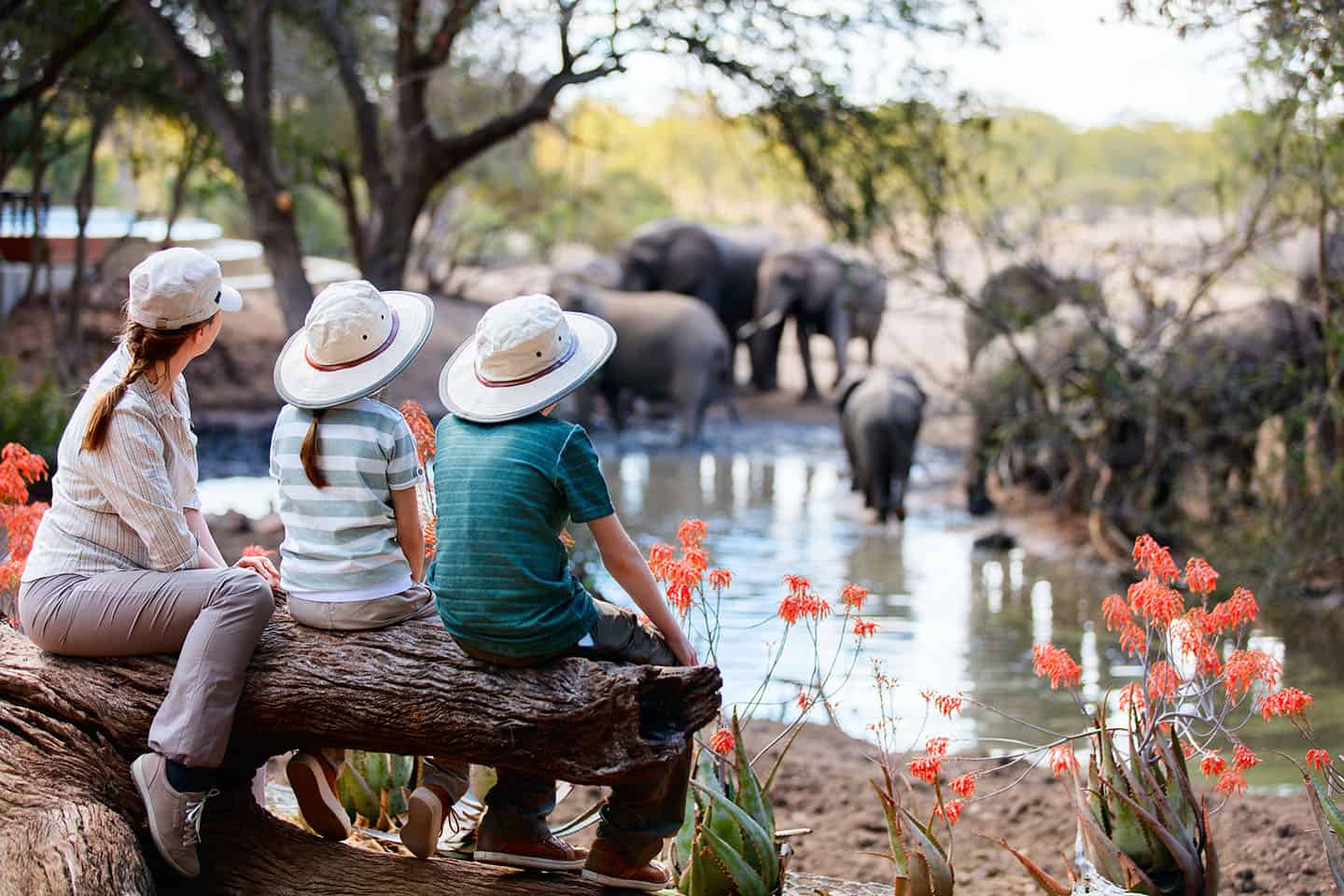 Safari Safety
Emergency Procedures on Safari
Learn about safari emergency procedures, from medical situations to vehicle breakdowns, and see how expert guides and operators keep you safe in the African bush.
Related Guides
Safari Border Crossings
Safari Check-In and Check-Out Procedures
Safari Emergency Evacuation Procedures
Safari Allergic Reaction Procedures
Safari River Crossing Safety
Safari Planning
Safari Planning Updates
Get expert safari planning tips, destination updates, and exclusive guides delivered to your inbox.