
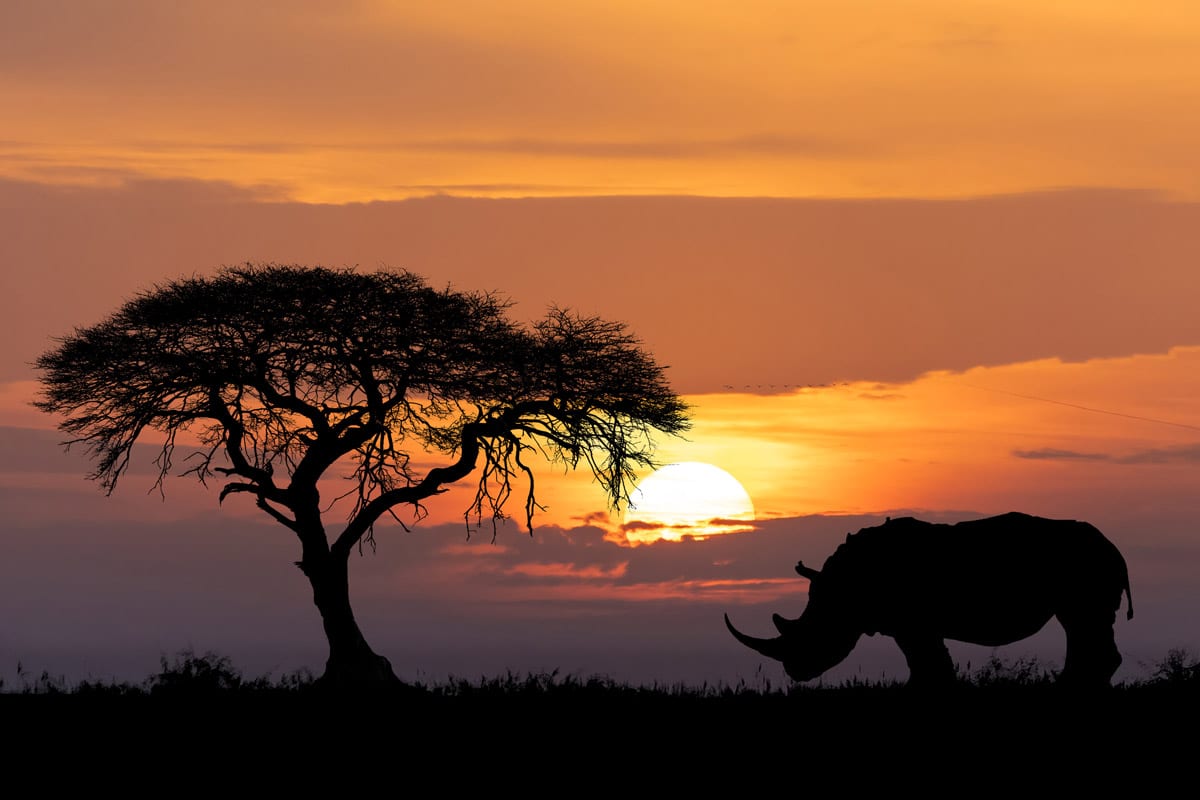
A comprehensive guide to Predator-Prey Relationships on the African Savanna. Learn about its habitat, behavior, diet, and conservation status.
Predator-Prey Relationships on the African Savanna
One of the most common questions we receive from safari travelers relates to predator-prey relationships on the african savanna. After helping hundreds of travelers plan their African adventures, we have compiled this detailed resource to address every aspect of this important topic.
Making the Most of Your Experience
Photography enthusiasts should pay special attention to predator-prey relationships on the african savanna as it relates to their equipment and technique. The lighting conditions, distances, and movement patterns of African wildlife create unique challenges and opportunities that benefit from advance preparation.
To truly optimize predator-prey relationships on the african savanna, approach your safari with an open mind and realistic expectations. Africa has a way of surprising even the most experienced travelers, and some of the best moments come from unexpected encounters and unplanned detours.
Still researching? Let us help.
Our advisory team has planned safaris across 9 African countries. We can turn your research into a real plan.
Talk to an AdvisorExpert Recommendations
Budget considerations play an important role in predator-prey relationships on the african savanna. While it is tempting to cut corners, experienced travelers consistently report that investing in quality where it matters most leads to significantly better outcomes. The key is knowing where to allocate your budget for maximum impact.
Safari advisors consistently recommend starting your planning process at least six to twelve months before your intended travel dates. This lead time allows you to secure preferred accommodations, take advantage of early booking rates, and properly prepare for all aspects of predator-prey relationships on the african savanna.
Common Mistakes to Avoid: Predator-Prey Relationships on the African Savanna
Underestimating the importance of predator-prey relationships on the african savanna is perhaps the biggest mistake of all. Travelers who give this aspect of their safari proper attention consistently report more satisfying experiences than those who treat it as an afterthought.
Another common error is relying solely on online reviews without consulting experienced professionals. While traveler reviews provide valuable perspectives, they often lack the context and expertise that a qualified safari planning guide can offer. The best approach combines both sources of information.
One of the most frequent mistakes travelers make with predator-prey relationships on the african savanna is waiting too long to start planning. Popular safari destinations and lodges book up months in advance, especially during peak season. Last-minute planning often results in limited options and higher costs.
Regional Considerations Across Africa: Predator-Prey Relationships on the African Savanna
Southern Africa presents a different landscape for predator-prey relationships on the african savanna. Countries like Botswana, South Africa, Namibia, and Zimbabwe each have established infrastructure and practices that reflect their unique environments. The Okavango Delta, for instance, requires water-based considerations that land-based safaris in Kruger National Park do not.
Central and West African destinations, including Uganda, Rwanda, and the Congo, offer specialized experiences like gorilla trekking that bring their own set of requirements. These destinations often involve more challenging terrain and different logistical considerations compared to the classic savanna safari.
East African safaris, particularly in Kenya and Tanzania, have their own distinct approach to predator-prey relationships on the african savanna. The Serengeti-Mara ecosystem, which hosts the Great Migration, requires specific planning considerations that differ from destinations like Amboseli or Ngorongoro. Understanding these regional differences is crucial for optimizing your experience.
Done Reading? Let's Build Your Safari.
Skip the guesswork. Work with an advisor who has been on the ground across East and Southern Africa.
Plan With UsSeasonal Factors and Timing
Peak season brings excellent wildlife viewing but also higher prices and more crowded parks. Shoulder seasons offer a balance of good conditions and fewer crowds. Understanding how seasonal factors affect predator-prey relationships on the african savanna helps you choose the optimal time for your specific priorities.
Weather patterns across Africa are becoming less predictable due to climate change, which adds another layer of consideration to predator-prey relationships on the african savanna. Working with operators who have current, on-the-ground knowledge of conditions is more important than ever.
Related Resources
For more information on planning your safari, explore our destination guides, browse the safari operator directory, or connect with an experienced safari planning guide for personalized guidance.
The Great Migration: A Moving Feast
The annual Great Migration in East Africa is perhaps the most dramatic predator-prey spectacle on the planet. Over two million wildebeest, zebras, and gazelles journey in a clockwise loop through Tanzania's Serengeti National Park and Kenya's Masai Mara National Reserve. This moving feast presents an unparalleled opportunity for predators, but also a significant challenge.
Lions, for instance, are territorial and cannot simply follow the herds. Instead, prides must adapt their hunting strategies to capitalize on the brief period of abundance when the migration passes through their territory. They become experts at ambushing the herds at river crossings, a particularly vulnerable point for the migrating animals. The sheer number of prey animals can be overwhelming, and lions must be strategic to isolate and take down an individual.
Cheetahs, with their incredible speed, also benefit from the open plains filled with prey. However, they often face intense competition from lions and hyenas, who will readily steal a hard-earned kill. This forces cheetahs to hunt at different times of the day or in less crowded areas to avoid confrontation.
For a chance to witness these dramatic events, consider planning your safari between July and October in the Masai Mara, or from December to March in the Southern Serengeti, when the wildebeest are calving. Our safari operators can help you time your trip perfectly.
Nocturnal Encounters: The Savanna After Dark
The African savanna transforms after sunset, and a whole new cast of characters emerges. Nocturnal predators have evolved unique adaptations to hunt in the dark, and their prey have developed equally impressive strategies to survive the night.
Leopards are masters of the nocturnal hunt. Their rosette-patterned coats provide excellent camouflage in the dappled moonlight, and their ability to climb trees allows them to ambush prey from above or stash a kill safely out of reach of scavengers. A night drive in a private reserve, such as the Sabi Sands in South Africa, offers a good chance of spotting a leopard on the prowl.
Other nocturnal predators include the bat-eared fox, which uses its enormous ears to listen for insects and small rodents underground, and the aardwolf, a specialized hyena that feeds almost exclusively on termites. These smaller predators play a crucial role in controlling insect populations.
> Traveler's Tip: If you're interested in nocturnal wildlife, ask your safari planning guide about camps and lodges that offer night game drives. These drives provide a unique opportunity to see a different side of the African bush and its inhabitants.
The Clean-Up Crew: Scavengers and Their Role
No discussion of predator-prey relationships is complete without mentioning the scavengers. These animals, often misunderstood, are a vital part of the ecosystem, ensuring that nothing goes to waste. Vultures, with their exceptional eyesight, are often the first to arrive at a kill, circling high above before descending to feast. Different vulture species have evolved to specialize in eating different parts of a carcass, a fascinating example of niche partitioning.
Hyenas are also formidable scavengers, with powerful jaws that can crush bones to get at the nutritious marrow. While they are also skilled hunters in their own right, their scavenging ability makes them a crucial part of the savanna's clean-up crew. By promptly removing carcasses, scavengers help to prevent the spread of disease, maintaining the health of the entire ecosystem.
Conservation and the Future of Predator-Prey Dynamics
The delicate balance between predators and prey is increasingly threatened by human activities. Habitat loss and fragmentation, due to agriculture and urban development, are shrinking the areas where these animals can roam and hunt. This can lead to increased conflict between humans and wildlife, as predators may turn to livestock when their natural prey becomes scarce.
Poaching, both of predators and prey, also has a devastating impact. The loss of a keystone predator, like the lion, can have a cascading effect on the entire ecosystem, leading to an overpopulation of herbivores and the degradation of vegetation. Conversely, the decline of a primary prey species can lead to a sharp drop in predator numbers.
Sustainable tourism plays a vital role in protecting these fragile ecosystems. By choosing to plan your safari with responsible operators, you are directly contributing to conservation efforts that help to protect both predators and their prey. To understand the financial investment for such a trip, you can use our cost calculator to get a preliminary estimate.
Need Expert Safari Guidance?
Get expert advisory support from a firm founded by a former safari guide — with real operational knowledge across 9 African countries and full-journey accountability.
Related Planning Guides
Explore Related Topics
Recommended Reading
 Wildlife Guides
Symbiotic Relationships in African Wildlife
A comprehensive guide to Symbiotic Relationships in African Wildlife. Learn about its habitat, behavior, diet, and conservation status.
 Wildlife Guides
Animal Communication on the African Savanna
A comprehensive guide to Animal Communication on the African Savanna. Learn about its habitat, behavior, diet, and conservation status.
 Wildlife Guides
Tree Species of the African Savanna
Comprehensive guide to tree species of the african savanna covering key species, habitats, viewing tips, and conservation status for safari travelers.
 Safari Safety
Is African Safari Safe for Travelers?
Is an African safari safe? Our expert guide covers the real risks, safety measures, and practical advice to help you plan a secure and unforgettable journey.
 Safari Safety
Travel Safety in East Africa
Travel safely in East Africa with our expert tips. This guide covers health, urban safety, and wildlife precautions for your safari in Kenya, Tanzania, and beyond.
 Safari Safety
Travel Safety in Southern Africa
Learn how to travel safely in Southern Africa with our expert guide. Get practical tips on urban safety, safari precautions, and health preparations for your trip.