
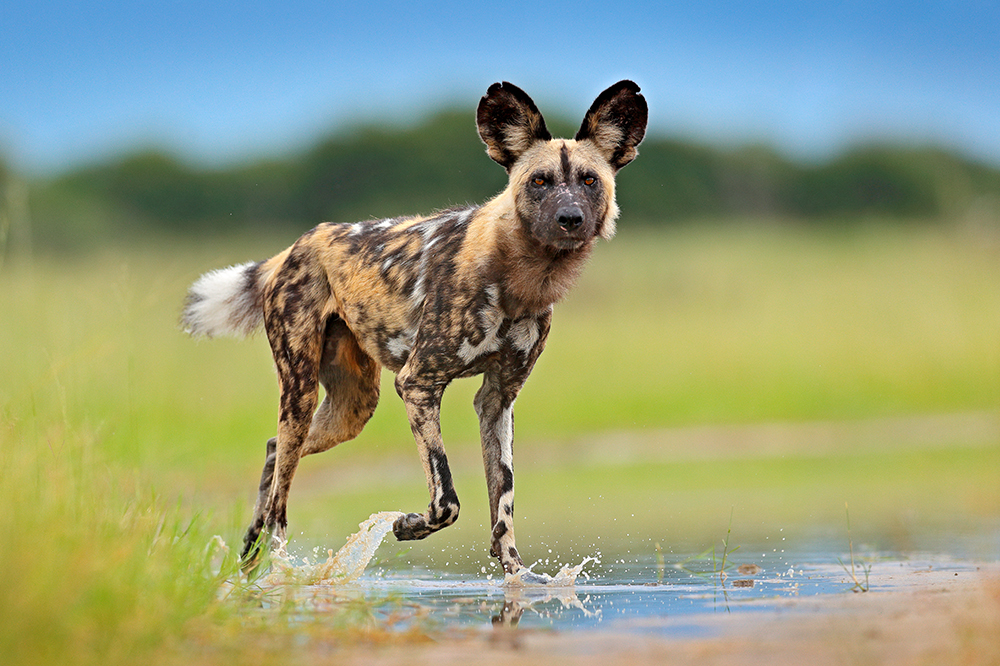
A comprehensive guide to Animal Communication on the African Savanna. Learn about its habitat, behavior, diet, and conservation status.
Animal Communication on the African Savanna
Africa offers some of the most incredible wildlife experiences on Earth, and getting animal communication on the african savanna right is essential to making the most of your journey. Here is what experienced safari guides and advisors recommend.
Expert Recommendations: Animal Communication on the African Savanna
Budget considerations play an important role in animal communication on the african savanna. While it is tempting to cut corners, experienced travelers consistently report that investing in quality where it matters most leads to significantly better outcomes. The key is knowing where to allocate your budget for maximum impact.
Working with a qualified safari planning guide can significantly improve your experience with animal communication on the african savanna. Advisors who have personal experience in your chosen destinations can provide insights that no guidebook or website can match. They understand the subtle differences between properties, the best times to visit specific areas, and how to structure an itinerary that maximizes your time.
Safari advisors consistently recommend starting your planning process at least six to twelve months before your intended travel dates. This lead time allows you to secure preferred accommodations, take advantage of early booking rates, and properly prepare for all aspects of animal communication on the african savanna.
Still researching? Let us help.
Our advisory team has planned safaris across 9 African countries. We can turn your research into a real plan.
Talk to an AdvisorPractical Planning Steps: Animal Communication on the African Savanna
Step two involves researching your options thoroughly. Compare different destinations, operators, and approaches to animal communication on the african savanna. Read reviews from verified travelers, consult with safari operators, and cross-reference information from multiple sources.
Step three is creating a detailed plan that accounts for all aspects of animal communication on the african savanna. This should include timelines, budgets, backup options, and contingency plans. The most successful safari travelers are those who plan thoroughly while remaining flexible enough to adapt to changing conditions.
Regional Considerations Across Africa
Central and West African destinations, including Uganda, Rwanda, and the Congo, offer specialized experiences like gorilla trekking that bring their own set of requirements. These destinations often involve more challenging terrain and different logistical considerations compared to the classic savanna safari.
Southern Africa presents a different landscape for animal communication on the african savanna. Countries like Botswana, South Africa, Namibia, and Zimbabwe each have established infrastructure and practices that reflect their unique environments. The Okavango Delta, for instance, requires water-based considerations that land-based safaris in Kruger National Park do not.
East African safaris, particularly in Kenya and Tanzania, have their own distinct approach to animal communication on the african savanna. The Serengeti-Mara ecosystem, which hosts the Great Migration, requires specific planning considerations that differ from destinations like Amboseli or Ngorongoro. Understanding these regional differences is crucial for optimizing your experience.
Making the Most of Your Experience: Animal Communication on the African Savanna
To truly optimize animal communication on the african savanna, approach your safari with an open mind and realistic expectations. Africa has a way of surprising even the most experienced travelers, and some of the best moments come from unexpected encounters and unplanned detours.
Photography enthusiasts should pay special attention to animal communication on the african savanna as it relates to their equipment and technique. The lighting conditions, distances, and movement patterns of African wildlife create unique challenges and opportunities that benefit from advance preparation.
Done Reading? Let's Build Your Safari.
Skip the guesswork. Work with an advisor who has been on the ground across East and Southern Africa.
Plan With UsRelated Resources
For more information on planning your safari, explore our destination guides, browse the safari operator directory, or connect with an experienced safari planning guide for personalized guidance.
_This article has been expanded by an expert safari consultant to provide deeper insights into the complex world of animal communication._
The Unseen Language: Chemical and Scent Marking
While dramatic vocalizations and visual displays are often the most noticeable forms of animal communication on safari, an equally complex world of chemical messaging unfolds unseen. Scent marking is one of the most ancient and widespread forms of communication, allowing animals to convey information about their identity, social status, reproductive state, and territorial boundaries over long periods.
One of the most fascinating examples of this is the behavior of white and black rhinos. Both species use communal latrines, known as middens, to deposit dung and urine. These are not just toilets; they are complex communication hubs. By sniffing a midden, a rhino can gather a wealth of information about other rhinos in the area, including their age, sex, and health. For dominant bulls, a well-placed dung pile is a clear signal of ownership and a warning to rivals. When visiting parks like Hluhluwe-Imfolozi Park in South Africa, a world-renowned rhino conservation stronghold, you may see your guide stop to examine a fresh midden, explaining the social dynamics of the local rhino population.
Antelopes also rely heavily on scent marking. Many species, such as the Thomson’s gazelle and the impala, have preorbital glands near their eyes, which they use to rub a tar-like substance onto twigs and grass stems. This marks their territory and advertises their presence to females. The persistence of these scent marks makes them a highly efficient way to communicate in the vast savanna, where visual contact is not always possible.
> Expert Insight: When you see an antelope rubbing its face on vegetation, it's not just scratching an itch. It is actively participating in a silent, chemical conversation that defines the social and spatial landscape of the savanna. This behavior is a subtle but vital part of the ecosystem's intricate web of communication.
The Intricacies of Visual Signals and Body Language
Visual communication is immediate and powerful, and on the African savanna, it can be the difference between life and death. From the subtle flick of an ear to a dramatic dominance display, body language is a constant stream of information.
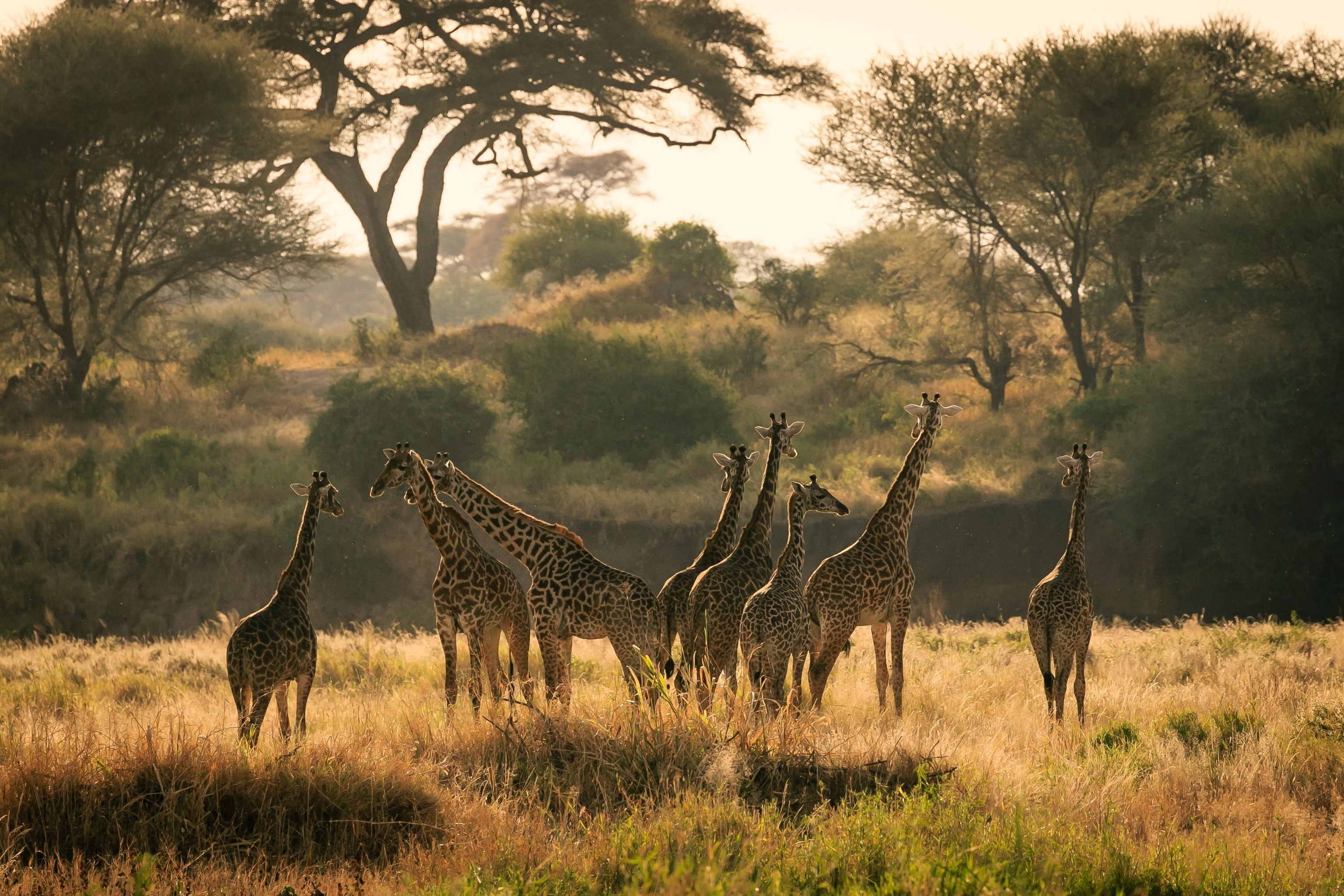
Giraffes, for instance, engage in a unique form of combat called “necking,” where two males swing their powerful necks at each other. While it can look violent, it is a highly ritualized display designed to establish dominance with minimal serious injury. The winner gains mating rights over the females in the area. Observing this behavior, particularly in areas with high giraffe populations like the Serengeti National Park in Tanzania, is a truly unforgettable safari experience.
Elephants possess one of the most complex visual communication repertoires. A gentle flapping of the ears can signal contentment or a desire to cool down, but when combined with a raised head and a direct stare, it becomes a warning. A full-blown charge, with ears spread wide and trunk tucked away, is an unambiguous threat. Understanding these signals is crucial for safe and respectful wildlife viewing. Our safari operators work with guides who are experts in interpreting these subtle cues, ensuring you can enjoy close encounters without causing stress to the animals.
> Traveler's Tip: When observing elephants, pay close attention to the context of their behavior. A lone bull behaving aggressively is a very different situation from a breeding herd peacefully browsing. Always listen to your guide and maintain a respectful distance. For more on this, see our guide to ethical wildlife photography.
Tactile Communication: The Power of Touch
Touch is a vital form of communication for maintaining social bonds, particularly in highly social species. It is used for reassurance, grooming, and establishing dominance hierarchies.
Primates, such as baboons and vervet monkeys, are a prime example of this. Grooming is not just about hygiene; it is a social currency. It strengthens alliances, soothes tensions after a conflict, and provides comfort. By spending hours grooming each other, these primates are constantly reinforcing the social fabric of their troop. When on safari in places like Lake Manyara National Park in Tanzania, you can spend hours watching these complex social interactions unfold.
Large predators also rely on touch. A lioness will lick and nuzzle her cubs to comfort them and strengthen their bond. When two male lions from the same coalition reunite after a separation, they will often rub their heads and bodies together in a greeting ceremony that reaffirms their partnership. This tactile reassurance is essential for the cooperation needed to defend a territory and hunt large prey.
Interspecies Communication: The Savanna's Information Network
The savanna is a landscape of constant vigilance, and many species have learned to eavesdrop on the alarm calls of others. This creates a complex, interconnected information network that benefits all.
The shrill alarm call of a vervet monkey, for example, will send nearby impala and zebra scattering, even if they haven't seen the predator themselves. Similarly, the frantic snorting of a wildebeest can alert a giraffe to a lion lurking in the tall grass. This shared vigilance increases the chances of survival for everyone.
Even birds get in on the act. The oxpecker, a bird that feeds on ticks and other parasites on the backs of large mammals like buffalo and rhino, will emit a sharp, chattering cry if it spots danger. This symbiotic relationship provides the oxpecker with a steady food source and its host with a personal alarm system.
Understanding these intricate communication networks adds a whole new layer of appreciation to a safari. It transforms the experience from simply spotting animals to understanding the complex web of relationships that governs life and death on the savanna. To start planning your own journey into this incredible world, visit our plan your safari page or use our cost calculator to get an idea of what your dream safari might cost.
Need Expert Safari Guidance?
Get expert advisory support from a firm founded by a former safari guide — with real operational knowledge across 9 African countries and full-journey accountability.
Related Planning Guides
Explore Related Topics
Recommended Reading
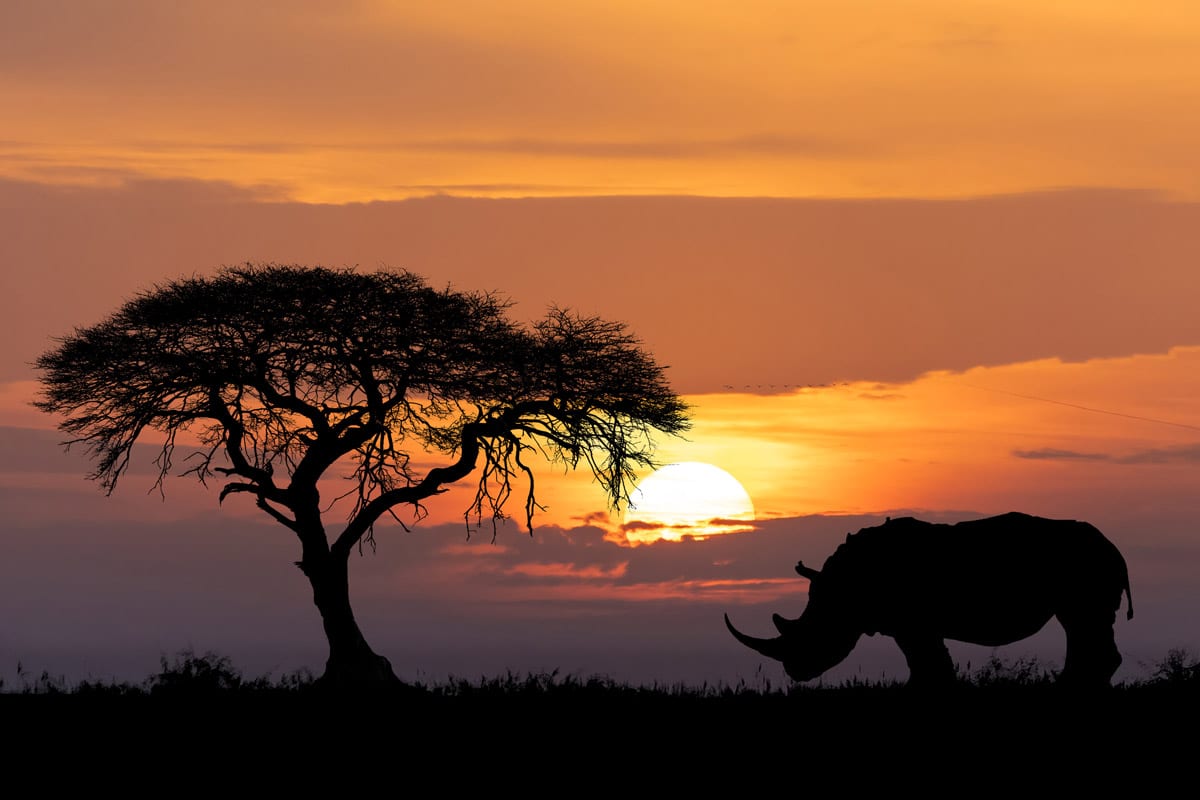 Wildlife Guides
Predator-Prey Relationships on the African Savanna
A comprehensive guide to Predator-Prey Relationships on the African Savanna. Learn about its habitat, behavior, diet, and conservation status.
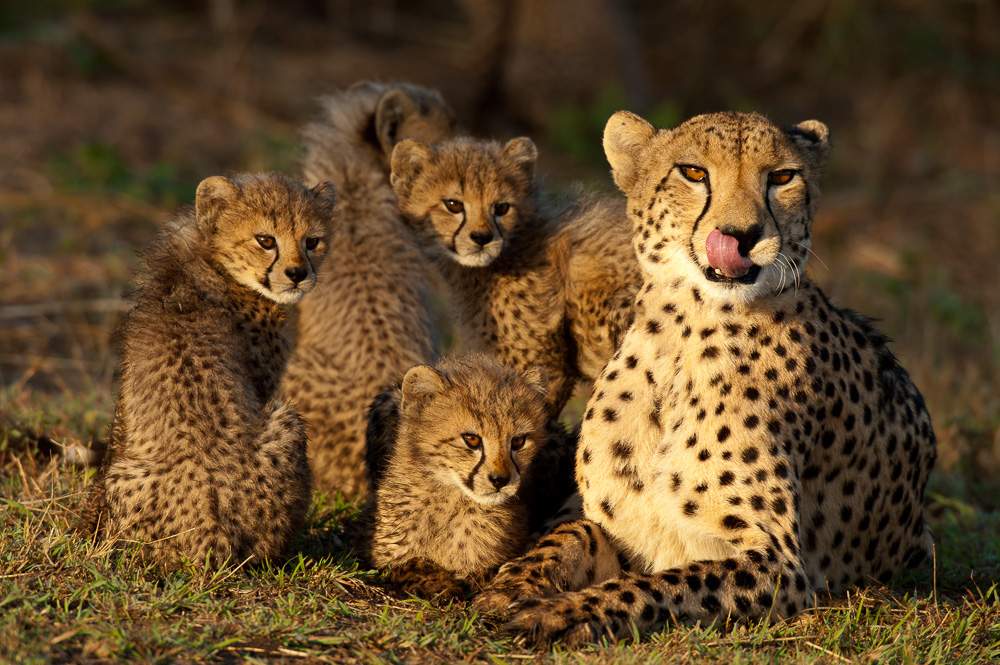 Wildlife Guides
Animal Migration Patterns Across Africa
A comprehensive guide to Animal Migration Patterns Across Africa. Learn about its habitat, behavior, diet, and conservation status.
 Wildlife Guides
Tree Species of the African Savanna
Comprehensive guide to tree species of the african savanna covering key species, habitats, viewing tips, and conservation status for safari travelers.
 Country Guides
South Africa Safari Language and Communication Guide
A comprehensive guide to South Africa Safari Language and Communication Guide. Learn everything you need to know for your next safari adventure.
 Safari Safety
Is African Safari Safe for Travelers?
Is an African safari safe? Our expert guide covers the real risks, safety measures, and practical advice to help you plan a secure and unforgettable journey.
 Safari Safety
Travel Safety in East Africa
Travel safely in East Africa with our expert tips. This guide covers health, urban safety, and wildlife precautions for your safari in Kenya, Tanzania, and beyond.