
A comprehensive guide to How Animals Adapt to African Wet Seasons. Learn about its habitat, behavior, diet, and conservation status.
How Animals Adapt to African Wet Seasons
Africa offers some of the most incredible wildlife experiences on Earth, and getting how animals adapt to african wet seasons right is essential to making the most of your journey. Here is what experienced safari guides and advisors recommend.
Expert Recommendations
Budget considerations play an important role in how animals adapt to african wet seasons. While it is tempting to cut corners, experienced travelers consistently report that investing in quality where it matters most leads to significantly better outcomes. The key is knowing where to allocate your budget for maximum impact.
Safari advisors consistently recommend starting your planning process at least six to twelve months before your intended travel dates. This lead time allows you to secure preferred accommodations, take advantage of early booking rates, and properly prepare for all aspects of how animals adapt to african wet seasons.
Working with a qualified safari planning guide can significantly improve your experience with how animals adapt to african wet seasons. Advisors who have personal experience in your chosen destinations can provide insights that no guidebook or website can match. They understand the subtle differences between properties, the best times to visit specific areas, and how to structure an itinerary that maximizes your time.
Still researching? Let us help.
Our advisory team has planned safaris across 9 African countries. We can turn your research into a real plan.
Talk to an AdvisorSafety and Health Considerations: How Animals Adapt to African Wet Seasons
Safety is paramount when it comes to how animals adapt to african wet seasons on safari. Reputable operators maintain strict safety protocols and employ experienced guides who are trained to handle a wide range of situations. Always verify that your chosen operator has proper licensing, insurance, and safety certifications.
Travel insurance that specifically covers safari activities is strongly recommended. Standard travel insurance policies may not cover all the activities and situations you might encounter on an African safari. Ensure your policy covers medical evacuation, trip cancellation, and activity-specific risks.
Health preparation is an essential component of how animals adapt to african wet seasons. Consult with a travel medicine specialist at least six weeks before your departure to discuss vaccinations, malaria prophylaxis, and other health precautions specific to your destinations.
Making the Most of Your Experience
Finally, remember that a safari is more than just wildlife viewing. The cultural experiences, landscapes, and personal connections you make along the way are equally valuable. Approaching how animals adapt to african wet seasons with this broader perspective will enrich your entire journey.
To truly optimize how animals adapt to african wet seasons, approach your safari with an open mind and realistic expectations. Africa has a way of surprising even the most experienced travelers, and some of the best moments come from unexpected encounters and unplanned detours.
Understanding the Fundamentals
Experienced safari operators emphasize that preparation is the single most important factor in how animals adapt to african wet seasons. This means doing your research well in advance, consulting with knowledgeable advisors, and being willing to adapt your plans based on current conditions. The best safari experiences come from travelers who approach their journey with both enthusiasm and informed flexibility.
The foundation of how animals adapt to african wet seasons begins with understanding the basic principles. Safari environments across Africa present unique conditions that differ significantly from what most travelers are accustomed to. In East Africa, the vast savannas of Kenya and Tanzania create one set of considerations, while the dense forests of Uganda and Rwanda present entirely different challenges. Southern African destinations like Botswana and South Africa add yet another dimension.
Done Reading? Let's Build Your Safari.
Skip the guesswork. Work with an advisor who has been on the ground across East and Southern Africa.
Plan With UsRelated Resources
For more information on planning your safari, explore our destination guides, browse the safari operator directory, or connect with an experienced safari planning guide for personalized guidance.
Wet Season Havens: Where to Witness Nature's Renewal
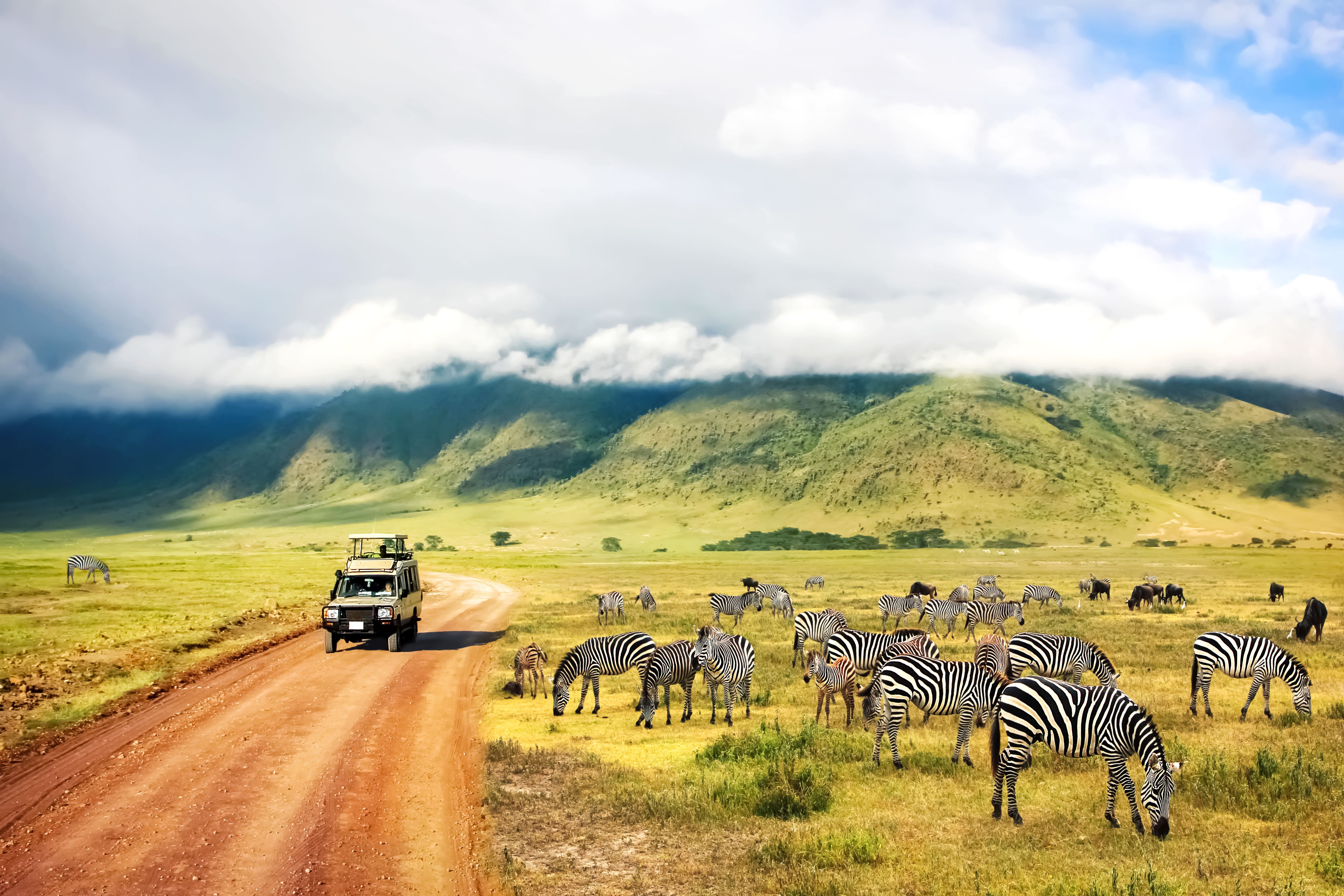
While the dry season often gets the spotlight for its concentrated wildlife viewing, the wet season—often called the "Green Season"—offers a different kind of magic. This is a time of renewal, abundance, and vibrant life. For the discerning traveler, it can be one of the most rewarding times to visit Africa. Here are some of the top destinations to consider for a wet season safari:
- Okavango Delta, Botswana: During the wet season, the Okavango Delta transforms into a lush water wonderland. While some camps may close, many remain open, offering unique water-based safari activities like mokoro (traditional canoe) excursions. This is the prime breeding season for many bird species, making it a paradise for birdwatchers. You can explore the intricate network of channels and lagoons, witnessing elephants wading through the floodplains and antelope grazing on the fresh green grass.
- Serengeti National Park, Tanzania: The wet season in the Serengeti coincides with the calving season of the Great Migration. From December to March, hundreds of thousands of wildebeest give birth on the southern plains, attracting a high concentration of predators. This creates a dramatic spectacle of life and death, offering unparalleled opportunities to witness predator-prey interactions. Our destinations guide provides more detail on the Serengeti's seasonal dynamics.
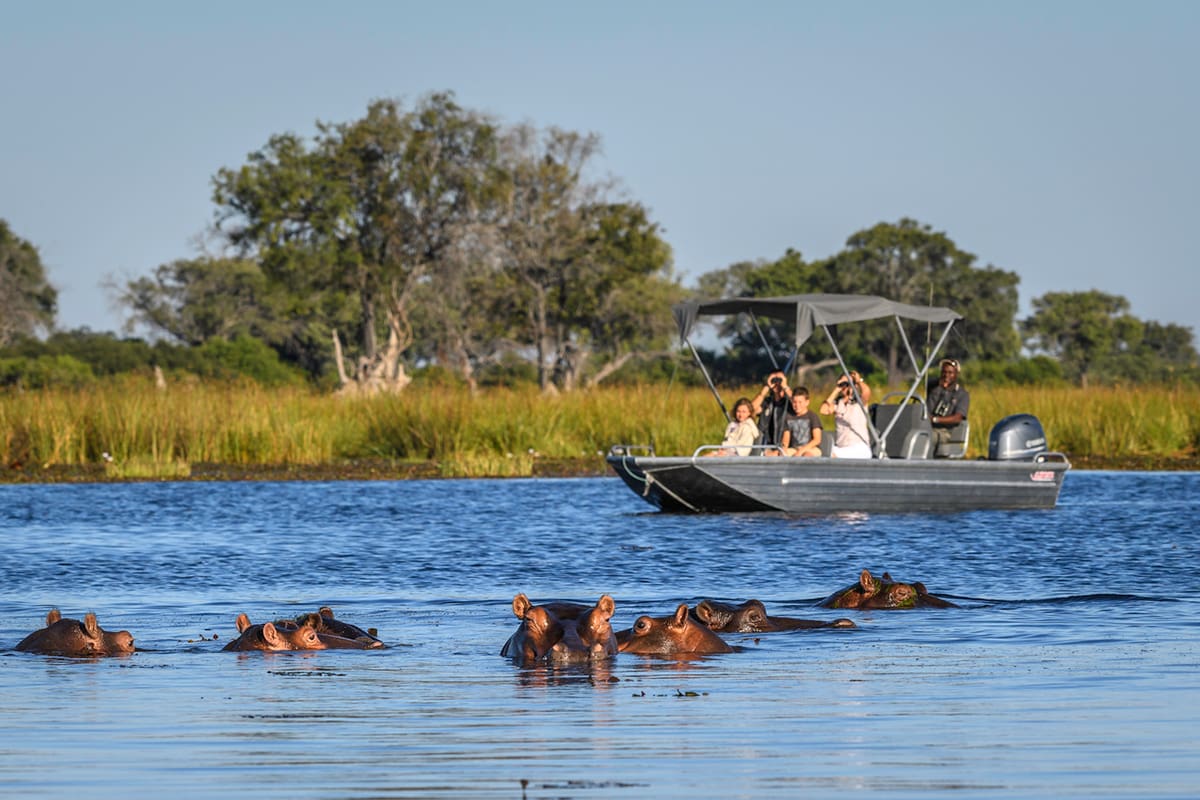
- South Luangwa National Park, Zambia: Known as the "Valley of the Leopard," South Luangwa is a spectacular destination in the wet season. The Luangwa River swells, and the landscape becomes a brilliant emerald green. This is an excellent time for "river safaris," where you can spot crocodiles, hippos, and a variety of birdlife from a boat. The lush vegetation can make wildlife spotting more challenging, but the reward is a more intimate and immersive experience.
Behavioral Adaptations: A Closer Look
The arrival of the rains triggers a cascade of behavioral changes in African wildlife. These adaptations are crucial for survival and offer a fascinating glimpse into the intricate workings of the ecosystem.
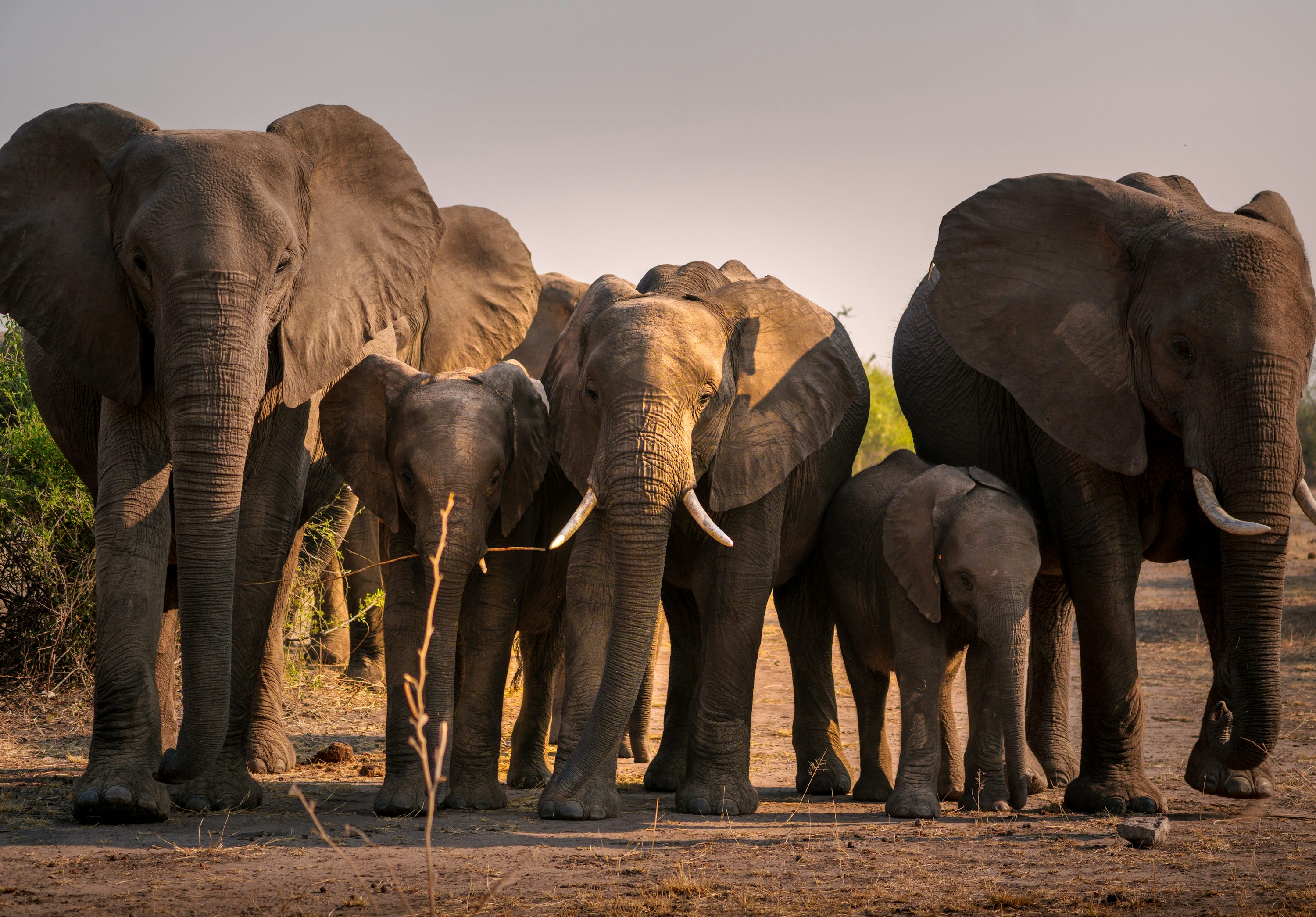
- Migration and Dispersal: While the Great Migration is the most famous example, many other species also exhibit migratory behavior in response to the rains. Elephants, for instance, will often disperse over wider areas, no longer tethered to the few remaining water sources of the dry season. This can make them more challenging to find, but also allows for more intimate encounters away from the crowds. Our knowledge center has more articles on animal behavior.
- Breeding and Birthing: The abundance of food and water makes the wet season the ideal time for many animals to give birth. As mentioned, the wildebeest calving in the Serengeti is a prime example, but you'll also find many other species, from impalas to zebras, with their young. This is a time of vulnerability, and predators are always on high alert, creating a dynamic and often dramatic viewing experience.
- Predator-Prey Dynamics: The wet season can shift the balance of power between predators and prey. The dense vegetation provides more cover for predators like lions and leopards, allowing them to ambush their prey more effectively. However, the dispersal of herbivores means that predators may have to work harder to find a meal. This can lead to fascinating hunting behaviors and territorial disputes.
The Green Season Safari: A Photographer's Dream
For photographers, the wet season is a dream come true. The landscape is transformed into a vibrant canvas of greens and blues, providing a stunning backdrop for your wildlife shots. The air is often clear and dust-free, resulting in crisp, saturated colors. The dramatic skies, with their towering thunderclouds and spectacular sunsets, add another layer of beauty to your images.
> Traveler's Tip: Don't be deterred by the rain! The storms are often short-lived and can create incredible photographic opportunities. The light after a storm is often soft and golden, perfect for capturing those magical safari moments. A waterproof camera bag and lens cloth are essential packing items.
Practical Considerations for Wet Season Travel
A wet season safari requires a bit more planning, but the rewards are well worth the effort. Here are a few things to keep in mind:
- Packing: Lightweight, waterproof layers are essential. A good rain jacket is a must, as are waterproof shoes or boots. Quick-drying clothes are also a good idea. Don't forget insect repellent, as mosquitoes are more prevalent during the wet season.
- Road Conditions: In some areas, the rains can make roads impassable. This is where the expertise of a trusted safari operator is invaluable. They will have the right vehicles and know the best routes to get you to the heart of the action. Our safari operators can connect you with operators who specialize in wet season travel.
- Health: The wet season is the peak season for malaria in many parts of Africa. It is essential to consult with your doctor about appropriate anti-malarial medication. Using insect repellent and sleeping under a mosquito net will also help to minimize your risk.
> Expert Insight: Is a Wet Season Safari Right for You? > A wet season safari is not for everyone. If your primary goal is to see as many animals as possible in a short amount of time, the dry season may be a better choice. However, if you are a seasoned safari-goer, a photographer, or a traveler who appreciates the nuances of the natural world, the wet season offers a truly unique and unforgettable experience. It's a time of incredible beauty, drama, and life. To see how a wet season safari might fit into your budget, explore our cost calculator, or plan your safari with one of our experts.
Need Expert Safari Guidance?
Get expert advisory support from a firm founded by a former safari guide — with real operational knowledge across 9 African countries and full-journey accountability.
Related Planning Guides
Explore Related Topics
Recommended Reading
 Wildlife Guides
How Animals Adapt to African Dry Seasons
A comprehensive guide to How Animals Adapt to African Dry Seasons. Learn about its habitat, behavior, diet, and conservation status.
 Wildlife Guides
Nocturnal Animals of Africa
Discover the hidden world of Africa\
 Wildlife Guides
Complete Guide to Sea Turtles of the African Coast
Learn all about Complete Guide to Sea Turtles of the African Coast in this comprehensive guide. Discover the best time to go, what to see, and how to plan your trip.
 Season & Timing Guides
Understanding Safari Seasons in South Africa
Explore the diverse climates and safari seasons of South Africa, from the Western Cape\
 Season & Timing Guides
Best Time to See Sea Turtles in Africa
Expert guide on best time to see sea turtles in africa with month-by-month conditions, pricing, and planning recommendations for safari travelers.
 Safari Safety
Is African Safari Safe for Travelers?
Is an African safari safe? Our expert guide covers the real risks, safety measures, and practical advice to help you plan a secure and unforgettable journey.