
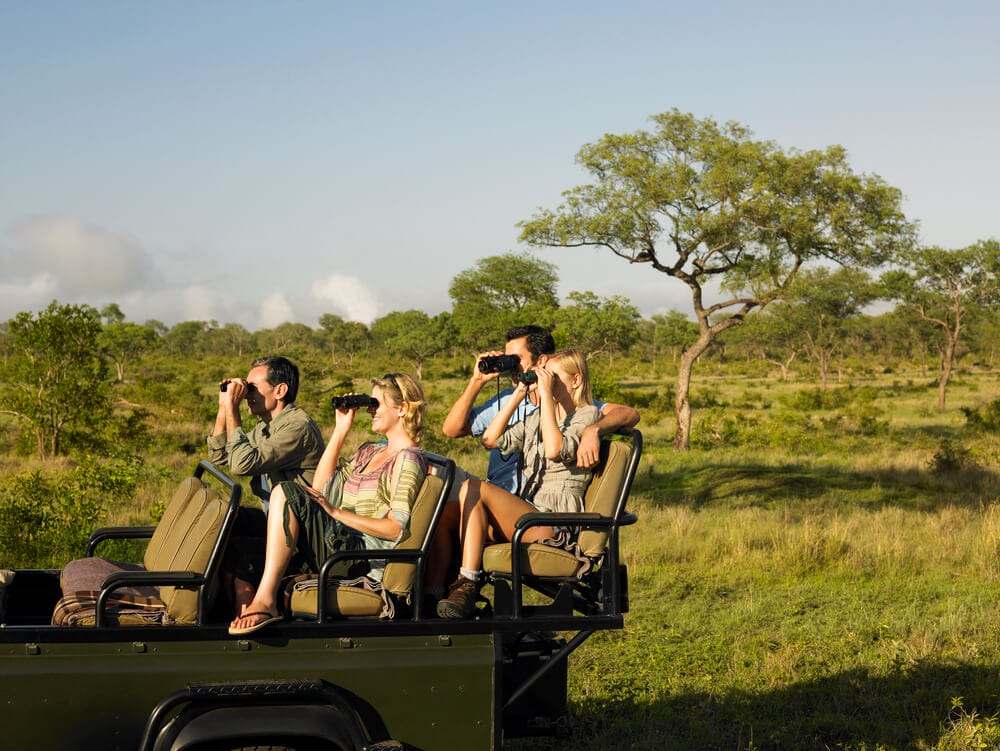
Discover the best places to see leopards in Africa. This guide covers top destinations like South Luangwa, Sabi Sand, and Moremi for incredible leopard sightings.
''' Seeing a leopard in the wild is a highlight of any African safari. As one of the most elusive members of the "Big Five," the leopard's solitary nature and incredible camouflage make every sighting a special and hard-won reward. Unlike lions, which are social and often seen in open plains, leopards are masters of stealth, preferring to hunt alone in the shadows of riverine forests, rocky kopjes, and dense bush. Planning a safari with a focus on leopard sightings requires choosing your destination carefully. While leopards are found across sub-Saharan Africa, certain parks and reserves offer a significantly higher chance of seeing these magnificent cats. This guide will walk you through the best places to see leopards, helping you plan a safari that maximizes your opportunity for an unforgettable encounter.
Understanding Leopard Behavior: The Art of a Sighting
To find a leopard, you must first understand its world. These cats are adaptable and resilient, but their behavior is what makes them so challenging to spot. They are most active at dawn, dusk, and throughout the night, often spending the heat of the day resting in the dense shade of a sausage tree or hidden among rocky outcrops. Their rosettes provide perfect camouflage, allowing them to melt into the dappled light of the bush.
Solitary and Nocturnal Hunters
Leopards are solitary animals, coming together only to mate. This means you won't find them in large groups. They are also primarily nocturnal, using the cover of darkness to hunt. This is why night drives, where permitted, are one of the most effective ways to find them. A powerful spotlight can catch the reflection of their eyes, revealing their presence in the dark.
Masters of Camouflage
A leopard's coat is a masterpiece of natural camouflage. The pattern of rosettes breaks up its outline, making it incredibly difficult to distinguish from the surrounding foliage. They are ambush predators, relying on their ability to remain unseen as they stalk their prey. Often, a leopard may be watching you from a branch just meters away, and you would never know it.
What to Look For: Signs of a Leopard
Experienced guides are trained to spot the subtle signs of a leopard's presence. This includes looking for tracks on the ground, listening for the alarm calls of monkeys or birds, and scanning the branches of large trees for a dangling tail or a hoisted kill. A carcass, such as an impala, stored high in a tree is a definitive sign that a leopard is nearby.
[South Luangwa](/destinations/zambia) National Park, Zambia: The Valley of the Leopard
Often called the "Valley of the Leopard," South Luangwa National Park in Zambia is arguably the best place in Africa for leopard sightings. The park's dense population of these cats, combined with a variety of habitats and the legality of night drives, creates the perfect formula for consistent and high-quality encounters.
Why South Luangwa?
The Luangwa River creates a lush, riverine ecosystem with large trees and dense vegetation, which is ideal leopard habitat. The park has an incredibly high density of leopards, with some estimates suggesting one leopard per square kilometer in prime areas. This density, coupled with a healthy prey base, means the leopards are thriving.
The Role of Night Drives
South Luangwa is one of the few parks in Africa where night drives are a standard activity. Since leopards are most active after dark, this dramatically increases your chances of a sighting. Spotting a leopard on the hunt at night is a thrilling and unforgettable safari experience.
Best Time to Visit
The best time to visit South Luangwa for leopard sightings is during the dry season, from June to October. As water sources dry up, wildlife congregates around the Luangwa River, making predators easier to find. The vegetation is also less dense, improving visibility.
Still researching? Let us help.
Our advisory team has planned safaris across 9 African countries. We can turn your research into a real plan.
Talk to an AdvisorSabi Sand Game Reserve, South Africa: Unparalleled Proximity
Adjacent to the world-famous Kruger National Park, the Sabi Sand Game Reserve is renowned for offering some of the most intimate and reliable leopard sightings on the continent. The leopards here have become habituated to safari vehicles over several decades, allowing for incredibly close and relaxed viewing.
A Legacy of Habituation
The key to Sabi Sand's success is the long-term, sensitive approach to wildlife viewing. The leopards do not see the vehicles as a threat, allowing you to observe their natural behavior from a respectful distance. It is not uncommon to spend extended periods watching a leopard rest, hunt, or interact with its cubs.
Off-Roading for Intimate Encounters
As a private reserve, Sabi Sand permits off-roading for high-profile sightings. If a leopard is spotted, your guide can leave the main road and carefully navigate through the bush to get a better vantage point. This is a significant advantage over national parks where vehicles must stay on designated tracks.
Year-Round Viewing Opportunities
Leopard sightings in the Sabi Sand are excellent year-round. The resident leopards are territorial, and guides have an intimate knowledge of their movements and family trees. This means that no matter when you visit, your chances of a quality sighting are exceptionally high.
Moremi Game Reserve, Botswana: A Predator's Paradise
Located in the heart of the Okavango Delta, Moremi Game Reserve is a pristine wilderness known for its rich biodiversity and high concentration of predators. Its mosaic of floodplains, lagoons, and riverine forests provides the perfect habitat for leopards.
Diverse Habitats and Abundant Prey
Moremi's varied landscape supports a large and diverse prey population, including impala, lechwe, and other antelope, which in turn supports a healthy leopard population. The combination of water and dry land creates a dynamic environment where leopards have adapted to hunt in different conditions.
The Khwai Concession
The Khwai Concession, on the eastern border of Moremi, is particularly famous for its leopard sightings. The Khwai River acts as a magnet for wildlife, and the leopards in this area are frequently seen. Like in Sabi Sand, the private concessions bordering Moremi allow for off-roading and night drives, enhancing the viewing experience.
Combining Water and Land Activities
A safari in Moremi allows you to combine traditional game drives with water-based activities like mokoro (dugout canoe) excursions. While you are less likely to see a leopard from the water, it provides a unique perspective on the ecosystem they call home.
The [Serengeti](/destinations/tanzania)-Mara Ecosystem, Tanzania & Kenya: A Vast Wilderness
The vast, unfenced plains of the Serengeti in Tanzania and the Maasai Mara in Kenya form one of the world's most iconic safari destinations. While the sheer size of this ecosystem can make finding leopards a challenge, the rewards are immense.
Leopards of the Seronera Valley
In the central Serengeti, the Seronera Valley is known for its resident leopard population. The valley's rivers and acacia-dotted plains provide excellent habitat. The large sausage trees along the Seronera River are classic leopard hangouts, and it is always worth scanning their branches carefully.
Following the Great Migration
While leopards are not migratory, the Great Migration of wildebeest and zebra provides a moving feast that they certainly take advantage of. During the migration season, the abundance of prey can lead to more frequent and dramatic leopard sightings as they hunt the vulnerable young and stragglers.
Patience is Key in a Vast Landscape
Unlike the smaller private reserves, finding a leopard in the Serengeti or Mara requires more patience. The area is vast, and the leopards are not as habituated as those in Sabi Sand. However, a sighting here, in the context of this immense wilderness, feels incredibly wild and authentic.
Done Reading? Let's Build Your Safari.
Skip the guesswork. Work with an advisor who has been on the ground across East and Southern Africa.
Plan With UsTips for a Successful Leopard Safari
While choosing the right destination is the most important step, a few additional tips can help you make the most of your search for leopards.
Choose the Right Guide and Lodge
An experienced guide is your greatest asset. Their knowledge of the local area and animal behavior is invaluable. Lodges in prime leopard territory often have guides who are experts at finding these elusive cats.
Pack Binoculars and a Good Camera
Good optics are essential. A pair of quality binoculars will help you scan the trees and distant terrain. If you are a photographer, a camera with a good zoom lens is a must to capture those magical moments.
Be Patient and Manage Expectations
Remember that these are wild animals, and sightings are never guaranteed. The thrill of safari is in the search itself. Be patient, enjoy the entire experience, and when you finally see that magnificent rosette-covered cat, the moment will be all the more special.
In conclusion, while the elusive leopard can be a challenge to find, a safari focused on the right locations can turn a hopeful wish into a breathtaking reality. Whether it's the dense woodlands of South Luangwa, the habituated cats of Sabi Sand, the pristine delta of Moremi, or the vast plains of the Serengeti-Mara, Africa offers incredible opportunities to witness its most beautiful and mysterious predator. By planning carefully and working with expert guides, you can significantly increase your chances of locking eyes with the master of stealth. '''
Need Expert Safari Guidance?
Get expert advisory support from a firm founded by a former safari guide — with real operational knowledge across 9 African countries and full-journey accountability.
Related Planning Guides
Explore Related Topics
Recommended Reading
 Wildlife Guides
Best Places to See Lions
Discover the best places to see lions in Africa, from the Serengeti to the Okavango Delta. This expert guide helps you plan your ultimate lion safari adventure.
 Wildlife Guides
Best Places to See Elephants
Planning an elephant safari? Discover the best places to see elephants in Africa, from Chobe\
 Wildlife Guides
Best Places to See Rhinos
Discover the best places to see rhinos in Africa, from South Africa\
 Season & Timing Guides
Best Time to See Leopards on Safari
Expert guide on best time to see leopards on safari with month-by-month conditions, pricing, and planning recommendations for safari travelers.
 Season & Timing Guides
Best Time to See Whales in South Africa
Expert guide on best time to see whales in south africa with month-by-month conditions, pricing, and planning recommendations for safari travelers.
 Season & Timing Guides
Best Time to See Penguins in South Africa
Expert guide on best time to see penguins in south africa with month-by-month conditions, pricing, and planning recommendations for safari travelers.