
Learn about how to plan a safari for first-time visitors to africa in this comprehensive safari guide covering key insights and practical advice.
Overview
Planning a safari involves many moving parts, and how to plan a safari for first-time visitors to africa is one of the most important considerations. Whether you're a first-time visitor or a seasoned Africa traveler, this guide provides the practical knowledge you need to make informed decisions and create an unforgettable experience.
What You Need to Know
The nuances of how to plan a safari for first-time visitors to africa become apparent when you consider the range of experiences available across Africa's safari destinations. From the iconic Serengeti to the remote wilderness of Zambia's South Luangwa, each location brings its own perspective to this topic. Consulting with experienced safari operators helps you understand which options best match your preferences and expectations.
Still researching? Let us help.
Our advisory team has planned safaris across 9 African countries. We can turn your research into a real plan.
Talk to an AdvisorPractical Considerations
The practical application of how to plan a safari for first-time visitors to africa extends beyond the planning phase into the safari itself. Being well-informed allows you to make better decisions in real-time, whether that means choosing the right game drive timing, understanding animal behavior, or knowing when to ask your guide for more information. Preparation and knowledge transform a good safari into an extraordinary one. Start with our planning resources for a structured approach.
Expert Perspective
The safari industry's leading voices agree that how to plan a safari for first-time visitors to africa is an area where knowledge truly makes a difference. As conservation challenges evolve and tourism patterns shift, staying informed helps travelers make choices that benefit both their experience and the destinations they visit. Browse our operator directory to connect with companies that share this commitment to informed, responsible travel.
Next Steps
Whether you're in the early stages of dreaming about an African safari or actively finalizing your plans, understanding how to plan a safari for first-time visitors to africa contributes to a more rewarding experience. Use the resources available on Safari Intelligence, including our cost calculator, operator directory, and destination library, to build confidence in your planning decisions.
Done Reading? Let's Build Your Safari.
Skip the guesswork. Work with an advisor who has been on the ground across East and Southern Africa.
Plan With UsChoosing Your Ideal Safari Destination
Africa is a vast continent, and the sheer number of safari destinations can feel overwhelming for a first-time visitor. The best approach is to start by understanding the two primary safari regions: East Africa and Southern Africa. Each offers a distinct landscape, unique wildlife opportunities, and a different overall experience.
East Africa (Kenya, Tanzania, Uganda, Rwanda): Famous for its vast, open grasslands, iconic acacia trees, and immense herds of wildlife. This is where you’ll find the legendary Great Migration in the Serengeti-Maasai Mara ecosystem. East Africa is often the classic choice for a first safari, delivering those quintessential "Out of Africa" scenes.
- Tanzania: Home to the world-renowned Serengeti National Park and the Ngorongoro Crater, a UNESCO World Heritage Site. It offers unparalleled wildlife density.
- Kenya: The Maasai Mara National Reserve is the heart of Kenyan safari country, but destinations like Amboseli National Park (known for its large elephant herds against the backdrop of Mount Kilimanjaro) and Samburu offer diverse experiences.
- Uganda & Rwanda: These countries are the premier destinations for primate encounters, specifically mountain gorilla and chimpanzee trekking. A safari here often combines primate tracking with traditional savanna game drives.
Southern Africa (Botswana, South Africa, Zambia, Namibia): This region is characterized by greater diversity in landscapes, from the lush waterways of the Okavango Delta in Botswana to the stark, beautiful deserts of Namibia. Safaris here can feel more exclusive and remote.
- Botswana: Known for its low-impact, high-cost tourism model, offering pristine wilderness and water-based safaris in the Okavango Delta.
- South Africa: Offers a "safari-plus" experience, where you can easily combine a Big Five safari in Kruger National Park with city life in Cape Town, wine tours, and coastal drives.
- Namibia: A photographer's dream, known for its towering red sand dunes, desert-adapted wildlife, and dramatic, arid landscapes.
> Expert Insight: For a first-time safari focused on classic big game viewing and the Great Migration, Tanzania and Kenya are hard to beat. For travelers seeking a more varied trip that might include primates or unique landscapes, consider a combination like Uganda for gorillas and Kenya for savanna wildlife, or explore the diverse offerings of South Africa. Our safari operators can help you compare these destinations based on your specific interests.
Understanding Safari Costs
A common question we receive is, "How much does an African safari cost?" The answer varies widely based on several key factors. Understanding these components will help you align your budget with your expectations. You can also use our cost calculator for a more detailed estimate.
| Cost Component | Budget Range (per person, per day) | Mid-Range (per person, per day) | Luxury Range (per person, per day) | | ------------------- | ---------------------------------- | ------------------------------- | ---------------------------------- | | Accommodation | $150 - $300 | $400 - $700 | $800 - $1,500+ | | Park & Concession Fees | $50 - $100 | $80 - $150 | $100 - $250+ | | Transport & Guide | $100 - $200 (shared vehicle) | $250 - $400 (private vehicle) | $450 - $600+ (incl. flights) | | Activities | Included in park fees | Some special activities extra | Most activities included |
Key Cost Drivers:
- Level of Accommodation: From comfortable tented camps to ultra-luxurious lodges with private plunge pools, your choice of lodging is the single biggest factor influencing cost.
- Exclusivity and Remoteness: Private conservancies often offer more exclusive wildlife viewing with fewer vehicles, but this comes at a higher price than national parks.
- Mode of Transport: Safaris using light aircraft to fly between parks are significantly more expensive than those conducted via road travel in a 4x4 vehicle.
- Time of Year: Traveling during the peak season (typically the dry season, June-October) commands the highest prices. The shoulder and green seasons can offer better value.
A Typical Day on Safari
The rhythm of a safari is dictated by the animals. Wildlife is most active during the cooler hours of the early morning and late afternoon, and your daily schedule is designed to maximize these viewing opportunities.
- 5:30 AM - 6:00 AM: Wake-up call. A quick coffee, tea, and biscuits before heading out.
- 6:30 AM - 10:30 AM: Morning game drive. This is the prime time to see predators on the move and other animals beginning their day.
- 10:30 AM - 1:00 PM: Return to camp for a hearty brunch or lunch. The middle of the day is the hottest, and both animals and people tend to rest.
- 1:00 PM - 4:00 PM: Downtime. Relax, read a book, take a dip in the pool, or enjoy a siesta.
- 4:00 PM - 6:30 PM: Afternoon game drive. As the day cools, the animals become active again. This drive often concludes with a "sundowner"—drinks and snacks in a scenic spot as the sun sets.
- 7:00 PM onwards: Return to camp to freshen up, followed by dinner and conversation around the campfire, sharing stories of the day's sightings under the stars.
> Traveler's Tip: While the schedule is structured, always be flexible. A rare sighting could extend your game drive, or you might choose to spend an entire afternoon observing a single pride of lions. The best safaris embrace spontaneity.
Health and Safety on Safari
Africa is a safe and welcoming continent for travelers, but it’s essential to take sensible health and safety precautions. Consulting a travel doctor 4-6 weeks before your departure is highly recommended.
- Vaccinations: Your doctor will advise on required and recommended vaccinations, such as Yellow Fever (mandatory for entry to some countries), Tetanus, and Hepatitis A/B.
- Malaria: Many safari destinations are in malaria zones. Your doctor will prescribe antimalarial medication, and you should also take steps to prevent mosquito bites by using insect repellent (with DEET), wearing long sleeves and trousers in the evenings, and sleeping under a mosquito net.
- Listen to Your Guide: Your safari guide is a trained professional. Their instructions are your most important safety tool. Never get out of the vehicle without their permission, and maintain a respectful distance from wildlife.
For more in-depth information, please visit our knowledge center. Planning a safari should be an exciting process, and our team of safari operators is here to provide the expert guidance you need. When you're ready to take the next step, you can plan your safari with us.
Need Expert Safari Guidance?
Get expert advisory support from a firm founded by a former safari guide — with real operational knowledge across 9 African countries and full-journey accountability.
Related Planning Guides
Recommended Reading
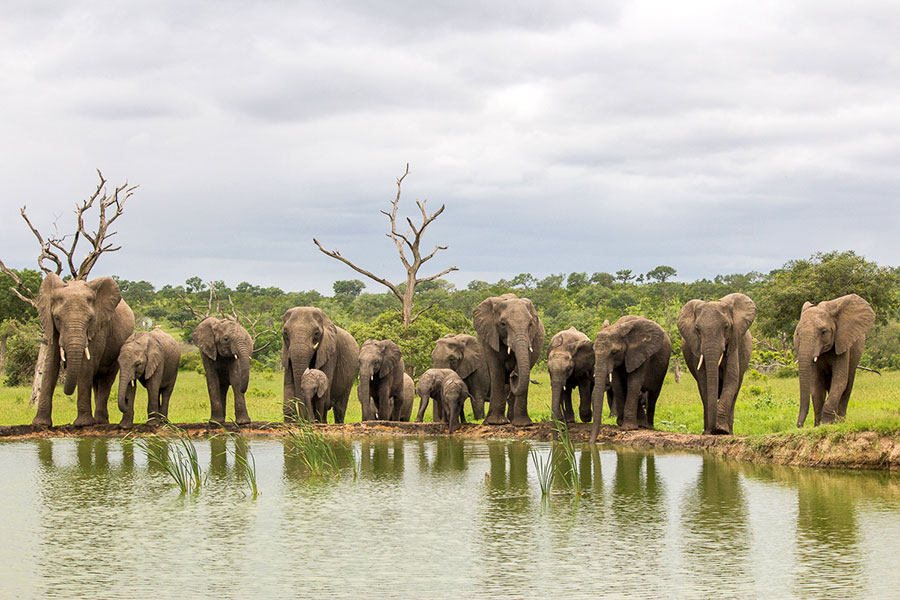 Safari Planning Guides
How to Plan a Safari for Repeat Visitors to Africa
Learn about how to plan a safari for repeat visitors to africa in this comprehensive safari guide covering key insights and practical advice.
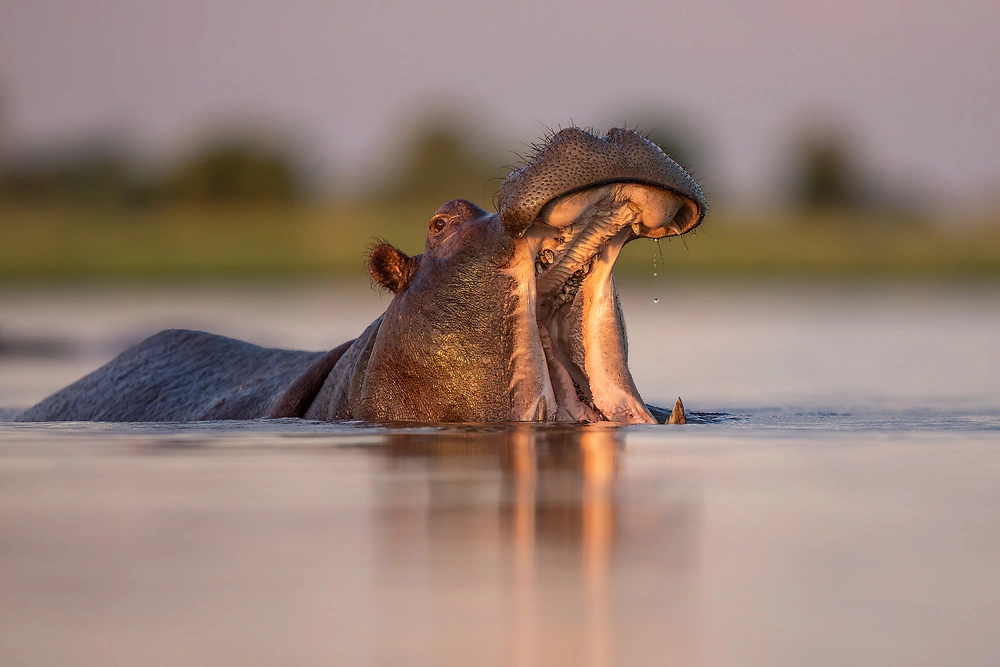 Season & Timing Guides
Best Time to Visit South Africa for Safari
Expert guide on best time to visit south africa for safari with month-by-month conditions, pricing, and planning recommendations for safari travelers.
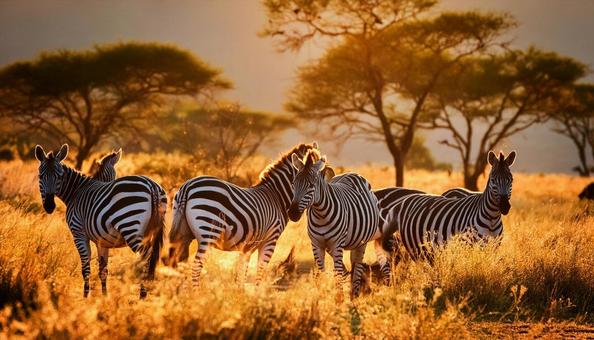 Safari Planning
How to Plan Your First African Safari
Learn how to plan your first African safari with expert tips on destinations, timing, costs, and choosing the right operator.
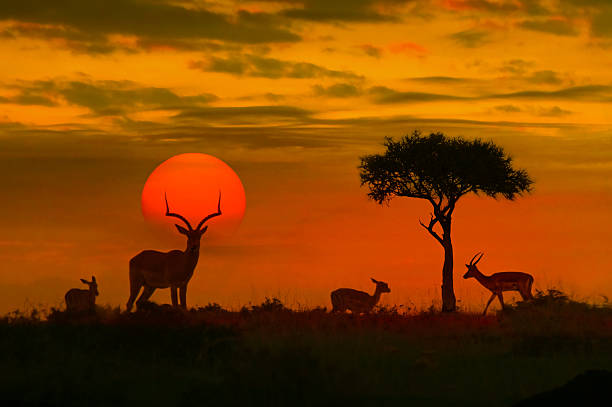 Safari Planning Guides
Safari Planning Guide for First-Time Travelers
Discover how to plan your dream safari with our expert guide on Safari Planning Guide for First-Time Travelers. Get tips on destinations, costs, and more.
 Safari Planning Guides
How to Plan a 10-Day Safari Across East Africa
Discover how to plan your dream safari with our expert guide on How to Plan a 10-Day Safari Across East Africa. Get tips on destinations, costs, and more.
 Safari Safety
Safari Safety Tips for First-Time Visitors
Planning your first African safari? Our expert guide provides essential safari safety tips for a worry-free adventure, from wildlife encounters to health advice.