
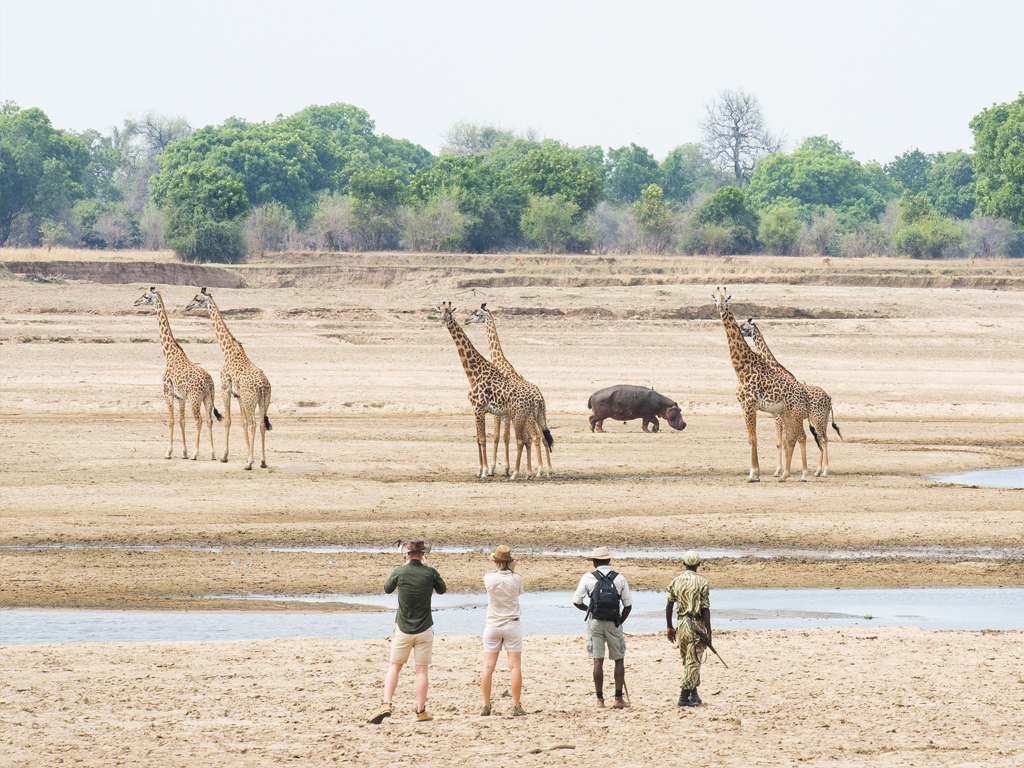
Learn all about Complete Guide to Wildebeest Migration Biology in this comprehensive guide. Discover the best time to go, what to see, and how to plan your trip.
Introduction to Complete Guide to Wildebeest Migration Biology
Exploring complete guide to wildebeest migration biology reveals the depth and complexity of African safari travel. Whether you're drawn to the vast savannas of East Africa or the lush waterways of Southern Africa, this knowledge will serve you well throughout your journey.
Key Details and Considerations
Several critical factors influence complete guide to wildebeest migration biology in the African safari context. Geographic location, time of year, and the specific activities you're interested in all play important roles. The diversity of Africa's safari destinations means that no two experiences are alike, and understanding these nuances helps you plan more effectively. Our destination guides provide detailed information for each region.
Still researching? Let us help.
Our advisory team has planned safaris across 9 African countries. We can turn your research into a real plan.
Talk to an AdvisorPractical Advice
Putting your knowledge of complete guide to wildebeest migration biology into practice requires a systematic approach. Begin by defining your priorities and non-negotiables, then research destinations and operators that align with your vision. Our operator directory features thousands of safari companies across 17 African countries. Compare options carefully, read reviews, and don't hesitate to ask detailed questions before committing to a booking.
Expert Insights
Industry experts emphasize that complete guide to wildebeest migration biology continues to evolve as safari tourism grows and adapts to new challenges. Conservation-focused tourism, community engagement, and sustainable practices are increasingly important considerations for discerning travelers. By choosing operators who prioritize these values, you contribute to the long-term preservation of Africa's wild places. Browse our operator directory to find companies committed to responsible tourism.
Planning Your Next Steps
In summary, complete guide to wildebeest migration biology is a multifaceted topic that rewards careful study and thoughtful planning. Whether you're a first-time safari traveler or a returning enthusiast, staying informed about the latest developments and best practices ensures the best possible experience. Explore our destinations, consult our safari operators, and use our cost calculator to begin planning your African adventure today.
Done Reading? Let's Build Your Safari.
Skip the guesswork. Work with an advisor who has been on the ground across East and Southern Africa.
Plan With UsThe Great Migration: A Deeper Dive into the Driving Forces
The Great Wildebeest Migration is not a random, chaotic event but a continuous, circular journey driven by a complex interplay of environmental cues and innate biological programming. The primary driver is the search for fresh grazing and water. The wildebeest, along with zebras and other herbivores, follow the rains across the Serengeti-Mara ecosystem. As the grasses are depleted in one area, the herds are compelled to move on to the next, where recent rains have stimulated new growth. This relentless pursuit of greener pastures is the engine of the migration.
The quality of the grass is as important as its availability. Wildebeest are selective grazers, preferring the short, sweet grasses that are rich in nutrients like phosphorus and nitrogen, which are essential for lactation and growth. The volcanic soils of the southern Serengeti plains produce particularly nutritious grasses, which is why this area is the preferred calving ground for the wildebeest.
> Expert Insight: The migration is not a single, massive herd moving in unison. It is a dynamic and fluid movement of smaller groups that merge and split, creating a constantly changing spectacle. To truly appreciate the scale of the migration, consider a hot air balloon safari at sunrise. The view from above, with thousands of wildebeest stretching to the horizon, is an unforgettable experience. Explore our destinations to find the best safari lodges for this.
The Role of Predators in the Migration
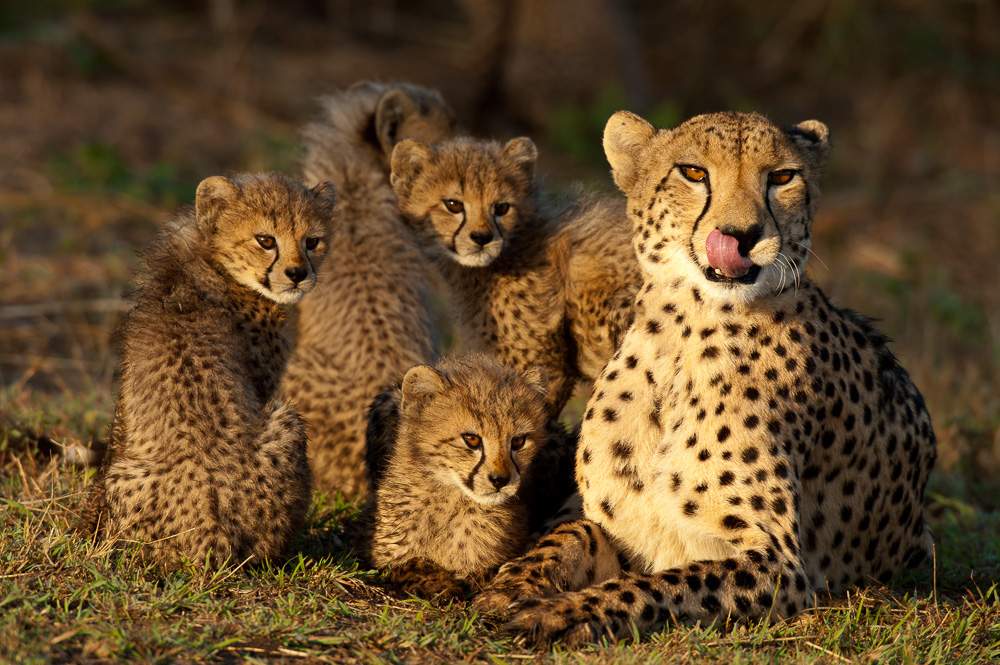
The Great Migration is a time of feasting for the predators of the Serengeti and Masai Mara. Lions, hyenas, cheetahs, leopards, and crocodiles all take advantage of this mobile feast. The sheer number of wildebeest may seem like an easy target, but the predators must be strategic and opportunistic to succeed. Lions, for example, often use teamwork to ambush wildebeest at river crossings or in dense woodlands. Hyenas, with their incredible stamina, will pursue their prey over long distances, while cheetahs rely on their explosive speed for short, intense chases.
The presence of so many predators creates a constant state of tension and drama. Witnessing a hunt is a raw and powerful experience that highlights the brutal reality of life and death on the African plains. It is a reminder that the migration is not just a journey for the wildebeest but a critical event that sustains the entire ecosystem.
> Traveler's Tip: To maximize your chances of seeing predator action, spend time near the edges of the herds, where vulnerable individuals are more likely to be targeted. A good guide will know how to position the vehicle for the best viewing opportunities without disturbing the animals. Our safari operators can connect you with experienced guides who specialize in predator sightings.
The Calving Season: A Time of Peril and Plenty
From late January to March, the southern Serengeti plains transform into a massive nursery. Over a three-week period, an estimated 500,000 wildebeest calves are born. This synchronized birthing is a survival strategy. By overwhelming the predators with a sudden abundance of prey, the wildebeest increase the chances that their own calves will survive. The calves are born with the ability to stand and run within minutes, a crucial adaptation for life on the open plains.
The calving season is a time of incredible renewal and life, but it is also a time of great danger. The young calves are extremely vulnerable, and predators are quick to take advantage of any opportunity. The sight of a newborn wildebeest taking its first wobbly steps, surrounded by the protective circle of the herd, is a truly moving experience. It is a powerful testament to the resilience of life in the face of adversity.
River Crossings: Drama and Survival
The river crossings are the most dramatic and sought-after events of the Great Migration. As the herds move north in search of fresh grazing, they must cross the Grumeti and Mara Rivers. These crossings are fraught with peril. The steep, slippery banks, the powerful currents, and the presence of giant Nile crocodiles make every crossing a life-or-death struggle. The wildebeest gather in huge numbers on the banks, their tension and anxiety palpable. The pressure builds until one brave individual takes the plunge, triggering a stampede of thousands.
The chaos and confusion of a river crossing are a sight to behold. The air is filled with the sounds of bellowing wildebeest, the splashing of water, and the frantic struggles of those who are swept away by the current or fall prey to the waiting crocodiles. It is a brutal and unforgiving spectacle, but it is also a powerful reminder of the indomitable spirit of the wildebeest.
> Expert Insight: Predicting a river crossing is impossible, but there are ways to increase your chances of witnessing one. The key is patience. Spend as much time as possible near the major crossing points, and be prepared to wait for hours, or even days. The reward for your patience will be one of the most unforgettable wildlife experiences on the planet. Use our cost calculator to plan a safari that gives you ample time to witness this incredible event.
Conservation and Threats to the Migration
The Great Wildebeest Migration is one of the last great wildlife spectacles on Earth, but it is not without its threats. Poaching, habitat loss, and climate change all pose a significant risk to the future of the migration. The construction of roads and fences can block the ancient migration routes, while the increasing demand for land for agriculture and settlement is shrinking the available grazing areas. Climate change is also a major concern, as it can disrupt the delicate balance of rainfall and grass growth that the migration depends on.
Fortunately, there are many organizations and individuals working to protect the migration. The governments of Tanzania and Kenya have established national parks and reserves to protect the core areas of the ecosystem. Conservation groups are working to combat poaching, reduce human-wildlife conflict, and promote sustainable land use practices. As a traveler, you can also play a role in protecting the migration. By choosing a responsible safari operator and supporting local conservation initiatives, you can help to ensure that this natural wonder will continue to inspire and amaze for generations to come. Plan your safari with us to support these efforts.
Need Expert Safari Guidance?
Get expert advisory support from a firm founded by a former safari guide — with real operational knowledge across 9 African countries and full-journey accountability.
Related Planning Guides
Explore Related Topics
Recommended Reading
 Wildlife Guides
Complete Guide to Zebra Migration Patterns
Learn all about Complete Guide to Zebra Migration Patterns in this comprehensive guide. Discover the best time to go, what to see, and how to plan your trip.
 Wildlife Guides
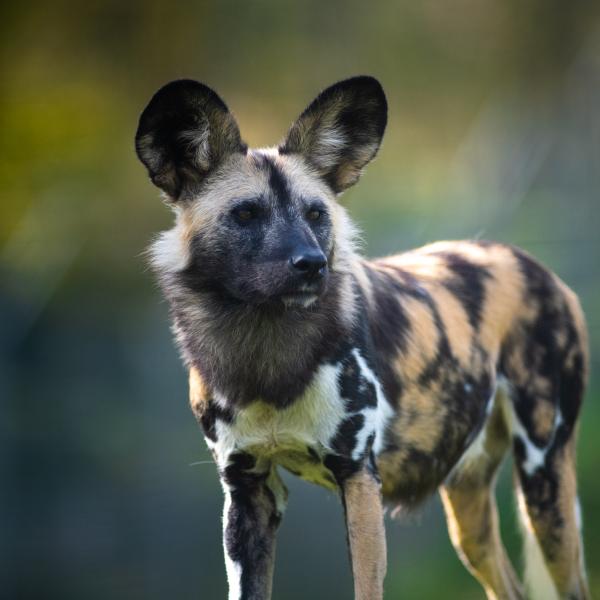
Complete Guide to African Wild Dog Pack Dynamics
Learn all about Complete Guide to African Wild Dog Pack Dynamics in this comprehensive guide. Discover the best time to go, what to see, and how to plan your trip.
 Wildlife Guides
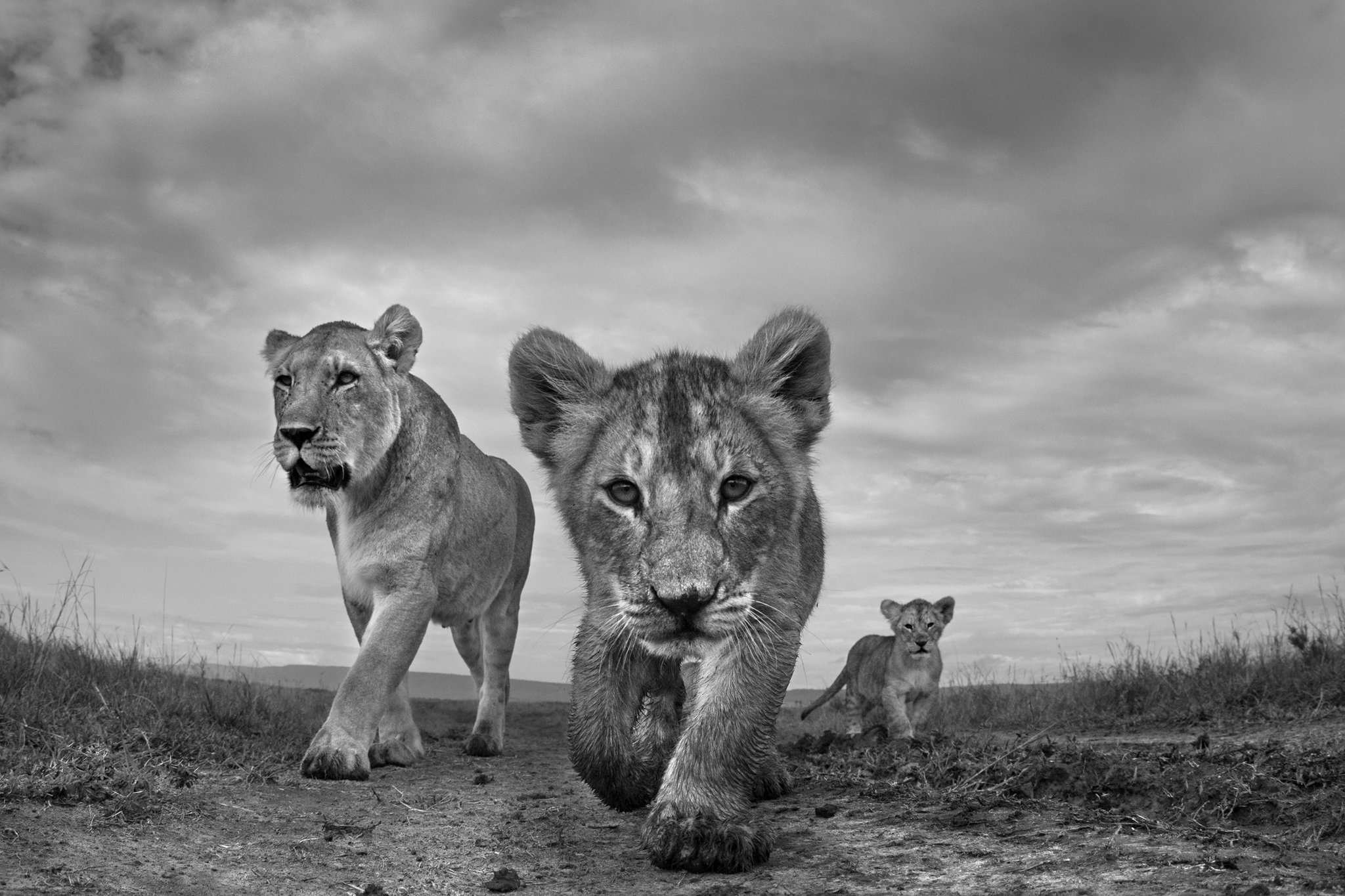
Complete Guide to African Lion Behavior
Delve into the complex social structure, hunting techniques, and communication methods of the African lion. Understand the king of the savanna with this in-depth guide.
 Additional Safari Topics
Great Migration Guide
Planning a Great Migration safari? Our expert guide covers the annual cycle, top destinations, and essential tips for witnessing this incredible wildlife spectacle.
 Additional Safari Topics
Serengeti Migration Map Guide
Planning a Serengeti safari? Our guide to the Great Migration map helps you understand the herds\
 Safari Planning Guides
How to Plan a Safari for the Wildebeest Migration
Learn about how to plan a safari for the wildebeest migration in this comprehensive safari guide covering key insights and practical advice.