
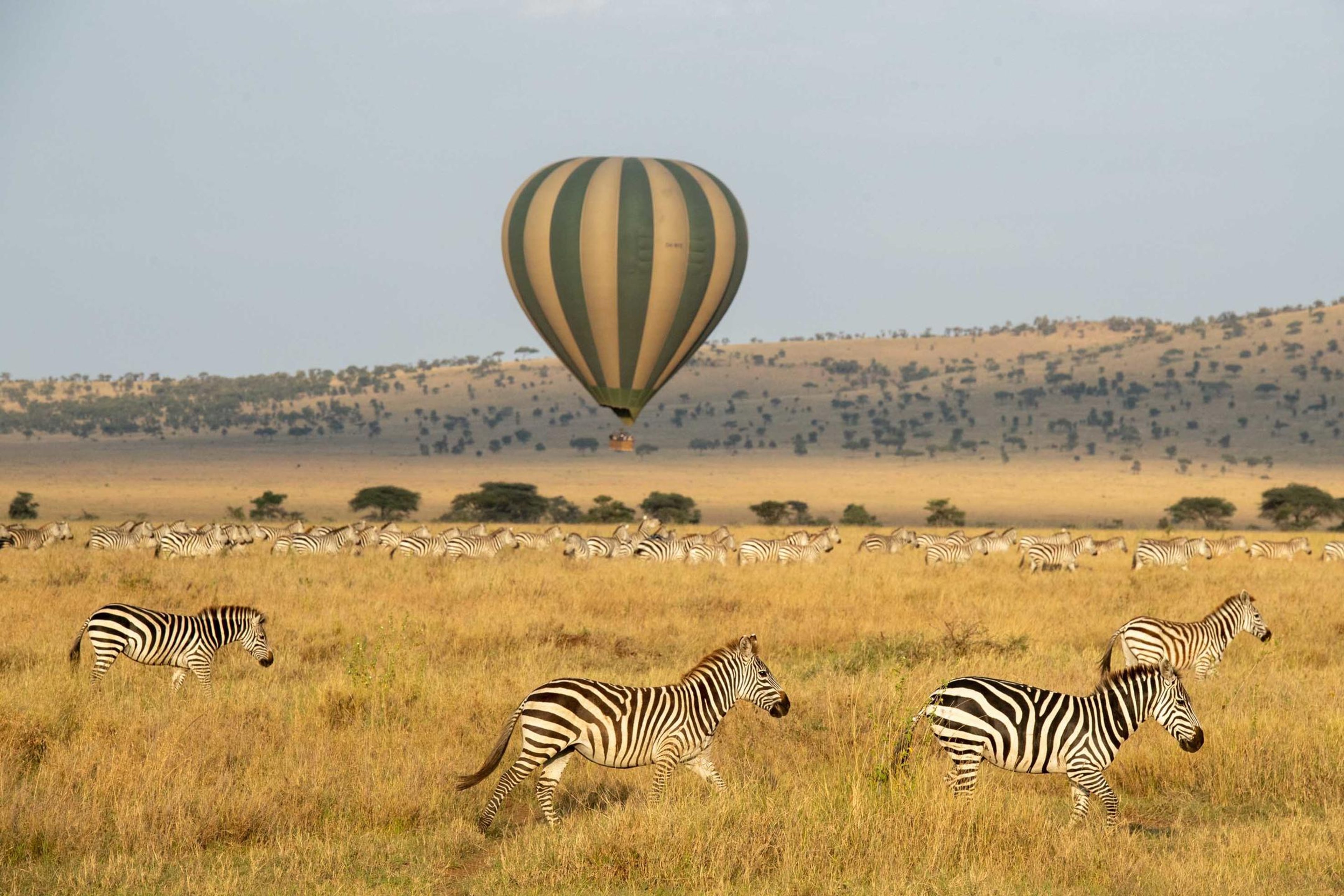
Your complete guide to Best Safari Destinations for Wild Dog Viewing. Find the best destinations, planning tips, and more for your next safari adventure.
Best Safari Destinations for Wild Dog Viewing
Every safari destination in Africa has its own character, and best safari destinations for wild dog viewing varies accordingly. This guide helps you understand the nuances so you can make informed decisions for your specific itinerary.
Understanding the Fundamentals
The foundation of best safari destinations for wild dog viewing begins with understanding the basic principles. Safari environments across Africa present unique conditions that differ significantly from what most travelers are accustomed to. In East Africa, the vast savannas of Kenya and Tanzania create one set of considerations, while the dense forests of Uganda and Rwanda present entirely different challenges. Southern African destinations like Botswana and South Africa add yet another dimension.
Experienced safari operators emphasize that preparation is the single most important factor in best safari destinations for wild dog viewing. This means doing your research well in advance, consulting with knowledgeable advisors, and being willing to adapt your plans based on current conditions. The best safari experiences come from travelers who approach their journey with both enthusiasm and informed flexibility.
Still researching? Let us help.
Our advisory team has planned safaris across 9 African countries. We can turn your research into a real plan.
Talk to an AdvisorSeasonal Factors and Timing: Best Safari Destinations for Wild Dog Viewing
Weather patterns across Africa are becoming less predictable due to climate change, which adds another layer of consideration to best safari destinations for wild dog viewing. Working with operators who have current, on-the-ground knowledge of conditions is more important than ever.
The timing of your safari significantly impacts best safari destinations for wild dog viewing. Dry season months, typically June through October in most East African destinations, offer different conditions than the green season months of November through May. Each period has distinct advantages and considerations.
Peak season brings excellent wildlife viewing but also higher prices and more crowded parks. Shoulder seasons offer a balance of good conditions and fewer crowds. Understanding how seasonal factors affect best safari destinations for wild dog viewing helps you choose the optimal time for your specific priorities.
Regional Considerations Across Africa: Best Safari Destinations for Wild Dog Viewing
East African safaris, particularly in Kenya and Tanzania, have their own distinct approach to best safari destinations for wild dog viewing. The Serengeti-Mara ecosystem, which hosts the Great Migration, requires specific planning considerations that differ from destinations like Amboseli or Ngorongoro. Understanding these regional differences is crucial for optimizing your experience.
Central and West African destinations, including Uganda, Rwanda, and the Congo, offer specialized experiences like gorilla trekking that bring their own set of requirements. These destinations often involve more challenging terrain and different logistical considerations compared to the classic savanna safari.
Southern Africa presents a different landscape for best safari destinations for wild dog viewing. Countries like Botswana, South Africa, Namibia, and Zimbabwe each have established infrastructure and practices that reflect their unique environments. The Okavango Delta, for instance, requires water-based considerations that land-based safaris in Kruger National Park do not.
Common Mistakes to Avoid
Another common error is relying solely on online reviews without consulting experienced professionals. While traveler reviews provide valuable perspectives, they often lack the context and expertise that a qualified safari planning guide can offer. The best approach combines both sources of information.
Underestimating the importance of best safari destinations for wild dog viewing is perhaps the biggest mistake of all. Travelers who give this aspect of their safari proper attention consistently report more satisfying experiences than those who treat it as an afterthought.
Done Reading? Let's Build Your Safari.
Skip the guesswork. Work with an advisor who has been on the ground across East and Southern Africa.
Plan With UsTop Destinations for Wild Dog Encounters
While African wild dogs (Lycaon pictus) are endangered and notoriously difficult to find, several key destinations offer significantly higher chances of a sighting. These locations are characterized by vast, protected landscapes and dedicated conservation efforts.
Botswana stands out as a premier destination, particularly the Okavango Delta and Moremi Game Reserve. The mosaic of floodplains, woodlands, and islands provides an ideal habitat for large, thriving packs. The open terrain often allows for extended viewing opportunities as the dogs hunt. Similarly, the Linyanti and Kwando concessions in northern Botswana are renowned for their healthy wild dog populations, with frequent denning activity between June and August.
In Zimbabwe, Mana Pools National Park offers a unique and intimate wild dog experience. The packs here are famous for their bold hunting strategies along the Zambezi River floodplain, often in full view of safari vehicles. This area provides unparalleled opportunities for photographers and wildlife enthusiasts to observe their complex social dynamics up close. Hwange National Park is another key stronghold for the species in Zimbabwe.
A Case Study: The Selous Game Reserve (Nyerere National Park)
For those seeking a truly wild and off-the-beaten-path experience, Tanzania's Nyerere National Park (formerly Selous Game Reserve) is a critical sanctuary for one of Africa's largest wild dog populations. The sheer scale of this wilderness area—one of the largest in the world—allows the dogs to roam across immense territories with minimal human interference.
Researchers in the Selous have tracked packs for decades, revealing fascinating insights into their behavior in a vast, unfenced ecosystem. A sighting here feels particularly rewarding due to the remote and rugged nature of the environment. Safari operations in the Selous often focus on tracking, and guides possess deep knowledge of the local packs' movements and denning sites, increasing the probability of a successful and meaningful encounter.
Related Resources
For more information on planning your safari, explore our destination guides, browse the safari operator directory, or connect with an experienced safari planning guide for personalized guidance.
Understanding Wild Dog Behavior: A Key to Better Sightings
To truly appreciate a wild dog sighting, it helps to understand their complex social dynamics and hunting behavior. African wild dogs, also known as painted dogs or painted wolves, are highly social animals that live in packs, typically led by an alpha male and female. Unlike many other predators, the pack is incredibly cooperative, working together to raise pups and hunt for food.
Their hunting strategy is a marvel of teamwork and endurance. Wild dogs are cursorial hunters, meaning they pursue their prey over long distances. They can maintain speeds of up to 40 mph (64 km/h) for several miles. This cooperative hunting technique results in a remarkably high success rate, making them one of Africa's most effective predators. Observing a hunt is a rare and thrilling experience, showcasing their intelligence and coordination.
> Expert Insight: When you encounter a pack, pay attention to their interactions. You might witness greeting rituals, where pack members chirp and whine, or pre-hunt rallies that build excitement and cohesion. Understanding these behaviors can transform your viewing from a simple sighting into a deeper appreciation of their social complexity.
The Best Time of Year for Wild Dog Viewing
Timing your safari can significantly increase your chances of seeing wild dogs, especially during their denning season. This period, typically from June to August, is when the pack is most sedentary.
During the denning season, the alpha female gives birth to a litter of pups in a den, often a repurposed aardvark burrow. The pack remains close to the den to protect and feed the pups, making their location more predictable. Safari guides often have a good idea of where denning sites are, offering a unique opportunity to see the pups as they begin to explore their surroundings. This is a fantastic time for photographers and anyone interested in observing pack dynamics up close.
Outside of the denning season, the dry months from July to October are also excellent for wild dog viewing. The sparser vegetation makes them easier to spot, and like other predators, they are drawn to waterholes, concentrating wildlife in predictable areas. While they are more nomadic during this time, the open terrain in destinations like Botswana's Okavango Delta and Zimbabwe's Mana Pools National Park works in your favor.
> Traveler's Tip: If your primary goal is to see wild dog pups, plan your safari for the denning season and communicate this to your safari planning guide. They can recommend specific camps and locations known for reliable denning sites. Booking well in advance is crucial as this is a popular time for wildlife enthusiasts.
Conservation and the Future of the Painted Wolf
The African wild dog is one of the continent's most endangered carnivores. Their populations have declined dramatically due to habitat fragmentation, human-wildlife conflict, and susceptibility to diseases like canine distemper and rabies, often contracted from domestic dogs.
Fortunately, dedicated conservation organizations are working tirelessly to protect the remaining populations. These efforts include anti-poaching patrols, community outreach and education programs to mitigate human-wildlife conflict, and vaccination campaigns. When you travel to see wild dogs, you are directly contributing to these conservation initiatives. The revenue generated from responsible safari tourism provides critical funding for protecting habitats and supporting local communities, creating a sustainable future for both people and wildlife.
By choosing to plan your safari with operators who prioritize conservation, you become an active participant in the survival of this incredible species. For more in-depth information, our knowledge center offers further reading on conservation success stories across Africa.
Need Expert Safari Guidance?
Get expert advisory support from a firm founded by a former safari guide — with real operational knowledge across 9 African countries and full-journey accountability.
Related Planning Guides
Recommended Reading
 Destination Guides
Best Safari Destinations for Primate Viewing
Discover everything you need to know about Best Safari Destinations for Primate Viewing. From wildlife and landscapes to lodges and activities, this guide cover
 Destination Guides
Best Safari Destinations for Big Cat Viewing
Your complete guide to Best Safari Destinations for Big Cat Viewing. Find the best destinations, planning tips, and more for your next safari adventure.
 Destination Guides
Best Safari Destinations for Elephant Viewing
Your complete guide to Best Safari Destinations for Elephant Viewing. Find the best destinations, planning tips, and more for your next safari adventure.
 Luxury Safaris
Best Luxury Safari Destinations
Discover the best luxury safari destinations in Africa. Our expert guide covers the top lodges, exclusive experiences, and essential planning tips for your ultimate safari adventure.
 Family Safaris
Best Safari Destinations for Families
Planning a family safari? Discover the best safari destinations for families, from malaria-free reserves in South Africa to the iconic plains of the Serengeti.
 Safari Planning Guides
How to Plan a Safari for Night Wildlife Viewing
Learn about how to plan a safari for night wildlife viewing in this comprehensive safari guide covering key insights and practical advice.