
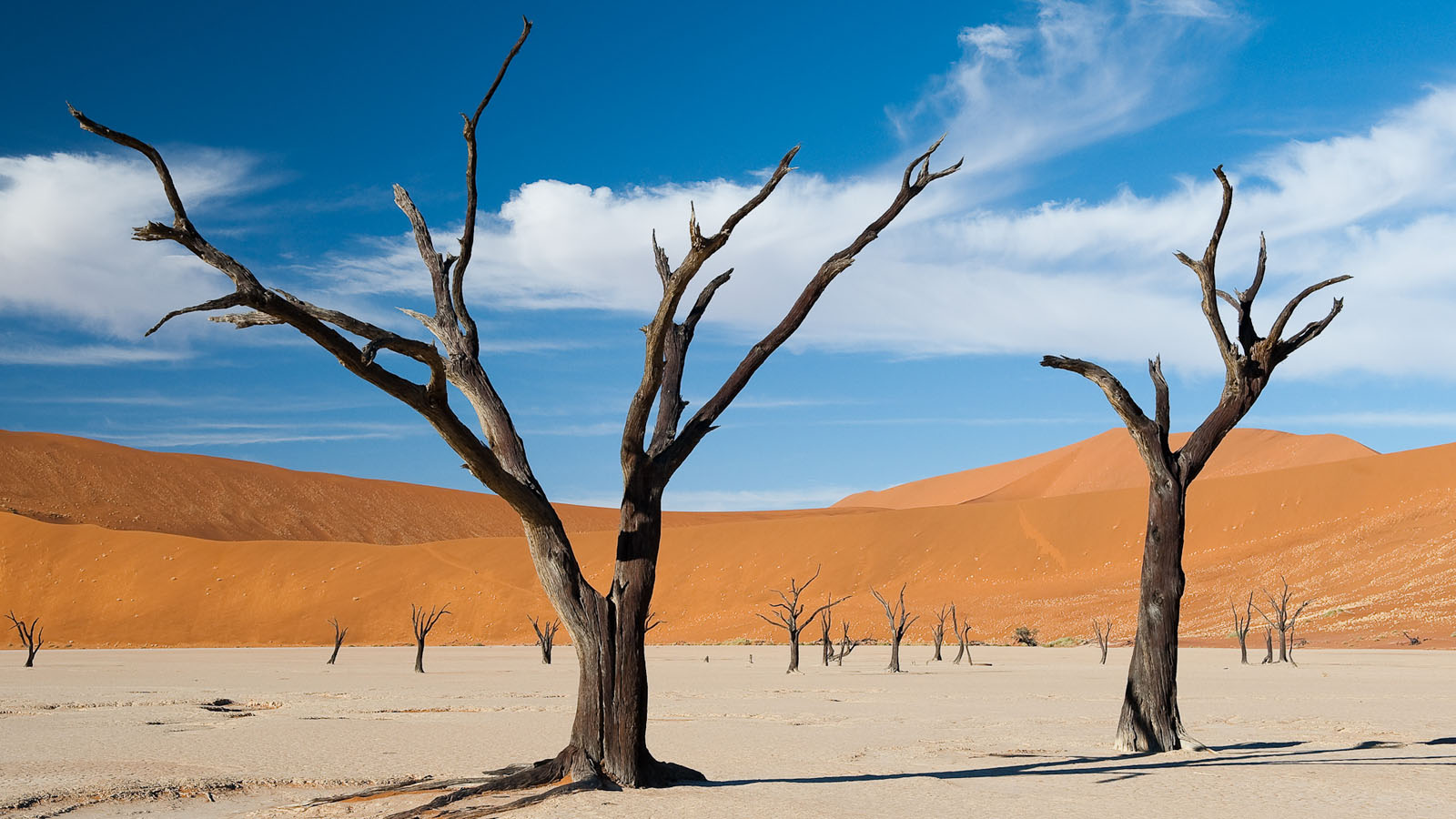
Learn about how to plan a safari for predator-prey interactions in this comprehensive safari guide covering key insights and practical advice.
Overview
Planning a safari involves many moving parts, and how to plan a safari for predator-prey interactions is one of the most important considerations. Whether you're a first-time visitor or a seasoned Africa traveler, this guide provides the practical knowledge you need to make informed decisions and create an unforgettable experience.
What You Need to Know
A deeper look at how to plan a safari for predator-prey interactions reveals important connections to other aspects of safari planning. Your choice of destination, timing, accommodation, and activities all influence each other, creating a web of decisions that benefit from expert guidance. Our knowledge center covers these interconnected topics comprehensively.
Still researching? Let us help.
Our advisory team has planned safaris across 9 African countries. We can turn your research into a real plan.
Talk to an AdvisorPractical Considerations
Implementing your understanding of how to plan a safari for predator-prey interactions means taking concrete steps during the planning process. Research thoroughly using reliable sources, compare multiple options, and don't rush your decisions. The best safari experiences are built on careful preparation and realistic expectations. Our team of safari operators can review your plans and offer suggestions based on decades of combined experience in African travel.
Expert Perspective
Experienced safari guides and travel professionals consistently highlight the importance of how to plan a safari for predator-prey interactions when advising clients. The consensus among industry experts is that informed travelers have better experiences, make more sustainable choices, and return home with deeper appreciation for Africa's wildlife and cultures. Our safari operators embody this philosophy, providing personalized guidance that goes beyond generic travel advice.
Next Steps
As you continue planning your African safari, keep how to plan a safari for predator-prey interactions in mind as an important piece of the puzzle. The more you understand about the various aspects of safari travel, the better positioned you'll be to create an experience that exceeds your expectations. Explore our destinations, browse the knowledge center, and connect with our safari operators to take the next step in your journey.
Done Reading? Let's Build Your Safari.
Skip the guesswork. Work with an advisor who has been on the ground across East and Southern Africa.
Plan With UsChoosing Your Arena: Top Parks for Predator Action
Not all safari destinations are created equal when it comes to predator density and visibility. To maximize your chances of witnessing a dramatic hunt, you need to choose parks and reserves known for their healthy predator populations and open landscapes that make spotting action easier. While luck is always a factor, strategic location selection tilts the odds significantly in your favor.
| Park/Reserve | Country | Key Predators | Why It's Great for Interactions | | :--- | :--- | :--- | :--- | | Serengeti National Park | Tanzania | Lions, Cheetahs, Leopards, Hyenas | The vast, open plains offer unobstructed views, especially during the Great Migration when millions of wildebeest and zebra provide a constant, mobile feast. The calving season (January-February) in the southern Serengeti is a particularly intense time, with vulnerable young attracting opportunistic predators. | | Maasai Mara National Reserve | Kenya | Lions, Cheetahs, Leopards | Adjacent to the Serengeti, it hosts the migration from roughly July to October. The Mara River crossings are legendary for dramatic crocodile and lion hunts. The Marsh Pride of lions, famous from BBC's "Big Cat Diary," roams these lands. | | Sabi Sand Game Reserve | South Africa | Leopards, Lions, Wild Dogs | Bordering Kruger National Park, this collection of private reserves is arguably the best place in the world for leopard sightings. The leopards here are remarkably habituated to vehicles, allowing for intimate, close-range viewing of their daily lives, including stalking and hunting. | | Okavango Delta | Botswana | Wild Dogs, Lions, Leopards | The unique water-based ecosystem concentrates prey on islands during the annual flood season (approx. June-August). This creates predictable hunting grounds for predators, especially African wild dogs, who use the water channels to their advantage to trap prey. | | South Luangwa National Park | Zambia | Leopards, Lions, Wild Dogs | Famous for its incredible density of leopards and as the birthplace of the walking safari. Witnessing the landscape from foot provides a visceral understanding of how both predator and prey navigate their environment. The dry season (May-October) concentrates animals along the Luangwa River, increasing interaction frequency. |
Timing is Everything: Seasonal Strategies for Witnessing the Hunt
Planning your safari around seasonal animal movements is critical. The availability of prey dictates where predators will be and how actively they hunt.
The Dry Season: In most safari destinations (e.g., Zambia, Zimbabwe, Botswana, and Tanzania's southern parks), the dry season (roughly June to October) is prime time. Water sources become scarce, forcing animals to congregate around remaining rivers and waterholes. This concentration creates a target-rich environment for predators. The vegetation is also thinner, making it easier to spot wildlife from a distance. The downside is that this is often the most popular and expensive time to travel.
The Great Migration: For sheer numbers, nothing beats the Great Migration in Tanzania and Kenya. The most famous events are the river crossings, but the entire cycle is a moving buffet. Following the herds means you are placing yourself in the epicenter of the action where lions, hyenas, and cheetahs are most active.
> Traveler's Tip: Don't overlook the "green season" (wet season). While viewing can be more challenging due to thicker vegetation and dispersed wildlife, it's the birthing season for many species. The abundance of vulnerable young animals creates a different kind of predator-prey dynamic, and you'll enjoy lower prices and fewer crowds. Consult with our safari operators to see if this season fits your goals.
The Guide's Role: Your Key to Unlocking Predator Sightings
You can be in the best park at the best time, but a knowledgeable guide is the single most important factor in finding and interpreting predator behavior. An expert guide understands:
- Territories: They know the ranges of specific lion prides or the favorite haunts of a resident leopard.
- Behavioral Cues: They can interpret an impala's alarm call, the nervous circling of vultures, or the fresh tracks in the sand. These are the subtle signs that often lead to a sighting.
- Patience and Positioning: A great guide knows when to wait patiently and how to position the vehicle for the best viewing and photographic angles without disturbing the animals. They anticipate where the action might unfold.
When choosing an operator, always inquire about the quality and experience of their guides. It's an investment that pays for itself tenfold. Our plan your safari process emphasizes the importance of guide selection for this very reason.
Need Expert Safari Guidance?
Get expert advisory support from a firm founded by a former safari guide — with real operational knowledge across 9 African countries and full-journey accountability.
Related Planning Guides
Recommended Reading
 Safari Planning Guides
Safari Planning Guide for First-Time Travelers
Discover how to plan your dream safari with our expert guide on Safari Planning Guide for First-Time Travelers. Get tips on destinations, costs, and more.
 Safari Planning Guides
Safari Planning Guide for Returning Travelers
Discover how to plan your dream safari with our expert guide on Safari Planning Guide for Returning Travelers. Get tips on destinations, costs, and more.
 Safari Planning Guides
Safari Planning Guide for Luxury Travelers
Discover how to plan your dream safari with our expert guide on Safari Planning Guide for Luxury Travelers. Get tips on destinations, costs, and more.
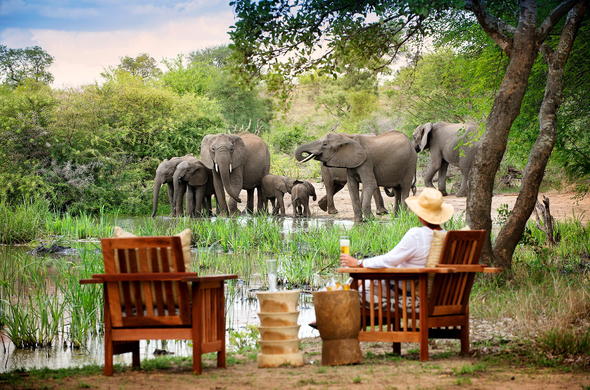 Safari Planning
Step-by-Step Guide to Planning an African Safari
Learn how to plan your first African safari with our step-by-step guide. We cover everything from choosing a destination to booking your trip and packing.
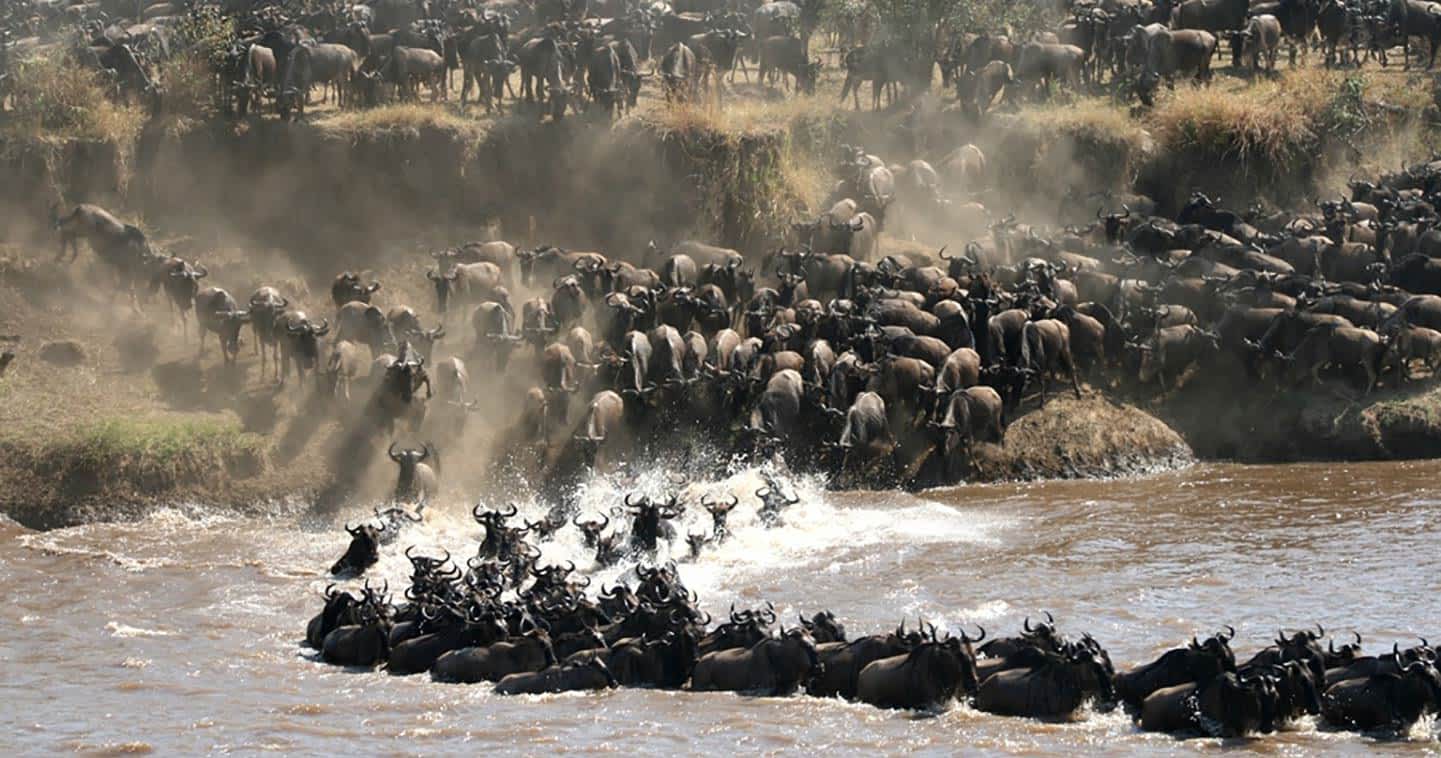 Season & Timing Guides
Best Time to See Predator Hunting on Safari
Expert guide on best time to see predator hunting on safari with month-by-month conditions, pricing, and planning recommendations for safari travelers.
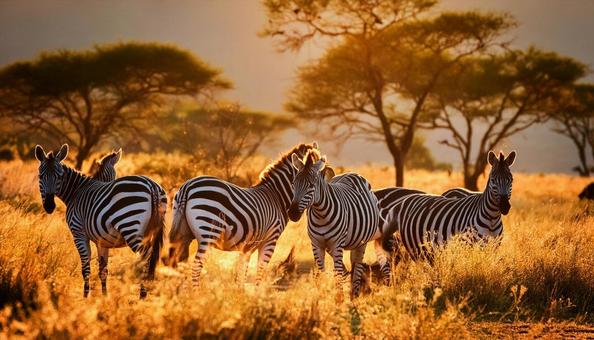 Safari Planning
How to Plan Your First African Safari
Learn how to plan your first African safari with expert tips on destinations, timing, costs, and choosing the right operator.