
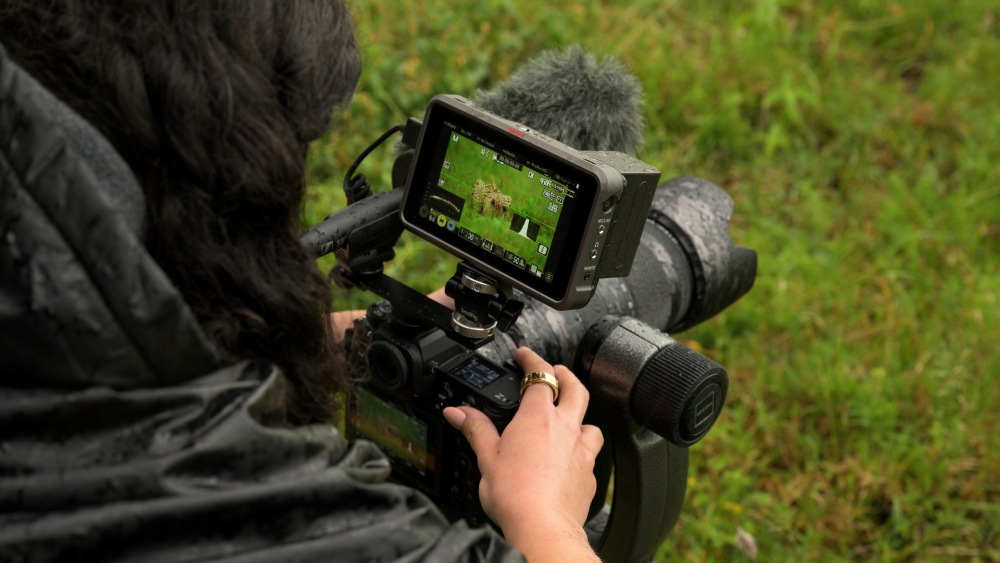
Learn about how to plan a safari for star gazing in this comprehensive safari guide covering key insights and practical advice.
Overview
Planning a safari involves many moving parts, and how to plan a safari for star gazing is one of the most important considerations. Whether you're a first-time visitor or a seasoned Africa traveler, this guide provides the practical knowledge you need to make informed decisions and create an unforgettable experience.
What You Need to Know
A deeper look at how to plan a safari for star gazing reveals important connections to other aspects of safari planning. Your choice of destination, timing, accommodation, and activities all influence each other, creating a web of decisions that benefit from expert guidance. Our knowledge center covers these interconnected topics comprehensively.
Still researching? Let us help.
Our advisory team has planned safaris across 9 African countries. We can turn your research into a real plan.
Talk to an AdvisorPractical Considerations
From a practical standpoint, how to plan a safari for star gazing requires attention to both the big picture and the small details. Start by establishing your priorities: what matters most to you on safari? Is it the wildlife, the landscape, the cultural experience, or the level of comfort? Once you've clarified your goals, use our cost calculator to understand the financial implications and our operator directory to find companies that specialize in your preferred type of experience.
Expert Perspective
Experienced safari guides and travel professionals consistently highlight the importance of how to plan a safari for star gazing when advising clients. The consensus among industry experts is that informed travelers have better experiences, make more sustainable choices, and return home with deeper appreciation for Africa's wildlife and cultures. Our safari operators embody this philosophy, providing personalized guidance that goes beyond generic travel advice.
Next Steps
Whether you're in the early stages of dreaming about an African safari or actively finalizing your plans, understanding how to plan a safari for star gazing contributes to a more rewarding experience. Use the resources available on Safari Intelligence, including our cost calculator, operator directory, and destination library, to build confidence in your planning decisions.
Done Reading? Let's Build Your Safari.
Skip the guesswork. Work with an advisor who has been on the ground across East and Southern Africa.
Plan With UsWhy Africa is a Premier Stargazing Destination
Africa's vast, sparsely populated landscapes offer some of the darkest skies on the planet, making it an unparalleled destination for astronomical observation. Far from the light-polluted cities of the northern hemisphere, the continent's remote wilderness areas provide a breathtakingly clear window into the cosmos. The southern hemisphere sky reveals celestial wonders not visible from Europe or North America, including the Magellanic Clouds—two dwarf galaxies orbiting our own Milky Way—and the brilliant Southern Cross constellation. Combining the thrill of a classic wildlife safari with the profound experience of stargazing creates a truly unique and unforgettable journey.
Many safari lodges and camps are situated in private conservancies or national parks with strict regulations on artificial lighting, preserving the natural darkness of the night sky. This commitment to conservation, coupled with the dry, clear air of many safari destinations, results in optimal conditions for viewing stars, planets, and deep-sky objects. For those seeking a deeper connection with the natural world, a stargazing safari offers a chance to witness the universe in its purest form, just as our ancestors did for millennia.
Top Destinations for a Stargazing Safari
While excellent stargazing is possible in many of Africa's wild places, a few destinations stand out for their exceptionally dark skies and specialized astro-tourism offerings.
NamibRand Nature Reserve, Namibia
Officially recognized as an International Dark Sky Reserve, the NamibRand Nature Reserve in Namibia is arguably the best place in Africa for stargazing. The reserve's strict light discipline policies and the arid desert climate create near-perfect viewing conditions. Several luxury lodges within the reserve, such as Kwessi Dunes Lodge and &Beyond Sossusvlei Desert Lodge, have their own observatories and on-site astronomers to guide guests through the night sky. Here, the Milky Way stretches from horizon to horizon in a brilliant, star-studded arc that has to be seen to be believed.
Makgadikgadi Pans, Botswana
During the dry season, the vast, flat expanse of the Makgadikgadi Salt Pans in Botswana transforms into an otherworldly landscape with an immense, uninterrupted sky. The lack of vegetation and geographic features means there is nothing to obstruct your 360-degree view of the heavens. Camps like Jack's Camp and San Camp offer unique experiences such as sleeping out on the pans under a blanket of stars, providing an immersive and deeply moving connection to the cosmos. The sheer scale of the pans and the silence of the desert night make for a profound stargazing experience.
The Serengeti, Tanzania
The Serengeti's wide-open plains are not only famous for the Great Migration but also for their spectacular night skies. Away from the main tourist hubs, remote camps in the northern or western Serengeti offer incredible stargazing opportunities. The dry season, from June to October, provides the clearest skies. Imagine listening to the distant roar of a lion while identifying constellations and planets—a truly magical safari experience. For a more exclusive adventure, consider a mobile camping safari, which allows you to get even further away from any potential light sources.
> Expert Insight: When choosing a lodge for stargazing, inquire about their specific astronomy programs. Do they have a resident expert? Is a telescope available for guest use? Lodges that actively promote their stargazing activities are more likely to provide a high-quality experience and have guides trained in basic astronomy.
Timing Your Stargazing Safari
To maximize your stargazing experience, timing is crucial. The best time for a stargazing safari is during the dry season, which varies by destination but generally offers the most cloud-free nights. For East Africa, this is typically from June to October and January to February. In Southern Africa, the dry winter months from May to September are ideal.
Equally important is the phase of the moon. For the darkest skies and the best views of faint objects like nebulae and distant galaxies, plan your trip around the new moon. The week before and the week after the new moon offer the darkest conditions. A full moon, while beautiful in its own right, can be so bright that it washes out all but the brightest stars, acting as a form of natural light pollution. Our safari operators can help you coordinate your travel dates with the lunar calendar to ensure optimal viewing conditions.
Essential Equipment for the Amateur Astronomer
While many lodges provide telescopes, bringing a few key items can enhance your personal stargazing experience.
- Binoculars: A good pair of binoculars (10x50 is a great choice) is perhaps the most useful tool for a safari stargazer. They are perfect for scanning the Milky Way, spotting star clusters, and getting a closer look at the moon's craters. They are also, of course, invaluable for wildlife viewing during the day.
- Star Chart App: A smartphone app like Star Walk 2, SkyView, or Stellarium is an indispensable guide to the night sky. These apps use your phone's GPS and compass to identify stars, constellations, and planets in real-time. Download the app and the celestial data for your destination before you travel, as internet access in the bush can be unreliable.
- Red-Light Headlamp: To preserve your night vision, it is essential to use a headlamp with a red-light setting. White light from a standard flashlight or phone screen will cause your pupils to contract, making it difficult to see faint stars for up to 30 minutes afterward.
> Traveler's Tip: Before your trip, practice using your star chart app in your backyard to familiarize yourself with its features. This will make it much easier to navigate the southern hemisphere's unfamiliar sky once you are on safari. You can also use the app to identify the best times to spot planets and the International Space Station.
Integrating Stargazing with Your Safari Itinerary
A stargazing safari does not mean sacrificing your wildlife viewing experience; it enhances it. The best itineraries seamlessly blend day and night activities. After an afternoon game drive and sundowners, you will return to camp for dinner, followed by a guided stargazing session. Some lodges also offer night drives, which provide an opportunity to see nocturnal animals like leopards, genets, and bushbabies, all under a canopy of brilliant stars.
For the ultimate immersive experience, consider a lodge that offers "star beds" or "sleep-outs." These are open-air sleeping platforms that allow you to spend the night safely in the wilderness, with nothing but a mosquito net between you and the celestial display. Falling asleep to the sounds of the African bush while watching for shooting stars is an experience that will stay with you for a lifetime.
Planning a safari that incorporates a serious stargazing component requires careful consideration of location, timing, and lodging. By working with our team of safari operators, you can craft a personalized itinerary that combines world-class wildlife viewing with the awe-inspiring beauty of the African night sky. To begin your journey, explore our destinations or use our cost calculator to get an idea of what your dream safari might cost. When you are ready, plan your safari with us for an adventure that is truly out of this world.
Need Expert Safari Guidance?
Get expert advisory support from a firm founded by a former safari guide — with real operational knowledge across 9 African countries and full-journey accountability.
Related Planning Guides
Recommended Reading
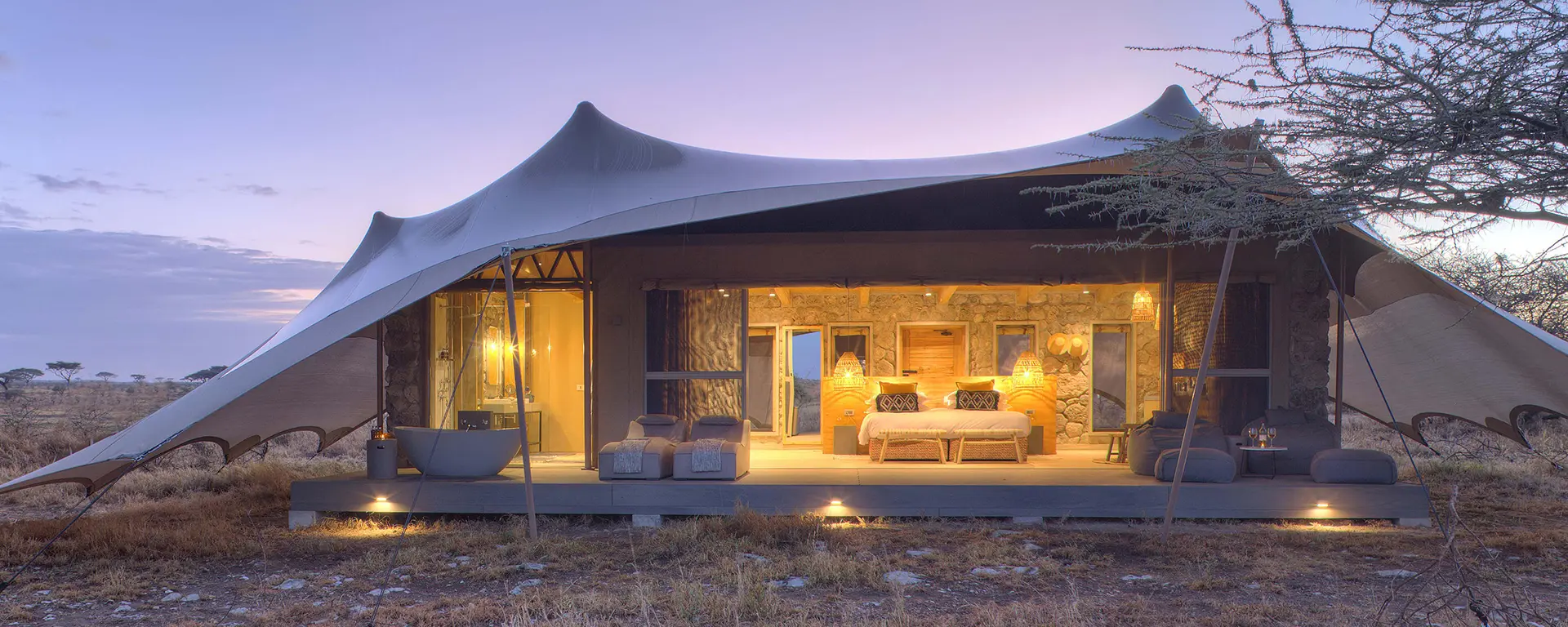 Season & Timing Guides
Best Time for Star Gazing on Safari
Expert guide on best time for star gazing on safari with month-by-month conditions, pricing, and planning recommendations for safari travelers.
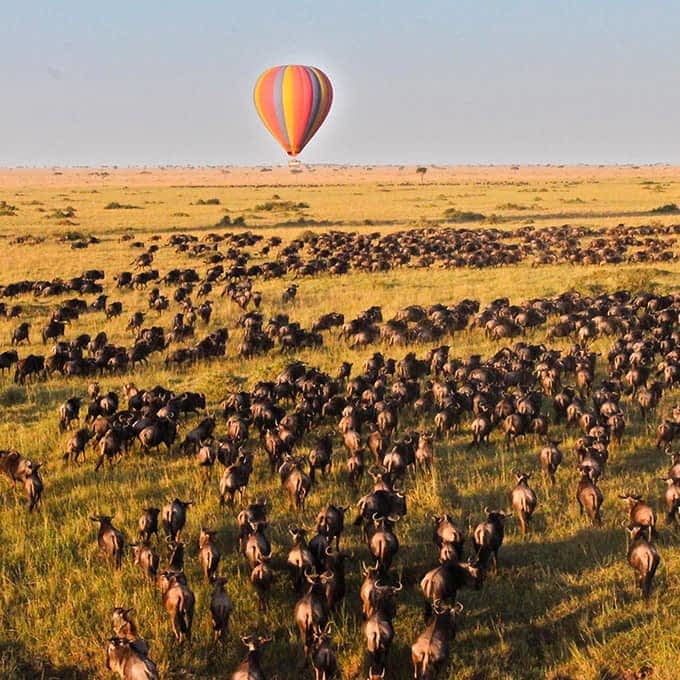 Luxury Safari Content
Luxury Safari Star Gazing Experiences
A comprehensive guide to Luxury Safari Star Gazing Experiences. Learn everything you need to know for your safari adventure.
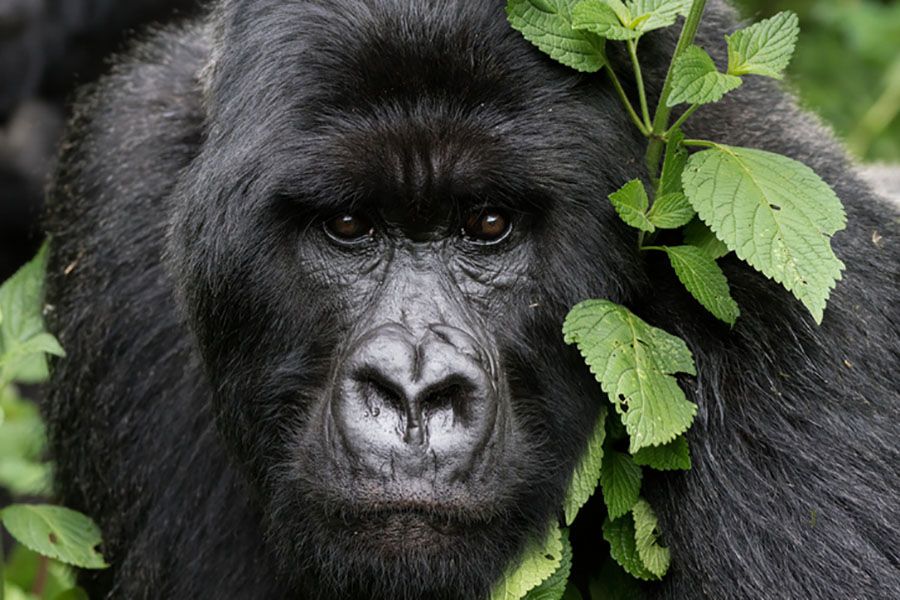 Travel Logistics
Safari Stargazing Equipment at Lodges
Learn about safari stargazing equipment at lodges in this comprehensive safari guide.
 Safari Planning Guides
Safari Planning Guide for First-Time Travelers
Discover how to plan your dream safari with our expert guide on Safari Planning Guide for First-Time Travelers. Get tips on destinations, costs, and more.
 Safari Planning Guides
Safari Planning Guide for Returning Travelers
Discover how to plan your dream safari with our expert guide on Safari Planning Guide for Returning Travelers. Get tips on destinations, costs, and more.
 Safari Planning Guides
Safari Planning Guide for Luxury Travelers
Discover how to plan your dream safari with our expert guide on Safari Planning Guide for Luxury Travelers. Get tips on destinations, costs, and more.