
Learn all about Complete Guide to Shoebill Stork in this comprehensive guide. Discover the best time to go, what to see, and how to plan your trip.
Introduction to Complete Guide to Shoebill Stork
When it comes to complete guide to shoebill stork, experienced safari travelers know that preparation makes all the difference. Africa's diverse landscapes and ecosystems offer unique opportunities, and knowing what to expect helps you make the most of every moment on safari.
Key Details and Considerations
Several critical factors influence complete guide to shoebill stork in the African safari context. Geographic location, time of year, and the specific activities you're interested in all play important roles. The diversity of Africa's safari destinations means that no two experiences are alike, and understanding these nuances helps you plan more effectively. Our destination guides provide detailed information for each region.
Still researching? Let us help.
Our advisory team has planned safaris across 9 African countries. We can turn your research into a real plan.
Talk to an AdvisorPractical Advice
Putting your knowledge of complete guide to shoebill stork into practice requires a systematic approach. Begin by defining your priorities and non-negotiables, then research destinations and operators that align with your vision. Our operator directory features thousands of safari companies across 17 African countries. Compare options carefully, read reviews, and don't hesitate to ask detailed questions before committing to a booking.
Expert Insights
Industry experts emphasize that complete guide to shoebill stork continues to evolve as safari tourism grows and adapts to new challenges. Conservation-focused tourism, community engagement, and sustainable practices are increasingly important considerations for discerning travelers. By choosing operators who prioritize these values, you contribute to the long-term preservation of Africa's wild places. Browse our operator directory to find companies committed to responsible tourism.
Planning Your Next Steps
To wrap up, mastering complete guide to shoebill stork is an investment that pays dividends throughout your safari journey. The more you understand about Africa's diverse ecosystems, wildlife, and tourism infrastructure, the better equipped you'll be to make decisions that lead to extraordinary experiences. Start your planning journey with our comprehensive knowledge center and connect with our team of experienced safari operators for personalized guidance.
Done Reading? Let's Build Your Safari.
Skip the guesswork. Work with an advisor who has been on the ground across East and Southern Africa.
Plan With UsUnraveling the Enigma: Shoebill Behavior and Ecology
The shoebill stork (Balaeniceps rex) is a masterclass in evolutionary specialization. Often described as prehistoric, its appearance is matched by a unique set of behaviors that set it apart from any other bird. Primarily solitary, shoebills are patient hunters, often standing motionless for hours in the dense papyrus swamps they call home. This statue-like stillness is a key part of their ambush hunting strategy.
Their most dramatic hunting technique is a violent, forward-lunge known as a “collapse.” When a fish surfaces for air, the shoebill throws its entire body forward, its massive bill agape, crashing into the water with surprising force. This method is brutally effective for capturing its preferred prey, the lungfish, which must come to the surface to breathe. The bill, with its sharp-edged mandibles and a formidable hook at the tip, is not just for show; it is a precision tool for dispatching and decapitating slippery prey before swallowing it whole.
> Expert Insight: The shoebill's bill is its most defining feature, but its eyes are just as captivating. Positioned on the front of its head, they grant it binocular vision, a rare trait among birds that provides excellent depth perception for pinpointing prey in murky water.
Despite their size, shoebills are surprisingly stealthy flyers. Their flapping rate is one of the slowest of any bird, estimated at around 150 flaps per minute—only large storks are slower. They often soar on thermal currents to conserve energy, covering vast distances between feeding grounds. While generally silent, they engage in "bill-clattering," especially during the nesting season. This resonant sound, produced by rapidly snapping their mandibles together, is a common form of greeting between mates and a territorial warning to rivals.
Prime Destinations: Where to See the Shoebill Stork in Africa
Finding a shoebill in the wild is a highlight of any African safari, but it requires venturing off the beaten path into the continent's vast wetlands. Uganda stands out as the premier destination for shoebill tracking, offering several reliable locations.
- Mabamba Swamp: Located on the northern shores of Lake Victoria, near Entebbe, Mabamba is arguably the most accessible and reliable place in the world to see a shoebill. Guided canoe trips through its papyrus-lined channels offer intimate, eye-level encounters.
- Murchison Falls National Park: The Nile Delta, where the Victoria Nile flows into Lake Albert, is another hotspot. A boat safari here combines spectacular wildlife viewing—including elephants, hippos, and crocodiles—with the chance to spot a shoebill hunting in the shallows.
- Queen Elizabeth National Park: The remote Ishasha sector, famous for its tree-climbing lions, also harbors shoebills in the swampy areas around Lake Edward.
Beyond Uganda, Zambia’s Bangweulu Wetlands offer a truly wild and immersive experience. This community-owned protected area is a vital stronghold for the species. In Tanzania, the vast and remote Malagarasi Wetlands also host a significant population, though reaching them is a logistical challenge best suited for intrepid travelers. For those seeking a true frontier experience, the great Sudd swamp in South Sudan is home to the largest shoebill population, but its inaccessibility makes it off-limits for all but the most dedicated expedition teams. Our destinations guide offers more insight into these remote safari locations.
Planning Your Shoebill Safari: Best Time to Visit and Costs
Timing is everything when it comes to a successful shoebill quest. The best time to visit most shoebill habitats, particularly in Uganda, is during the dry seasons (from December to February and June to August). During these months, water levels recede, concentrating fish in smaller pools and forcing shoebills to hunt in more predictable areas. This makes them easier to locate and observe. The wet seasons can make travel to the swamps difficult and the birds are more dispersed.
> Traveler's Tip: Patience is the most important item to pack for a shoebill excursion. These birds are masters of stillness, and you may spend hours searching and waiting for a sighting. Bring high-quality binoculars, a camera with a good zoom lens, and waterproof gear for the canoe or boat trip.
The cost of a shoebill safari can vary significantly. A dedicated shoebill tracking excursion in Mabamba Swamp typically involves hiring a local guide and a canoe, with costs ranging from $80 to $150 per person for a half-day trip. In national parks like Murchison Falls, shoebill sightings are often part of a larger boat safari, the cost of which is included in your overall safari package. For a comprehensive budget, use our safari cost calculator to estimate expenses for your trip.
Conservation Status: Protecting a Vulnerable Species
The shoebill is classified as Vulnerable on the IUCN Red List, with a global population estimated at just 5,000 to 8,000 individuals. This prehistoric bird faces a trifecta of modern threats.
- Habitat Loss: This is the most significant threat. Wetlands across Africa are being drained for agriculture, cattle grazing, and human settlement, shrinking the shoebill's specialized hunting grounds.
- Human Disturbance: Fishermen sometimes view the birds as competition and may disturb nesting sites. In some cultures, superstitions lead to the killing of these birds.
- Illegal Wildlife Trade: The shoebill's rarity makes its eggs and chicks valuable on the black market for private collectors, posing a direct threat to its slow-breeding population.
Fortunately, conservation efforts are underway. Organizations like African Parks have partnered with local communities in places like Zambia’s Bangweulu Wetlands to create a conservation model that benefits both people and wildlife. Responsible tourism plays a crucial role by providing a sustainable economic incentive to protect the birds and their habitats.
By choosing to travel with operators who prioritize ethical wildlife viewing and contribute to local conservation initiatives, you become an active participant in securing the future of this extraordinary species. Our team of safari operators can connect you with partners who are committed to responsible travel. To begin crafting your own safari adventure, plan your safari with our expert team.
Need Expert Safari Guidance?
Get expert advisory support from a firm founded by a former safari guide — with real operational knowledge across 9 African countries and full-journey accountability.
Related Planning Guides
Explore Related Topics
Recommended Reading
 Wildlife Guides
Complete Guide to African Lion Behavior
Delve into the complex social structure, hunting techniques, and communication methods of the African lion. Understand the king of the savanna with this in-depth guide.
 Wildlife Guides
Complete Guide to Cheetah Speed and Hunting
Learn all about Complete Guide to Cheetah Speed and Hunting in this comprehensive guide. Discover the best time to go, what to see, and how to plan your trip.
 Wildlife Guides
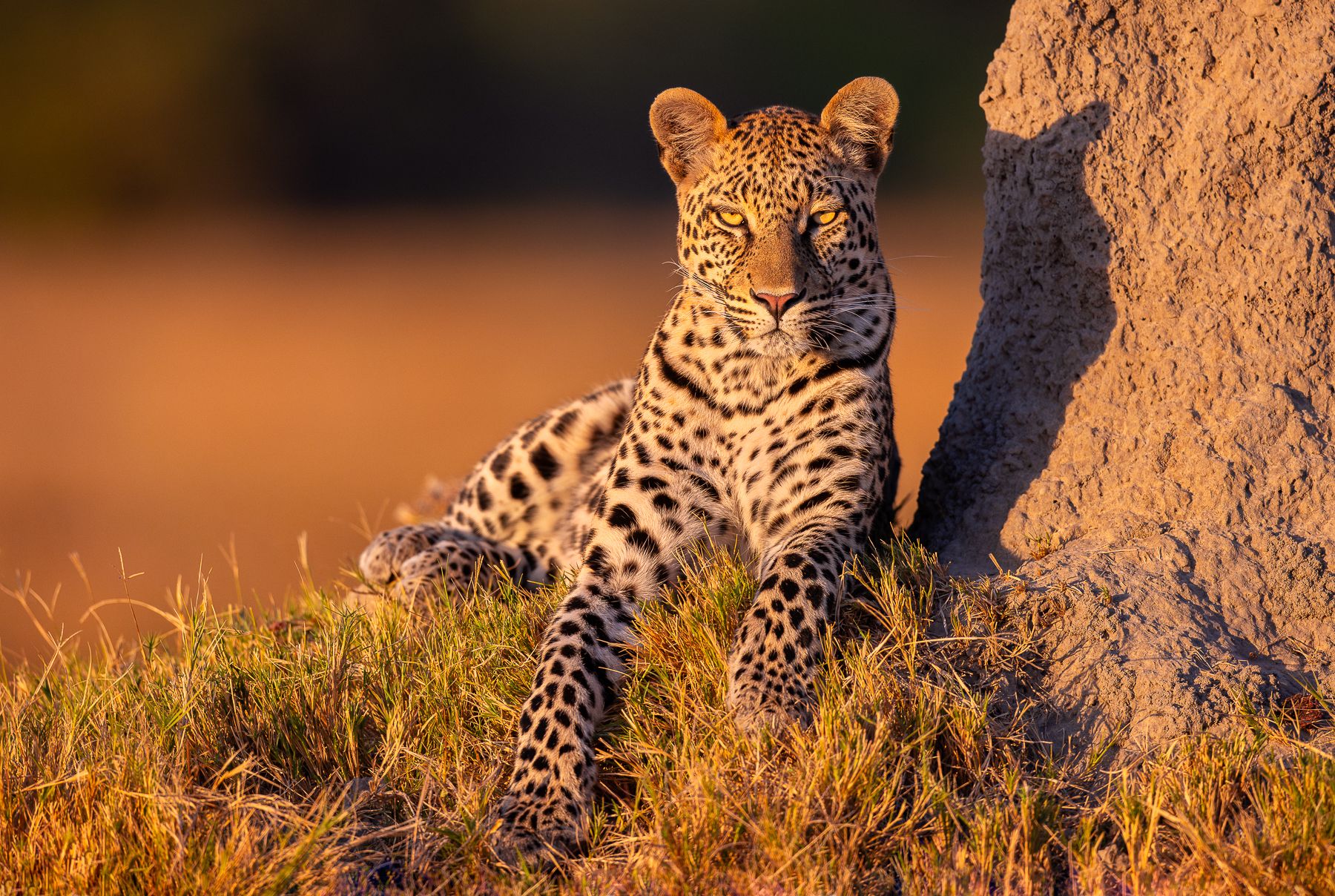
Complete Guide to African Wild Dog Pack Dynamics
Learn all about Complete Guide to African Wild Dog Pack Dynamics in this comprehensive guide. Discover the best time to go, what to see, and how to plan your trip.
 Destination Guides
Complete Guide to Table Mountain National Park
A complete guide to Complete Guide to Table Mountain National Park. Learn about the wildlife, activities, and best time to visit this amazing destination.
 Destination Guides
Complete Guide to Garden Route Safari Options
A complete guide to Complete Guide to Garden Route Safari Options. Learn about the wildlife, activities, and best time to visit this amazing destination.
 Destination Guides
Complete Guide to Sabi Sands Game Reserve
A complete guide to Complete Guide to Sabi Sands Game Reserve. Learn about the wildlife, activities, and best time to visit this amazing destination.