

Learn all about Complete Guide to Lilac-Breasted Roller in this comprehensive guide. Discover the best time to go, what to see, and how to plan your trip.
Introduction to Complete Guide to Lilac-Breasted Roller
When it comes to complete guide to lilac-breasted roller, experienced safari travelers know that preparation makes all the difference. Africa's diverse landscapes and ecosystems offer unique opportunities, and knowing what to expect helps you make the most of every moment on safari.
Key Details and Considerations
Several critical factors influence complete guide to lilac-breasted roller in the African safari context. Geographic location, time of year, and the specific activities you're interested in all play important roles. The diversity of Africa's safari destinations means that no two experiences are alike, and understanding these nuances helps you plan more effectively. Our destination guides provide detailed information for each region.
Still researching? Let us help.
Our advisory team has planned safaris across 9 African countries. We can turn your research into a real plan.
Talk to an AdvisorPractical Advice
Putting your knowledge of complete guide to lilac-breasted roller into practice requires a systematic approach. Begin by defining your priorities and non-negotiables, then research destinations and operators that align with your vision. Our operator directory features thousands of safari companies across 17 African countries. Compare options carefully, read reviews, and don't hesitate to ask detailed questions before committing to a booking.
Expert Insights
The landscape of complete guide to lilac-breasted roller reflects broader trends in African tourism, including the growing emphasis on authentic experiences, wildlife conservation, and cultural exchange. Modern safari travelers are more informed and discerning than ever, seeking meaningful connections with the natural world rather than simply checking off a bucket list. Our knowledge center supports this approach with in-depth articles covering every aspect of safari travel.
Planning Your Next Steps
In summary, complete guide to lilac-breasted roller is a multifaceted topic that rewards careful study and thoughtful planning. Whether you're a first-time safari traveler or a returning enthusiast, staying informed about the latest developments and best practices ensures the best possible experience. Explore our destinations, consult our safari operators, and use our cost calculator to begin planning your African adventure today.
Done Reading? Let's Build Your Safari.
Skip the guesswork. Work with an advisor who has been on the ground across East and Southern Africa.
Plan With UsUnveiling the Vibrant World of the Lilac-Breasted Roller
The Lilac-breasted Roller (Coracias caudatus) is a dazzling jewel of the African savanna, a bird so vibrant it appears to have flown straight out of an artist’s palette. While its beauty is undeniable, this remarkable bird offers far more than just a pretty picture. Understanding its behavior, habitat, and role in the ecosystem reveals a fascinating story of adaptation and survival. For safari-goers, a sighting of the Lilac-breasted Roller is often a highlight, a flash of color against the golden grasslands. This guide delves deeper into the world of this iconic bird, offering expert insights to enrich your next African adventure.
Habitat and Prime Viewing Destinations
Lilac-breasted Rollers are adaptable birds, thriving in a variety of open or lightly wooded environments. They are most commonly found in grasslands, savannas, and open woodlands, particularly those with scattered acacia trees, which provide excellent perches for spotting prey. They generally avoid dense forests and treeless plains. Their range extends across much of eastern and southern Africa, making them a familiar sight in many of the continent’s most famous safari destinations.
Expert Insight: While these birds are widespread, certain areas offer almost guaranteed sightings. Look for them perched on dead trees or telephone wires, as these exposed vantage points provide an unobstructed view of the ground below, where they hunt for insects and other small prey.
Here are some of the top national parks and reserves where you can find the Lilac-breasted Roller:
- Tanzania: Serengeti National Park, Tarangire National Park, and the Ngorongoro Conservation Area.
- Kenya: The Maasai Mara National Reserve, Amboseli National Park, and Samburu National Reserve.
- Botswana: The Okavango Delta and Chobe National Park.
- South Africa: Kruger National Park and surrounding private reserves.
- Uganda: Murchison Falls National Park and Queen Elizabeth National Park.
To start planning your safari to one of these incredible destinations, explore our destinations page or connect with one of our safari operators.
Behavior and Spectular Aerial Displays
The Lilac-breasted Roller is a territorial bird, often seen alone or in pairs. They are known for their impressive aerial acrobatics, especially during the breeding season. The name “roller” comes from their dramatic courtship flight, which involves a series of dives, swoops, and rolls, accompanied by loud, guttural calls. This spectacular display is a key part of their breeding ritual and is a truly unforgettable sight.
These birds are also known for their bold and fearless nature. They will aggressively defend their territory from intruders, including other rollers and even larger birds of prey. This territorial behavior is most pronounced during the breeding season when they are protecting their nests and young.
Traveler's Tip: When you spot a Lilac-breasted Roller, take a moment to observe its behavior. You may witness its "watch-and-wait" hunting technique, where it perches patiently before swooping down to catch its prey. Or, if you're lucky, you might see its incredible aerial courtship display.
Diet and Foraging Habits
Lilac-breasted Rollers are primarily insectivores, with a diet consisting mainly of grasshoppers, beetles, and other large insects. However, they are opportunistic hunters and will also prey on a variety of other small animals, including lizards, scorpions, snails, and even small rodents and other birds. They hunt by perching on a high vantage point and scanning the ground for movement. Once they spot their prey, they will swoop down and catch it in their beak, often returning to their perch to eat it.
One of the most fascinating aspects of their foraging behavior is their ability to handle prey that is too large to swallow whole. They will beat their prey against a rock or hard surface to break it into smaller, more manageable pieces. This intelligent and resourceful behavior is a testament to their adaptability.
Breeding and Nesting
Lilac-breasted Rollers are monogamous and form strong pair bonds that can last for several years. They typically nest in natural cavities in trees, such as old woodpecker holes, or in termite mounds. The female will lay a clutch of 2-4 white eggs, which are incubated by both parents for about 22-24 days. Once the chicks hatch, both parents share the responsibility of feeding and caring for them. The young rollers will fledge at around 19-20 days old, but they will remain with their parents for a few more weeks to learn essential survival skills.
Photography Tips for Capturing the Lilac-Breasted Roller
The vibrant colors of the Lilac-breasted Roller make it a favorite subject for wildlife photographers. However, capturing its beauty can be challenging. Here are a few tips to help you get the perfect shot:
- Use a telephoto lens: A lens with a focal length of at least 300mm is recommended to get a close-up shot without disturbing the bird.
- Pay attention to the light: The best time to photograph the Lilac-breasted Roller is during the golden hours of early morning and late afternoon, when the light is soft and warm.
- Use a fast shutter speed: These birds are fast flyers, so a shutter speed of at least 1/1000s is needed to freeze their motion.
- Capture their behavior: Instead of just taking a static portrait, try to capture the bird in action, whether it's hunting, preening, or performing its aerial displays.
Conservation Status
The Lilac-breasted Roller is currently listed as a species of "Least Concern" by the IUCN, thanks to its large range and stable population. However, like all wildlife, they are facing threats from habitat loss and degradation. By supporting responsible tourism and conservation efforts, you can help ensure that these beautiful birds continue to grace the African savanna for generations to come.
Ready to start planning your own African safari adventure? Use our cost calculator to get an estimate for your trip, or plan your safari with the help of our expert advisors.
Need Expert Safari Guidance?
Get expert advisory support from a firm founded by a former safari guide — with real operational knowledge across 9 African countries and full-journey accountability.
Related Planning Guides
Explore Related Topics
Recommended Reading
 Wildlife Guides
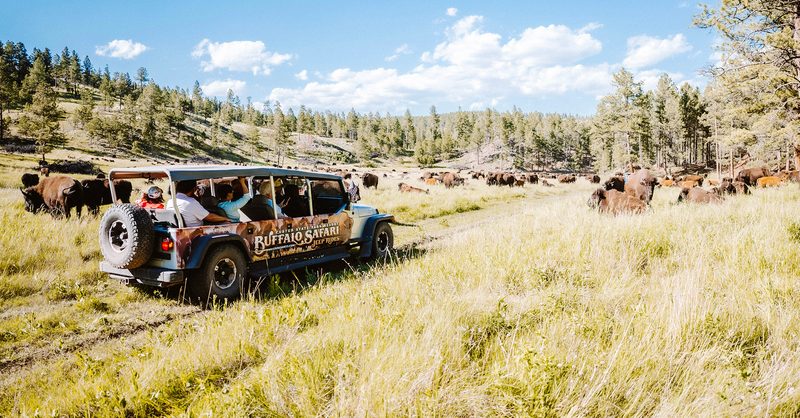
Complete Guide to Whale Sharks in East Africa
Learn all about Complete Guide to Whale Sharks in East Africa in this comprehensive guide. Discover the best time to go, what to see, and how to plan your trip.
 Wildlife Guides
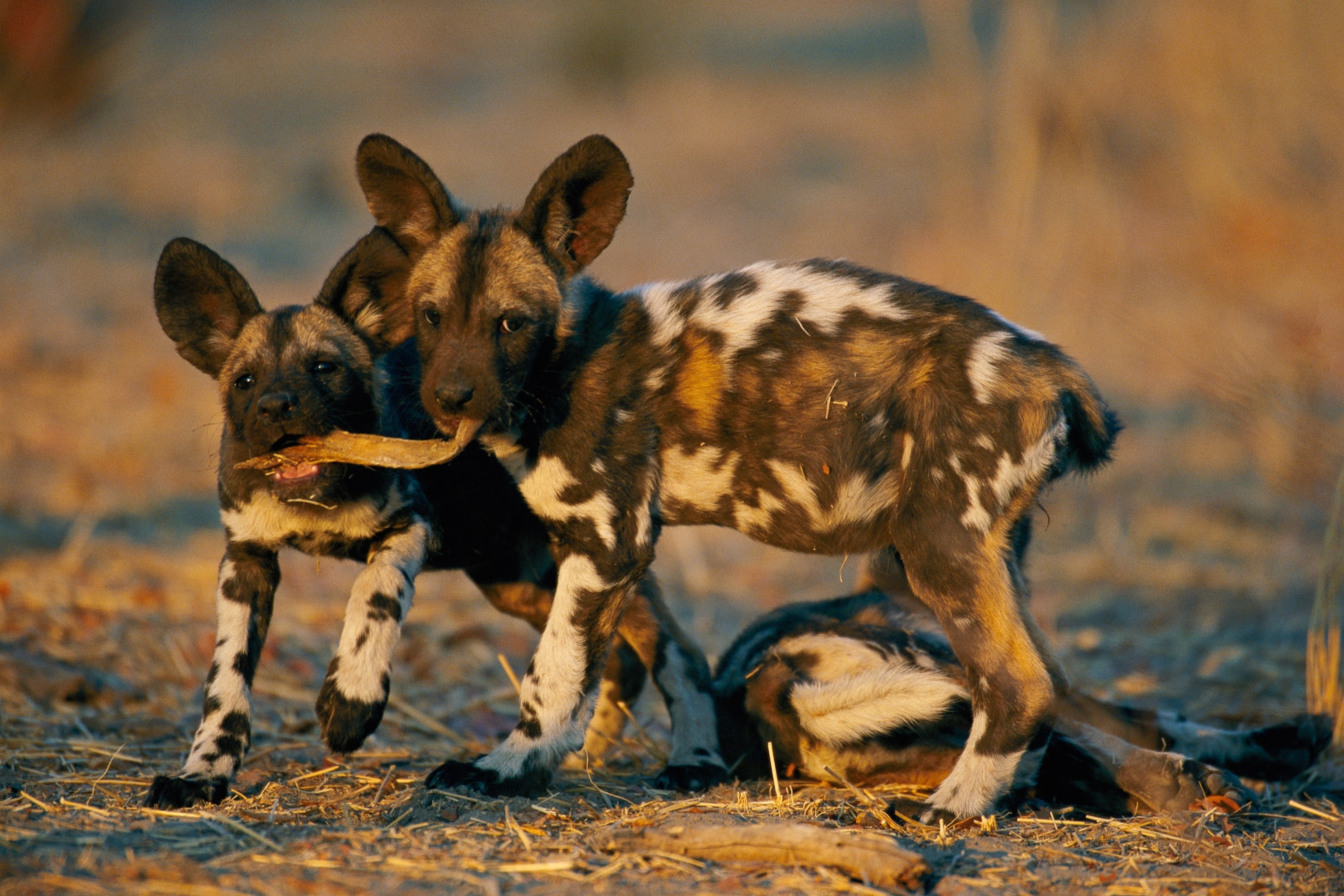
Complete Guide to African Lion Behavior
Delve into the complex social structure, hunting techniques, and communication methods of the African lion. Understand the king of the savanna with this in-depth guide.
 Wildlife Guides
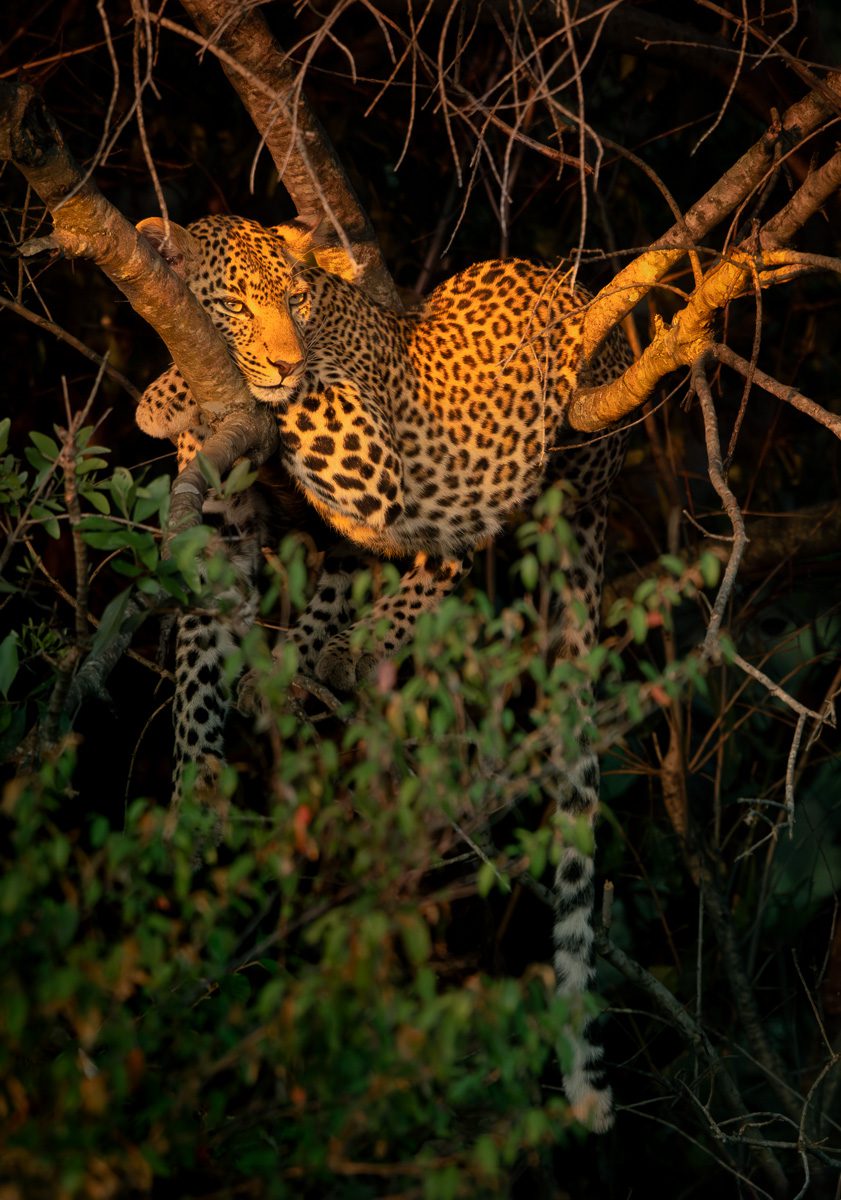
Complete Guide to Cheetah Speed and Hunting
Learn all about Complete Guide to Cheetah Speed and Hunting in this comprehensive guide. Discover the best time to go, what to see, and how to plan your trip.
 Destination Guides
Complete Guide to Table Mountain National Park
A complete guide to Complete Guide to Table Mountain National Park. Learn about the wildlife, activities, and best time to visit this amazing destination.
 Destination Guides
Complete Guide to Garden Route Safari Options
A complete guide to Complete Guide to Garden Route Safari Options. Learn about the wildlife, activities, and best time to visit this amazing destination.
 Destination Guides
Complete Guide to Sabi Sands Game Reserve
A complete guide to Complete Guide to Sabi Sands Game Reserve. Learn about the wildlife, activities, and best time to visit this amazing destination.