
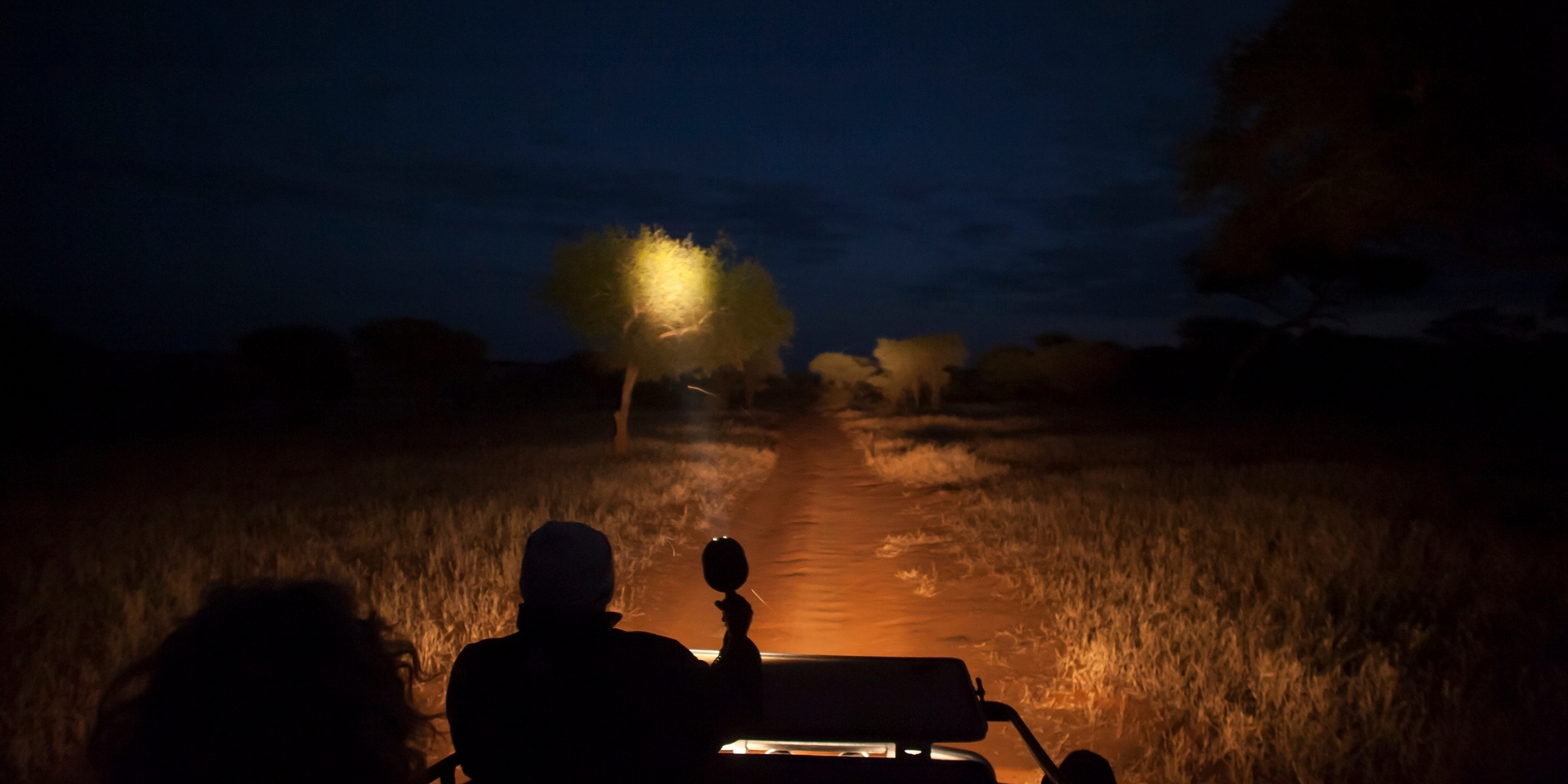
Your complete guide to Complete Safari Guide to Tanzania. Find the best destinations, planning tips, and more for your next safari adventure.
Complete Safari Guide to Tanzania
Whether you are a first-time safari traveler or a seasoned adventurer, complete safari guide to tanzania deserves careful attention. In this guide, we break down everything you need to know, from practical considerations to expert recommendations.
Regional Considerations Across Africa: Complete Safari Guide to Tanzania
Southern Africa presents a different landscape for complete safari guide to tanzania. Countries like Botswana, South Africa, Namibia, and Zimbabwe each have established infrastructure and practices that reflect their unique environments. The Okavango Delta, for instance, requires water-based considerations that land-based safaris in Kruger National Park do not.
Central and West African destinations, including Uganda, Rwanda, and the Congo, offer specialized experiences like gorilla trekking that bring their own set of requirements. These destinations often involve more challenging terrain and different logistical considerations compared to the classic savanna safari.
Still researching? Let us help.
Our advisory team has planned safaris across 9 African countries. We can turn your research into a real plan.
Talk to an AdvisorMaking the Most of Your Experience
To truly optimize complete safari guide to tanzania, approach your safari with an open mind and realistic expectations. Africa has a way of surprising even the most experienced travelers, and some of the best moments come from unexpected encounters and unplanned detours.
Photography enthusiasts should pay special attention to complete safari guide to tanzania as it relates to their equipment and technique. The lighting conditions, distances, and movement patterns of African wildlife create unique challenges and opportunities that benefit from advance preparation.
Expert Recommendations: Complete Safari Guide to Tanzania
Safari advisors consistently recommend starting your planning process at least six to twelve months before your intended travel dates. This lead time allows you to secure preferred accommodations, take advantage of early booking rates, and properly prepare for all aspects of complete safari guide to tanzania.
Budget considerations play an important role in complete safari guide to tanzania. While it is tempting to cut corners, experienced travelers consistently report that investing in quality where it matters most leads to significantly better outcomes. The key is knowing where to allocate your budget for maximum impact.
Safety and Health Considerations: Complete Safari Guide to Tanzania
Safety is paramount when it comes to complete safari guide to tanzania on safari. Reputable operators maintain strict safety protocols and employ experienced guides who are trained to handle a wide range of situations. Always verify that your chosen operator has proper licensing, insurance, and safety certifications.
Health preparation is an essential component of complete safari guide to tanzania. Consult with a travel medicine specialist at least six weeks before your departure to discuss vaccinations, malaria prophylaxis, and other health precautions specific to your destinations.
Done Reading? Let's Build Your Safari.
Skip the guesswork. Work with an advisor who has been on the ground across East and Southern Africa.
Plan With UsUnderstanding Tanzania’s Safari Circuits
Tanzania’s vast landscapes are typically divided into two main safari circuits: the Northern Circuit and the Southern Circuit. The Northern Circuit is the most popular and accessible, making it ideal for first-time visitors. It includes the world-renowned Serengeti National Park, the Ngorongoro Crater, Tarangire National Park, and Lake Manyara National Park. A classic 7 to 10-day itinerary here offers a comprehensive wildlife experience, from the endless plains of the Serengeti to the dense elephant population in Tarangire.
For repeat visitors or those seeking a more remote adventure, the Southern Circuit offers a wilder, more intimate safari experience. Parks like Ruaha National Park and the Selous Game Reserve (now Nyerere National Park) are far less crowded. Here, you can enjoy unique activities like boat safaris on the Rufiji River and guided walking safaris, which are often not available in the busier northern parks.
The Great Migration: A Year-Round Spectacle
While many travelers hope to see the dramatic river crossings, the Great Migration is a continuous, year-long journey of over 1.5 million wildebeest and hundreds of thousands of zebras and gazelles. The timing of your visit determines what you will see. The dramatic crossings of the Grumeti and Mara Rivers in the northern Serengeti typically occur between June and August, as the herds face crocodile-infested waters to reach the grasslands of Kenya’s Maasai Mara.
However, the spectacle doesn’t end there. From January to March, the herds gather in the southern Serengeti for the calving season, where thousands of wildebeest are born each day. This period attracts a high concentration of predators, offering incredible opportunities for dramatic wildlife encounters. Understanding this cycle allows you to plan a successful safari focused on the specific experience you desire.
Budgeting for Your Tanzanian Safari
A Tanzanian safari is a significant investment, but costs can vary widely. For a budget-friendly safari, which typically involves group travel and camping, you can expect to pay between $250 to $350 per person, per day. A mid-range safari, offering comfortable lodges and smaller group sizes, generally costs between $400 to $700 per person, per day. For a luxury experience with exclusive lodges, private guides, and internal flights, costs can range from $800 to over $1,500 per person, per day.
Related Resources
For more information on planning your safari, explore our destination guides, browse the safari operator directory, or connect with an experienced safari planning guide for personalized guidance.
Navigating Practicalities: Visas, Park Fees, and Getting There
A smooth Tanzanian safari hinges on well-managed logistics. Understanding the entry requirements, associated costs, and travel routes is a critical first step in your planning process. Most travelers will need a tourist visa, which can be obtained online through the official Tanzania e-Visa portal. For U.S. citizens, the cost is $100 per person for a multiple-entry visa, while citizens of many other countries can obtain a single-entry visa for $50. It is highly recommended to apply at least a month in advance to avoid any last-minute complications.
Your port of entry will likely be determined by your chosen safari circuit. For the popular Northern Circuit, the most convenient airport is Kilimanjaro International Airport (JRO), located between the towns of Arusha and Moshi. For those exploring the Southern Circuit or heading to Zanzibar, Julius Nyerere International Airport (DAR) in Dar es Salaam is the primary hub. From there, you will typically take smaller domestic flights to reach the remote airstrips in parks like Ruaha and Nyerere.
Park fees are a significant component of your safari budget and are charged on a per-person, per-24-hour basis. As of 2024, fees for most major parks in the Northern Circuit are $70 + 18% VAT, totaling approximately $82.60 per adult. The Ngorongoro Conservation Area has a separate entry fee of about $70.80 per person, plus a vehicle fee of around $295 per vehicle to descend into the crater. These fees are essential for funding conservation efforts and are typically included in the package price provided by your operator, but it is wise to confirm this when booking. For personalized planning, you can always connect with our safari operators.
Tipping Etiquette and Cultural Norms
Interacting respectfully with local people and staff is key to a rewarding travel experience. Tipping is a customary practice in Tanzania and an important source of income for those in the service industry. While it is always discretionary, it is a deeply appreciated gesture for excellent service.
For your safari guide, a common guideline is $15 to $20 per guest, per day. Your guide is your host, educator, and protector, and this tip reflects their immense skill and long hours. For general staff at a lodge or camp (including chefs, housekeepers, and servers), there is often a communal "tip box" at the reception. A contribution of $10 to $15 per guest, per day is a good benchmark. For transfer drivers or staff who assist with your luggage, a tip of $2 to $5 is appropriate. It is best to tip in U.S. dollars (bills printed after 2006) or Tanzanian Shillings.
Beyond tipping, embracing a few cultural norms will be warmly received. Learning a few words of Swahili, such as "Jambo" (Hello), "Asante sana" (Thank you very much), and "Karibu" (Welcome), goes a long way. When visiting local communities or towns, dress modestly by covering your shoulders and knees. Always ask for permission before taking photographs of people, including the Maasai, as it is considered a basic sign of respect.
Need Expert Safari Guidance?
Get expert advisory support from a firm founded by a former safari guide — with real operational knowledge across 9 African countries and full-journey accountability.
Related Planning Guides
Recommended Reading
 Country Guides
Complete Safari Guide to Kenya
Your complete guide to Complete Safari Guide to Kenya. Find the best destinations, planning tips, and more for your next safari adventure.
 Country Guides
Complete Safari Guide to Botswana
Your complete guide to Complete Safari Guide to Botswana. Find the best destinations, planning tips, and more for your next safari adventure.
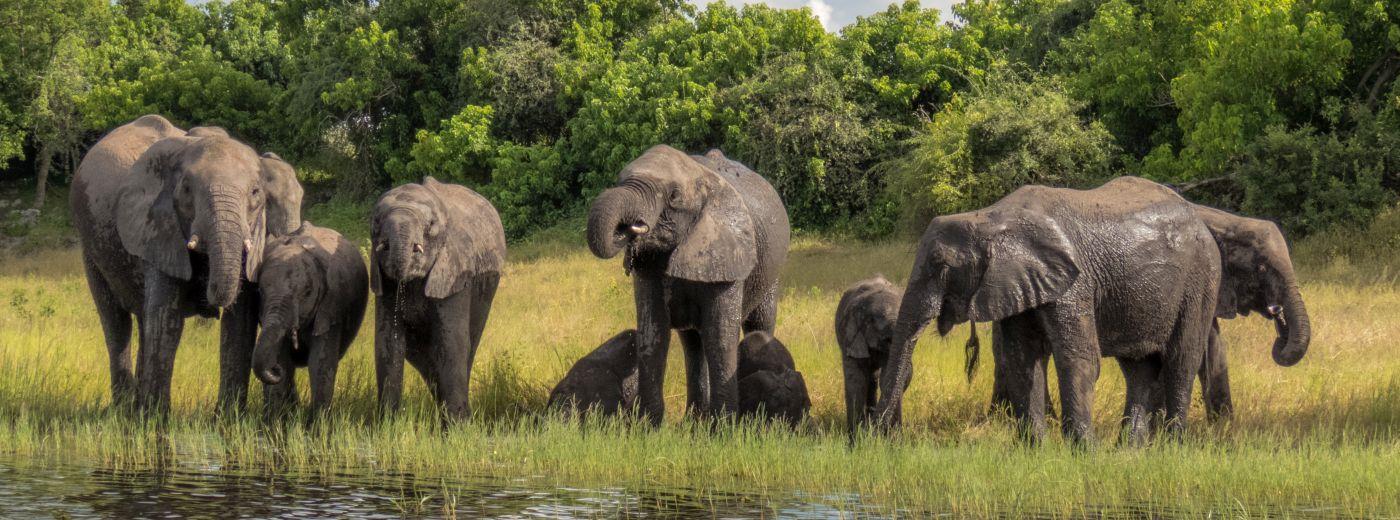 Country Guides
Complete Safari Guide to South Africa
Your complete guide to Complete Safari Guide to South Africa. Find the best destinations, planning tips, and more for your next safari adventure.
 Destination Guides
Complete Guide to Garden Route Safari Options
A complete guide to Complete Guide to Garden Route Safari Options. Learn about the wildlife, activities, and best time to visit this amazing destination.
 Wildlife Guides
Complete Guide to Termite Mounds on Safari
A comprehensive guide to Complete Guide to Termite Mounds on Safari. Learn about its habitat, behavior, diet, and conservation status.
 Wildlife Guides
Complete Guide to Safari Ant Species
A comprehensive guide to Complete Guide to Safari Ant Species. Learn about its habitat, behavior, diet, and conservation status.