
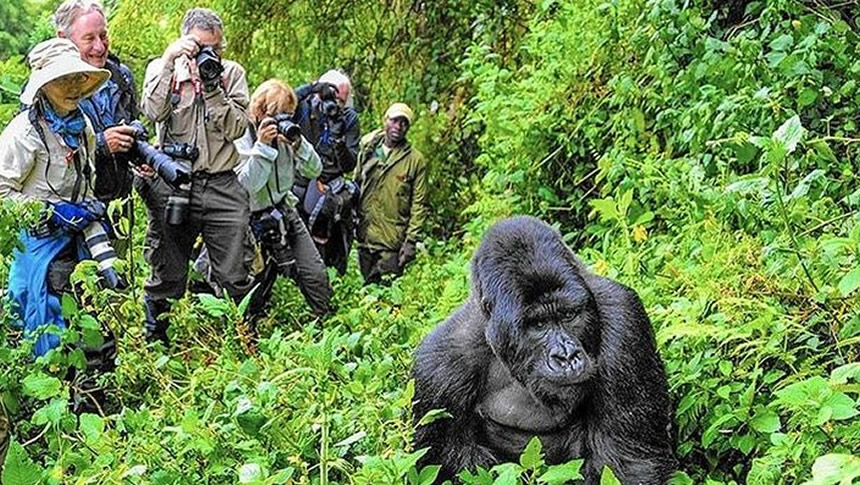
Learn all about Complete Guide to African Wildcat in this comprehensive guide. Discover the best time to go, what to see, and how to plan your trip.
Introduction to Complete Guide to African Wildcat
When it comes to complete guide to african wildcat, experienced safari travelers know that preparation makes all the difference. Africa's diverse landscapes and ecosystems offer unique opportunities, and knowing what to expect helps you make the most of every moment on safari.
Key Details and Considerations
The most important aspects of complete guide to african wildcat involve understanding local conditions, seasonal variations, and the unique characteristics of different safari regions. Each destination across Africa offers something distinct, from the Serengeti's endless plains to the Okavango Delta's waterways. Working with experienced safari operators ensures you receive guidance tailored to your specific interests and travel dates.
Still researching? Let us help.
Our advisory team has planned safaris across 9 African countries. We can turn your research into a real plan.
Talk to an AdvisorPractical Advice
When applying insights about complete guide to african wildcat to your safari planning, remember that the best experiences come from thoughtful preparation combined with openness to the unexpected. Africa has a way of surprising even the most seasoned travelers. Use our comprehensive planning resources to build a solid foundation, then trust your guides and the wilderness to deliver moments you'll never forget.
Expert Insights
Industry experts emphasize that complete guide to african wildcat continues to evolve as safari tourism grows and adapts to new challenges. Conservation-focused tourism, community engagement, and sustainable practices are increasingly important considerations for discerning travelers. By choosing operators who prioritize these values, you contribute to the long-term preservation of Africa's wild places. Browse our operator directory to find companies committed to responsible tourism.
Planning Your Next Steps
In summary, complete guide to african wildcat is a multifaceted topic that rewards careful study and thoughtful planning. Whether you're a first-time safari traveler or a returning enthusiast, staying informed about the latest developments and best practices ensures the best possible experience. Explore our destinations, consult our safari operators, and use our cost calculator to begin planning your African adventure today.
Done Reading? Let's Build Your Safari.
Skip the guesswork. Work with an advisor who has been on the ground across East and Southern Africa.
Plan With UsBehavior and Hunting Techniques
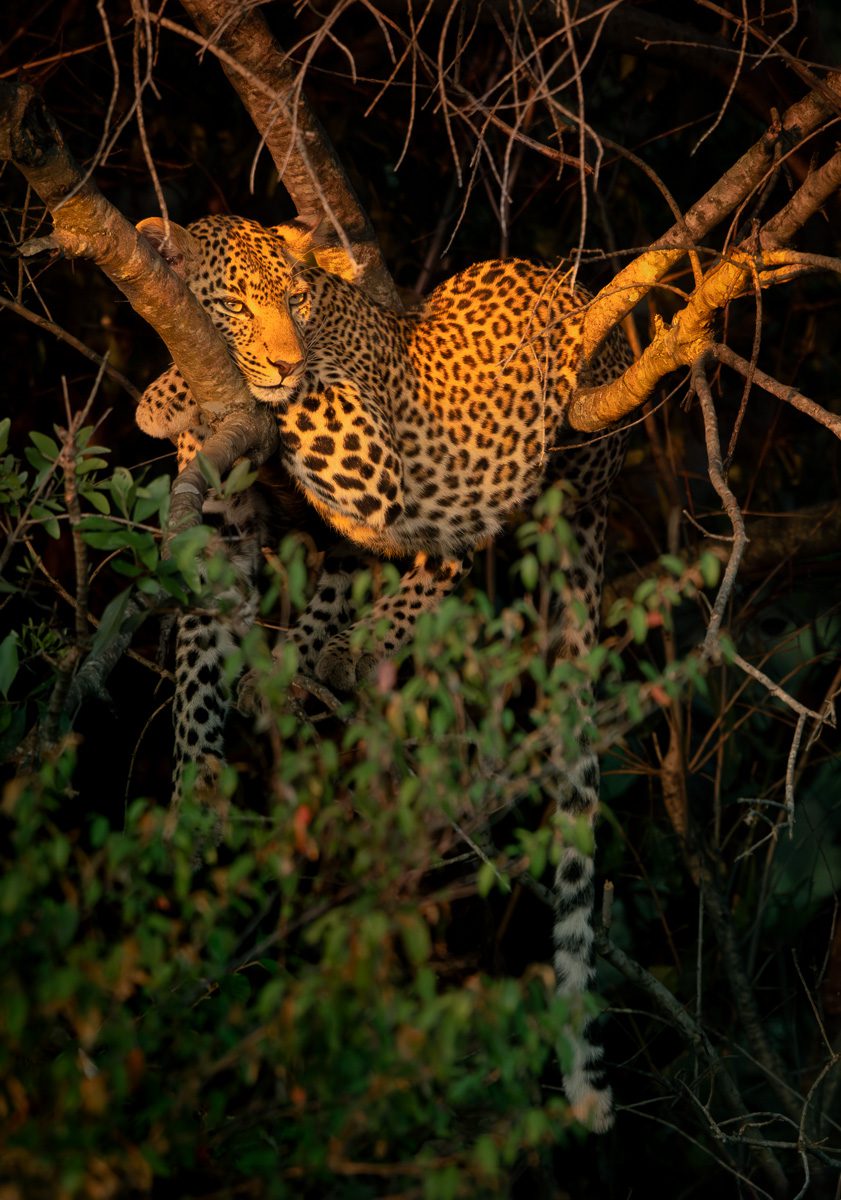
The African wildcat (Felis lybica) is a master of stealth and patience, a solitary hunter that reigns supreme in the moonlit hours. Primarily nocturnal, these elusive felines spend the majority of their daylight hours resting in dense thickets, rock crevices, or abandoned aardvark burrows, emerging at dusk to begin their nightly patrols. Their diet is varied and adaptable, a testament to their survival skills. It primarily consists of small rodents like mice and rats, but they are opportunistic predators that will readily prey on birds, reptiles, insects, and even young antelope when the opportunity arises.
Their hunting technique is a study in precision and efficiency. With exceptional hearing that can detect the faintest rustle in the grass, the wildcat will pinpoint its prey's location before beginning a slow, deliberate stalk. Staying low to the ground, it uses every bit of available cover to approach undetected. The final moments are a blur of explosive power as the cat launches itself forward, covering several meters in a single bound to deliver a fatal bite to the neck. For smaller prey, a swift pat from a powerful paw is often enough.
> Expert Insight: While they may resemble a slender domestic cat, do not underestimate the power of an African wildcat. They are incredibly agile and possess surprising strength for their size, capable of taking down prey as large as a scrub hare. Their fierce independence and untamable spirit are what set them apart from their domestic relatives.
Habitat and Prime Viewing Destinations
African wildcats are one of the most widespread carnivores on the continent, found in a remarkable variety of habitats. From the arid semi-deserts of the Kalahari to the vast savannas of East Africa and the dense woodlands of the south, their adaptability is key to their success. They are, however, generally absent from the dense rainforests of Central Africa.
For travelers eager to catch a glimpse of this elusive predator, certain national parks and reserves offer a higher probability of success. When planning your safari, consider including these prime locations in your itinerary:
- Kruger National Park, South Africa: The park's varied landscapes and well-managed road network provide excellent opportunities for night drives, which are the best way to spot wildcats. The southern and central regions are particularly productive.
- Etosha National Park, Namibia: The arid environment and numerous waterholes in Etosha concentrate wildlife, making it easier to spot predators. Search the scrubland surrounding the waterholes at dawn and dusk.
- Serengeti National Park, Tanzania & Maasai Mara National Reserve, Kenya: The endless plains of the Serengeti-Mara ecosystem are a haven for rodents, attracting a healthy population of wildcats. Their tawny coats provide excellent camouflage in the golden grasses, so a keen eye is required.
To maximize your chances, we recommend visiting during the dry season (typically June to October in East and Southern Africa), when vegetation is less dense and animals congregate around water sources. For more tailored advice, our safari operators can help you design the perfect itinerary. You can also explore our detailed destinations guides for more information on these parks.
Conservation Status and Modern Threats
According to the IUCN Red List, the African wildcat is currently listed as a species of "Least Concern" due to its wide distribution and adaptable nature. However, this classification masks a significant and growing threat: hybridization with domestic cats (Felis catus).
As human settlements expand, so does the population of free-roaming domestic and feral cats. These cats interbreed with wildcats, leading to a gradual dilution of the pure African wildcat gene pool. Over time, this genetic erosion could lead to the silent extinction of the true wildcat, replaced by a population of hybrids. This is considered the single greatest threat to the species' long-term survival.
Other threats include habitat loss due to agriculture and urbanization, as well as persecution by farmers who mistakenly believe the wildcats pose a significant threat to poultry. While they may occasionally take a chicken, their primary role in controlling rodent populations is highly beneficial to agriculture.
> Traveler's Tip: When visiting communities near protected areas, support initiatives that promote responsible pet ownership, including spaying and neutering programs. This is a crucial step in protecting the genetic integrity of the African wildcat and other small carnivores.
The Original Feline: Ancestor to All Domestic Cats
One of the most fascinating aspects of the African wildcat is its esteemed position in the feline family tree. Through extensive genetic research, scientists have confirmed that Felis lybica is the sole ancestor of all domestic cat breeds in the world today. From the Maine Coon to the Siamese, every purring companion on your lap owes its existence to this tenacious African predator.
The domestication process is believed to have begun around 10,000 years ago in the Fertile Crescent of the Near East. As humans transitioned to an agricultural lifestyle, their grain stores attracted rodents. Wildcats, in turn, were attracted to this abundant food source. A symbiotic relationship developed, where humans tolerated the wildcats for their pest-control services, and the cats that were more tolerant of human presence were more likely to thrive. This began the long, slow process of self-domestication that eventually led to the cats we know and love today.
Understanding this connection adds a profound layer of appreciation when you spot an African wildcat on safari. You are not just looking at another wild animal; you are witnessing the original, untamed blueprint of a creature that has become one of humanity's most beloved companions. To start planning your own journey to see this foundational feline, visit our plan your safari page or browse our knowledge center for more in-depth articles.
Need Expert Safari Guidance?
Get expert advisory support from a firm founded by a former safari guide — with real operational knowledge across 9 African countries and full-journey accountability.
Related Planning Guides
Explore Related Topics
Recommended Reading
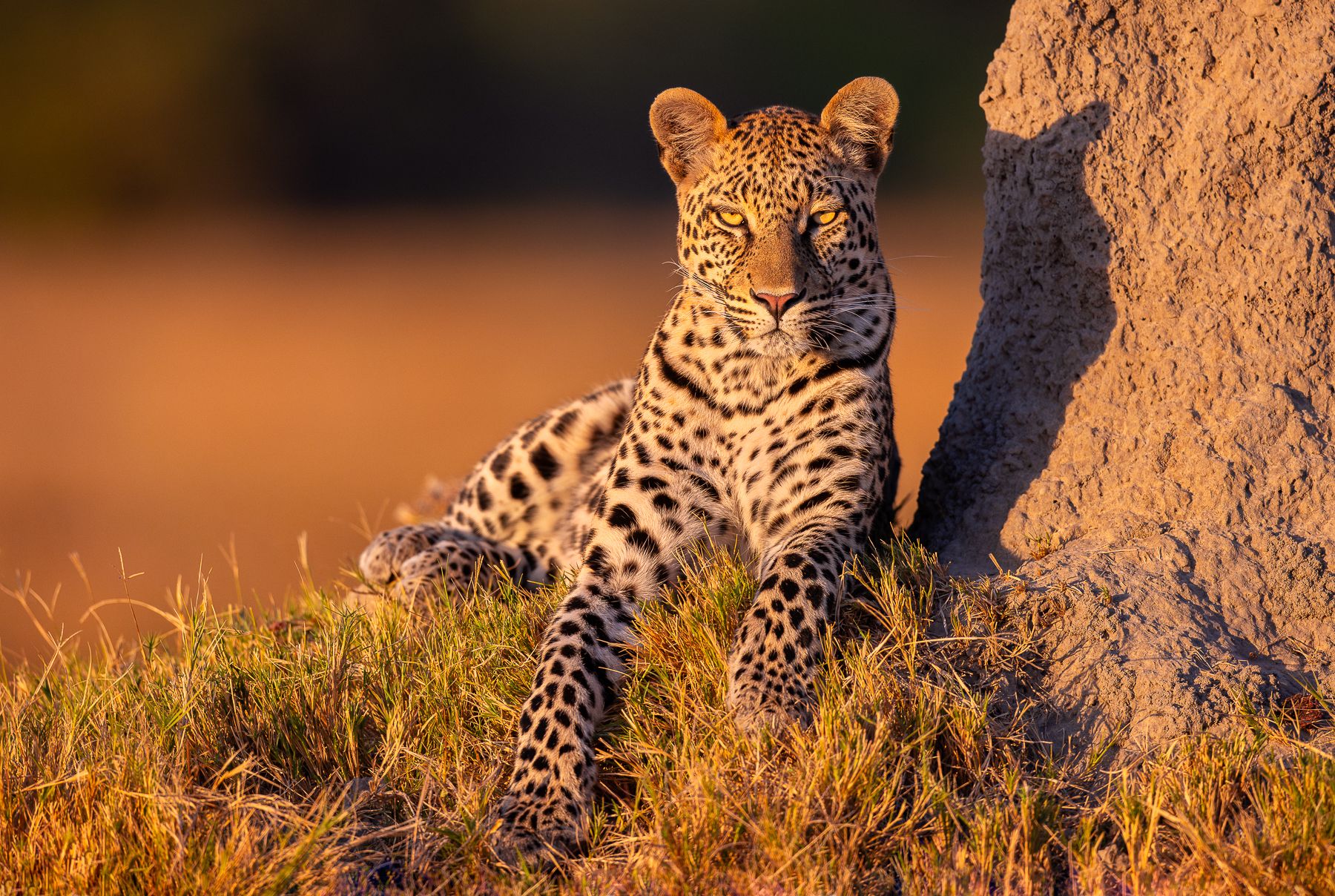 Wildlife Guides
Complete Guide to African Wild Dog Pack Dynamics
Learn all about Complete Guide to African Wild Dog Pack Dynamics in this comprehensive guide. Discover the best time to go, what to see, and how to plan your trip.
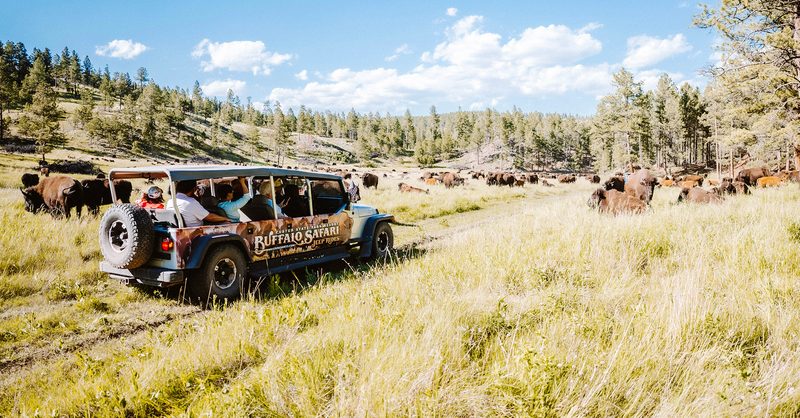 Wildlife Guides
Complete Guide to African Lion Behavior
Delve into the complex social structure, hunting techniques, and communication methods of the African lion. Understand the king of the savanna with this in-depth guide.
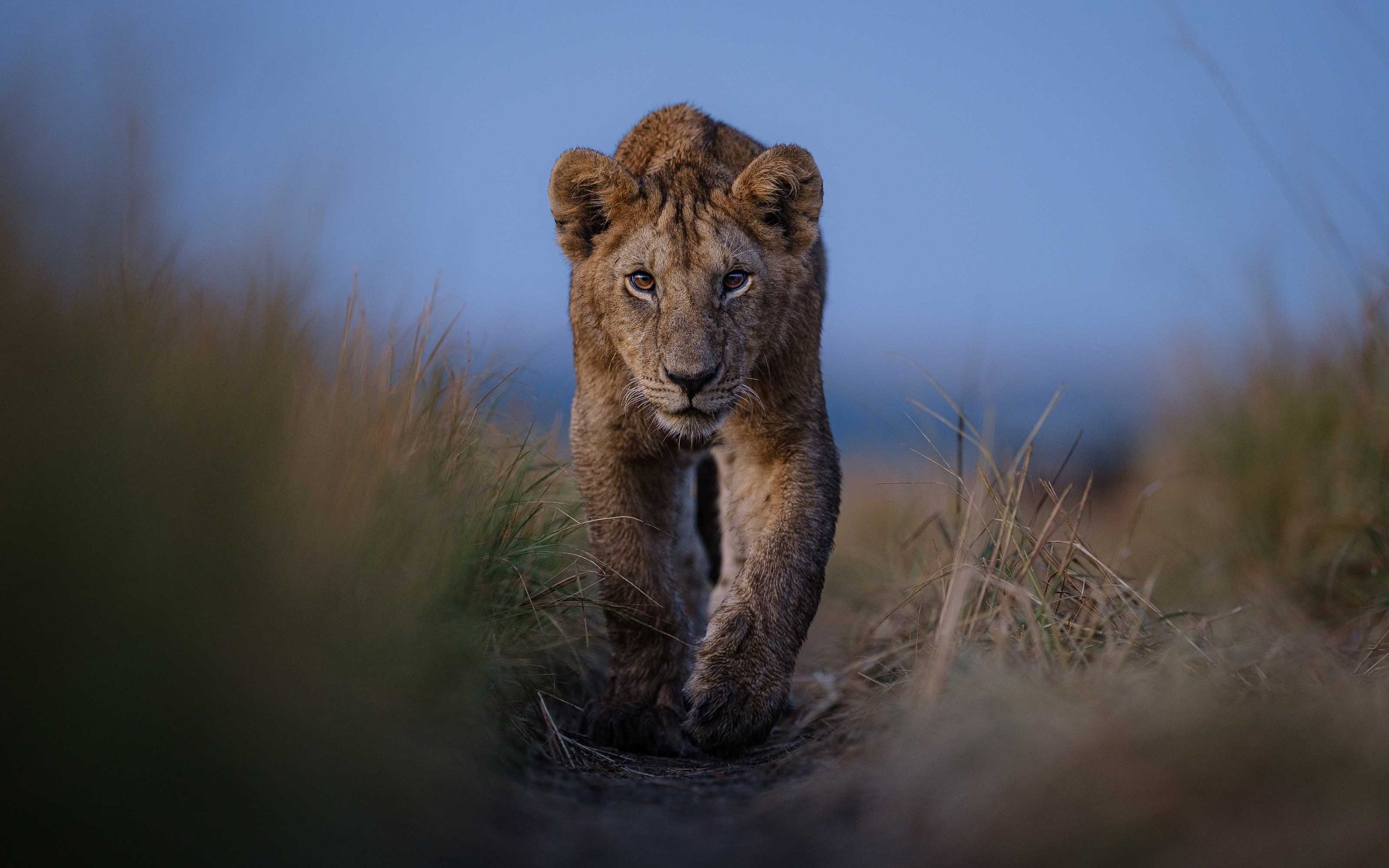 Wildlife Guides
Complete Guide to African Buffalo Herds
Learn all about Complete Guide to African Buffalo Herds in this comprehensive guide. Discover the best time to go, what to see, and how to plan your trip.
 Country Guides
Complete Safari Guide to South Africa
Your complete guide to Complete Safari Guide to South Africa. Find the best destinations, planning tips, and more for your next safari adventure.
 Safari Planning
Step-by-Step Guide to Planning an African Safari
Learn how to plan your first African safari with our step-by-step guide. We cover everything from choosing a destination to booking your trip and packing.
 Destination Guides
Complete Guide to Table Mountain National Park
A complete guide to Complete Guide to Table Mountain National Park. Learn about the wildlife, activities, and best time to visit this amazing destination.