
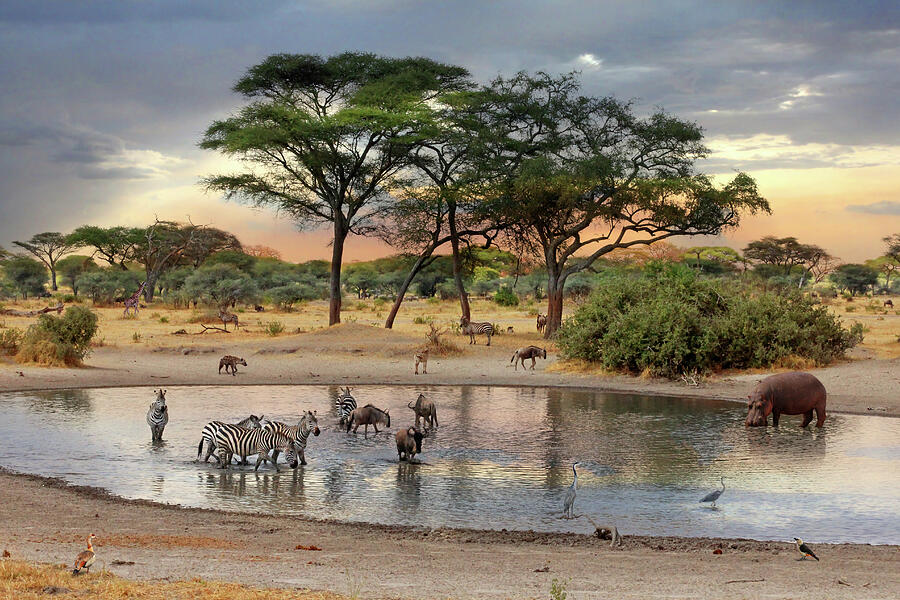
Learn all about Complete Guide to Caracal in this comprehensive guide. Discover the best time to go, what to see, and how to plan your trip.
Introduction to Complete Guide to Caracal
Exploring complete guide to caracal reveals the depth and complexity of African safari travel. Whether you're drawn to the vast savannas of East Africa or the lush waterways of Southern Africa, this knowledge will serve you well throughout your journey.
Key Details and Considerations
Several critical factors influence complete guide to caracal in the African safari context. Geographic location, time of year, and the specific activities you're interested in all play important roles. The diversity of Africa's safari destinations means that no two experiences are alike, and understanding these nuances helps you plan more effectively. Our destination guides provide detailed information for each region.
Still researching? Let us help.
Our advisory team has planned safaris across 9 African countries. We can turn your research into a real plan.
Talk to an AdvisorPractical Advice
When applying insights about complete guide to caracal to your safari planning, remember that the best experiences come from thoughtful preparation combined with openness to the unexpected. Africa has a way of surprising even the most seasoned travelers. Use our comprehensive planning resources to build a solid foundation, then trust your guides and the wilderness to deliver moments you'll never forget.
Expert Insights
The landscape of complete guide to caracal reflects broader trends in African tourism, including the growing emphasis on authentic experiences, wildlife conservation, and cultural exchange. Modern safari travelers are more informed and discerning than ever, seeking meaningful connections with the natural world rather than simply checking off a bucket list. Our knowledge center supports this approach with in-depth articles covering every aspect of safari travel.
Planning Your Next Steps
In summary, complete guide to caracal is a multifaceted topic that rewards careful study and thoughtful planning. Whether you're a first-time safari traveler or a returning enthusiast, staying informed about the latest developments and best practices ensures the best possible experience. Explore our destinations, consult our safari operators, and use our cost calculator to begin planning your African adventure today.
Done Reading? Let's Build Your Safari.
Skip the guesswork. Work with an advisor who has been on the ground across East and Southern Africa.
Plan With UsThe Caracal's Hunting Prowess: A Master of Stealth and Power
The caracal is a formidable predator, renowned for its stealth, agility, and surprising power. Unlike larger cats that often rely on brute strength, the caracal is a specialist hunter, employing a refined technique that makes it one of Africa's most efficient small carnivores. Their diet is varied and adaptable, primarily consisting of birds, rodents, hyraxes, and hares. However, they are more than capable of taking down larger prey, including small antelopes like duikers and young impala, sometimes tackling animals two to three times their own body weight.
What truly sets the caracal apart is its incredible acrobatic ability. These cats are famous for their vertical leaps, capable of launching themselves more than 10 feet (3 meters) into the air from a standstill to snatch birds in mid-flight. This remarkable skill is a testament to their powerful hind legs and exceptional coordination. When hunting terrestrial prey, the caracal employs a classic stalk-and-pounce strategy. It will patiently and silently stalk its target, using its tawny coat for camouflage, before launching a swift and explosive attack, typically killing with a precise bite to the neck or throat.
> Expert Insight: The tufts on a caracal's ears, while visually striking, are also highly functional. Scientists believe they enhance hearing by channeling sound waves into the ears, allowing them to detect the subtle movements of prey. They may also be used for communication with other caracals.
Where to Find the Elusive Caracal: Habitat and Distribution
Caracals are highly adaptable and can be found across a wide range of habitats throughout Africa and the Middle East, extending into Central Asia and India. They are most at home in savanna, woodlands, and semi-arid regions, but can also be found in montane forests and scrubland. Their adaptability allows them to thrive in environments that are often too dry or rugged for other cat species. They are, however, generally absent from the dense tropical rainforests of Central and West Africa.
Despite their wide distribution, caracals are notoriously difficult to spot on safari. They are primarily nocturnal or crepuscular (active at dawn and dusk), and their solitary, secretive nature means they are rarely seen during the day. Their exceptional camouflage and preference for dense cover make them masters of concealment. However, for the patient and determined safari enthusiast, a sighting is a truly rewarding experience.
Some of the best places to increase your chances of a caracal sighting in Africa include:
- South Africa: The Eastern Cape, particularly in private reserves like Kariega Game Reserve, and the Western Cape's West Coast National Park are known for relatively frequent sightings. The arid landscapes of the Kgalagadi Transfrontier Park and the rocky outcrops of Mapungubwe National Park are also prime caracal territory.
- Namibia: The open plains and rocky areas of Etosha National Park and the rugged terrain of Damaraland offer excellent opportunities for spotting these elusive cats, especially during night drives.
- Tanzania: While less common than in Southern Africa, caracals are present in the Serengeti ecosystem and Ruaha National Park. Night drives in designated areas can sometimes yield a lucky sighting.
- Kenya: The savannas of Tsavo West National Park and the Samburu National Reserve are home to healthy caracal populations, though sightings remain rare.
> Traveler's Tip: To maximize your chances of seeing a caracal, be sure to book safaris that offer night drives. Inform your safari planning guide that a caracal sighting is a priority for you, as they can recommend specific lodges and guides known for their expertise in tracking these elusive predators.
The Life of a Solitary Hunter: Behavior and Social Structure
Caracals are solitary animals, with males and females coming together only briefly to mate. Both sexes are highly territorial and maintain home ranges that they mark with urine and claw scratches. The size of these territories can vary significantly depending on the availability of food and resources, ranging from as small as 5 square kilometers to over 200 square kilometers in more arid regions.
Communication between caracals is subtle and varied. They use a combination of vocalizations—including hisses, growls, purrs, and a distinctive 'bark'—as well as scent marking and visual signals like the ear tufts mentioned earlier. After a gestation period of around two and a half months, a female will give birth to a litter of one to six kittens in a secluded den, such as an abandoned aardvark burrow or a rocky crevice. The kittens are born blind and helpless, and will remain with their mother for about 10 months, learning the essential skills of hunting and survival before dispersing to establish their own territories.
Conservation and the Future of the Caracal
While the caracal is listed as a species of 'Least Concern' by the IUCN, local populations in some areas are facing increasing threats. Habitat loss and fragmentation due to agricultural expansion and human development are the primary challenges to their long-term survival. In some regions, they are also persecuted by livestock farmers who view them as a threat to their animals.
Conservation efforts are focused on mitigating human-wildlife conflict, protecting and connecting habitats, and conducting further research to better understand the needs of these elusive cats. By supporting responsible tourism and conservation-focused safari operators, you can play a role in ensuring that these magnificent animals continue to grace the African wilderness for generations to come. To learn more about conservation initiatives and how you can contribute, visit our knowledge center.
Need Expert Safari Guidance?
Get expert advisory support from a firm founded by a former safari guide — with real operational knowledge across 9 African countries and full-journey accountability.
Related Planning Guides
Explore Related Topics
Recommended Reading
 Wildlife Guides
Complete Guide to African Lion Behavior
Delve into the complex social structure, hunting techniques, and communication methods of the African lion. Understand the king of the savanna with this in-depth guide.
 Wildlife Guides
Complete Guide to Cheetah Speed and Hunting
Learn all about Complete Guide to Cheetah Speed and Hunting in this comprehensive guide. Discover the best time to go, what to see, and how to plan your trip.
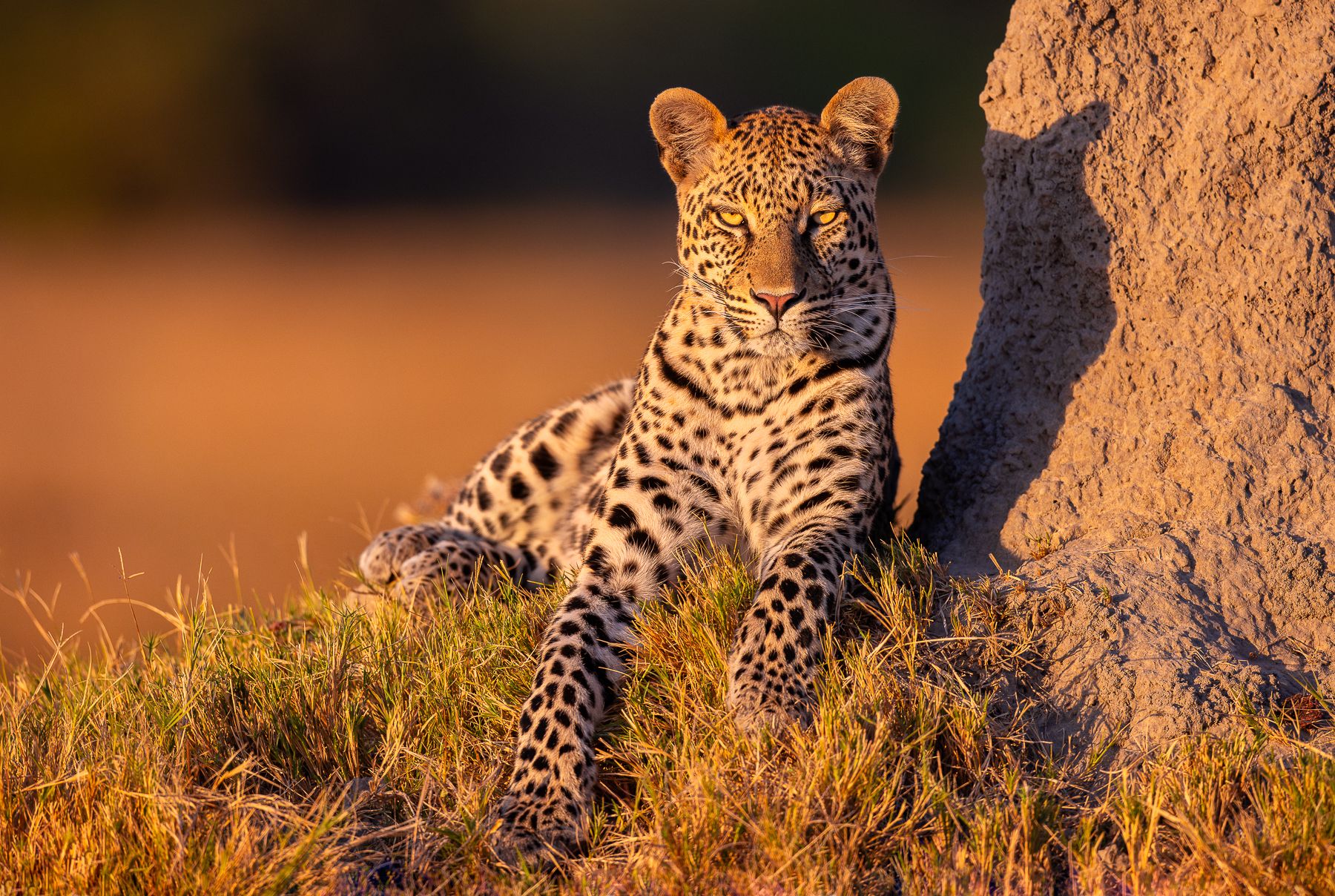 Wildlife Guides
Complete Guide to African Wild Dog Pack Dynamics
Learn all about Complete Guide to African Wild Dog Pack Dynamics in this comprehensive guide. Discover the best time to go, what to see, and how to plan your trip.
 Destination Guides
Complete Guide to Table Mountain National Park
A complete guide to Complete Guide to Table Mountain National Park. Learn about the wildlife, activities, and best time to visit this amazing destination.
 Destination Guides
Complete Guide to Garden Route Safari Options
A complete guide to Complete Guide to Garden Route Safari Options. Learn about the wildlife, activities, and best time to visit this amazing destination.
 Destination Guides
Complete Guide to Sabi Sands Game Reserve
A complete guide to Complete Guide to Sabi Sands Game Reserve. Learn about the wildlife, activities, and best time to visit this amazing destination.