
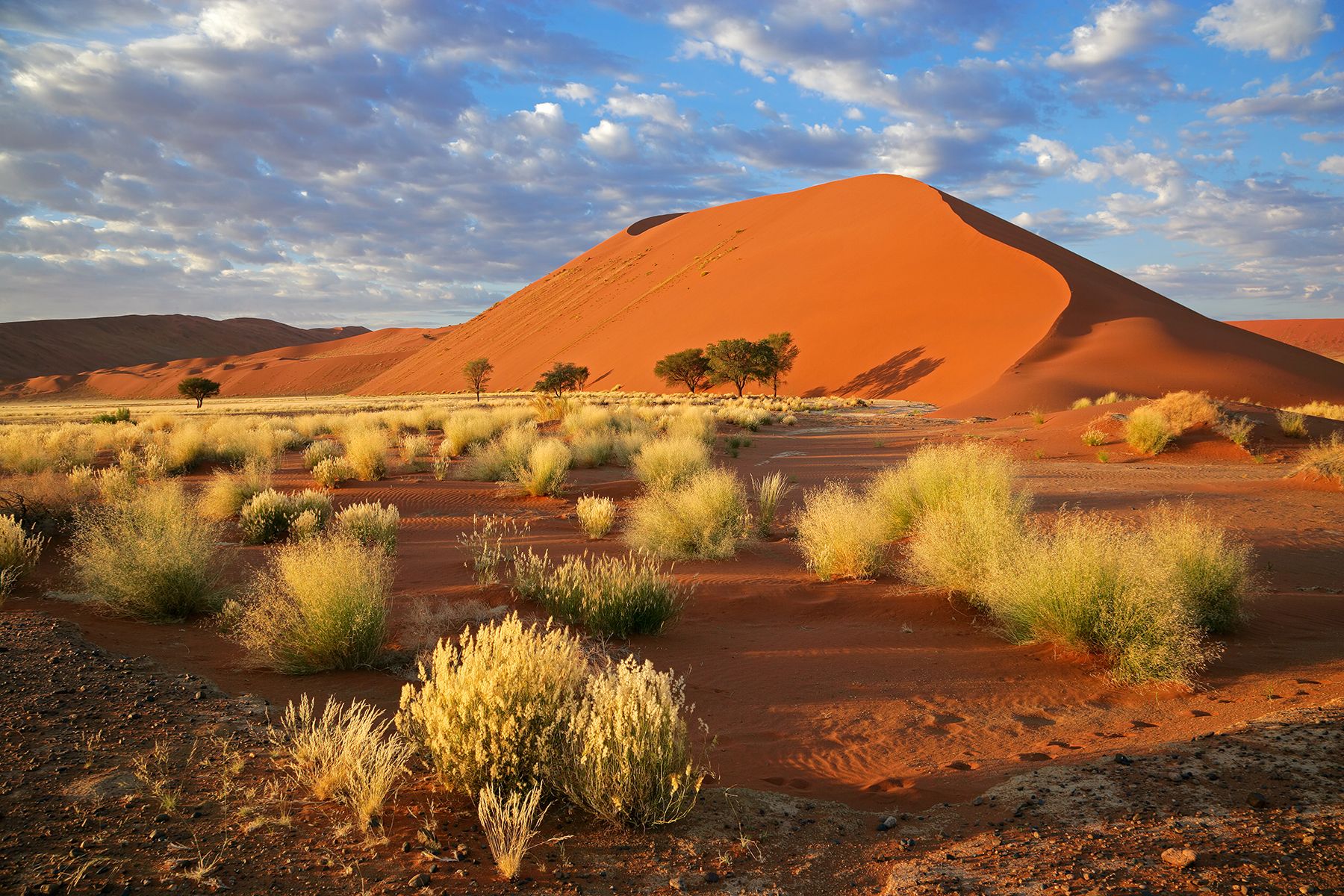
Learn all about Complete Guide to Black Rhinoceros Conservation in this comprehensive guide. Discover the best time to go, what to see, and how to plan your trip.
Introduction to Complete Guide to Black Rhinoceros Conservation
When it comes to complete guide to black rhinoceros conservation, experienced safari travelers know that preparation makes all the difference. Africa's diverse landscapes and ecosystems offer unique opportunities, and knowing what to expect helps you make the most of every moment on safari.
Key Details and Considerations
The most important aspects of complete guide to black rhinoceros conservation involve understanding local conditions, seasonal variations, and the unique characteristics of different safari regions. Each destination across Africa offers something distinct, from the Serengeti's endless plains to the Okavango Delta's waterways. Working with experienced safari operators ensures you receive guidance tailored to your specific interests and travel dates.
Still researching? Let us help.
Our advisory team has planned safaris across 9 African countries. We can turn your research into a real plan.
Talk to an AdvisorPractical Advice
When applying insights about complete guide to black rhinoceros conservation to your safari planning, remember that the best experiences come from thoughtful preparation combined with openness to the unexpected. Africa has a way of surprising even the most seasoned travelers. Use our comprehensive planning resources to build a solid foundation, then trust your guides and the wilderness to deliver moments you'll never forget.
Expert Insights
The landscape of complete guide to black rhinoceros conservation reflects broader trends in African tourism, including the growing emphasis on authentic experiences, wildlife conservation, and cultural exchange. Modern safari travelers are more informed and discerning than ever, seeking meaningful connections with the natural world rather than simply checking off a bucket list. Our knowledge center supports this approach with in-depth articles covering every aspect of safari travel.
Planning Your Next Steps
To wrap up, mastering complete guide to black rhinoceros conservation is an investment that pays dividends throughout your safari journey. The more you understand about Africa's diverse ecosystems, wildlife, and tourism infrastructure, the better equipped you'll be to make decisions that lead to extraordinary experiences. Start your planning journey with our comprehensive knowledge center and connect with our team of experienced safari operators for personalized guidance.
Done Reading? Let's Build Your Safari.
Skip the guesswork. Work with an advisor who has been on the ground across East and Southern Africa.
Plan With UsThe Black Rhino’s World: Behavior, Diet, and Social Structure
Understanding the black rhinoceros (Diceros bicornis) begins with appreciating its unique adaptations and behaviors, shaped by millennia in the African bush. Contrary to the placid image of a grazing herbivore, the black rhino is a browser with a distinctive prehensile upper lip, which it uses with surprising dexterity to grasp leaves, branches, and shrubs. This dietary preference is a key ecological differentiator from the grass-eating white rhino and influences its habitat selection, favoring thickets and woodlands over open grasslands.
Black rhinos are largely solitary animals, with adults typically only coming together for short periods to mate. A bull will establish a territory and defend it, using a combination of scent marking—spraying urine and creating dung heaps known as middens—and physical intimidation to warn off rivals. These middens act as a kind of social network, providing information about the identity, age, and reproductive status of other rhinos in the area. While they have notoriously poor eyesight, their senses of smell and hearing are exceptionally acute, serving as their primary tools for detecting threats from a distance.
> Expert Insight: The seemingly aggressive and unpredictable nature of the black rhino is often a defensive response to its poor vision. Unable to clearly identify a distant shape, a rhino may charge first and ask questions later, a crucial survival instinct in a landscape of predators. Understanding this helps safari-goers interpret their behavior with respect and caution.
The Poaching Crisis and Beyond: A Deeper Look at Threats
The most significant threat to the black rhino’s survival is, without question, poaching. The demand for rhino horn, primarily in parts of Asia, is driven by its use in traditional medicine—despite a complete lack of scientific evidence for its efficacy—and its emergence as a status symbol to display wealth. This demand has fueled a brutal and sophisticated illegal trade, equipping poaching syndicates with advanced technology like helicopters, night-vision goggles, and veterinary tranquilizers.
However, the threats extend beyond poaching. Habitat loss and fragmentation pose a serious and growing challenge. As human populations expand, agricultural and settlement frontiers encroach upon historical rhino habitats, shrinking their available range and isolating populations. This isolation prevents genetic exchange, making smaller groups more vulnerable to disease and environmental changes. Political instability and corruption in some regions further exacerbate the problem, undermining law enforcement and creating an environment where poaching can flourish with impunity. To learn more about the complex conservation landscape, visit our knowledge center.
Where to See Black Rhinos: A Guide to Key Conservation Strongholds
While critically endangered, dedicated conservation efforts have created several strongholds where black rhino populations are stable or even growing. Planning a safari to these areas not only increases your chances of a sighting but also directly supports their protection. Our safari operators can help you craft the perfect itinerary.
Here are some of the best destinations for black rhino tracking:
| Destination | Country | Key Highlights & Conservation Notes | |---|---|---| | Ol Pejeta Conservancy | Kenya | Home to the largest black rhino population in East Africa, Ol Pejeta is a global leader in conservation innovation. It was famously home to the last two northern white rhinos on Earth. Its robust anti-poaching units and advanced monitoring make it a sanctuary for the species. | | Hluhluwe-iMfolozi Park | South Africa | As the oldest proclaimed nature reserve in Africa, this park is the historic heart of rhino conservation. It was here that the white rhino was brought back from the brink of extinction, and today it is a crucial sanctuary for both black and white rhino species. | | Damaraland | Namibia | This vast, unfenced, and arid landscape is home to a unique population of desert-adapted black rhinos. Tracking them on foot with experts from Save the Rhino Trust is a profound and humbling experience, offering a glimpse into a truly wild and resilient ecosystem. | | Lewa Wildlife Conservancy | Kenya | A UNESCO World Heritage Site, Lewa is another pillar of Kenyan rhino conservation. Its community-focused model ensures that local people benefit directly from wildlife tourism, creating a powerful incentive for conservation and providing a safe haven for rhinos. |
Your Safari, Their Survival: How Tourism Fuels Conservation
Well-managed, ethical safari tourism is one of the most effective tools in the conservationist’s arsenal. When you visit a national park or conservancy, the conservation fees you pay—often included in your daily park entry or accommodation rate—are a critical source of funding. This revenue directly supports the salaries of rangers, the maintenance of patrol vehicles, and the implementation of advanced security measures to protect rhinos from poachers.
Furthermore, the consistent presence of safari vehicles and tourists in an area acts as a natural deterrent to illegal activity. Poachers are less likely to operate in areas with a high volume of legitimate traffic. By choosing to go on safari, you become part of a vital surveillance network that helps keep wildlife safe.
> Traveler's Tip: When selecting a safari operator, ask about their conservation policies. Reputable companies will be transparent about how they support local conservation projects and communities. Your choice matters, so plan your safari with an operator committed to making a positive impact.
Planning a Rhino-Focused Safari
A safari centered on rhino conservation offers a unique and purposeful journey. The best time to travel often coincides with the dry season (typically June to October) in most safari destinations, as the sparser vegetation and reliance on waterholes make rhinos easier to locate. However, our destinations guide offers more specific advice for each region.
Consider combining a premier wildlife destination like the Maasai Mara with a dedicated conservancy like Lewa or Ol Pejeta. This allows you to experience the full breadth of an African safari while spending focused time in an area renowned for its rhino conservation success. Use our cost calculator to estimate your budget and connect with our safari operators to design a trip that aligns with your interests and contributes meaningfully to the protection of this iconic species.
Need Expert Safari Guidance?
Get expert advisory support from a firm founded by a former safari guide — with real operational knowledge across 9 African countries and full-journey accountability.
Related Planning Guides
Explore Related Topics
Recommended Reading
 Wildlife Guides
Complete Guide to White Rhinoceros Behavior
Learn all about Complete Guide to White Rhinoceros Behavior in this comprehensive guide. Discover the best time to go, what to see, and how to plan your trip.
 Wildlife Guides
Complete Guide to Pangolin Conservation
Learn all about Complete Guide to Pangolin Conservation in this comprehensive guide. Discover the best time to go, what to see, and how to plan your trip.
 Wildlife Guides
Complete Guide to Black Mamba
A comprehensive guide to Complete Guide to Black Mamba. Learn about its habitat, behavior, diet, and conservation status.
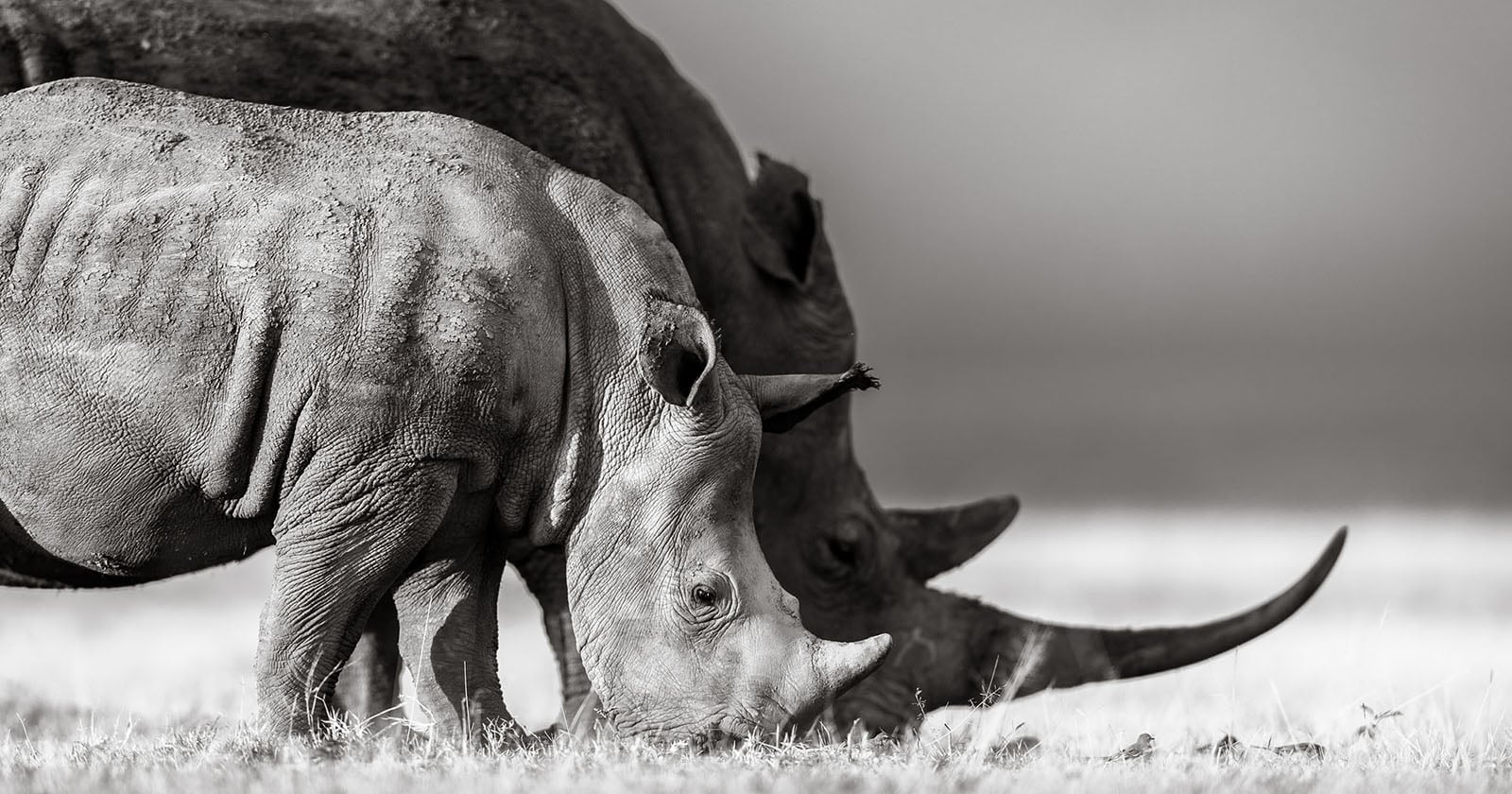 Safari Planning Guides
How to Plan a Safari for Rhino Conservation
Learn about how to plan a safari for rhino conservation in this comprehensive safari guide covering key insights and practical advice.
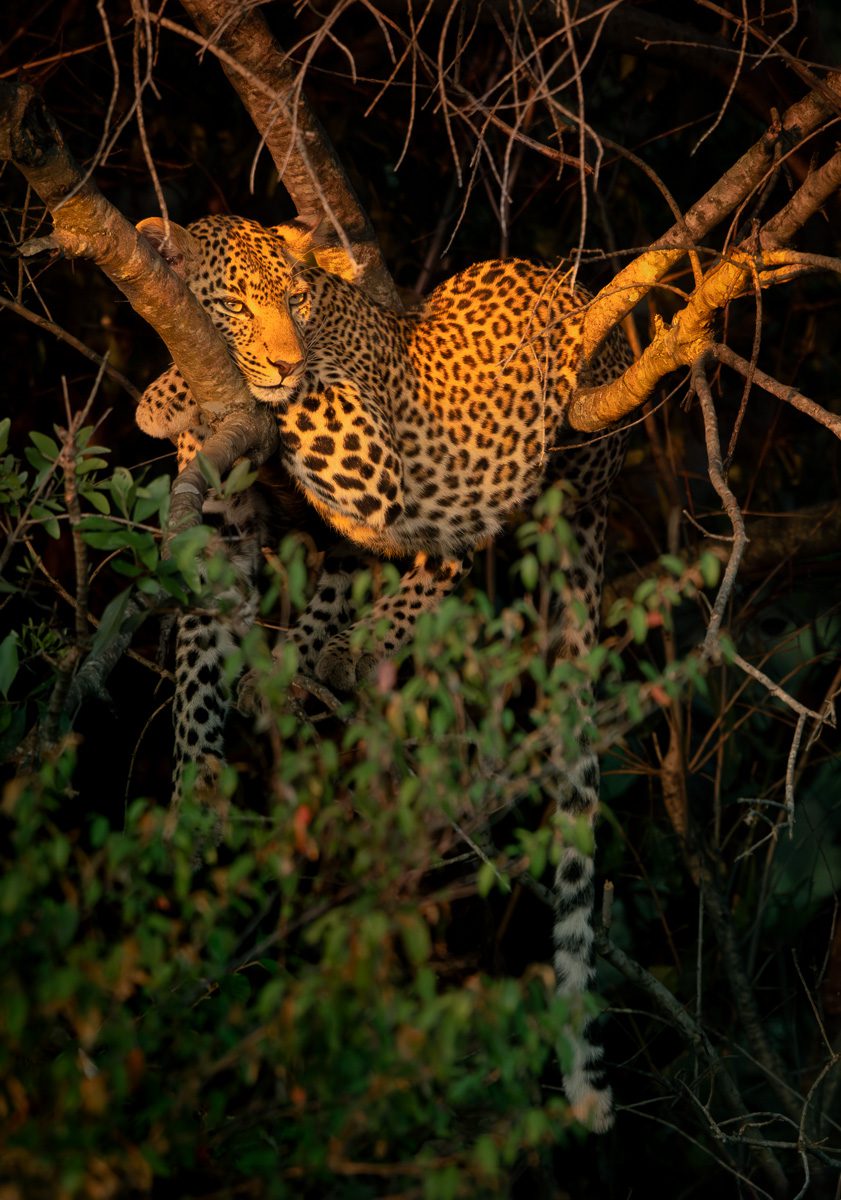 Destination Guides
Complete Guide to Table Mountain National Park
A complete guide to Complete Guide to Table Mountain National Park. Learn about the wildlife, activities, and best time to visit this amazing destination.
 Destination Guides
Complete Guide to Garden Route Safari Options
A complete guide to Complete Guide to Garden Route Safari Options. Learn about the wildlife, activities, and best time to visit this amazing destination.