
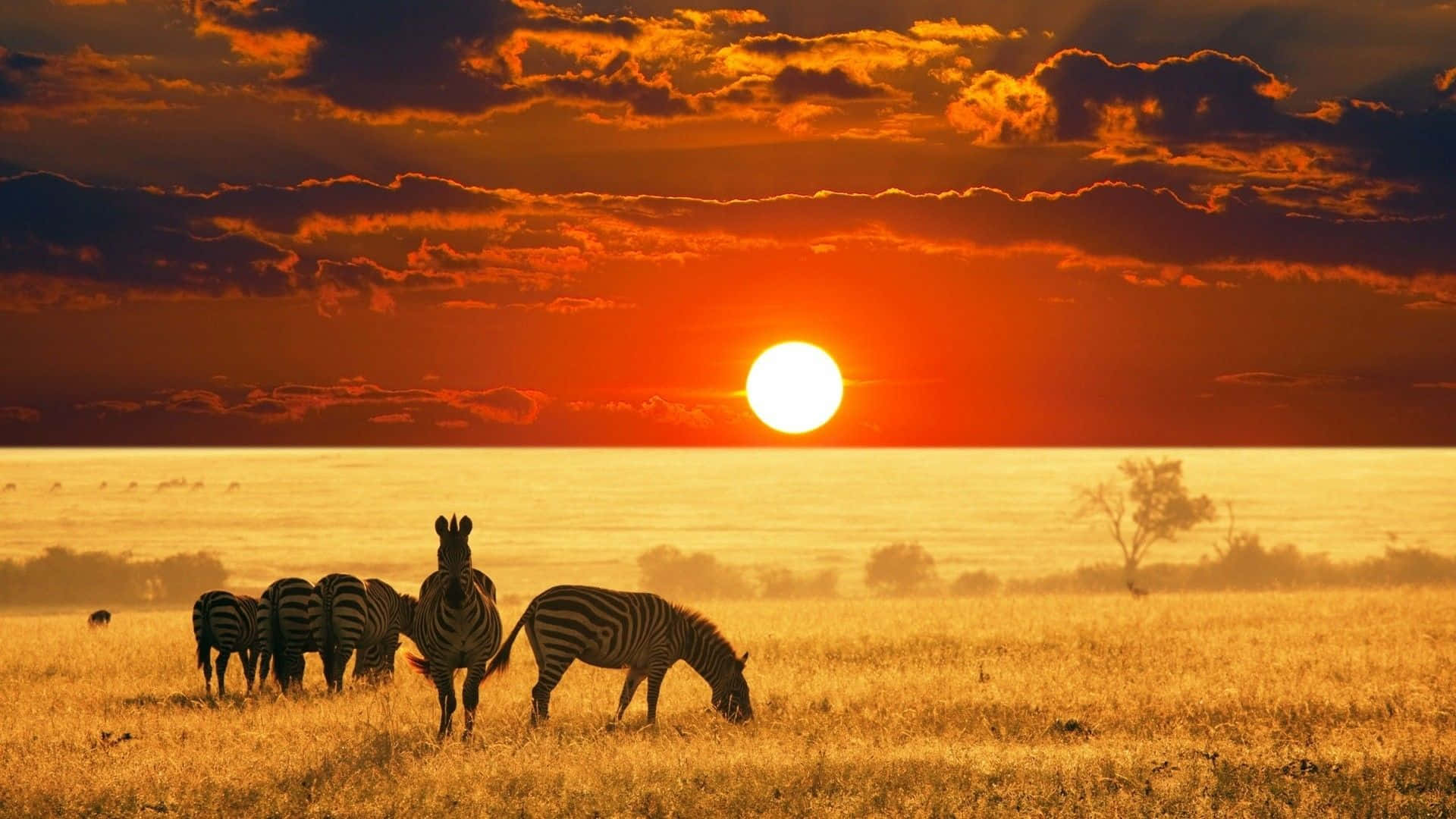
Discover the secrets of the African bush after dark with our complete guide to night safaris. Learn what to expect, where to go, and what you might see.
'''A night safari is an entirely different way to experience the African bush. As the sun sets and the familiar sights and sounds of a daytime game drive fade, a new world awakens. The air cools, the sky fills with stars, and the nocturnal animals of Africa begin to stir. For many travelers, a night drive is a highlight of their safari, offering a rare glimpse into a side of the wilderness that few get to see. It's a chance to find elusive predators, listen to the unique sounds of the night, and appreciate the bush from a completely new perspective. This guide will walk you through everything you need to know about night safaris, from what you can expect to see to the best destinations for this unique adventure.
What is a Night Safari?
A night safari, also known as a night game drive, is a guided wildlife viewing excursion that takes place after sunset. Unlike daytime drives that focus on the animals active during the day, night safaris are all about discovering the nocturnal creatures of the bush. These drives are typically conducted in open-sided 4x4 safari vehicles, allowing for unobstructed views. The key piece of equipment for a night safari is a powerful spotlight, operated by either the guide or a dedicated spotter. This light is used to scan the darkness and illuminate animals as they are found. The goal is to locate wildlife without disturbing it, and experienced guides are skilled at using the light in a way that minimizes impact. Night safaris are not permitted in all national parks and reserves, so they are often a more exclusive experience found in private conservancies or specific parks with regulations that allow for after-dark activities.
How it Differs from a Day Safari
The most obvious difference is the time of day, but the entire experience feels fundamentally different. During the day, you rely on your sight to spot animals against the landscape. At night, your senses are heightened. You listen more intently to every rustle in the grass and every distant call. The spotlight creates a focused beam of light, making the experience feel more intimate and suspenseful. You never know what the light will reveal next. The types of animals you see are also different. While you might see some familiar species, the night belongs to the nocturnal specialists.
The Nocturnal World: What You Might See
The darkness hides a fascinating array of animals that are either exclusively nocturnal or far more active at night. While sightings are never guaranteed, a night safari significantly increases your chances of encountering some of Africa's most elusive and interesting creatures.
Elusive Predators
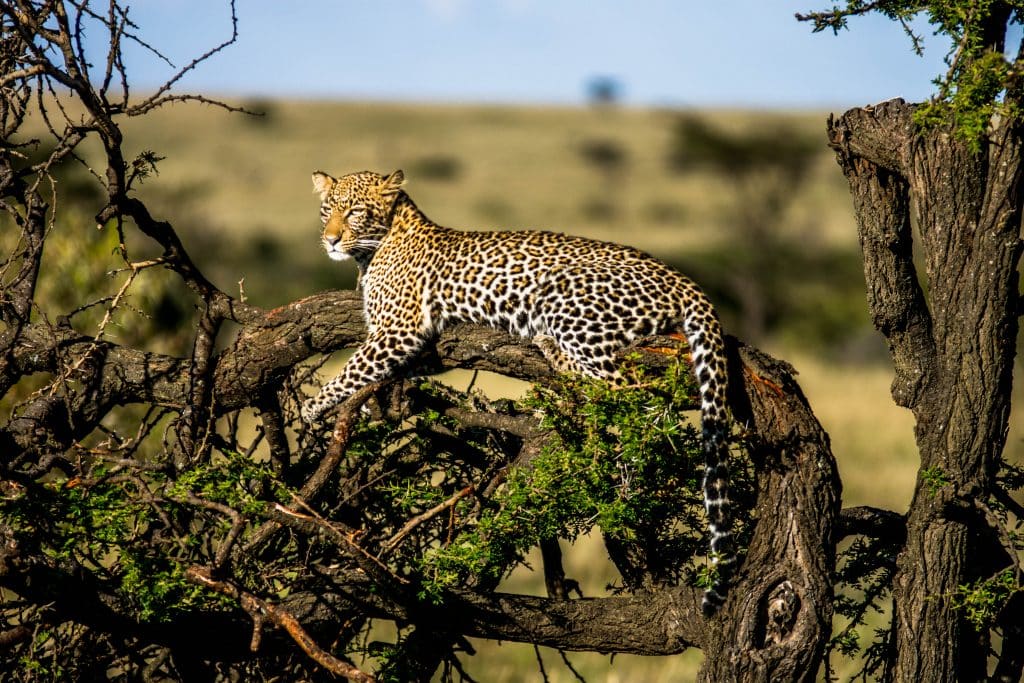
Many of Africa's iconic predators use the cover of darkness to their advantage. Leopards, which are famously shy and often spend their days resting in trees, are frequently seen on night drives as they descend to hunt. The focused beam of a spotlight can often catch the reflection of their eyes long before you see the animal itself. Lions and hyenas are also highly active at night, and you may be lucky enough to witness a hunt or a territorial dispute. Smaller carnivores like the serval, caracal, and African wildcat are also primarily nocturnal and are a special treat to see.
Unique Nocturnal Mammals
Beyond the big cats, there is a host of other fascinating mammals that emerge after dark. The genet, a slender, cat-like creature with a spotted coat and a long, ringed tail, is a common sight on night safaris. You might also spot the civet, a larger, stockier animal known for the musky scent it produces. One of the most endearing nocturnal creatures is the bushbaby, or galago, a small primate with enormous eyes that allow it to see in low light. You will often see them leaping between branches in search of insects and tree gum. Other possibilities include the aardvark, porcupine, and the strange-looking springhare.
Still researching? Let us help.
Our advisory team has planned safaris across 9 African countries. We can turn your research into a real plan.
Talk to an AdvisorTop Destinations for Night Safaris
While the idea of a night safari is appealing, it's important to know that they are not offered everywhere. The best opportunities are typically found in private reserves and conservancies, or in specific national parks that have regulations permitting night drives. Here are some of the top destinations for a memorable night safari experience.
[South Luangwa](/destinations/zambia) National Park, Zambia
Zambia, and specifically the South Luangwa National Park, is often hailed as the home of the walking safari, but it is also one of the best places in Africa for night drives. The park's regulations have long permitted night safaris, and the local guides are experts at finding nocturnal animals. South Luangwa is particularly famous for its leopard sightings, and it's not uncommon to see multiple individuals on a single drive. The park's diverse habitats, from riverine forests to open plains, support a wide variety of nocturnal species.
Private Conservancies in Kenya
In Kenya, the national parks and reserves generally have strict rules that require vehicles to be back at the lodge by sunset. However, the private conservancies that border these parks, such as those around the Maasai Mara, offer much more flexibility. Staying at a lodge within one of these conservancies, like the Olare Motorogi or Mara North conservancies, gives you exclusive access to night drives. This offers a less crowded and more intimate safari experience, with excellent chances of seeing everything from lions on the move to the smaller, more unusual nocturnal animals.
Sabi Sands Game Reserve, South Africa
The private reserves of the Sabi Sands, which share an unfenced border with the world-renowned Kruger National Park, are legendary for their wildlife viewing, and night safaris are a staple of the experience here. The density of leopards in the Sabi Sands is exceptionally high, making it one of the most reliable places on the continent to see these beautiful cats. The guides are in radio contact, sharing information about sightings, which increases your chances of seeing something special.
The Night Safari Experience: What to Expect
A typical night safari begins just as the sun is setting. You might stop for a "sundowner," a classic safari tradition of enjoying a drink and snacks while watching the sunset, before continuing your drive into the darkness. The drive itself usually lasts for two to three hours.
The Role of the Guide and Spotter
Your guide and spotter are the keys to a successful night safari. The driver will navigate the tracks, while the spotter operates the high-powered spotlight, methodically scanning the bush for any sign of life. They are looking for the tell-tale reflection of eyes, the flick of an ear, or the silhouette of an animal against the skyline. Their knowledge of animal behavior and the local terrain is what makes finding wildlife possible.
Using the Spotlight
Responsible guides are careful about how they use the spotlight. Once an animal is located, they will often use a red filter on the light, as this is less disruptive to most animals' vision. They will also avoid shining the light directly into an animal's eyes for an extended period. The goal is to observe without altering the animal's natural behavior.
Is a Night Safari Right for You?
A night safari is a unique and exciting activity, but it may not be for everyone. The pace can be slower than a daytime game drive, with long periods of quiet searching. It can also be cool, even in Africa, so it's essential to bring warm layers. For those with a sense of adventure and a desire to see the full spectrum of African wildlife, a night safari is an unmissable experience. It offers a profound appreciation for the rhythms of the bush and the incredible adaptations of its nocturnal inhabitants. If you are patient and curious, the rewards can be immense.
In conclusion, a night safari is more than just a game drive in the dark; it is a journey into a different world. It is an opportunity to connect with the African wilderness on a deeper level and to witness the drama and beauty that unfolds under the cover of night. If you have the chance to include a night safari in your itinerary, it is an experience you will not soon forget.'''
Need Expert Safari Guidance?
Get expert advisory support from a firm founded by a former safari guide — with real operational knowledge across 9 African countries and full-journey accountability.
Related Planning Guides
Explore Related Topics
Recommended Reading
 Additional Safari Topics
Boat Safaris Guide
Discover the ultimate guide to boat safaris in Africa. Learn about the best destinations like the Chobe River and Okavango Delta, and what to expect on a water-based wildlife adventure.
 Additional Safari Topics
Balloon Safaris Guide
Discover the magic of a hot air balloon safari in Africa. Our guide covers the best destinations, what to expect, and how to book this unforgettable experience.
 Wildlife Guides
Complete Guide to Termite Mounds on Safari
A comprehensive guide to Complete Guide to Termite Mounds on Safari. Learn about its habitat, behavior, diet, and conservation status.
 Wildlife Guides
Complete Guide to Safari Ant Species
A comprehensive guide to Complete Guide to Safari Ant Species. Learn about its habitat, behavior, diet, and conservation status.
 Wildlife Guides
Complete Guide to Butterfly Species on Safari
A comprehensive guide to Complete Guide to Butterfly Species on Safari. Learn about its habitat, behavior, diet, and conservation status.
 Safari Planning
Step-by-Step Guide to Planning an African Safari
Learn how to plan your first African safari with our step-by-step guide. We cover everything from choosing a destination to booking your trip and packing.