
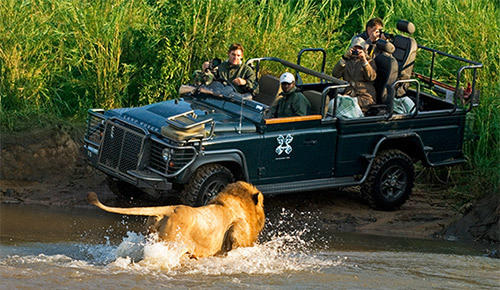
Discover the essentials of luxury safari sustainability practices for an unforgettable African safari adventure.
Luxury Safari Sustainability Practices
One of the most common questions we receive from safari travelers relates to luxury safari sustainability practices. After helping hundreds of travelers plan their African adventures, we have compiled this detailed resource to address every aspect of this important topic.
Expert Recommendations: Luxury Safari Sustainability Practices
Safari advisors consistently recommend starting your planning process at least six to twelve months before your intended travel dates. This lead time allows you to secure preferred accommodations, take advantage of early booking rates, and properly prepare for all aspects of luxury safari sustainability practices.
Working with a qualified safari planning guide can significantly improve your experience with luxury safari sustainability practices. Advisors who have personal experience in your chosen destinations can provide insights that no guidebook or website can match. They understand the subtle differences between properties, the best times to visit specific areas, and how to structure an itinerary that maximizes your time.
Budget considerations play an important role in luxury safari sustainability practices. While it is tempting to cut corners, experienced travelers consistently report that investing in quality where it matters most leads to significantly better outcomes. The key is knowing where to allocate your budget for maximum impact.
Still researching? Let us help.
Our advisory team has planned safaris across 9 African countries. We can turn your research into a real plan.
Talk to an AdvisorMaking the Most of Your Experience: Luxury Safari Sustainability Practices
To truly optimize luxury safari sustainability practices, approach your safari with an open mind and realistic expectations. Africa has a way of surprising even the most experienced travelers, and some of the best moments come from unexpected encounters and unplanned detours.
Photography enthusiasts should pay special attention to luxury safari sustainability practices as it relates to their equipment and technique. The lighting conditions, distances, and movement patterns of African wildlife create unique challenges and opportunities that benefit from advance preparation.
Finally, remember that a safari is more than just wildlife viewing. The cultural experiences, landscapes, and personal connections you make along the way are equally valuable. Approaching luxury safari sustainability practices with this broader perspective will enrich your entire journey.
Understanding the Fundamentals
Experienced safari operators emphasize that preparation is the single most important factor in luxury safari sustainability practices. This means doing your research well in advance, consulting with knowledgeable advisors, and being willing to adapt your plans based on current conditions. The best safari experiences come from travelers who approach their journey with both enthusiasm and informed flexibility.
The foundation of luxury safari sustainability practices begins with understanding the basic principles. Safari environments across Africa present unique conditions that differ significantly from what most travelers are accustomed to. In East Africa, the vast savannas of Kenya and Tanzania create one set of considerations, while the dense forests of Uganda and Rwanda present entirely different challenges. Southern African destinations like Botswana and South Africa add yet another dimension.
Seasonal Factors and Timing
Weather patterns across Africa are becoming less predictable due to climate change, which adds another layer of consideration to luxury safari sustainability practices. Working with operators who have current, on-the-ground knowledge of conditions is more important than ever.
Peak season brings excellent wildlife viewing but also higher prices and more crowded parks. Shoulder seasons offer a balance of good conditions and fewer crowds. Understanding how seasonal factors affect luxury safari sustainability practices helps you choose the optimal time for your specific priorities.
Done Reading? Let's Build Your Safari.
Skip the guesswork. Work with an advisor who has been on the ground across East and Southern Africa.
Plan With UsSafety and Health Considerations
Travel insurance that specifically covers safari activities is strongly recommended. Standard travel insurance policies may not cover all the activities and situations you might encounter on an African safari. Ensure your policy covers medical evacuation, trip cancellation, and activity-specific risks.
Health preparation is an essential component of luxury safari sustainability practices. Consult with a travel medicine specialist at least six weeks before your departure to discuss vaccinations, malaria prophylaxis, and other health precautions specific to your destinations.
Related Resources
For more information on planning your safari, explore our destination guides, browse the safari operator directory, or connect with an experienced safari planning guide for personalized guidance.
The Role of Community Empowerment in Sustainable Luxury Safaris
True luxury safari sustainability extends beyond environmental conservation to encompass the well-being of local communities. Leading safari operators recognize that the long-term health of Africa's wild places is intrinsically linked to the prosperity of the people who live alongside them. When local communities benefit directly from tourism, they become powerful allies in the fight against poaching and habitat destruction.
Many high-end lodges and camps are deeply involved in community empowerment projects, which can take many forms:
- Education: Funding for schools, scholarships for promising students, and vocational training programs that equip local people with the skills needed for employment in the safari industry and beyond.
- Healthcare: Support for local clinics, access to clean water, and health education initiatives.
- Enterprise Development: Support for local artisans, farmers, and entrepreneurs, creating alternative livelihoods that reduce reliance on unsustainable practices.
> Expert Insight: When choosing a luxury safari operator, ask about their community partnerships. Do they have a long-term commitment to the communities where they operate? Do they employ local people in meaningful roles? The answers to these questions can tell you a lot about their commitment to sustainability.
Case Study: A Leading Sustainable Luxury Lodge
Consider the (fictional) "Kafue River Lodge" in Zambia's Kafue National Park. This lodge exemplifies the principles of sustainable luxury. The lodge itself is built from locally sourced, sustainable materials and operates entirely on solar power. It has a sophisticated water treatment system that recycles all wastewater, and a comprehensive waste management program that ensures nothing is left behind in the pristine wilderness.
But the lodge's commitment to sustainability goes much deeper. It has established a trust that is funded by a portion of its revenue. This trust works with the local community on a variety of projects, including a school, a clinic, and a program that helps farmers protect their crops from elephants, reducing human-wildlife conflict. The lodge also employs a majority of its staff from the local community, providing them with training and opportunities for advancement.
This holistic approach to sustainability has had a transformative impact on the area. Poaching has declined significantly, and the community has a new sense of ownership and pride in their natural heritage. This is the kind of positive feedback loop that sustainable luxury tourism can create.
Measuring the Impact: How to Verify Sustainability Claims
With "sustainability" becoming a marketing buzzword, it can be difficult for travelers to distinguish genuine commitment from greenwashing. Here are a few ways to verify the sustainability claims of a luxury safari operator:
- Look for certifications: Reputable third-party certifications, such as those from The Long Run or Fair Trade Tourism, provide independent verification of a company's sustainability practices.
- Read their sustainability report: Many of the best operators publish detailed annual sustainability reports that outline their goals, progress, and challenges. These reports can provide a wealth of information about their commitment to sustainability.
- Ask specific questions: Don't be afraid to ask detailed questions about their sustainability practices. A truly sustainable operator will be happy to share this information with you. For more information, you can always consult our knowledge center.
The Traveler's Role in Promoting Sustainability
As a traveler, you have a crucial role to play in promoting sustainability in the safari industry. By making informed choices, you can support operators who are genuinely committed to protecting Africa's wildlife and empowering local communities.
Here are a few things you can do:
- Choose your operator wisely: Do your research and choose an operator with a proven track record of sustainability.
- Travel with a reusable water bottle: This simple act can significantly reduce plastic waste.
- Respect wildlife: Always follow your guide's instructions and never approach animals too closely.
- Support local artisans: Purchase souvenirs from local artisans to support the local economy.
By traveling responsibly, you can help ensure that Africa's wild places remain for generations to come. To start planning your own sustainable luxury safari, plan your safari with us today.
Need Expert Safari Guidance?
Get expert advisory support from a firm founded by a former safari guide — with real operational knowledge across 9 African countries and full-journey accountability.
Related Planning Guides
Recommended Reading
 Luxury Safari Content
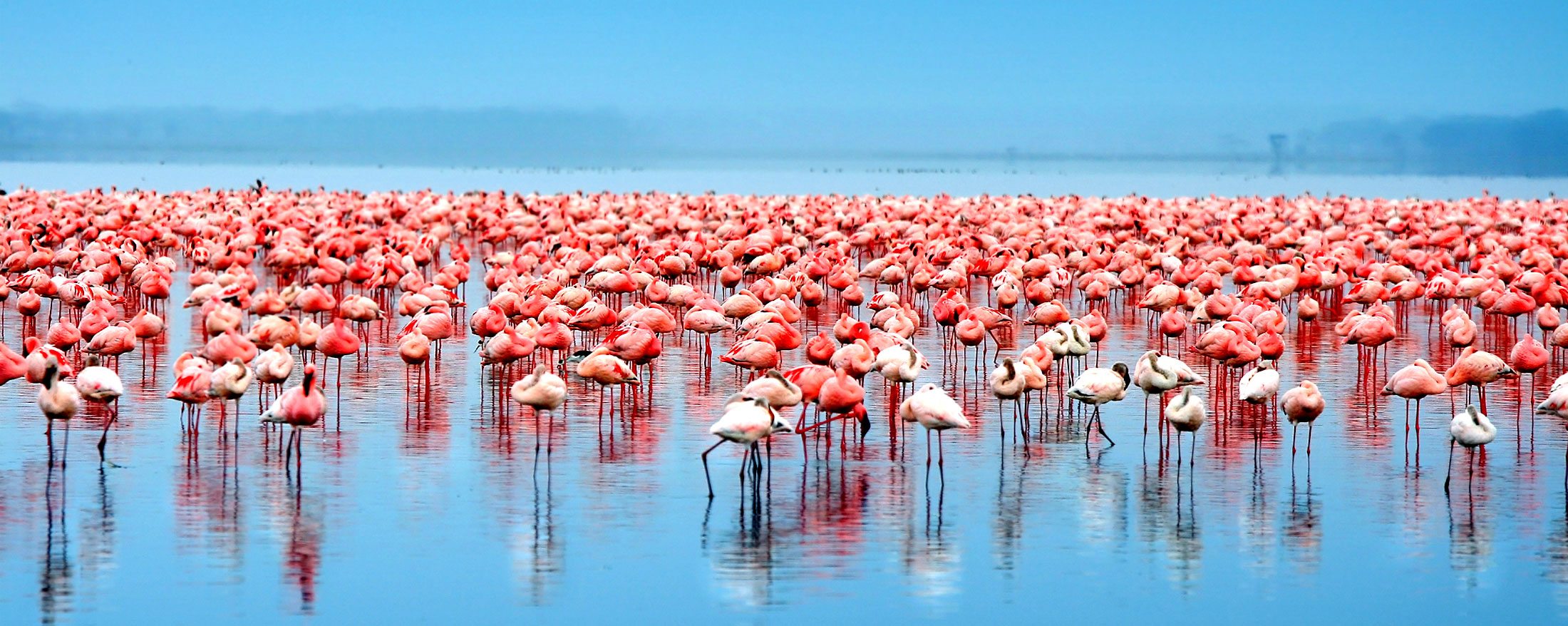
Top 10 Luxury Safari Lodges in South Africa
A comprehensive guide to Top 10 Luxury Safari Lodges in South Africa. Learn everything you need to know for your safari adventure.
 Luxury Safari Content
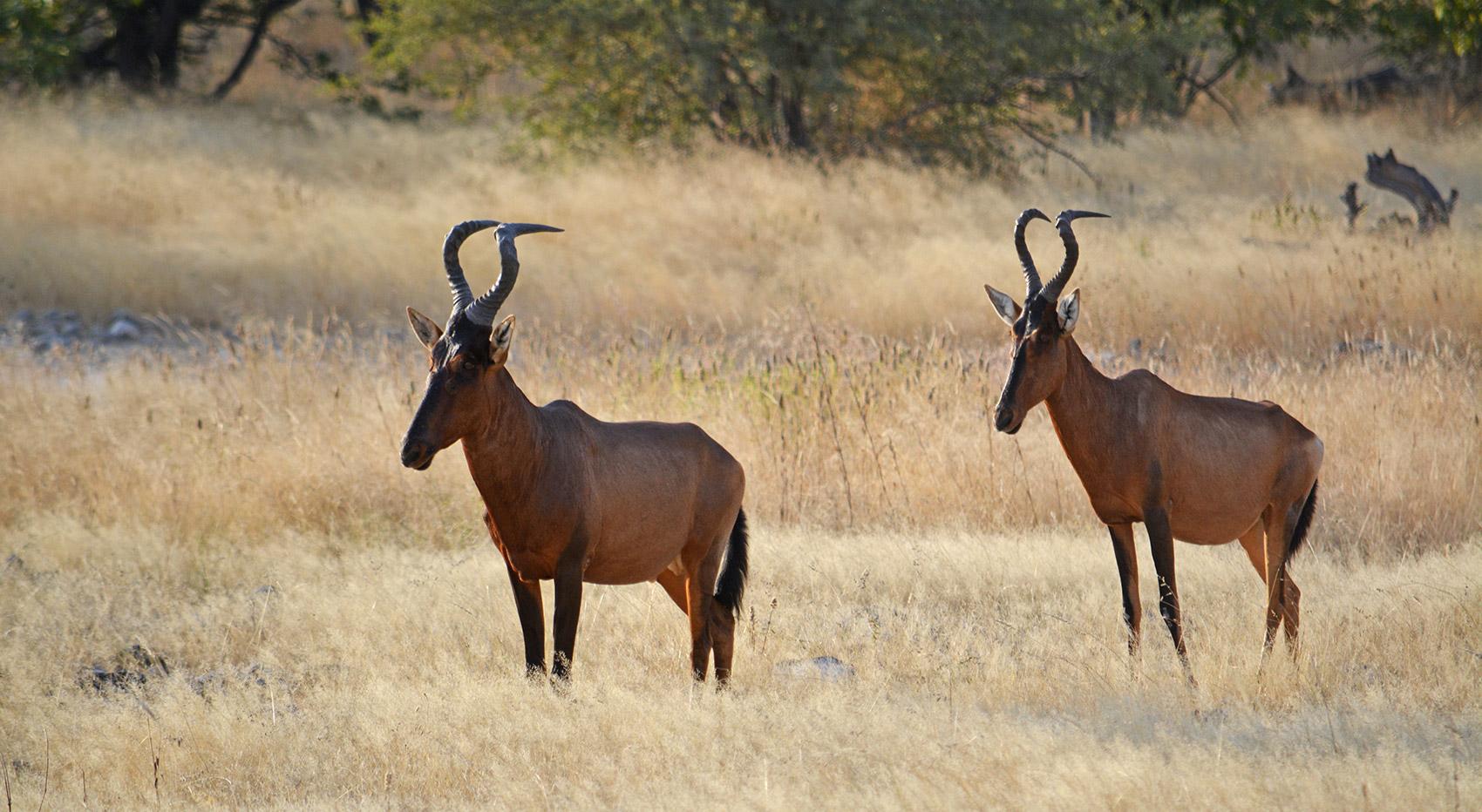
What Defines a Luxury Safari Experience
A comprehensive guide to What Defines a Luxury Safari Experience. Learn everything you need to know for your safari adventure.
 Luxury Safari Content
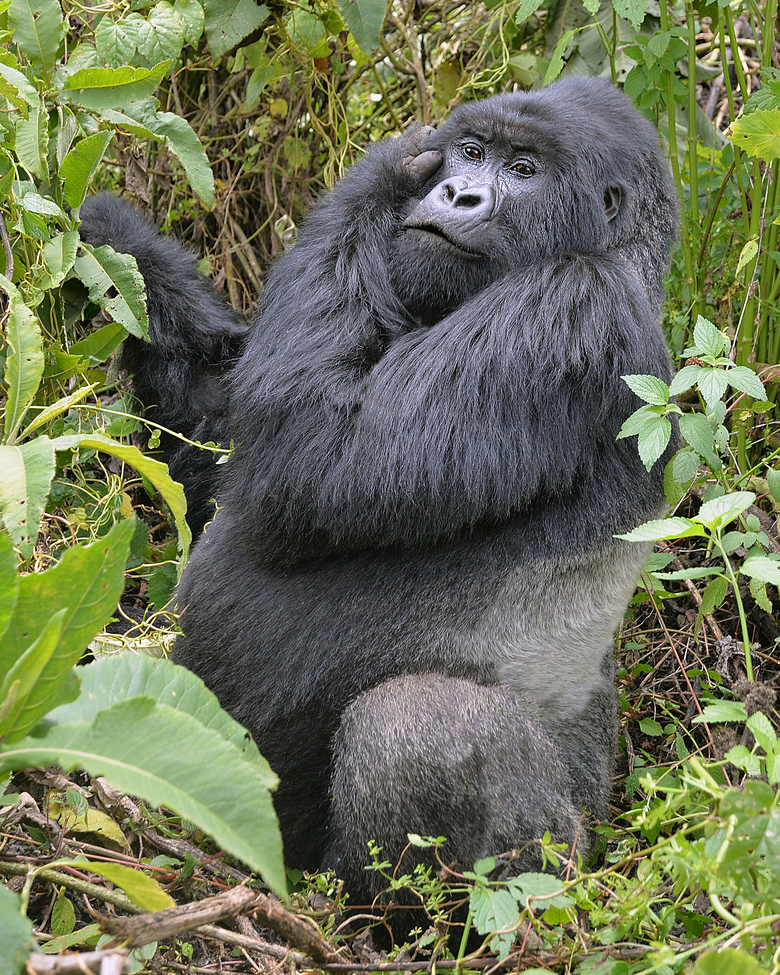
Top 10 Luxury Safari Lodges in Tanzania
A comprehensive guide to Top 10 Luxury Safari Lodges in Tanzania. Learn everything you need to know for your safari adventure.
 Safari Costs
Budget Safari vs Luxury Safari Costs
Discover the key cost differences between budget and luxury safaris, from accommodation and guiding to game drives and locations, to choose the right trip for you.
 Luxury Safaris
What Is a Luxury African Safari
Discover what defines a luxury African safari, from exclusive lodges and private guides to unique wildlife encounters. Plan your ultimate safari adventure.
 Luxury Safaris
Top Luxury Safari Lodges in Africa
Discover the top luxury safari lodges in Africa. Our expert guide reviews the best lodges in Kenya, Tanzania, Botswana, and more for your dream safari.